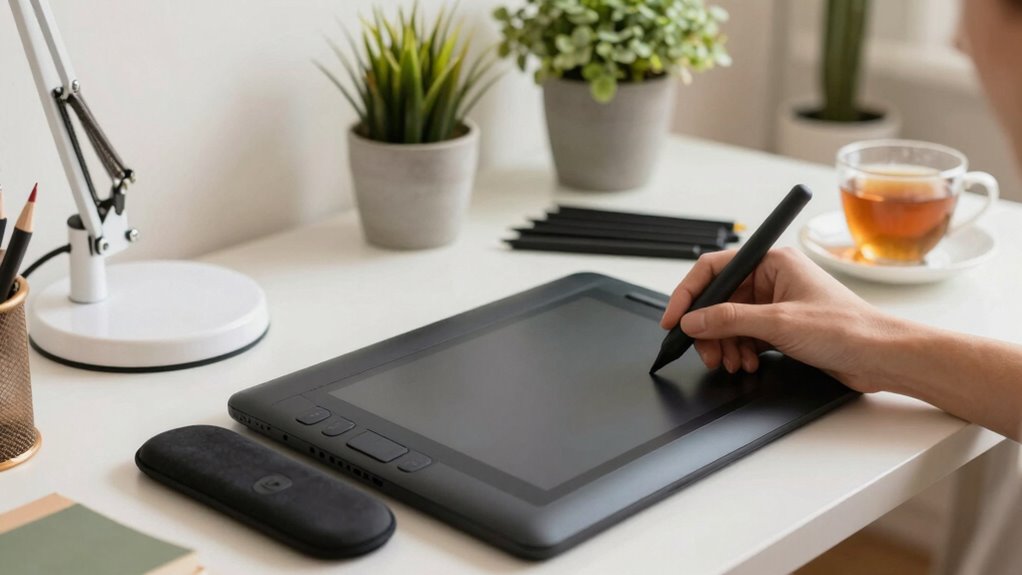

To reduce tool fatigue in creative jobs, focus on optimizing your workspace with ergonomic equipment, like supportive chairs and adjustable desks. Take regular breaks to stretch or walk away from your tools, and pay attention to your body’s signals to adjust your posture or tools as needed. Maintaining good alignment, staying mindful of tension, and scheduling demanding tasks during peak energy times also help. Keep exploring these tips to find more ways to stay comfortable and productive.
Key Takeaways
- Use ergonomic tools and accessories to minimize strain during extended creative sessions.
- Take regular breaks to stretch, rest your hands, and prevent repetitive strain injuries.
- Adjust tool positions and grips frequently to avoid prolonged pressure on specific muscles.
- Incorporate body awareness to recognize early signs of fatigue and modify your workflow accordingly.
- Maintain a well-organized workspace to reduce unnecessary movements and improve efficiency.
Creative jobs often demand intense focus and constant use of tools, which can lead to fatigue and decreased productivity. When you’re immersed in your work, it’s easy to overlook how physical strain and mental exhaustion drain your energy and creativity. To stay sharp and avoid burnout, you need to prioritize comfort and mental well-being. One effective way is by investing in ergonomic equipment. Using a supportive chair, an adjustable desk, or ergonomic accessories like keyboard and mouse pads can significantly reduce physical strain. Proper posture minimizes the risk of repetitive strain injuries and helps you work longer without discomfort. Keep your workspace set up to promote good alignment, ensuring your monitor is at eye level and your wrists are well-supported. These small adjustments make a big difference in maintaining comfort throughout long work sessions. Additionally, fostering a mindful environment that values biodiversity and sustainable living practices can enhance overall well-being and reduce stress, creating a more balanced workspace. Incorporating stress management techniques, such as mindfulness or deep breathing exercises, can further support mental resilience during demanding creative projects. Being mindful of the environmental impact of your workspace choices can also contribute to a more holistic approach to well-being.
Invest in ergonomic tools and proper setup to boost comfort and sustain productivity during long creative sessions.
In addition to physical adjustments, integrating regular mental breaks into your routine is crucial. When you’re working intensively, your mind needs moments to reset. Short breaks—just five to ten minutes every hour—can boost your focus and prevent mental fatigue. During these breaks, step away from your workspace, stretch, or take a quick walk. Avoid screens and digital distractions to give your brain a true rest. This practice helps clear mental clutter and restores your concentration, making your work sessions more productive and less draining. It’s about creating a rhythm where your mind and body can recover, so you’re not pushing yourself to exhaustion. Incorporating ergonomic principles into your workspace design can further optimize comfort and reduce physical stress over time.
Another key aspect is listening to your body’s signals. If you start to feel tense or notice discomfort, pause and adjust. Sometimes, a quick stretch or shifting your position can alleviate tension before it turns into pain. Staying aware of your physical and mental state allows you to address issues early, preventing long-term fatigue. Also, consider scheduling your most demanding creative tasks when your energy peaks—usually in the morning or early afternoon—so you’re less likely to become overwhelmed or fatigued too soon.
Ultimately, reducing tool fatigue in creative jobs hinges on mindful ergonomics and deliberate mental breaks. By setting up your workspace thoughtfully and giving yourself permission to pause regularly, you can keep your body comfortable and your mind sharp. It’s about creating sustainable habits that support your creativity and productivity, so you can enjoy your work without the toll of fatigue.
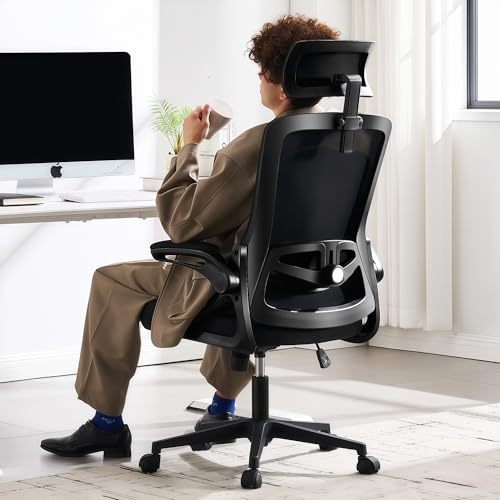
Fizzin Ergonomic Office Chair, 400 LBS Computer Chairs with Adjustable Lumbar Support, Breathable Mesh Desk Chair Ergonomic with Thickened Cushion, Comfy Home Office Desk Chair (Black)
Ergonomic Office Chair: Our ergonomic office chair provides total comfort and support for your head, back, hips and…
As an affiliate, we earn on qualifying purchases.
As an affiliate, we earn on qualifying purchases.
Frequently Asked Questions
What Are Early Signs of Tool Fatigue?
Early signs of tool fatigue include feeling physically tired, experiencing discomfort or strain, and noticing decreased focus or productivity. You might also feel repetitive strain or soreness in your hands, wrists, or shoulders. It’s essential to recognize these symptoms early and incorporate ergonomic design and workload management strategies. Taking regular breaks and adjusting your workspace can help prevent further fatigue, ensuring you stay comfortable and efficient during your creative work.
How Does Tool Fatigue Affect Long-Term Productivity?
If you ignore tool ergonomics and skimp on user training, long-term productivity takes a nosedive. Fatigue sneaks in, causing mistakes, delays, and burnout. Over time, your creative flow stalls, and enthusiasm dwindles. Without addressing these issues, you risk turning your best ideas into half-baked projects. Investing in ergonomic tools and proper training keeps you sharp, energized, and ready to innovate without the fatigue-induced crash landing.
Are There Specific Tools More Prone to Causing Fatigue?
Some tools are more prone to causing fatigue because they lack ergonomic design, making them uncomfortable or awkward to use for extended periods. Tools with limited variety can also lead to repetitive strain, increasing fatigue. To minimize this, choose tools with ergonomic features that fit comfortably in your hand and incorporate a variety of tools to reduce repetitive motions, helping you stay productive and avoid long-term fatigue.
Can Mental Fatigue Be Mistaken for Tool Fatigue?
Like a modern-day scribe, you might mistake mental fatigue for tool fatigue, but they’re different beasts. Mental fatigue impacts your mind clarity, making it hard to focus, while tool fatigue stems from ergonomic design issues causing physical strain. Pay attention to your symptoms—if your mind feels foggy, it’s likely mental exhaustion. Address both by taking breaks, improving workspace ergonomics, and practicing mental refreshers for *best* creativity and productivity.
How Often Should Tools Be Calibrated to Prevent Fatigue?
You should calibrate your tools regularly, ideally following the manufacturer’s recommended calibration schedule, which often ranges from monthly to quarterly. Consistent tool maintenance guarantees accuracy, reduces strain, and prevents fatigue. By sticking to this schedule, you keep your tools functioning at their best, decreasing the need for repeated adjustments. Regular calibration not only improves your workflow but also helps you avoid the physical and mental fatigue caused by unreliable or poorly maintained equipment.

ErGear Height Adjustable Electric Standing Desk, 48 x 24 Inches Sit Stand up Desk, Memory Computer Home Office Desk, Black
Electric Height Adjustable Standing Desk for Comfortable Work – Switch effortlessly between sitting and standing with this electric…
As an affiliate, we earn on qualifying purchases.
As an affiliate, we earn on qualifying purchases.
Conclusion
So, next time you’re battling tool fatigue, remember—pushing through might seem heroic, but it’s often just your creativity begging for a break. Ironically, stepping back and giving your tools a rest could actually boost your productivity and spark new ideas. Instead of powering through, try disconnecting for a bit. After all, even superheroes need a pause; it’s the secret weapon to staying sharp and inspired in your creative journey.

KTRIO Ergonomic Keyboard Wrist Rest & Mouse Pad with Wrist Rest, Black
Ergonomic Design: Ergonomically designed to keep wrists aligned with the keyboard and mouse, helping reduce wrist pain, fatigue,…
As an affiliate, we earn on qualifying purchases.
As an affiliate, we earn on qualifying purchases.
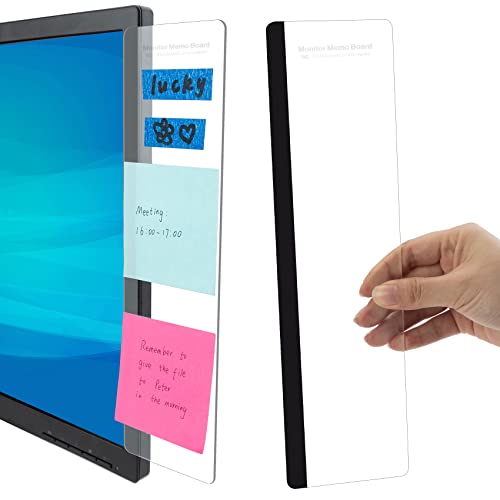
MDOZQ Office Desk Accessories 2pcs Computer Monitor Memo Board Message Board Supplies for Women Men Sticky Note Holder Home Desktop Decor
[MULTIFUNCTIONAL]You'll get 2 pieces computer monitor memo boards that you can stick on the left and right edges…
As an affiliate, we earn on qualifying purchases.
As an affiliate, we earn on qualifying purchases.