
TL;DR
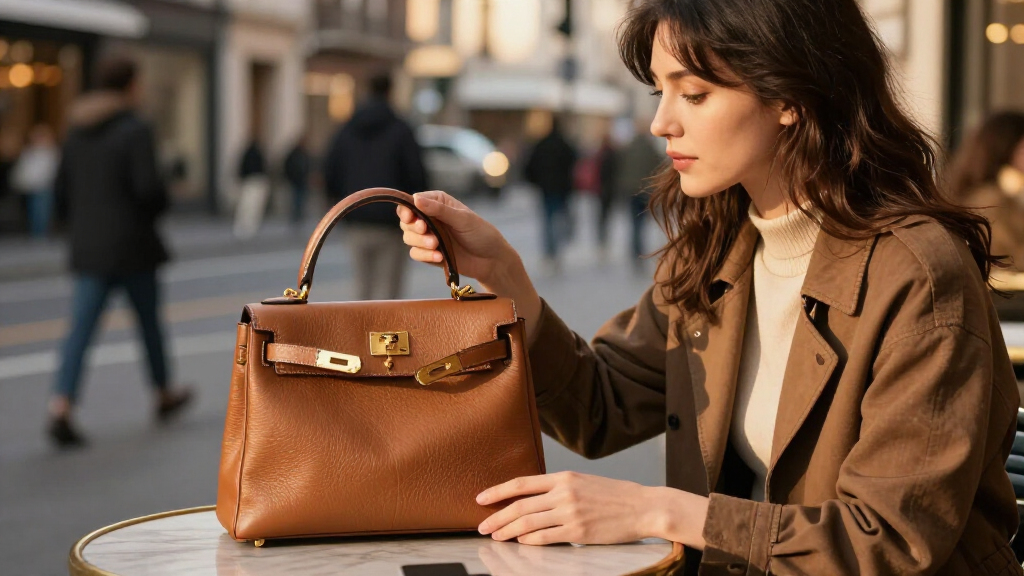
Luxury handbag demand is waning as consumers show signs of fatigue, prompting brands and retailers to reassess strategies. The trend signals a significant shift in high-end fashion buying habits, though details remain uncertain.
Luxury handbag demand appears to be declining as consumer interest wanes, according to recent market observations. Major brands and retailers are reporting softer sales, raising questions about the sustainability of current high-end fashion strategies. This trend matters because it could signal a broader shift in luxury consumer behavior, affecting the entire high-end fashion ecosystem.
Recent market signals indicate that demand for luxury handbags is softening, with some brands experiencing slower sales growth or even declines. Industry insiders suggest that consumer fatigue — driven by economic factors, changing tastes, and increased market saturation — is contributing to this slowdown. While specific sales figures are not publicly confirmed, multiple reports from retail analysts point to a broader trend of declining interest in high-end handbags.
Several brands have begun to adjust their marketing and product strategies in response. Some are reducing inventory levels or delaying new launches, while others are experimenting with more accessible or innovative designs to rekindle interest. Despite these efforts, the overall market sentiment points to a cautious approach among luxury brands, wary of overexposure in a potentially shifting demand landscape.
Experts note that the phenomenon of ‘luxury handbag fatigue’ is not entirely new but appears to be intensifying. It coincides with broader economic uncertainties and a possible saturation of the market, where consumers have already purchased multiple high-end bags and are less inclined to buy more. The trend’s duration and impact remain uncertain, as the market continues to monitor consumer response and sales data.
Implications for Luxury Fashion Market Stability
This emerging fatigue could have significant implications for the luxury fashion industry, which relies heavily on handbag sales as a key revenue driver. If consumer interest continues to decline, brands may face revenue shortfalls and need to innovate or diversify their product lines. The trend also raises questions about the long-term health of the high-end handbag market, especially amid economic uncertainties and shifting consumer priorities.
Furthermore, the potential slowdown could influence pricing strategies, inventory management, and marketing approaches across the luxury sector. Brands may need to adapt to evolving consumer preferences, possibly emphasizing sustainability, exclusivity, or digital engagement to maintain relevance and demand. The broader luxury market’s resilience will depend on how well brands respond to this fatigue and whether new consumer segments emerge.
As an affiliate, we earn on qualifying purchases.
Recent Trends and Consumer Behavior Shifts in Luxury
Over the past few years, the luxury handbag market experienced rapid growth, driven by increased global wealth and aspirational buying. Major brands expanded their collections, and the market saw a proliferation of new designs and collaborations. However, as the market matures, there are signs of saturation, with some consumers expressing fatigue after multiple purchases.
This trend aligns with broader shifts in luxury consumption, where younger consumers prioritize experiences and sustainability over material possessions. Additionally, economic pressures, inflation, and geopolitical uncertainties have tempered spending on high-end goods. While luxury handbags remain aspirational items, their once relentless growth appears to be plateauing, according to industry reports and market analysts.
Search interest in luxury handbags spiked in early 2024, possibly reflecting increased media coverage or consumer curiosity, but the underlying sales momentum seems to be weakening, according to anecdotal reports from retail insiders. The exact cause of this shift remains unconfirmed, and industry insiders caution that the trend could be temporary or part of a longer-term evolution.
As an affiliate, we earn on qualifying purchases.
Unconfirmed Causes and Market Response Unclear
It is not yet clear whether the decline in demand is a short-term fluctuation or part of a sustained shift. The specific causes — whether economic, cultural, or market saturation — remain unconfirmed, and industry insiders are cautious about drawing definitive conclusions. Additionally, how brands will adapt long-term remains uncertain, as strategies are still evolving.
As an affiliate, we earn on qualifying purchases.
Monitoring Sales Data and Consumer Trends in 2024
The industry will closely watch sales figures, consumer behavior, and marketing responses over the coming months. Brands may introduce new product lines, shift marketing tactics, or explore digital engagement to counteract fatigue. Market analysts anticipate that the next quarter’s performance will offer clearer insights into whether this trend is temporary or signals a fundamental change in luxury handbag demand.
As an affiliate, we earn on qualifying purchases.
Key Questions
What is causing the decline in luxury handbag demand?
While specific causes are unconfirmed, factors such as market saturation, changing consumer priorities, economic uncertainties, and increased competition are believed to contribute.
Are all luxury brands affected equally?
It appears that some brands are experiencing more noticeable slowdowns than others, possibly due to their market positioning, product offerings, or geographic focus. However, the overall trend suggests a broad industry impact.
Will this fatigue be temporary or long-lasting?
The duration of the trend remains uncertain. Industry insiders are cautious, noting that it could be a short-term correction or part of a longer-term market evolution.
How are brands responding to this trend?
Many are adjusting their marketing strategies, reducing inventory, and exploring new product concepts to rekindle consumer interest and adapt to the changing landscape.
Source: rss