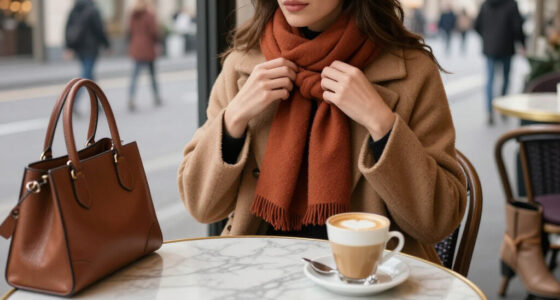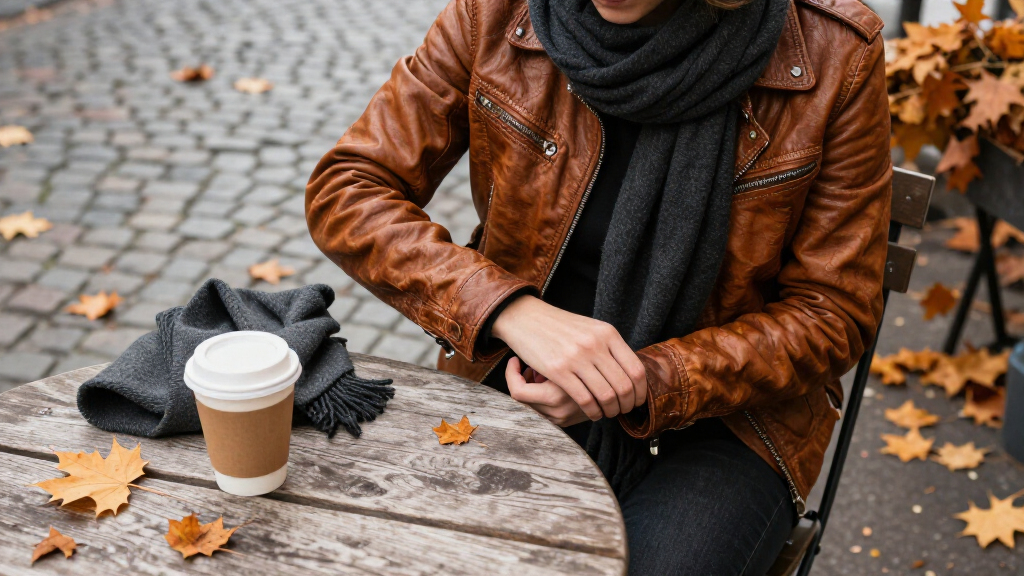

This guide helps you choose a stylish leather jacket for fall and put together outfits that work for your weather, schedule, and existing clothes. It is for beginners who want a clear way to compare jacket cuts, check fit, plan layers, and avoid buying a piece that stays unworn in the closet. Allow 1-2 hours to shop and try jackets, then 10-20 minutes to test outfit combinations at home.

Get your wardrobe favorites delivered free with Prime
- Fast, free delivery on millions of items
- Prime Video, Amazon Music and more included
- Member-only deals all year
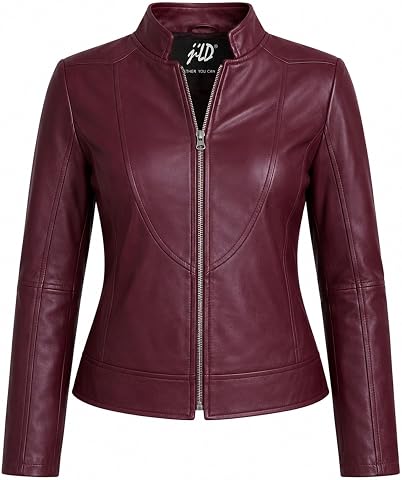
Jild Women’s Stylish Collar Casual Leather Jacket – Biker Style Premium Lambskin
- ✔ Material: 100% real lambskin leather
- ✔ Lining: Soft polyester
- ✔ Care: Dry clean only

Jild Women’s Genuine Leather Jacket with Ribbed Panels
- ✔ Material: 100% genuine lambskin leather
- ✔ Lining: Polyester
- ✔ Care: Dry clean only

CHIGUO Women’s Faux Leather Motorcycle Jacket
- ✔ Fabric: PU faux leather
- ✔ Care: Hand wash only
- ✔ Fit: Regular fit
Difficulty: Beginner | Time: 1-2 hours to shop and try on; 10-20 minutes to plan outfits
What You’ll Need
Tools & Materials:
- A full-length mirror
- A flexible measuring tape, if ordering online
- Clothes and shoes you already wear in fall
- A phone or notes app for recording measurements and prices
Knowledge:
- Basic knowledge of your usual clothing size
- A general idea of your local fall temperatures and rain
Set a budget before shopping, and decide whether you want real leather or a non-leather alternative. Leather varies in weight, care needs, and weather resistance; neither real leather nor faux leather should be assumed waterproof. Check the care label and retailer’s return policy before buying, especially when shopping online.
Jild Women’s Stylish Collar Casual Leather Jacket – Biker Style Premium Lambskin
This is our leading pick for shoppers who want a genuine-leather fall layer without making the jacket’s biker identity the whole outfit. Its 100% lambskin construction and soft texture give it a more supple feel than the PU CHIGUO, while the tailored body fit and panel detailing keep the silhouette neat over a top or lighter knit. The sleek collar is also less visually assertive than the wide lapel on Jild’s ribbed-panel model, which makes this version easier to wear with both casual clothes and slightly dressier outfits.The tradeoff is maintenance and fit flexibility. Dry-clean-only care adds effort, and a tailored body may feel less forgiving over bulky fall layers than a relaxed cut; the supplied details do not state a size range or exact measurements. Like the other imported Jild, shipping or returns may take more planning. We would choose it over the ribbed-panel jacket for versatility, but not if textured panels and a stronger moto statement are the main reasons for buying.
Pros:
- 100% real lambskin is described as soft and breathable
- Tailored fit and panel detailing create a defined silhouette
- Sleek collar gives it a less aggressive moto look than the ribbed-panel Jild
- Designed for casual and semi-formal wear across multiple seasons
Cons:
- Dry-clean-only care is inconvenient for frequent wear
- Tailored fit may limit layering room, and exact measurements are not provided
- Imported status may complicate delivery or returns
Best for: Shoppers who want soft genuine lambskin and a tailored jacket that can move between casual and semi-formal fall outfits.
Not ideal for: Anyone seeking machine-washable care, a roomy fit for thick layers, or a heavily insulated jacket for cold weather.
Bottom line: Choose this Jild when soft lambskin and adaptable styling matter more than easy care or a relaxed fit.
“Choose this Jild when soft lambskin and adaptable styling matter more than easy care or a relaxed fit.”
Jild Women’s Genuine Leather Jacket with Ribbed Panels
Where the first Jild keeps its biker styling relatively restrained, this one makes the detailing part of the outfit. The wide turn-down lapel, zip cuffs, and quilted moto accents give it a more assertive, classic motorcycle-jacket character. Elastic ribbed fleece panels at the sides and sleeves add contrast and flexibility, a useful distinction for shoppers who value movement and a less uniform leather surface. Two front zip pockets also keep small essentials secure while preserving the jacket’s streamlined look.Those same panels make this a more specific style choice than our Best Overall pick. The ribbed sections may be welcome for comfort, but they shift attention away from a clean, all-leather appearance and may not suit buyers seeking a minimal jacket. It shares the first Jild’s lambskin material and dry-clean-only upkeep, so it does not solve the care drawback. Compared with CHIGUO, it offers genuine leather rather than PU, but the listing does not establish insulation or weather protection; treat it as a fall fashion layer, not a technical cold-weather shell.
Pros:
- Genuine lambskin offers a soft leather feel
- Ribbed fleece panels add texture and flexibility
- Wide lapel and zip cuffs create a stronger moto identity than the first Jild
- Two zippered front pockets secure small items
Cons:
- Dry-clean-only care requires more upkeep
- Ribbed panels make the design less minimal and potentially harder to style broadly
- Imported product may involve delivery or return complications
Best for: Buyers who want genuine lambskin with a more noticeable moto silhouette, flexible ribbed inserts, and secure zip pockets.
Not ideal for: Shoppers who prefer an understated, uninterrupted leather look or want a jacket they can wash at home.
Bottom line: Pick this Jild over the first when textured moto detailing and flexible panels matter more than understated versatility.
“Pick this Jild over the first when textured moto detailing and flexible panels matter more than understated versatility.”
CHIGUO Women’s Faux Leather Motorcycle Jacket
CHIGUO is the clear choice for shoppers who want a motorcycle-inspired look in PU faux leather rather than lambskin. Its quilted shoulder panels, stand-up collar, detailed stitching, and metal zippers deliver a more graphic, hardware-forward appearance than the first Jild. Multiple secure zipper pockets add practical storage, while the regular fit is a different proposition from the tailored Jild silhouette. Black and coffee/camel give buyers two ways to style the same design with jeans or dresses.The material difference is central, not incidental. PU may suit someone avoiding genuine leather, but the listing itself notes that it can be less breathable than real leather, so it is a weaker match for buyers prioritizing airflow or the feel of lambskin. It also is not effortless to maintain: care is hand-wash-only, unlike the dry-cleaning instructions on both Jild jackets. We place it third because it is the only faux-leather option and has a strong, distinctive look, but the two Jilds offer the more direct match for shoppers specifically seeking genuine leather.
Pros:
- PU construction offers a faux-leather alternative to the lambskin Jild jackets
- Quilted shoulders and stand-up collar make the motorcycle styling distinct
- Multiple zippered pockets provide secure storage
- Available in black and coffee/camel
Cons:
- Synthetic PU may be less breathable than the genuine lambskin options
- Hand-wash-only care still requires careful maintenance
- Two listed colors offer less choice than a broader color range
Best for: Shoppers who prefer a faux-leather moto jacket with quilted shoulders, zippered storage, and a regular fit.
Not ideal for: Buyers set on genuine leather, prioritizing maximum breathability, or looking for machine-washable convenience.
Bottom line: Choose CHIGUO if faux leather and bold quilted moto styling take priority over lambskin breathability.
“Choose CHIGUO if faux leather and bold quilted moto styling take priority over lambskin breathability.”
As an Amazon Associate we earn from qualifying purchases.
Before You Start
Choose the situations the jacket needs to serve: commuting, casual weekends, evenings, or a mix. Check your local forecast for typical fall temperatures and rain, then decide what you will wear underneath. A jacket that fits over a T-shirt may feel tight over a sweater. If buying online, compare the garment’s listed measurements with a jacket you already own; size labels vary by brand.
Keep safety and weather practicalities in view. Leather jackets can be warm in mild weather but may not provide enough insulation for cold, windy days. Plan to add a warm midlayer or use a coat when conditions call for it. Avoid wearing a jacket in heavy rain unless its maker specifically approves that use.
Step-by-Step Instructions
Step 1: Set your use, budget, and style priorities
Write down where you expect to wear the jacket, how often, and what you want to spend. Pick two or three priorities, such as room for a knit layer, a clean shape for work, or a shorter cut to wear with high-rise trousers. Use those priorities to narrow your search instead of choosing only by trend or product photos.
Decide whether you prefer a classic biker style with an angled zip and lapels, a simple zip-front jacket, a bomber shape, or a longer shirt-style cut. Choose a color that coordinates with several items you own. Black is easy to pair with cool neutrals; brown, tan, and burgundy can work well with denim, cream, olive, and other fall colors.
Tip: If you are unsure, choose a shape and color that work with at least three outfits you already wear.
Check: You have a budget, a list of intended uses, and a short list of jacket styles or colors to compare.
Step 2: Check fabric, construction, and care details
Read the product description and care label. For real leather, check the stated leather type and cleaning instructions. For faux leather, check the material composition and care guidance. Look closely at the seams, lining, zipper, snaps, and pocket construction. Run the zipper up and down if trying the jacket in person, and check that it moves without catching.
Compare the jacket’s weight and lining with your fall conditions. A lightly lined jacket may be comfortable on mild days, while a heavier lining may make it less useful in warm afternoons. Ask whether the finish has any water-resistance guidance, but do not treat a leather label as proof that the jacket can handle rain.
Tip: Avoid a jacket whose care requirements or material feel conflict with how often you plan to wear and maintain it.
Check: You understand what the jacket is made of, how to care for it, and whether its weight suits your likely weather.
Step 3: Try on the jacket with fall layers
Put on the jacket over a T-shirt or top you commonly wear, then repeat the fit check over a sweater or sweatshirt. Zip or fasten it while standing naturally. Reach forward, sit down, and lift your arms. Check that the shoulders sit close to your natural shoulder line, the sleeves reach your wrists, and the body does not pull sharply across your back or chest.
Check the length against your usual bottoms. A cropped jacket can pair well with high-rise jeans or skirts; a hip-length cut can be easier to wear over longer tops. Make sure the hem stays comfortable when you sit. If shopping online, compare chest, shoulder, sleeve, and back-length measurements with a jacket in your closet, allowing enough room for your planned layers.
Tip: Do not rely on the size label alone. A jacket that looks fitted in a product photo may leave too little room for a fall knit.
Check: You can zip the jacket over your intended layer, move freely, and sit without uncomfortable pulling or restriction.
Step 4: Choose a cut that fits your wardrobe
Use your existing clothes to test the jacket’s proportions. Try it with straight-leg or wide-leg jeans, tailored trousers, a simple dress, or a skirt you wear in fall. Check whether the jacket hem, top hem, and waistband create a shape you like. For a balanced outfit, pair a shorter jacket with higher-rise bottoms, or use a longer cut over a dress or a longer top.
Look at the details as well as the outline. Large lapels, belts, studs, and shiny hardware draw attention; a minimal design usually layers more easily with patterned or detailed clothes. Choose the detail level that suits your day-to-day outfits rather than buying an elaborate jacket that only matches one look.
Tip: If the jacket only works with a single outfit, test it with different shoes or bottoms before deciding it is versatile enough.
Check: The jacket works with at least three combinations from your wardrobe, not just the outfit worn to try it on.
Step 5: Build outfits with useful fall layers
Start with a base layer such as a T-shirt, thin knit, button-down shirt, or simple dress. Add the leather jacket, then choose a bottom and shoes suited to the day. Jeans and ankle boots create a casual outfit; tailored trousers and loafers make the look neater; a knit dress, tights, and boots add warmth without making the jacket feel out of place.
For colder weather, wear a thin sweater or another comfortable layer under the jacket and check that the sleeves do not bunch. Add a scarf if the neckline allows it. Keep one area visually simple when combining strong details: for example, pair a decorated biker jacket with plain trousers and a basic top. Use color deliberately by repeating one jacket tone in shoes, a belt, or a bag rather than matching every accessory exactly.
Tip: Try the complete outfit indoors before leaving. A layer that feels fine while standing may restrict your arms once the jacket is fastened.
Check: You can move comfortably, stay appropriately warm for the forecast, and identify shoes and accessories that complete the outfit.
Step 6: Test the jacket in realistic conditions
Wear the jacket around the house or on a short, dry outing before committing to a full day. Check comfort while walking, sitting, carrying a bag, and using your phone. Notice whether the collar rubs, the zipper presses, the sleeves ride up, or the lining catches on your clothes.
Check your planned outfit against the forecast before wearing it outside. If temperatures drop, add a warm layer or choose a coat with more insulation. If rain is expected, use a suitable rain layer or another outerwear option rather than risking water damage.
Tip: Keep tags and packaging until you are satisfied with the fit and the return period has not expired.
Check: The jacket stays comfortable through ordinary movement, and you know which weather conditions require different outerwear.
Step 7: Store and care for the jacket correctly
Follow the maker’s care instructions rather than using a general leather cleaner or household product. Hang the jacket on a sturdy, broad hanger so the shoulders keep their shape. Store it in a cool, dry, ventilated place, away from direct heat and prolonged sunlight. Do not seal it in plastic for long-term storage.
If the jacket gets wet, check the care instructions and let it dry naturally in a ventilated area; keep it away from radiators, hair dryers, and other direct heat. For stains, persistent odors, or damage, contact a cleaner who handles the specific jacket material before applying a product yourself.
Tip: Save the care label details or product page so you can check the correct cleaning method later.
Check: The jacket is stored without being compressed, and you know where to find its material-specific care instructions.
Common Mistakes to Avoid
- Buying a jacket that fits only over a thin top. — Try it over the sweater or sweatshirt you plan to wear in fall, and test the zip and movement before buying.
- Choosing a color or cut that matches only one outfit. — Build at least three combinations from clothes and shoes you already own before making the purchase.
- Assuming leather can handle heavy rain or cold on its own. — Check the maker’s weather guidance, use another outer layer in rain, and add insulation or a warmer coat when temperatures require it.
- Cleaning the jacket with an unapproved household product. — Read the care instructions first and ask a material-specific cleaner about stains or damage.
Troubleshooting
Problem: The jacket feels tight when you reach forward or zip it over a sweater.
Solution: Try the next size or a roomier cut, then repeat the movement check over your intended layer. Do not count on leather stretching enough to fix a restrictive fit.
Problem: The jacket looks bulky with your usual outfits.
Solution: Try a thinner base layer, a less oversized cut, or bottoms with a different rise. Check whether a shorter or simpler jacket balances your proportions better.
Problem: The jacket feels too warm by midday.
Solution: Wear a lighter base layer, carry the jacket when conditions allow, or reserve it for cooler days. Choose a lighter-weight option if your typical fall weather stays mild.
Problem: The jacket gets caught or creases awkwardly over layers.
Solution: Smooth the base layer before putting the jacket on, check sleeve lining and armhole fit, and test a thinner knit. If movement remains restricted, try a different size or style.
What Success Looks Like
You have selected a jacket that fits over your planned fall layers, allows comfortable movement, suits the weather you expect, and works with at least three outfits you own. You know its material and care requirements, have suitable shoes and layers ready, and can identify when rain or colder temperatures call for different outerwear.
Next Steps
Wear the jacket in ordinary, dry conditions and note which layers feel best. Recheck its care label before cleaning, hang it properly between wears, and address stains or damage with a qualified cleaner. At the start of colder weather, reassess whether you need a warmer coat rather than relying on the leather jacket as your only outer layer. If buying online, complete your fit and outfit checks before the return deadline.
Frequently Asked Questions
What color leather jacket is easiest to style for fall?
Black pairs readily with denim, gray, white, and other cool neutrals. Brown, tan, and burgundy can work well with cream, olive, denim, and warm-toned clothes. Choose the color that coordinates with the clothes and shoes you already wear most often.
Should a fall leather jacket fit tightly?
It can look neat without restricting movement. You should be able to zip it over your usual fall layer, reach forward, and sit comfortably. A very tight fit may prevent layering, while excessive room can make the jacket look bulky.
Can I wear a leather jacket in the rain?
Check the maker’s care and weather instructions; leather and faux leather are not automatically waterproof. Avoid prolonged or heavy rain unless the manufacturer approves that use. If the jacket gets wet, follow its care guidance and keep it away from direct heat while drying.
How do I make a leather jacket warm enough for fall?
Wear a comfortable sweater or other insulating layer underneath, then check that the jacket still allows free movement. A leather jacket may not be warm enough for cold wind or low temperatures, so use a more insulated coat when needed.
How do I clean a leather or faux leather jacket?
Use the instructions on the garment’s care label or product page. Do not assume the same cleaning method works for every material or finish. For stains, odors, or damage, ask a cleaner who works with that specific material before applying a product.
Halloween Picks
halloween
As an affiliate, we earn on qualifying purchases.