
Cluttered desks overwhelm your senses, making your brain work harder to process unnecessary visual stimuli. This visual overload increases mental fatigue and decision fatigue, leaving you drained and less focused. When your environment is disorganized, it’s harder to concentrate and make clear choices. Keeping your space tidy reduces cognitive load and helps preserve your mental energy. Want to discover simple ways to clear your workspace and boost your focus? Keep exploring these strategies.
Key Takeaways
- Desk clutter increases visual overload, requiring extra mental effort and leading to decision fatigue.
- Visual chaos hampers focus and concentration, causing mental drain and reduced decision-making quality.
- Cluttered environments elevate stress levels, contributing to hesitation and avoidance of important tasks.
- Organizing and simplifying your workspace reduces cognitive load and preserves mental energy for better decisions.
- Maintaining a tidy desk fosters mental clarity, improves productivity, and lessens the fatigue from constant decision-making.

OPNICE Desk Organizer and Accessories, 2-Tier Computer Monitor Stand Riser with Drawer and 2 Pen Holders, Laptop Stand, Office Desk Accessories for Office Supplies, Black
【Ergonomic Design】:OPNICE newly releases the monitor stand for desk organizer! This computer stand elevates your monitor or laptop…
As an affiliate, we earn on qualifying purchases.
As an affiliate, we earn on qualifying purchases.
Understanding Decision Fatigue and Its Effects

Decision fatigue occurs when your ability to make thoughtful choices diminishes after making numerous decisions. As your cognitive load increases, your mental clarity drops, making it harder to evaluate options effectively. This mental drain can cause you to rely on habits or impulsive choices instead of careful consideration. When you’re overwhelmed by constant decision-making, your brain becomes exhausted, leading to poorer judgment and increased stress. You may find yourself procrastinating or making shortcuts to avoid mental effort. Recognizing this fatigue is crucial because it directly impacts your productivity and well-being. By understanding how decision fatigue works, you can take steps to reduce unnecessary choices and preserve mental clarity, ultimately improving your focus and decision-making capacity over time. Understanding how decision-making processes are affected by mental fatigue can also help in making more mindful choices and managing stress levels. Being aware of cognitive load can empower you to implement strategies that support better cognitive function and overall well-being. For example, organizing your environment to minimize clutter can help reduce mental clutter and lessen the burden on your decision-making capacity.
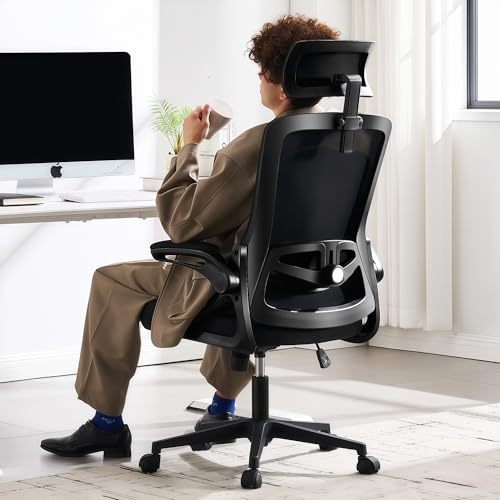
Fizzin Ergonomic Office Chair, 400 LBS Computer Chairs with Adjustable Lumbar Support, Breathable Mesh Desk Chair Ergonomic with Thickened Cushion, Comfy Home Office Desk Chair (Black)
Ergonomic Office Chair: Our ergonomic office chair provides total comfort and support for your head, back, hips and…
As an affiliate, we earn on qualifying purchases.
As an affiliate, we earn on qualifying purchases.
The Link Between Clutter and Mental Drainage

When your workspace is cluttered, your brain has to process more visual information, which can increase stress. This overload makes it harder to focus and make decisions efficiently. Recognizing how clutter drains your mental energy is the first step to creating a calmer, more productive environment. Incorporating ergonomic furniture and planned organization strategies can further reduce this mental burden, leading to improved focus and efficiency. Additionally, adopting payment solutions that support streamlined and secure transactions can help minimize administrative clutter, freeing up mental space for more critical tasks. A well-organized space that reflects a farmhouse bedroom aesthetic can also promote a sense of calm and clarity, helping you conserve mental energy for important decisions.
Visual Overload Causes Stress
Cluttered desks create visual chaos that your mind struggles to process, leading to increased stress levels. When your workspace is overwhelming, your brain expends extra effort to filter out distractions, causing mental fatigue. To reduce this, consider: 1. Using color psychology—calming shades like blues and greens can promote relaxation and clarity. 2. Maintaining an ergonomic setup—proper placement of essentials minimizes visual clutter and physical strain. 3. Simplifying your environment—keep only necessary items visible, which helps your brain focus and reduces sensory overload. 4. Organizing your desk with clutter reduction strategies can also create a more personalized and calming environment, supporting overall mind-body well-being. Incorporating meditation practices during breaks can further alleviate mental fatigue and improve focus.
Decision-Making Becomes Harder
As your desk becomes increasingly cluttered, your ability to make clear, efficient decisions diminishes. The chaos creates decision overload, forcing your brain to process endless choices about what to focus on or ignore. This mental clutter quickly leads to cognitive exhaustion, making decision-making harder. You might find yourself hesitating, second-guessing, or avoiding tasks altogether. To illustrate, consider this table:
| Clutter Level | Decision-Making Impact |
|---|---|
| Minimal | Clear, quick choices |
| Moderate | Slight hesitation, longer decisions |
| High | Decision overload, fatigue sets in |
| Overwhelmed | Avoidance, mental drain |
| Excessive | Paralysis, burnout |
The more clutter, the greater your mental drain, reducing your capacity to make effective decisions. Additionally, mental clarity can significantly improve when clutter is minimized, allowing for more focused and efficient decision-making. Implementing effective organization strategies can further help in reducing mental load and enhancing overall decision quality. Regularly tidying your workspace not only reduces physical clutter but also supports cognitive function, helping you stay alert and make better choices throughout the day. Furthermore, incorporating sound design principles such as controlled ambient sounds can help create an environment conducive to focused decision-making and reduce mental fatigue.
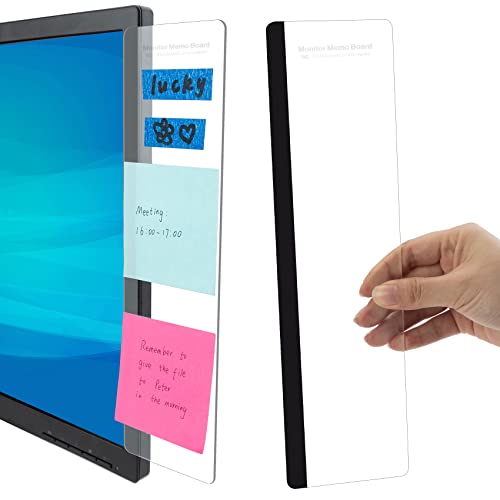
MDOZQ Office Desk Accessories 2pcs Computer Monitor Memo Board Message Board Supplies for Women Men Sticky Note Holder Home Desktop Decor
[MULTIFUNCTIONAL]You'll get 2 pieces computer monitor memo boards that you can stick on the left and right edges…
As an affiliate, we earn on qualifying purchases.
As an affiliate, we earn on qualifying purchases.
How Disorganized Spaces Impair Focus and Productivity

Disorganized spaces can quickly derail your focus and reduce productivity by overwhelming your mind with unnecessary stimuli. When your workspace is cluttered, your brain struggles to process information efficiently, leading to distraction and fatigue. To improve focus, consider these strategies:
- Use ergonomic design principles to keep essentials within easy reach, minimizing physical strain and mental clutter.
- Apply color psychology by choosing calming hues like blue or green, which promote concentration and reduce stress.
- Keep your workspace tidy by regularly decluttering, allowing your mind to focus on priorities rather than on searching for misplaced items. Recognizing the importance of digital literacy can also help you stay organized by managing digital files and notifications effectively.
- Incorporate simple, stylish design tips to create a more organized and inviting environment that encourages focus. Additionally, selecting durable materials for your workspace furniture can sustain its appearance and functionality over time, reducing the need for frequent replacements.
Maintaining an organized environment can also improve your mental clarity, enabling you to make better decisions and stay motivated. A well-organized environment not only enhances clarity but also conserves mental energy, helping you stay productive and avoid decision fatigue. Clear spaces foster a calmer, more focused mindset.

Mzmaxy Cable Management, 25'' Cable Management Under Desk No Drill, Metal Cord Organizer with Clamp for Standing Desk, Cable Organizer for Home Office, Black
【25'' Large Size】The 25'' cable management under desk provides enough space for all your cables. Desk cable management…
As an affiliate, we earn on qualifying purchases.
As an affiliate, we earn on qualifying purchases.
Visual Overload: Why a Messy Desk Can Be Overwhelming

When your desk is cluttered with papers, gadgets, and miscellaneous items, your brain receives constant visual stimuli that can quickly become overwhelming. This visual chaos creates sensory overload, making it harder to concentrate and process information efficiently. This is where Natural Language Processing (NLP) can help by automating the organization of information and reducing mental clutter. Instead of focusing on your tasks, your mind is distracted by the clutter, draining mental energy. The clutter competes for your attention, forcing you to constantly filter out unnecessary stimuli. As a result, decision fatigue sets in faster because your brain works harder to ignore the visual noise. A messy desk doesn’t just look disorganized; it actively contributes to mental exhaustion. Additionally, AI safety measures can help develop better strategies for managing cognitive load and reducing environmental distractions. Implementing workspace optimization techniques can further diminish visual stimuli and create a more focused environment. Simplifying your workspace reduces this sensory overload, helping you stay focused, make better decisions, and conserve your mental resources.
The Science Behind Simplifying Your Workspace

Research shows that simplifying your workspace can substantially boost your cognitive function by reducing unnecessary mental load. When your environment is organized, your brain expends less energy on decision-making and distractions. To optimize your workspace ergonomics, consider adjusting your chair and desk height for comfort and efficiency. Incorporate color psychology by choosing calming colors like blues or greens to promote focus and reduce stress. Here are three ways to simplify effectively:
Simplify your workspace to enhance focus, reduce stress, and boost cognitive efficiency with minimal decor and organized routines.
- Clear clutter daily to prevent accumulation.
- Use minimal, functional decor to avoid visual overload.
- Limit color schemes to two or three harmonious tones for mental clarity.
Practical Steps to Declutter and Rejuvenate Your Mind

To effectively declutter your mind, start by setting aside a few minutes each day to tidy your physical space. Focus on creating clutter free zones that promote mindful organization. These zones help you minimize distractions and decision fatigue, making it easier to concentrate on important tasks. Consistently maintaining these areas reinforces a calm, focused mindset. Use this table to understand the importance of intentional space:
| Mindful Organization | Clutter-Free Zones | Mental Clarity |
|---|---|---|
| Reduces stress | Enhances focus | Boosts productivity |
| Builds habits | Creates calm | Promotes well-being |
| Encourages consistency | Improves efficiency | Supports mental rejuvenation |
Implement small daily routines to keep your space organized, and watch your mental energy rejuvenate.
Creating Habits for Maintaining an Organized Desk

Building consistent habits for maintaining an organized desk transforms decluttering from a one-time task into a seamless part of your daily routine. To strengthen your desk organization and support habit formation, consider these steps:
- Set a daily 2-minute tidy-up time to clear your workspace before leaving.
- Designate specific spots for essential items to prevent clutter buildup.
- Use visual cues, like trays or labels, to remind yourself of organization habits.
The Long-Term Benefits of a Tidy Workspace

A tidy workspace offers lasting benefits that extend beyond immediate visual appeal. When you invest in good storage solutions, you create a system that keeps essentials accessible and clutter out of sight. This reduces decision fatigue and saves mental energy for important tasks. Ergonomic arrangements also play a pivotal role, promoting better posture and reducing physical strain over time. An organized desk encourages consistency, making it easier to maintain productivity and focus long-term. As clutter diminishes, your mind feels clearer, which improves your ability to prioritize and make decisions efficiently. Ultimately, a clean, well-structured workspace supports your overall well-being, boosts efficiency, and fosters a sustainable work routine that benefits you well beyond the moment.
Frequently Asked Questions
Can Decluttering Improve My Overall Mental Health?
Yes, decluttering can boost your mental health by creating a calmer environment that promotes mindfulness practices. When your space is organized, you’ll find it easier to focus and reduce stress, enhancing emotional wellness. A tidy workspace minimizes distractions and decision fatigue, helping you feel more in control and centered. Regular decluttering supports overall mental clarity, making it easier to maintain positive routines and improve your emotional resilience.
How Often Should I Tidy My Workspace to Stay Focused?
You should tidy your workspace daily to maintain ideal focus. Regular workspace maintenance prevents clutter buildup, which can lead to decision fatigue. Setting aside 5-10 minutes each day for tidiness frequency helps keep your desk organized and your mind clear. Consistent effort ensures your environment stays conducive to productivity, reducing stress and fatigue. Make tidying a daily habit, and you’ll notice improved concentration and mental clarity over time.
Does Digital Clutter Affect Decision Fatigue as Much as Physical Clutter?
Digital clutter can drain your mental clarity just as much as physical clutter. When you’re overwhelmed by digital overload—notifications, endless emails, scattered files—you expend mental energy deciding what to focus on. This decision fatigue wears you out faster, making it harder to stay sharp and productive. So, just like tidying your physical space, managing your digital environment helps preserve mental clarity and keeps your decision-making sharp throughout the day.
Are There Specific Organizational Tools That Work Best for Reducing Fatigue?
Yes, some office organizers and storage solutions work better for reducing fatigue. You should try using labeled bins, drawer dividers, and cable management tools to keep your workspace tidy. These organizational tools help you quickly find what you need, minimizing decision-making and mental strain. Opt for stackable storage and vertical organizers to maximize space. By investing in effective office organizers, you create a streamlined environment that keeps you focused and less exhausted.
Can a Clutter-Free Environment Enhance Creativity and Problem-Solving?
Like a clear canvas inspires artists, a clutter-free environment sparks your creativity and problem-solving. When you maintain visual clarity, your mental focus sharpens, allowing ideas to flow freely. Eliminating clutter reduces distractions, enabling your mind to explore innovative solutions without unnecessary mental noise. This fresh clarity encourages deeper thinking, helping you approach challenges with a more creative and focused mindset. Keep your workspace tidy to release your full potential.
Conclusion
Imagine your desk as a battlefield of chaos, draining your energy with every decision. When you clear the clutter, you’re planting seeds of clarity and focus that blossom into productivity. A tidy workspace isn’t just neat—it’s your mental sanctuary, shielding you from overwhelm. Embrace the power of simplicity, and watch your mind lighten like a feather, ready to soar through tasks with renewed vigor. Your clearer desk is your launchpad to success.