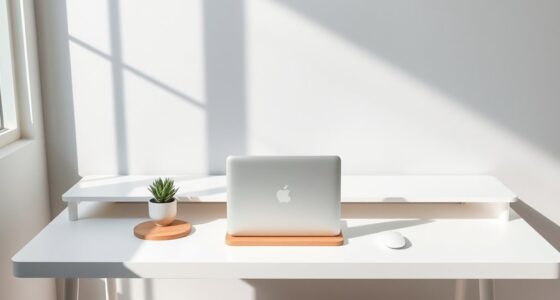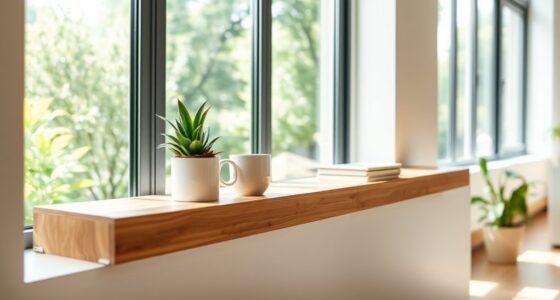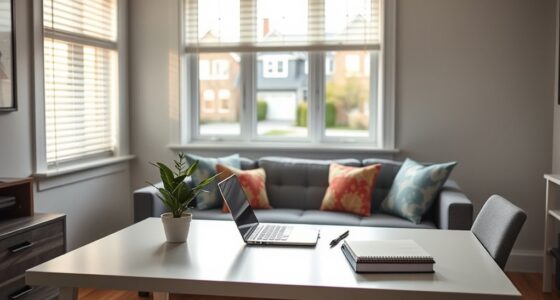
A tidy, well-organized workspace instantly boosts your professional image on Zoom by projecting confidence and credibility. When your background is neat and thoughtfully decorated, it shows you’re organized and serious about your work. The right choice of colors, minimal clutter, and good lighting help create a welcoming, trustworthy environment that leaves a positive impression. Small adjustments in your decor can make a big difference—keep exploring to learn how to craft the perfect virtual backdrop.
Key Takeaways
- A tidy workspace minimizes distractions, allowing viewers to focus on your message and enhancing your professionalism.
- Organized backgrounds reflect your attention to detail and strong work ethic, boosting credibility.
- Clutter-free spaces project confidence and preparedness, making a positive impression on colleagues and clients.
- Well-maintained backgrounds align with personal branding, showcasing organization and thoughtfulness.
- Clear, neat environments create a calm atmosphere that fosters trust and approachability during virtual meetings.

Have you ever wondered how your background influences your opportunities and success? When it comes to virtual meetings, your workspace plays a bigger role than you might think. A tidy, well-thought-out background can project professionalism and confidence, helping you make a positive impression on colleagues, clients, or potential employers. Your home decor choices, especially the colors you select, can subtly influence how others perceive you. Understanding color psychology can help you craft a background that supports your personal brand and enhances your credibility on Zoom.
Your background influences perceptions; thoughtful decor and color choices boost professionalism and confidence on virtual meetings.
First, consider the importance of home decor in shaping your background. It’s not just about cleanliness but about creating a space that reflects your professionalism and personality. You want your environment to be neat, organized, and free of clutter that distracts viewers. Incorporate elements that speak to your style without overwhelming the frame. A minimalistic approach often works best, allowing your message to take center stage. Adding a few tasteful decor items can also add warmth and personality, making your space feel welcoming yet polished.
Color psychology plays a key role in how your background influences perceptions. Bright, bold colors like red or orange can energize the space but might come across as aggressive or distracting if overused. On the other hand, cooler hues like blue or green evoke calmness and trustworthiness, qualities that can boost your professional image. Neutral tones such as beige, gray, or soft white serve as versatile backdrops, ensuring the focus remains on you. When choosing decor, think about how these colors communicate your professionalism and approachability.
Creating a balanced background involves more than just color. It’s about arranging your decor to avoid visual chaos. Keep shelves tidy, hang a simple piece of art that complements your color scheme, and ensure your workspace is well-lit. Good lighting enhances color accuracy and makes you look more approachable. If you decide to add plants, they can introduce a natural element that conveys freshness and vitality, further elevating your professional image. Additionally, exploring at-home beauty tech tools for your skincare routine can demonstrate your attention to self-care and personal well-being, which can subtly enhance your overall professional presence.
Ultimately, your background is an extension of your personal brand. When you pay attention to home decor and harness color psychology, you craft a space that supports your goals. It shows you’re organized, thoughtful, and serious about your work. A tidy, thoughtfully decorated workspace doesn’t just look good—it sends a message that you’re competent and confident, giving you an edge in the virtual world. So, take a moment to evaluate your background. Small changes in decor and color choices can make a big difference in how others perceive your professionalism on Zoom.

OAKOA Aesthetic Desk Organizer – Aesthetic Office Desk Accessories – Boho Pen Holder – Neutral Beige Desk Accessories – Home Office Essentials for Women – Cute Pencil Holder
Design Excellence: Elevate your workspace with our aesthetic desk organizer. Minimalist modern design complements any office decor and…
As an affiliate, we earn on qualifying purchases.
As an affiliate, we earn on qualifying purchases.
Frequently Asked Questions
How Can I Quickly Declutter My Workspace Before a Call?
To quickly declutter your workspace before a call, start with desk organization by stacking or putting away loose papers and supplies. Focus on clutter removal by clearing unnecessary items from your desk surface. Use a quick sweep of the area with a cloth or vacuum if needed, and guarantee your workspace looks neat and professional. This simple effort will help you appear prepared and confident during your Zoom meeting.
What Are Budget-Friendly Ways to Improve My Background?
You can improve your background with budget-friendly home decor ideas and cost-effective upgrades. Hang simple artwork or framed photos to add personality, and use inexpensive plants to create a fresh look. Rearrange furniture for a more organized appearance, and consider DIY solutions like painted backdrops or colorful curtains. These small, affordable changes can make your workspace more polished and professional without breaking the bank.
How Do Lighting Choices Affect My Professional Appearance?
Lighting choices substantially impact your professional appearance by highlighting your features and creating a polished look. Use natural light when possible, as it offers a soft, flattering glow. Opt for bulbs that match your environment’s color harmony to avoid harsh shadows or unnatural tones. Good lighting ensures your face is clearly visible, making you appear more confident and approachable, ultimately boosting your credibility during Zoom calls.
Can Virtual Backgrounds Replace a Tidy Physical Space?
Like a painter’s brushstrokes, virtual backgrounds can mask flaws, but they can’t replace a tidy physical space. While they offer flexibility, virtual background limitations mean authenticity suffers if your physical space isn’t neat. You gain a polished look, but true professionalism shines through a well-organized environment. Ultimately, virtual backgrounds enhance your presentation, yet they can’t fully substitute the credibility that comes from a clean, genuine workspace.
What Are Common Mistakes to Avoid With Zoom Backgrounds?
To avoid common mistakes with Zoom backgrounds, make sure your background is consistent and professional, avoiding overly busy or distracting images. Steer clear of background distractions like clutter or movement that can divert attention from you. Test your background beforehand to check for glitches or mismatched lighting. Also, avoid using low-quality images that appear blurry or pixelated, as this undermines your professional image and can be distracting during meetings.

Zoom Lighting for Computer, Adjustable Desk Lighting for Video Calls, 30 Light Modes Video Conference Light, Desk Ring Light with Stand for Webcam, Meetings, Live Stream, Home Office. CRI 97.8
Uniform and Soft Illumination: LitONES desk video conference light utilizes advanced edge-lit technology, delivering even and gentle lighting…
As an affiliate, we earn on qualifying purchases.
As an affiliate, we earn on qualifying purchases.
Conclusion
Remember, your background isn’t just a backdrop—it’s a reflection of you. A tidy workspace can elevate your professional image, but what if your environment secretly holds surprises that could undermine your credibility? The truth is, your workspace might be saying more than you realize. Are you truly aware of what your background reveals about you? Stay mindful—you never know when the smallest detail could make all the difference in how you’re perceived on Zoom.

Benziso Motivational Metal Wall Art Inspirational Wall Decor Positive Quotes Wall Decor for Office Living Room Encouragement Gifts
INSPIRATION METAL SIGN: you will receive 1 piece of positive decor sign that measures about 12.6 x 11…
As an affiliate, we earn on qualifying purchases.
As an affiliate, we earn on qualifying purchases.
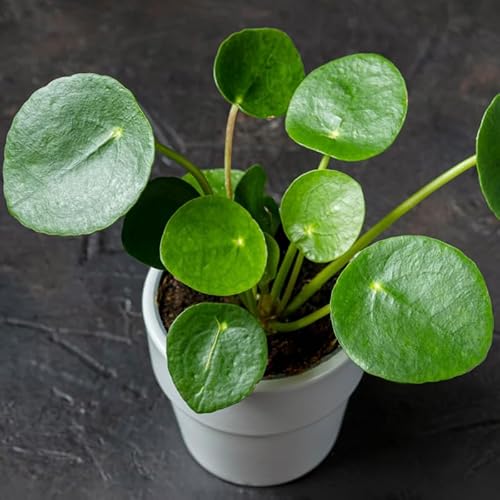
Chinese Money Plant Live in 4'' Inch Pot | Pilea Plant Live | Easy-Care Indoor Houseplant for Apartments, Workspaces & Decorative Pots | Real Plants for Gardening Lovers
REAL CHINESE MONEY PLANT LIVE: Features signature round, coin-like leaves that bring a modern and playful touch to…
As an affiliate, we earn on qualifying purchases.
As an affiliate, we earn on qualifying purchases.