TL;DR

Get your wardrobe favorites delivered free — and shop member deals
- Fast, free delivery on millions of items
- Access to Prime Big Deal Days deals on October 6–7
- Prime Video, Amazon Music and more included
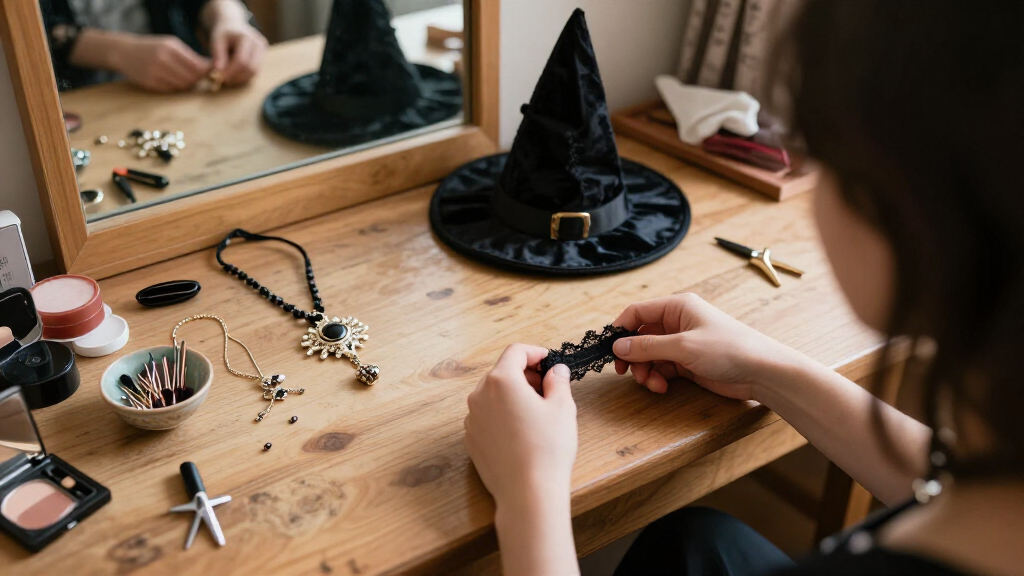
Halloween costume accessories—such as hats, props, makeup, wigs, and jewelry—are the details that make a costume recognizable and complete. Start with one defining item, check comfort and visibility before wearing it, and choose pieces you can reuse after Halloween.
A black shirt, a pointed hat, and a broom can read as a witch before you say a word. That’s the quiet power of Halloween costume accessories: one or two well-chosen details can do more than a bag full of mismatched extras.
You don’t need a complete store-bought outfit to create a recognizable look. A jacket you already own, a bold prop, or a swipe of skin-safe makeup can turn everyday clothes into a character—and leave you comfortable enough to enjoy the party, parade, or chilly walk around the neighborhood.
This guide shows you how to choose defining details, build a costume from what you own, check fit and safety, and shop without surprises. You’ll also find practical ways to reuse your favorite pieces after Halloween, because a good cape shouldn’t disappear into the closet after one night.
Start with one or two signature accessories that make your character recognizable; skip unrelated extras.
Build a fast costume from clothes you own, then add one defining item and one supporting detail.
Test masks, wigs, capes, and props by walking and sitting in the complete outfit before the event.
For online purchases, check measurements, materials, return terms, and whether the listing includes every pictured item; clothing sizes vary by brand.
Choose skin-safe makeup, keep outdoor visibility clear, and store reusable accessories clean and dry.
Choose One Signature Detail That Makes Your Costume Click
Halloween costume accessories make a costume recognizable by giving people a quick visual clue, such as a witch’s hat, a pirate’s eye patch, or a superhero emblem. Begin with one or two defining features, then add only pieces that support the same idea. A strong signature detail acts like a headline: people understand the character at a glance.
For example, a striped shirt and dark trousers can become a pirate outfit with an eye patch, a red bandana, and a lightweight foam cutlass. Add a pirate hat if you want, but you probably don’t need a parrot, a treasure chest, three necklaces, and a dangling chain as well. Too many unrelated accessories muddy the message.
Ask yourself what someone would recognize from across a room. A silver star badge can sell a sheriff; green face paint and a pointed hat can suggest a witch; a pair of novelty ears can turn a plain hoodie into an animal costume. These are the key facts and details that matter most: the accessory should support your theme, fit your clothes, and feel easy to wear.
Try your chosen pieces together before the event. Stand in front of a mirror, then take a quick photo from a few steps away. If the defining item disappears against your outfit, switch its color or position. That small test can save you from discovering at the party that your carefully chosen emblem blends into a dark jacket.
As an affiliate, we earn on qualifying purchases.
Build a Last-Minute Costume From Things You Already Own
You can make a convincing Halloween costume from everyday clothes by choosing a clear theme and adding a distinctive accessory. A hat, cape, scarf, or piece of jewelry often supplies the missing clue. This approach works especially well when you want a festive look without buying a full outfit or spending the evening in something stiff.
Start with the clothes you already like wearing. A striped top, dark pants, and a bandana become the base of a pirate; a plain black outfit and a wand can suggest a magician; a denim jacket, sunglasses, and a bandana can give you a rock-star look. In each case, one focal accessory pulls the pieces into a single character.
Use this quick process when you’re short on time:
- Pick a theme that matches your wardrobe, such as a detective, gardener, or movie star.
- Choose one defining accessory, like a magnifying glass, flower crown, or dramatic sunglasses.
- Add one supporting detail, such as a name badge, scarf, or temporary makeup.
- Test the full outfit by walking, sitting, and checking that your prop stays put.
Say you have ten minutes before a school event. A white shirt, black trousers, a drawn-on mustache made with skin-safe makeup, and a small notepad can suggest a detective. The best DIY choices don’t require perfection; they give people enough clues to join in the fun.
As an affiliate, we earn on qualifying purchases.
Compare Accessories by Comfort, Visibility, and Upkeep
The best accessory for you is the one that fits your costume and stays comfortable through the event. A full-face mask creates an instant transformation, while a headband or face paint leaves more of your face uncovered. Check weight, ventilation, fit over glasses, and how easily you can see and move before settling on a piece.
Consider what the evening involves. A lightweight felt hat may be perfect for a crowded indoor party, while a long cape can catch on chairs or brush against people on a busy sidewalk. A handheld prop adds character, but you’ll want a free hand for a phone, a snack, or a child’s hand. Comfort isn’t a minor detail; it determines whether you’ll still enjoy your costume two hours later.
| Accessory | What it adds | What to check |
|---|---|---|
| Full-face mask | Fast, dramatic character change | Ventilation, eye openings, glasses fit |
| Wig | Color and silhouette | Weight, secure fit, heat |
| Face paint | Flexible detail without a full mask | Skin-safe label and gentle removal |
| Cape | Movement and a bold outline | Length, snagging, secure fastening |
| Light-up accessory | Extra visibility after dark | Battery security and product instructions |
For instance, if you wear glasses, try the mask on with them rather than assuming the eye openings will line up. If a wig feels heavy in the store, it will probably feel heavier after an hour of dancing. Choose the version you can wear happily, not just the one that looks dramatic in a product photo.
As an affiliate, we earn on qualifying purchases.
Shop Online Without Getting Surprised by Size or Quality
Before buying Halloween accessories online, check measurements, materials, age guidance, and exactly what the listing includes. Product photos can hide scale: a prop that looks palm-sized on a model might be too large to carry comfortably, while a hat may sit higher or fit tighter than expected. Read buyer photos and descriptions when available.
Look closely at the fasteners and construction. A wig needs a secure fit; a cape needs a closure that won’t scratch your neck; a plastic prop should have smooth edges and enough flexibility for easy carrying. Costume pieces are often made for occasional use, so inspect seams, small parts, and straps when the parcel arrives rather than waiting until Halloween night.
Pay attention to clothing sizes, too. Sizing varies by brand, and a label alone won’t tell you how a costume layer fits over your own clothes. Compare the listed measurements with a garment you already own, and check the return terms before ordering. That’s especially helpful if you plan to wear a jacket or sweater underneath.
One common online-shopping surprise is buying a complete look based on a photo, only to find the listing includes just the mask. Confirm whether the package contains the pictured gloves, jewelry, or hat, or whether you need to order each piece separately. A quick checklist can prevent an unnecessary rush delivery and a pile of packaging on the kitchen table.
As an affiliate, we earn on qualifying purchases.
Stay Visible and Comfortable When You Wear Your Costume Outdoors
For outdoor Halloween plans, choose accessories that let you see, walk, and be noticed after dark. Reflective details, a small light, or a light-up accessory can help other people spot you, while clear sightlines make it easier to navigate stairs, crowds, and traffic. A costume should add atmosphere, not hide the sidewalk.
Before leaving, walk around your home in the complete outfit. Check whether a mask blocks your peripheral vision, whether a long cape catches under your shoes, and whether you can hear a bicycle bell or someone calling your name. If you carry a prop, choose something lightweight and blunt that won’t block a walkway or be mistaken for a real weapon.
Makeup needs its own comfort check. Use products labeled for skin, read the directions, and patch-test an unfamiliar product before the event. Avoid the eye area unless the product is specifically labeled for it, and remove makeup gently. If you have sensitive skin, a headband, hat, or partial mask may give you the same character cue without covering your face in paint.
Imagine taking a child trick-or-treating on a dim street. A bright accessory or reflective strip on a bag makes the outfit easier to spot, while a mask that leaves the face visible helps the child move safely. Check battery compartments and follow product instructions for any light-up gear. These small checks keep the evening more fun for everyone.
Quick safety check: If an accessory blocks your vision, restricts your movement, or makes it hard to hear what’s around you, adjust it before heading out.
Spend Less by Choosing Accessories You’ll Wear Again
You can stretch a Halloween budget by choosing accessories that work with more than one costume. Neutral gloves, belts, hats, jackets, and capes can support different characters, and everyday-style jewelry may fit into your regular wardrobe. A versatile piece gives you more options without requiring a new full outfit each year.
Think of a black cape as a costume building block. Pair it with a pointed hat for a witch, a silver clasp and dark clothes for a fantasy hero, or a simple mask for a mysterious character. A plain fedora can suggest a detective one year and a magician the next. The trick is to change the supporting details, not to buy an entirely new base every time.
DIY and store-bought pieces can also work together. A shop-bought emblem may anchor a homemade superhero outfit; a thrifted jacket can make a new pair of costume glasses feel like part of a complete character. Trends tied to films, games, and online videos shift from year to year, so choose a recognizable detail you enjoy wearing rather than spending heavily on something you may only want for one season.
After Halloween, clean pieces according to their labels, let them dry fully, and store small parts together in a clear bag or box. Keep makeup closed and props away from heat or damp spaces. When next October rolls around, you’ll find the hat, clasp, and gloves ready to build another look instead of tangled at the bottom of a drawer.
Frequently Asked Questions
What accessories make a costume recognizable?
Start with one or two signature details, such as a witch’s hat, pirate eye patch, superhero emblem, or detective’s magnifying glass. Add supporting pieces only when they strengthen the same theme.
How can I make a last-minute Halloween costume from clothes I own?
Choose a theme that matches your wardrobe, then add one defining accessory and one supporting detail. For example, dark clothes, a hat, and a lightweight prop can suggest a magician without requiring a full costume.
How can I tell whether a mask or wig will be comfortable?
Try it on before the event and check weight, ventilation, straps, vision, and whether it fits over your glasses. Walk and turn your head in it; if it slips or blocks your view, choose a different style.
Is Halloween face paint safe for sensitive skin?
Use products labeled for skin, read the directions, and patch-test unfamiliar makeup before Halloween. Keep it away from the eyes unless the product is specifically labeled for that area, and stop using it if irritation appears.
How can I stay visible while trick-or-treating after dark?
Add reflective details or a small light, and keep masks and props from blocking your view. Check the fit before heading out, especially around stairs, crowds, and roads.
What should I check before ordering costume accessories online?
Review measurements, materials, age guidance, and return terms, and check whether the listing includes every item shown in its photos. Compare clothing measurements with a garment you own because sizing varies by brand.
Conclusion
Remember the simple formula: everyday clothes, one defining accessory, and a quick comfort check. That’s often all you need to create a costume people recognize and you can actually enjoy wearing.
Pick the detail that makes you smile, test it before you head out, and let the rest of the outfit follow. A small hat, bright emblem, or well-loved cape can turn an ordinary October evening into a character’s story.
Halloween Picks
halloween
As an affiliate, we earn on qualifying purchases.