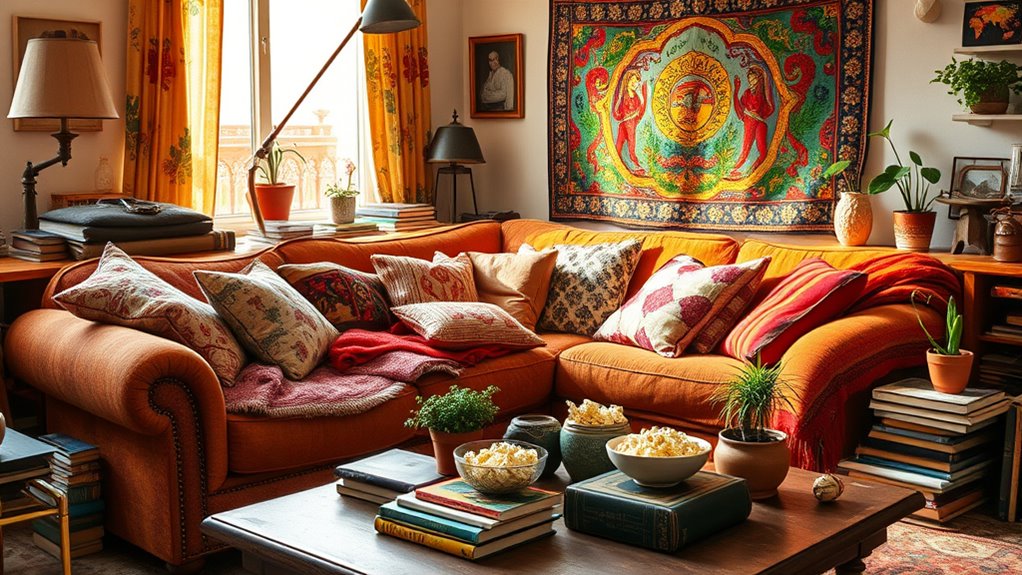

When your partner isn’t a minimalist, finding balance at home means establishing clear boundaries and open communication about each other’s needs. Respect their habits while creating designated spaces for belongings and hobbies. Use storage solutions to keep clutter manageable and schedule regular tidy-up sessions together. Focus on harmony rather than perfection, and understand that small compromises can make a big difference. To discover effective strategies for maintaining a peaceful shared environment, explore more tips below.

Get your wardrobe favorites delivered free — and shop member deals
- Fast, free delivery on millions of items
- Access to Prime Big Deal Days deals on October 6–7
- Prime Video, Amazon Music and more included
Key Takeaways
- Designate specific zones for hobbies or collections to respect individual needs within shared spaces.
- Establish clear boundaries and guidelines for belongings to promote mutual respect and reduce clutter.
- Communicate openly about emotional attachments and decluttering preferences to prevent misunderstandings.
- Use storage solutions like bins and shelves to organize shared areas and maintain a tidy environment.
- Regularly collaborate on tidying routines to foster teamwork, balance, and harmony at home.
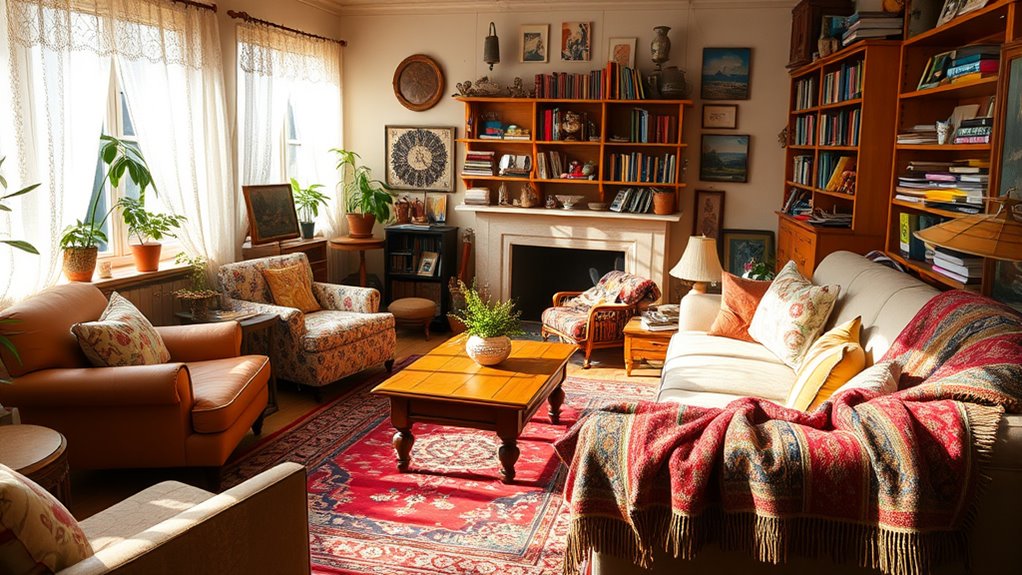
Have you ever felt overwhelmed trying to juggle work, family, and personal time all in one day? When your partner isn’t a minimalist, it can feel like your shared spaces become battlegrounds of clutter, making it harder to find calm amid the chaos. Managing shared spaces requires a balance that respects both your desire for order and their need for comfort with more belongings. Clutter management becomes essential here, not just about tidiness but about creating a living environment where everyone feels at ease. Establishing clear boundaries around belongings can help prevent misunderstandings and foster mutual respect.
Balancing order and comfort in shared spaces fosters harmony and peace at home.
First, recognize that shared spaces are a reflection of your combined lifestyles. Instead of insisting on a strict minimalist approach, consider establishing zones that serve different purposes. For example, designate a specific area for your partner’s hobbies or collections, so their belongings don’t spill into every corner. This way, you honor their needs while maintaining some level of order in the common areas. It’s about creating a compromise that works for both of you, rather than one person’s preferences overpowering the other.
Clutter management begins with honest communication. Talk openly about what each of you considers clutter and how it impacts your daily life. Some items might seem unnecessary to you, but meaningful to your partner. By understanding the emotional value attached to certain possessions, you can approach decluttering with empathy rather than frustration. Together, set clear guidelines for what stays and what gets stored away or donated. This collaborative effort helps prevent resentment and reinforces your partnership.
Implement practical solutions to keep shared spaces functional. Use storage bins, shelves, and organizers to contain belongings neatly. Regularly schedule brief tidy-up sessions—perhaps at the end of each day or week—to prevent clutter from piling up. When everyone contributes, managing shared spaces becomes a team effort, reducing your stress and making your home feel more peaceful. Remember, the goal isn’t perfection but creating a space where both of you feel comfortable.
Finally, give yourself grace. It’s unlikely that your home will ever be completely minimalist if your partner isn’t inclined toward it. Instead, focus on the overall harmony and how your space supports your well-being. Small adjustments, like decluttering high-traffic areas or establishing routines for tidying, can make a significant difference. Finding balance at home isn’t about erasing your partner’s personality but about cultivating a shared environment that respects both your needs and theirs, encouraging a sense of peace amid everyday life. Recognizing and respecting shared space dynamics can lead to a more harmonious living situation.
Frequently Asked Questions
How Can I Gently Encourage Minimalism Without Causing Conflict?
You can gently encourage minimalism by using effective communication strategies and respecting emotional boundaries. Share your reasons for wanting a simpler space without criticizing their habits, and listen actively to their perspective. Offer to declutter together as a team, making it a collaborative effort rather than a confrontation. Respect their comfort zone, and be patient; small, positive changes foster harmony without causing conflict.
What Are Effective Ways to Compromise on Décor Preferences?
Imagine your home as a canvas, waiting for both of your colors to blend. To achieve decor compromise and aesthetic balance, listen actively to your partner’s ideas and share your vision gently. Mix minimal pieces with slightly more decorative items, creating harmony rather than competition. Communicate openly, prioritize shared spaces, and be flexible—this way, your home reflects both your styles, turning chaos into a beautiful, unified masterpiece.
How Do I Handle Sentimental Items My Partner Wants to Keep?
You should respect your partner’s sentimental attachment while addressing emotional clutter. Start by setting a designated space for keepsakes, allowing them to hold onto meaningful items without cluttering the whole home. Encourage periodic decluttering together, focusing on memories rather than objects. Communicate openly about why certain items matter, and find creative ways to honor those memories, like taking photos or creating a scrapbook, so both of you feel valued and understood.
What Strategies Help Maintain a Clutter-Free Space Together?
Oh, surely you’ve mastered the art of magical clutter multiplication? To keep your shared space tidy, delegate responsibilities with a dash of humor and patience. Offer emotional support when your partner clings to sentimental items, reminding them that memories aren’t stored in excess stuff. Regular decluttering sessions, clear boundaries, and mutual respect turn chaos into comfort, making your home a sanctuary instead of a storage unit.
How Can I Respect My Partner’s Habits While Practicing Minimalism?
You can respect your partner’s habits by establishing clear individual boundaries in shared spaces, allowing both of you to feel comfortable. Communicate openly about your minimalist goals and listen to their preferences. Compromise on clutter by designating specific areas for their belongings, while keeping other spaces minimalist. This way, you create a balanced environment where both your habits are valued, fostering harmony and understanding at home.
Conclusion
Striking a balance with a partner who isn’t a minimalist might seem challenging, but it’s entirely possible. Some experts suggest that embracing a little chaos can spark creativity and comfort. By openly communicating and respecting each other’s preferences, you create a home that’s uniquely yours. Remember, research shows that flexible environments often foster happier relationships. So, instead of aiming for perfection, focus on harmony—your shared space is a reflection of your combined lives, not a minimalist showcase.
Evergreen bestsellers Picks
bestsellers
As an affiliate, we earn on qualifying purchases.