Choosing fewer, high-quality tools helps you save money in the long run, as they last longer and perform better. Prioritize durability, materials, and brand reputation over price tags to guarantee reliability. Investing in well-made, versatile tools reduces clutter and frustration, making your workspace more efficient. Focusing on quality rather than quantity allows you to build a sustainable collection that delivers consistent results. Keep exploring to discover practical ways to make smarter tool choices.
Key Takeaways
- Prioritize durable, high-quality tools that perform reliably and last longer, reducing the need for frequent replacements.
- Focus on tools that meet specific needs and industry standards, ensuring better performance and value over time.
- Invest in versatile, well-made tools to minimize clutter and enhance workspace organization and efficiency.
- Conduct thorough research and read reviews to select reputable brands known for durability and long-term performance.
- Emphasize long-term savings and sustainability by choosing fewer, better tools that support consistent quality and reliability.
The Benefits of Prioritizing Quality
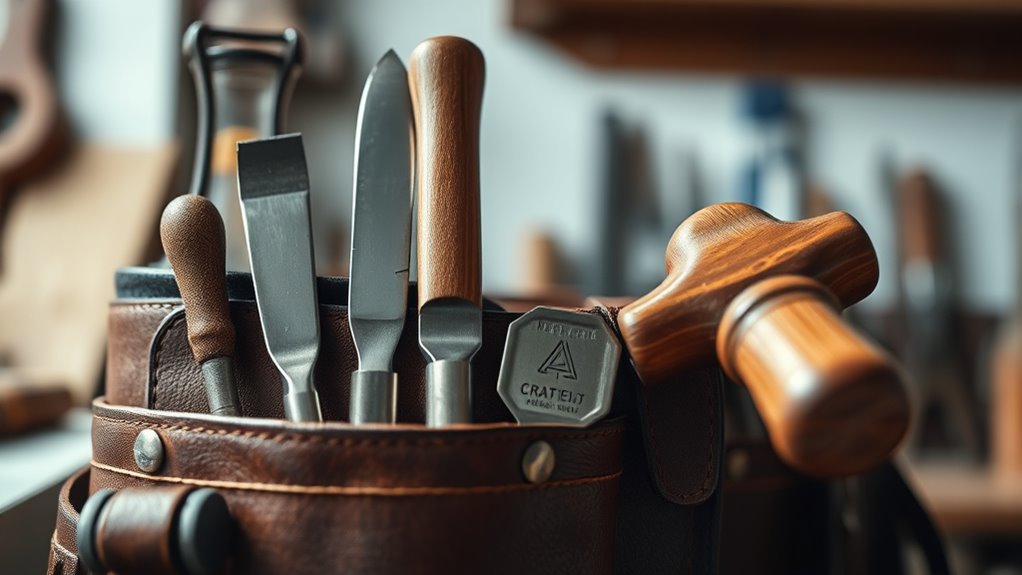
Prioritizing quality over quantity means investing in tools that last longer and perform better. When you choose high-quality tools, you strengthen your brand reputation because reliable tools lead to consistent results. Customers notice durability and efficiency, which often translates into positive reviews. Good reviews boost credibility and attract new clients, reinforcing your reputation as someone who values excellence. Although quality tools may cost more upfront, their longevity reduces replacement costs and downtime. This approach ensures you’re providing top-tier service, minimizing frustrations caused by tool failure. Additionally, understanding the importance of digital literacy can help seniors and caregivers communicate more effectively and safely, especially when utilizing wearable technology like Alzheimer bracelets. Recognizing the significance of sleep and mental health can also improve overall well-being, leading to better focus and productivity. Emphasizing the importance of tool maintenance can further extend the lifespan of your equipment and ensure optimal performance. Incorporating AI-powered tools can also optimize workflows and improve decision-making processes, providing a competitive edge. Furthermore, selecting the right portable camping gear not only enhances your outdoor experience but also demonstrates the value of investing in quality equipment. Ultimately, focusing on quality helps you build trust and loyalty with your customers, creating a positive feedback loop that benefits your reputation over time.
Recognizing True Value in Tools
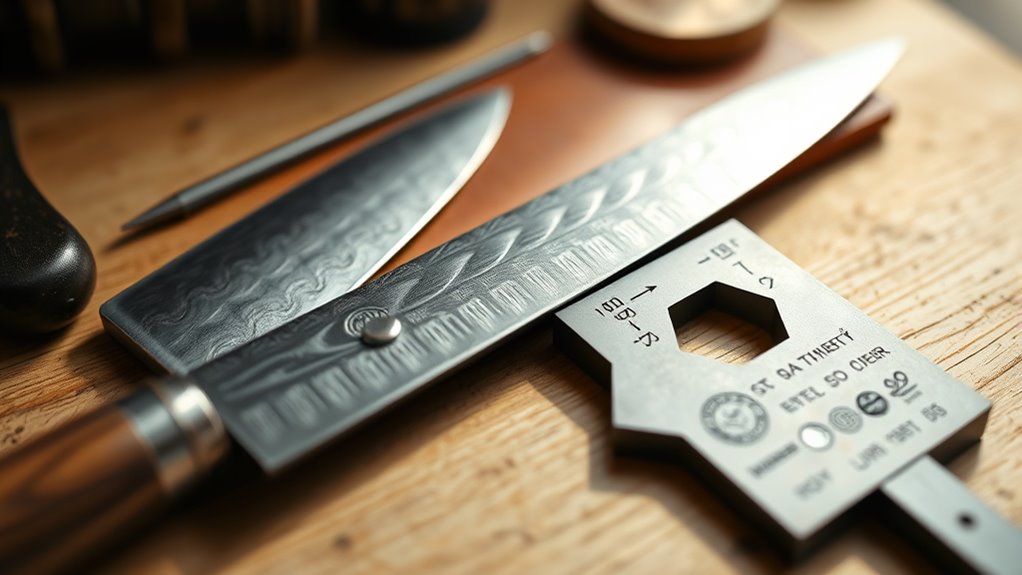
To truly recognize the value in tools, you need to look beyond their price tags and focus on their performance, durability, and how well they meet your specific needs. Consider the brand reputation, which reflects consistent quality and customer trust. Pay attention to material selection, as high-quality materials often lead to longer-lasting tools. Don’t just chase the newest or cheapest option; evaluate the core attributes that determine longevity and reliability. Remember, a well-chosen tool can save you time and money in the long run. Additionally, understanding industry standards and professional endorsements can help guide smarter purchasing decisions. Exploring best-rated tools and reviews can provide further insights into their true value and effectiveness. Being aware of regional bank opening hours can also be beneficial when planning transactions to ensure timely access to financial services. Familiarity with local legal resources can aid in making informed purchasing decisions within your community.
How to Assess Durability and Performance

Evaluating durability and performance starts with closely examining how a tool is built and how it functions during use. Material testing is essential; check for quality materials like hardened steel or impact-resistant plastics. Look for signs of robust construction, such as reinforced joints or solid grips. Performance metrics help you gauge efficiency—consider how well the tool performs tasks, its ease of use, and how quickly it completes jobs. Read reviews or manufacturer data on load capacity, resistance to wear, and longevity. Testing the tool yourself, if possible, provides firsthand insight into its performance. Additionally, inspecting material quality can reveal the tool’s ability to withstand regular use and environmental conditions. Understanding automation technology in tools can also inform you about their potential for increased efficiency and reliability. Analyzing performance data can also guide you toward tools that will last over time. Incorporating data-driven strategies can also help you make more informed purchasing decisions. Moreover, considering the wear resistance of materials ensures the tool maintains its integrity through repeated use.
The Impact of Fewer, Better Choices on Clutter

Having fewer, higher-quality tools naturally reduces clutter because each item serves a clear purpose and performs reliably. When you choose better tools, your minimalist workspace stays organized, making it easier to focus and work efficiently. Clutter reduction becomes effortless, as you no longer need multiple duplicates or cheap, unnecessary items. Instead, your space feels open and peaceful, supporting productivity. Additionally, wall organization systems can further enhance your space by creating visual interest and functionality, helping to keep your tools and essentials neatly arranged. Incorporating organization strategies tailored to your specific needs can maximize the benefits of your improved storage solutions. Implementing quality control measures ensures that only useful and durable items remain, further reducing unnecessary clutter and streamlining your environment. The use of precious metals in investments like Gold IRAs exemplifies how choosing high-quality options can provide stability and confidence in your financial planning.
Investing Wisely: Making Informed Purchases

Making informed purchases guarantees you select tools that truly meet your needs and last over time. To do this, consider your budget constraints and avoid overspending on unnecessary features. Focus on brands with a solid reputation for durability and quality, as they often provide better value in the long run. Research products carefully, reading reviews and comparing options before making a decision. Don’t be swayed by flashy marketing or lower prices that might compromise quality. Instead, prioritize tools that offer reliability and suit your specific tasks. Investing wisely means balancing cost with longevity, ensuring each tool you buy contributes to an efficient, clutter-free workspace. Additionally, understanding product efficacy can help you choose tools that deliver consistent results and maintain their performance. Recognizing the importance of brand reputation can also guide you toward more trustworthy and durable options. Moreover, being aware of market volatility can help you make smarter purchasing decisions during times of economic uncertainty. Staying informed about market trends can further enhance your ability to select tools that will serve you well over time. Paying attention to sustainable materials used in product manufacturing can also ensure your purchases align with eco-friendly practices and promote longevity.
Building a Long-Lasting Tool Collection
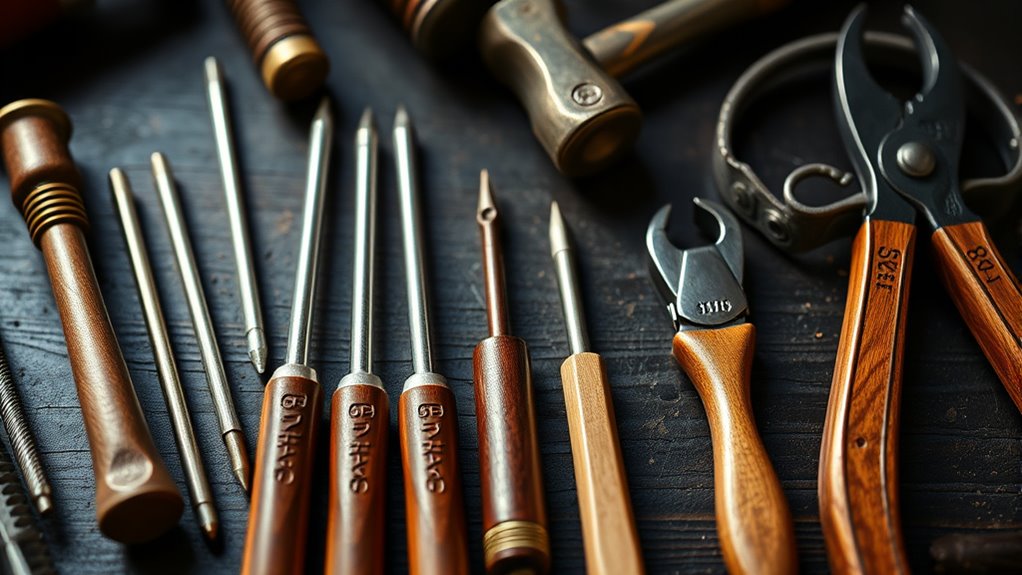
Building a long-lasting tool collection starts with choosing high-quality tools designed to withstand regular use. Focus on reputable brands known for their durability and craftsmanship, which often reflect a strong brand reputation. Proper tool maintenance is essential to prolong their lifespan; clean, oil, and store them correctly after each use. Invest in versatile tools that serve multiple purposes, reducing the need for frequent replacements. Consider the material quality—stainless steel, for example, resists rust and wear. Selecting tools with Durability and reliability ensures they remain functional and valuable over time. By selecting reliable brands and caring for your tools, you ensure they remain functional and valuable over time. Remember, quality tools may cost more upfront, but their longevity saves you money and effort in the long run. Building this collection emphasizes durability, reliability, and smart maintenance habits.
Cost-Effectiveness of Quality Over Quantity
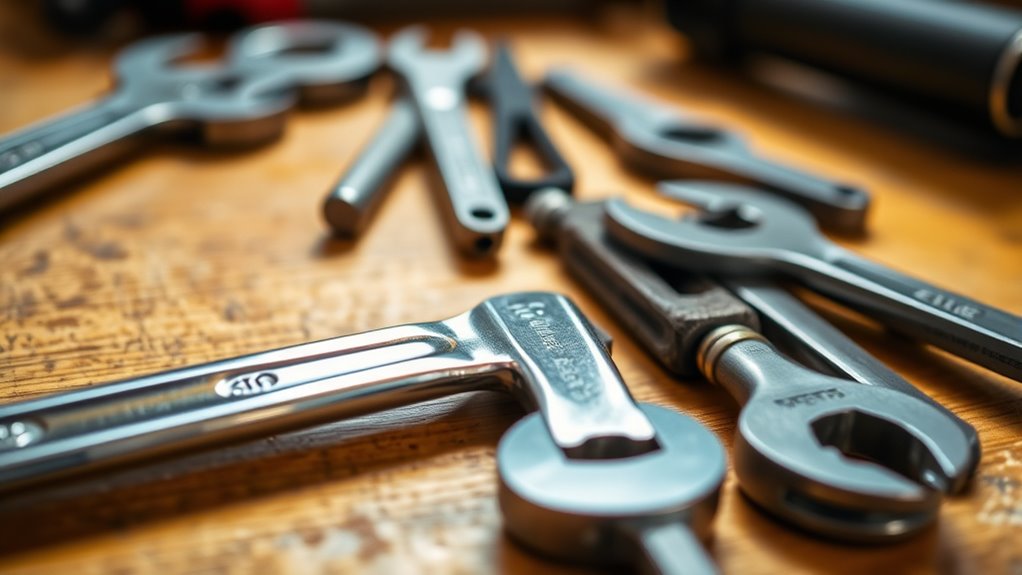
Choosing quality tools saves you money in the long run by reducing the need for frequent replacements. Durable tools last longer and perform better, which means fewer expenses over time. Investing in fewer high-quality items ultimately makes your toolkit more cost-effective and reliable.
Lower Long-Term Expenses
While buying fewer, higher-quality tools might seem more expensive upfront, it often leads to lower long-term expenses. Investing in durable tools reduces the need for frequent replacements and minimizes ongoing costs. Proper tool maintenance extends their lifespan, saving you money over time. Additionally, choosing reputable brands enhances reliability and reduces the risk of breakdowns. Quality tools often require less frequent repairs, lowering repair costs. Over time, the initial investment pays off through durability and efficiency. Remember, well-maintained tools maintain their value longer, and a strong brand reputation ensures you’re getting tools designed for longevity. By focusing on quality, you avoid the cycle of constantly replacing cheap alternatives, ultimately saving money and increasing productivity.
- Fewer replacements mean fewer expenses over time
- Better tool maintenance reduces repair costs
- Reputable brands ensure durability and reliability
- Higher initial investment yields long-term savings
Fewer Replacements Needed
Opting for high-quality tools means you’ll need to replace them less often, saving you money and time in the long run. Better craftsmanship enhances tool longevity, meaning your tools stay functional longer without frequent replacements. This reduces replacement frequency, helping you avoid constant purchases and disruptions to your projects. Investing in quality tools initially may seem costly, but it pays off through fewer replacements over time. Here’s a quick comparison:
| Tool Quality | Tool Longevity | Replacement Frequency |
|---|---|---|
| Low-quality | Short | Frequent |
| Medium | Moderate | Occasional |
| High-quality | Long | Rare |
| Premium | Very long | Very rare |
| Ultimate | Decades | Almost none |
Choosing high-quality tools ensures durability, efficiency, and cost savings in the long run.
Enhanced Product Durability
Investing in high-quality tools offers long-term cost savings because they tend to last much longer than cheaper alternatives. Their enhanced product durability stems from superior material strength and corrosion resistance, ensuring these tools withstand tough conditions. This durability means fewer replacements and repairs, saving you money over time. When selecting tools, consider those made from robust materials that resist wear and corrosion, especially in demanding environments. High-quality tools also maintain their edge and functionality longer, reducing downtime. The investment pays off by providing reliable performance and minimizing the need for frequent upgrades.
- Resists corrosion, even in harsh conditions
- Maintains strength after repeated use
- Reduces the need for frequent replacements
- Ensures consistent performance over time
Practical Tips for Buying Fewer Tools
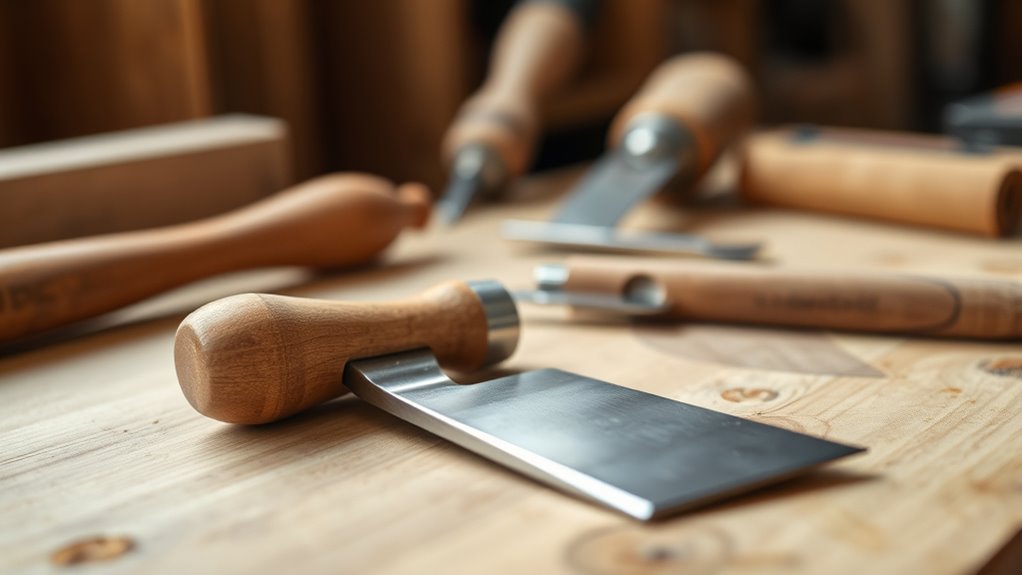
To buy fewer tools that serve you well, start by evaluating your actual needs instead of impulse buying. Consider the projects you frequently tackle and choose tools that align with those tasks. Focus on quality tools that are easy to maintain; proper tool maintenance extends their lifespan and ensures reliable performance. Research brand reputation before making a purchase—trusted brands often offer better durability and customer support, reducing the need for replacements. Avoid clutter by resisting trendy or unnecessary tools that you may rarely use. Instead, invest in versatile, well-made tools that can handle multiple tasks. This approach not only saves money but also minimizes the number of tools you need, making your workspace more organized and efficient.
Cultivating a Mindset Shift Toward Quality

Shifting your focus from quantity to quality begins with a mindset change that values long-term value over short-term savings. To develop this mindset shift, you need to re-evaluate your consumer habits and prioritize tools that last and perform better. Recognize that investing in fewer, better tools saves money and reduces waste over time. Changing your perspective means appreciating craftsmanship, durability, and versatility. It’s about resisting impulse buys and asking whether each tool truly enhances your work or life.
- Focus on the functionality and longevity of tools before purchasing
- Value craftsmanship and materials over fleeting trends
- Consider how a tool fits into your long-term goals
- Cultivate patience to wait for quality options rather than quick fixes
Frequently Asked Questions
How Do I Identify High-Quality Tools From Lesser-Known Brands?
You can identify high-quality tools from lesser-known brands by checking their brand reputation online and reading user reviews. Look for consistent positive feedback about durability, performance, and customer service. Research the brand’s history and warranty policies to gauge reliability. Comparing features and prices also helps. Trust your instincts if reviews highlight real-world experiences, and don’t hesitate to ask for recommendations from trusted sources or professionals in the field.
What Maintenance Routines Extend the Lifespan of Quality Tools?
Keep your tools in top shape by establishing a regular maintenance routine. Clean them after each use, dry thoroughly, and apply rust prevention treatments to prevent corrosion. Store tools properly in a dry, organized space to avoid unnecessary damage. Check for loose parts or wear and tighten or repair as needed. Remember, a stitch in time saves nine, so staying proactive keeps your quality tools working smoothly and prolongs their lifespan.
How Does Tool Quality Influence Safety During Use?
High-quality tools greatly boost your safety during use because they meet strict safety standards and often feature ergonomic design. These tools reduce the risk of accidents by providing better grip, control, and comfort, minimizing fatigue and errors. Investing in quality tools ensures durability and consistent performance, helping you work more safely and efficiently. Poor-quality tools, on the other hand, may break or malfunction, increasing the chance of injury.
Are There Specific Features That Indicate Superior Craftsmanship?
Look for tools with ergonomic design, which reduces strain and enhances safety during use. Superior craftsmanship is also indicated by material durability; high-quality tools are made from tough, long-lasting materials that withstand wear and tear. These features guarantee the tool remains reliable over time, providing better safety and performance. When shopping, prioritize these indicators to get tools that not only work better but also last longer and keep you safer during use.
How Can I Balance Cost and Quality When Shopping on a Budget?
Sure, because spending more always guarantees better quality, right? But you can find budget-friendly options that don’t sacrifice craftsmanship if you look at brand reputation and reviews. Focus on essential features, and don’t get swayed by flashy labels. Sometimes, investing a bit more in a trusted brand pays off, giving you durable tools without breaking the bank. Balance cost and quality by researching and prioritizing what truly matters.
Conclusion
Remember, sometimes less truly is more. Prioritizing quality over quantity means investing in tools that last, perform better, and reduce clutter. By choosing fewer, better options, you save money in the long run and create a more organized space. Don’t forget the saying, “Buy once, cry once.” Focus on making smart, informed purchases, and you’ll build a reliable collection that serves you well for years to come.