

Aromatherapy in your workspace can boost productivity by helping you stay focused, feel calmer, and reduce stress during busy days. Using essential oils like peppermint and lemon can clear mental fog and energize you, while lavender promotes relaxation during tense moments. Creating a calming environment with diffusers or sprays supports mental clarity and mood, making work feel more manageable. Keep exploring, and you’ll discover even more ways scents can transform your workday.
Key Takeaways
- Aromatherapy enhances focus and mental clarity by stimulating the limbic system with oils like peppermint and lemon.
- It reduces stress and promotes relaxation, leading to improved concentration and productivity during work hours.
- Diffusers and portable sprays create a calming, inviting environment that supports positive mood and team dynamics.
- Incorporating aromatherapy is a simple, natural way to boost workplace wellness without major changes.
- Overall, aromatherapy can transform workspaces into more harmonious, efficient environments, fostering better performance.

Aromatherapy has become a popular way to boost productivity and improve mood in the workspace. It’s a simple yet effective method that involves using essential oils to create a more inviting and calming environment. When you incorporate essential oils into your daily routine, you may find that your focus sharpens, stress decreases, and overall workplace wellness improves. These oils, whether diffused in the air or applied topically, can influence your mood and mental clarity, making your workday more manageable and even enjoyable. Incorporating natural elements like aromatherapy aligns with the principles of Free Floating, emphasizing a harmonious connection between environment and well-being. You might wonder how exactly scents can influence your productivity. The answer lies in the power of aroma to stimulate your brain’s limbic system, which governs emotions and memories. When you choose the right essential oils—like peppermint for alertness, lemon for energy, or lavender for relaxation—you set a tone that aligns with your work needs. For instance, diffusing peppermint oil in your office can help clear mental fog and boost concentration, making it easier to tackle complex tasks. Lemon oil, with its fresh and invigorating scent, can energize your mind during sluggish hours. Meanwhile, lavender can promote calmness during stressful moments, helping you maintain a balanced and focused mindset.
Implementing aromatherapy for workplace wellness doesn’t require a major overhaul. You can start by using a diffuser on your desk or in shared spaces to disperse the scent evenly throughout your environment. Alternatively, keeping a small roll-on or spray of your favorite essential oils at your workspace allows for quick, on-the-go application when you need a mental boost. Remember, the key is moderation—overwhelming scents can have the opposite effect and cause headaches or discomfort. Experimenting with different oils and blends helps you discover what works best for your mood and productivity.
Beyond personal benefits, incorporating aromatherapy into your workspace can also foster a more positive atmosphere for colleagues. Pleasant scents can reduce stress levels across a team, encouraging better collaboration and a sense of well-being. As part of your overall workplace wellness strategy, using essential oils isn’t just about individual productivity—it’s about creating a healthier, more balanced environment for everyone. When you embrace this natural approach, you’re not only supporting your mental clarity but also contributing to a more harmonious and inviting workspace. Overall, aromatherapy offers a simple, accessible way to enhance your day, making work feel less like a chore and more like a fulfilling experience.

SALKING Essential Oil Diffuser, 100ml Small Aromatherapy Diffuser with Auto Shut-Off Function, Ultrasonic Diffusers for Essential Oils, Cool Mist Humidifier with Warm White Lights, for Office Home
Compact and Versatile – Our small oil diffuser is designed to be compact and versatile, making it suitable…
As an affiliate, we earn on qualifying purchases.
As an affiliate, we earn on qualifying purchases.
Frequently Asked Questions
Are There Any Safety Concerns With Using Aromatherapy at Work?
Yes, there are safety concerns with using aromatherapy at work. You should be aware of allergic reactions and scent sensitivities, as some scents can trigger headaches, respiratory issues, or skin irritations. Always test new oils in small amounts first and guarantee good ventilation. If coworkers have allergies, consider using diffusers at low settings or opt for scent-free alternatives to create a safe, comfortable environment for everyone.
How Do I Choose the Right Scents for Productivity?
Think of scent selection like tuning a musical instrument—you want harmony, not discord. To boost productivity, choose aromas that match your preferences and stimulate focus, like peppermint or citrus. Trust your aroma preferences, as they influence mood and alertness. Start with small doses and observe how different scents affect your work. Personalizing your scent choices helps create an environment that energizes and enhances your concentration naturally.
Can Aromatherapy Replace Traditional Stress Management Techniques?
Aromatherapy can complement traditional stress management techniques but shouldn’t replace them entirely. It offers a natural way to enhance stress reduction and promote relaxation, making it a useful complementary therapy. You can incorporate calming scents like lavender or chamomile into your routine to support your efforts. However, for effective stress management, combine aromatherapy with other methods like exercise, mindfulness, or professional support to achieve the best results.
Is Aromatherapy Effective for All Types of Work Environments?
Aromatherapy works well in many work environments, but its effectiveness depends on work environment suitability and your scent intensity preferences. If your space allows for subtle, calming scents without causing distractions, you’ll likely see benefits. However, in noisy or highly sensitive settings, strong scents may be disruptive. Adjust the scent intensity to match your preferences, and consider testing different aromas to find what boosts your focus and productivity best.
How Long Do the Effects of Workspace Aromatherapy Typically Last?
The duration effectiveness of workspace aromatherapy usually lasts between 30 minutes to a few hours, depending on the scent and environment. Scent longevity varies based on factors like air circulation and diffuser type. To maximize benefits, you might need to refresh or reapply the scent periodically. Keep in mind that individual responses differ, so monitor how long the effects last for you to adjust your aromatherapy routine accordingly.
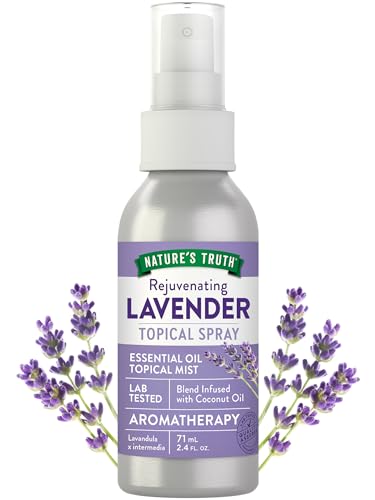
Nature's Truth Lavender Essential Oil Spray | 2.4 fl oz | Room Aroma Mist, Topical Use, & Yoga
REJUVENATING LAVENDER: Immerse yourself in the fresh, floral aroma of this Lavender Mist
As an affiliate, we earn on qualifying purchases.
As an affiliate, we earn on qualifying purchases.
Conclusion
Imagine walking into your workspace and instantly feeling uplifted by a calming lavender scent, like a gust of invigorating air clearing away stress. Just as a gentle breeze can refresh a garden, the right aromatherapy can rejuvenate your focus and boost productivity. Studies show scent can influence mood and performance, proving that a simple diffuser might be your secret weapon. Embrace these aromas, and watch your workspace transform into a haven of clarity and creativity.

Handcraft Blends Peppermint Essential Oil – Huge 4 Fl Oz – 100% Pure and Natural – Premium Grade Essential Oil for Diffuser and Aromatherapy, Skin, Massage, Candle and Soap Making Fragrance
100% PURE & NATURAL PEPPERMINT OIL – Handcraft Blends oils are exactly that! Many oils being sold make…
As an affiliate, we earn on qualifying purchases.
As an affiliate, we earn on qualifying purchases.

UpNature Lavender Essential Oil Pure Roll On – 100% Natural Lavender Oil for Skin
Premium lavender essential oil – 100% pure, gentle, and effective natural lavender essential oil. Free from toxins or…
As an affiliate, we earn on qualifying purchases.
As an affiliate, we earn on qualifying purchases.