
To stay focused in a tech-heavy world, you need to manage digital distractions by creating a clutter-free workspace and limiting notifications. Use time blocking and app blockers to keep tasks on track. Develop habits like scheduled breaks, mindfulness, and device boundaries to strengthen your concentration. Recognizing your triggers and optimizing your environment can make a big difference. Keep going, and you’ll discover more effective ways to reclaim your focus amidst constant digital interruptions.
Key Takeaways
- Minimize digital distractions by turning off non-essential notifications and using focus modes during work sessions.
- Create a clutter-free, ergonomically optimized workspace to enhance concentration and reduce visual noise.
- Implement time management techniques like time blocking and app blockers to structure focused work periods.
- Practice mindfulness and establish routines, such as scheduled breaks and device boundaries, to strengthen attention span.
- Incorporate physical activity and regular digital detoxes to reset mental clarity and combat digital fatigue.

BestSelf Helm Focus Device – Premium NFC-Powered Phone Distraction Blocker Physical App Blocker Tool for Deep Work, ADHD Focus, and Screen-Free Productivity
🔒 Physical Focus, Reclaimed Power – Crafted from solid aerospace-grade brass, Helm transforms your screen time into real…
As an affiliate, we earn on qualifying purchases.
As an affiliate, we earn on qualifying purchases.
Understanding the Impact of Digital Distractions
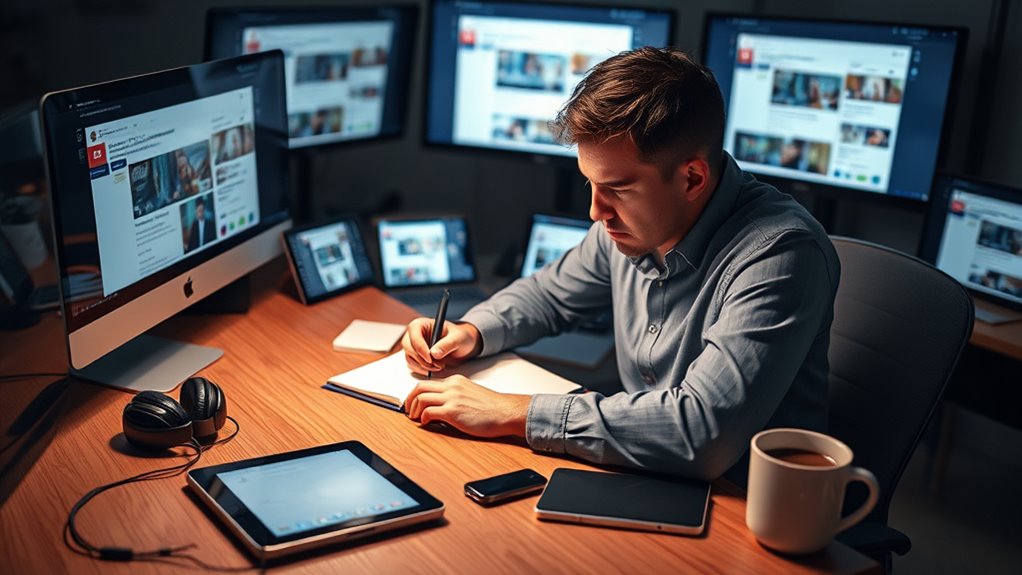
Digital distractions have become an unavoidable part of daily life, often pulling your attention away from important tasks and conversations. Social media is a major culprit, constantly vying for your focus with endless updates and notifications. This persistent influx causes notification fatigue, where your brain becomes overwhelmed by the constant alerts. As a result, your concentration diminishes, and productivity drops. You might find yourself switching between apps or checking your phone repeatedly, even when unnecessary. Over time, this cycle erodes your ability to stay present and engaged in meaningful work or conversations. Recognizing how social media and notification fatigue impact your mental clarity is the first step toward regaining control over your attention. Developing awareness of essential oils for mental clarity can support your focus and reduce stress, aiding in your efforts to stay attentive. Being mindful of your digital habits and setting boundaries can further help minimize their influence. Additionally, understanding the importance of trustworthiness of Patchology when selecting skincare products can encourage more intentional choices, reducing the distraction of unverified products. Understanding these effects helps you develop strategies to minimize their impact. Moreover, just as annuity benefits provide stability in financial planning, establishing structured routines can offer similar security for your mental well-being. Incorporating tools like distraction-blocking apps can also help reinforce your focus and limit unnecessary interruptions.

OPNICE Desk Organizers and Accessories, Computer Monitor Stand Riser with Drawer and 2 Pen Holders, Laptop Stand, Office Desk Accessories & Workspace Organizers for Home Office Supplies, Black
【Ergonomic Design】:OPNICE newly releases the monitor stand for desk organizer! This computer stand elevates your monitor or laptop…
As an affiliate, we earn on qualifying purchases.
As an affiliate, we earn on qualifying purchases.
Identifying Your Personal Distraction Triggers

Understanding what specifically pulls your attention away is essential to managing distractions effectively. Recognizing your personal triggers helps you develop strategies to stay focused. Common distractions include:
- Frequent social media check-ins that break your concentration
- Constant notification alerts from apps and messages
- Boredom or lack of engagement with tasks
- Multitasking, which dilutes your focus
- Environmental cues like noisy surroundings or clutter
Pay attention to when you feel tempted to pick up your phone or check notifications. Are there certain times or activities that trigger these habits? Tracking your behavior can reveal patterns and help you identify which social media platforms or notification habits distract you the most. Once you’re aware of these triggers, you can take targeted steps to minimize their influence. Additionally, understanding the importance of distraction-free environment can help you create a dedicated space that minimizes visual distractions and enhances focus. Creating a distraction-free environment by decluttering your workspace and using tools like screen filters can further support your efforts to maintain concentration and improve productivity. Furthermore, incorporating mindfulness techniques can help you stay present and reduce impulsive checking habits. Developing an awareness of digital habits can also assist in establishing healthier boundaries with technology and reduce overall distraction.

VOCOO Digital Kitchen Timer with 7.8” Extra Large Display, Magnetic, LED with 3 Brightness, 4 Alarms and 3 Volume Levels, Battery Countdown Count Up Timer for Cooking, Classroom, Home Gym (White)
Your Classroom & Kitchen Command Center – Take back control of your teaching or cooking time. The extra-large…
As an affiliate, we earn on qualifying purchases.
As an affiliate, we earn on qualifying purchases.
Creating a Focus-Enhancing Environment

To create a focus-enhancing environment, start by decluttering your workspace to reduce visual distractions. Adjust your lighting and seating for comfort, so you can stay alert and avoid strain. These simple changes can make a big difference in maintaining your concentration. Considering factors like neuroscience insights can further improve your ability to stay focused. Incorporating regular socialization opportunities into your routine can also help enhance mental sharpness and reduce stress. Additionally, optimizing your air quality by minimizing dust and pollutants can support better concentration and overall well-being.
Declutter Your Workspace
A cluttered workspace can easily distract you from your tasks, making it harder to stay focused. To create a focus-enhancing environment, embrace digital minimalism by limiting notifications and closing unnecessary apps. Keep your space tidy and organized to reduce visual noise. Focus on ergonomic design by arranging your desk for comfort and efficiency. Consider these tips:
- Use cable management to prevent tangles
- Keep only essential items within reach
- Designate specific zones for work and personal items
- Regularly discard unused papers or gadgets
- Incorporate minimal decor to avoid visual clutter
- Being mindful of data privacy challenges ensures that your workspace remains secure and free from distractions related to privacy concerns. Additionally, maintaining a safe sleep environment in your workspace can help you stay alert and avoid fatigue during long work hours.
A well-structured workspace also incorporates space and organization principles that promote mental clarity and reduce stress, making it easier to focus on tasks at hand. Understanding the importance of pre-flight checks and equipment maintenance can help you create a safer, more focused workspace. A clean, organized space minimizes distractions and boosts productivity. When your environment is streamlined, it’s easier to maintain focus, especially in a tech-heavy world where digital distractions are constant. A well-decluttered workspace sets the foundation for sustained concentration.
Optimize Lighting & Comfort
An organized workspace sets the stage, but optimizing your lighting and comfort transforms it into a place where focus comes easily. Start by choosing ambient lighting that reduces glare and minimizes eye strain—soft, natural light or adjustable lamps work best. Invest in ergonomic seating to maintain proper posture and prevent discomfort during long periods of work. Adjust your chair height and monitor position so your neck and back stay relaxed. Keep your environment cool and well-ventilated to stay alert. Clear clutter from your desk to avoid distractions. When lighting and comfort are tailored to your needs, you’ll find it easier to concentrate and stay productive, even amid digital distractions. Proper ergonomic setup can significantly enhance your comfort and focus during extended work sessions. Maintaining a secure environment is also essential to ensure your workspace remains free from external disruptions. A comfortable, well-lit space is key to maintaining focus and efficiency, especially as AI-driven tools increasingly support productivity automation techniques. Additionally, incorporating keto-friendly ingredients into your diet can support sustained energy levels, helping you stay alert and focused throughout your work periods.

iClever Noise Cancelling Headphones for Kids Adults, SNR 29dB Safety Noise Reduction Ear Muffs for Autism Sensory &Concentration Aid, Ear Hearing Protection for Fireworks/Event/Monster Truck/Concert
【Exceptional Noise Cancellation】After myriad tests by iClever engineers, we combined the 22mm porous sound-absorbing sponge and custom-made honeycomb…
As an affiliate, we earn on qualifying purchases.
As an affiliate, we earn on qualifying purchases.
Implementing Time Management Techniques

Effective time management techniques are essential for minimizing digital distractions and staying focused on your priorities. One effective approach is time blocking, where you allocate specific periods for different tasks, reducing the urge to multitask. Prioritization techniques help you identify high-impact activities, so you focus on what truly matters. To implement these strategies, consider:
Effective time management minimizes distractions by prioritizing focused, scheduled work periods.
- Creating daily schedules with dedicated time blocks
- Using to-do lists to rank tasks by importance
- Setting clear goals for each work session
- Limiting tasks to prevent overwhelm
- Regularly reviewing and adjusting your priorities
- Incorporating task management strategies like the Pomodoro technique to enhance focus and productivity. Additionally, understanding the basics of water chemistry can help you maintain a balanced and distraction-free work environment by reducing unexpected issues.
Utilizing Technology to Limit Interruptions

To minimize digital interruptions, leveraging technology tools can be highly effective. An app blocker helps you restrict access to distracting apps during focused periods, ensuring you stay on task. You can customize which apps to block and for how long, reducing temptation. Notification control is equally important; by managing alerts, you prevent constant pop-ups that break your concentration. Turn off non-essential notifications or set them to silent, so you’re only interrupted by truly urgent messages. Many devices allow you to create focus modes that automatically limit alerts during work sessions. Using these tools, you regain control over your digital environment, making it easier to concentrate and accomplish tasks efficiently. Incorporating app blockers and notification management into your routine helps you create a distraction-free workspace, even within a tech-heavy world.
Developing Mindfulness and Concentration Habits

You can improve your focus by practicing mindful tech use and establishing routines that boost concentration. Being intentional with your device usage helps reduce distractions and keeps you present. Incorporating focus-enhancing habits into your daily schedule makes it easier to stay engaged and productive.
Mindful Tech Use
In a world filled with constant notifications and digital temptations, cultivating mindfulness when using technology becomes essential for maintaining focus and mental clarity. Practicing digital mindfulness helps you stay present and reduces impulsive device use. Setting clear tech boundaries allows you to control distractions and prioritize meaningful interactions. To develop these habits, consider:
- Turning off non-essential notifications
- Designating specific times for checking devices
- Creating tech-free zones and periods
- Practicing mindful breathing before engaging with screens
- Reflecting on your digital habits regularly
Focus-Enhancing Routines
Developing focus-enhancing routines requires intentionally cultivating mindfulness and concentration habits that support sustained attention. One effective approach is incorporating meditation practices into your daily schedule, helping calm your mind and improve focus. Even a few minutes of mindful breathing can reset your attention span. Additionally, scheduling regular breaks prevents mental fatigue and maintains productivity. During these breaks, step away from screens and engage in quick physical activity or deep breathing exercises. These routines train your brain to stay present and resist distractions. Over time, consistent practice strengthens your concentration, making it easier to stay focused during demanding tasks. By intentionally integrating meditation practices and scheduled breaks into your routine, you build a resilient mental environment that supports sustained attention amid digital chaos.
Frequently Asked Questions
How Can Employers Support Employees in Reducing Digital Distractions?
You can support employees by establishing clear workplace policies that limit non-essential digital use during work hours. Encourage employee accountability through regular check-ins and goal-setting, making sure everyone understands their responsibilities. Providing tools or apps that block distractions helps maintain focus. By fostering a culture of accountability and clear policies, you enable your team to stay engaged and minimize digital distractions effectively.
What Are Effective Long-Term Strategies for Maintaining Focus?
To maintain focus long-term, you should adopt mindfulness practices like meditation to improve concentration and reduce stress. Set clear, achievable goals using goal-setting techniques to stay motivated and organized. Regularly review and adjust your objectives, creating routines that minimize distractions. By integrating mindfulness and goal-setting into your daily habits, you’ll strengthen your focus and resist digital temptations, ensuring sustained productivity in a tech-heavy environment.
How Does Digital Distraction Affect Mental Health and Well-Being?
Digital distraction can negatively impact your mental health by increasing social isolation and causing anxiety escalation. When you’re constantly glued to screens, you may feel disconnected from real-life relationships, leading to loneliness. This persistent distraction can also heighten stress levels, making it harder to relax. To protect your well-being, set boundaries on screen time, prioritize face-to-face interactions, and take regular breaks to reduce anxiety and foster social connections.
Are There Specific Apps for Preventing Smartphone Addiction?
Did you know that over 60% of smartphone users struggle with excessive screen time? To prevent smartphone addiction, you can try app blockers like Freedom or StayFocusd, which limit access to distracting apps. These tools help you set boundaries and monitor your usage, making it easier to stay focused and reduce your screen time. Incorporating such apps into your routine can markedly improve your digital well-being.
How Can Parents Help Children Develop Healthy Tech Habits?
You can help children develop healthy tech habits by setting clear limits on screen time and establishing consistent routines. Use parental guidance to create boundaries, such as tech-free zones or specific times for device use. Encourage outdoor activities, reading, and face-to-face interactions to balance screen time. Regularly discuss the importance of responsible tech use, and model good behavior yourself to reinforce healthy habits effectively.
Conclusion
You might think digital devices are unavoidable, but research shows you can reclaim your focus by setting boundaries and practicing mindfulness. By understanding your distraction triggers and using tools to limit interruptions, you actually boost your productivity. It’s a myth that tech always distracts—when used intentionally, it can enhance your concentration. So, try these strategies and see for yourself: mastering focus isn’t about fighting technology, it’s about managing it wisely.