
The idea that clutter fuels creativity is popular but not universally true. While cultural stories and famous figures link messy spaces to innovation, scientific research shows that too much mess can reduce focus and increase stress. Everyone’s different—some thrive in chaos, others need order. Balancing organization with sparks of inspiration can boost your creative flow. To discover how managing your environment might help or hinder your ideas, continue exploring this fascinating topic.
Key Takeaways
- Scientific research suggests clutter can stimulate creative connections, but excessive mess may hinder focus and productivity.
- Cultural narratives often romanticize messy environments as signs of genius, though individual preferences vary.
- Organized spaces improve concentration and emotional regulation, challenging the idea that disorder always boosts creativity.
- Personal traits influence whether clutter energizes or distracts, emphasizing the need for tailored workspace strategies.
- Balancing clutter and organization fosters both inspiration and focus, debunking the myth that messiness alone fuels creativity.

Logitech G413 SE Full-Size Mechanical Gaming Keyboard - Backlit Keyboard with Tactile Mechanical Switches, Anti-Ghosting, Compatible with Windows, macOS - Black Aluminum
Take your gaming skills to the next level: The Logitech G413 SE is a full-size keyboard with gaming-first...
As an affiliate, we earn on qualifying purchases.
The Origins of the Messy Genius Concept

The idea that messy environments can foster creativity has roots in the notion of the “messy genius.” Many famous innovators and artists, like Albert Einstein and Leonardo da Vinci, thrived in cluttered spaces, suggesting that disorder might actually stimulate thinking and problem-solving. The history origins of this concept trace back to the romanticized view of creative minds working amidst chaos. Culturally, messy spaces have often been perceived as signs of genius, reflecting a focus on ideas rather than order. This perception reinforces the belief that clutter can be a catalyst for innovation, encouraging a view that disorder supports spontaneous insight. While this idea remains popular, it’s rooted in historical narratives and cultural perceptions that celebrate the unconventional environments of renowned creators. Additionally, recent studies on creative environments suggest that individual differences, such as personality traits, may influence how clutter impacts one’s ability to generate ideas. Recognizing the psychological effects of clutter can help clarify when disorder might be beneficial or detrimental to creativity. Moreover, research into environmental psychology indicates that the physical setup of a workspace can significantly affect cognitive processes and creative output. Furthermore, understanding the role of environment in shaping mental states can illuminate when a cluttered space might enhance or hinder creative thinking.

Logitech Z207 2.0 Stereo Computer Speakers with Bluetooth
Versatile setup with speakers that connect easily to computers and other devices via Bluetooth wireless or 3.5mm cable
As an affiliate, we earn on qualifying purchases.
Scientific Studies on Clutter and Creative Output

Recent scientific research explores whether clutter genuinely boosts creativity or if it’s just an appealing myth rooted in cultural stories. Studies in neuroscience findings reveal that clutter may enhance cognitive flexibility, allowing you to think outside the box. However, other research suggests that excessive mess can hinder focus and productivity. The key lies in understanding your personal working style. Moreover, clutter’s impact on brain function may serve as visual cues that stimulate your creative processes, but only when kept within manageable limits.
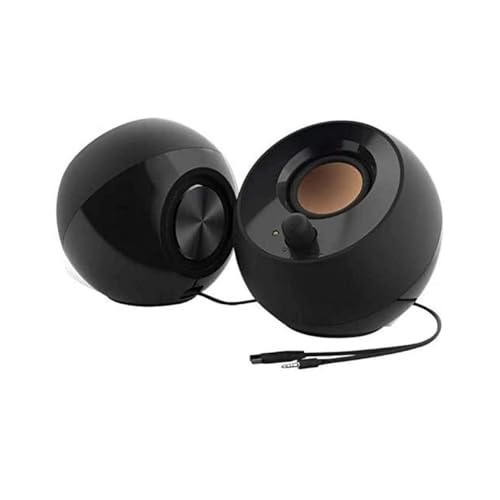
Creative Pebble 2.0 USB-Powered Desktop Speakers with Far-Field Drivers and Passive Radiators for Pcs and Laptops (Black)
Single USB cable for computers and laptops | enjoy a hassle-free Audio experience with a single USB cable...
As an affiliate, we earn on qualifying purchases.
How Environment Influences Creative Thinking

Your environment can considerably impact your creative thinking; clutter can spark creative connections, while organized spaces may help you concentrate. When your surroundings are messy, they might inspire unexpected connections, but a tidy area can sharpen your focus. Understanding personality traits can help you recognize how your environment influences your behavior and creativity. Additionally, incorporating sensory toys into your space can further stimulate your imagination and support emotional regulation. Moreover, embracing AI tools designed for creative work can enhance your ability to generate innovative ideas and solutions. Ultimately, the way your environment is shaped influences how freely your creativity flows. For example, understanding PlayStation support hours can help you plan your leisure time better, ensuring you have the space to relax and think creatively.
Clutter Sparks Inspiration
Clutter often gets a bad rap, but for many creative minds, it serves as a surprising source of inspiration. The visual chaos of a cluttered space can stimulate spontaneous ideas, encouraging your brain to connect unrelated objects and concepts. When your environment is filled with various items, your mind is prompted to see patterns and possibilities that might go unnoticed in a tidy space. The clutter acts as a catalyst for creative thinking, pushing you to explore new angles and solutions. Additionally, maximizing space and organization can help you find a balance that fosters both inspiration and order. Creating a cozy farmhouse bedroom ambiance with warm textiles and vintage decor can further stimulate a relaxed state conducive to creativity. Incorporating performance upgrades into your environment can further enhance your ability to think creatively and work efficiently. Recognizing how different environments influence your creative process can help tailor your space to optimize your inspiration.
Organized Spaces Foster Focus
When your workspace is organized, it becomes easier to concentrate and think creatively. Visual clutter can distract you, making it harder to focus on your tasks or generate ideas. An orderly environment reduces mental noise, helping you achieve mental clarity. When everything has a place, your mind isn’t overwhelmed by unnecessary stimuli, allowing ideas to flow more freely. Clear surfaces and well-arranged tools create a sense of control, boosting your confidence and productivity. This focused environment minimizes interruptions and cognitive overload, enabling you to dedicate your mental energy to creative thinking. Additionally, incorporating proper rug care can help maintain a tidy and inviting space, free of dust and debris. Maintaining an organized space is especially important in high-stress situations like divorce proceedings, where a clear mind can significantly impact your decisions and outcomes. By maintaining an organized space, you set the stage for sharper focus, deeper concentration, and more innovative ideas to emerge effortlessly. Moreover, a clutter-free environment supports mental clarity, which is essential for generating new ideas and problem-solving effectively. Research on AI security highlights the importance of vigilant monitoring and safety measures to maintain a trustworthy environment. Creating a clutter-free zone can also reduce stress levels, allowing your mind to work more efficiently.
Environment Shapes Creativity
A well-designed environment doesn’t just support focus—it can ignite your creative thinking as well. Your surroundings significantly impact your mental clarity and the environmental influence on your ideas. A clutter-free space with inspiring visuals can boost innovation, while a chaotic environment might stifle it. To enhance your creativity, consider these factors:
- Natural light to energize your mind
- Organized workspaces to reduce distractions
- Personal touches that inspire you
- Quiet zones for deep thinking
- Green plants to foster calmness and focus
Your environment shapes how freely you generate ideas; a thoughtfully curated space amplifies your creative potential. When your surroundings promote mental clarity, you access the ability to think outside the box and develop innovative solutions effortlessly. Additionally, understanding market research strategies can help when reorganizing your financial environment post-divorce, ensuring a more stable and focused future. Incorporating clutter management techniques can further enhance your creative space, leading to better mental clarity and productivity.
Furthermore, integrating self watering plant pots into your environment can create a soothing and inspiring atmosphere that encourages sustained focus and creativity.

Computer Speakers for Desktop PC Monitor, USB Plug-in, Wired, Computer Soundbar for PC, Laptop Speakers with Adaptive-Channel-Switching, Loud Sound, Deep Bass, USB C Adapter, Easy to Clip on Monitor
[COMPATIBLE WITH USB DEVICES] - Our USB Speakers are compatible with Windows, macOS, ChromeOS, and Linux, making them...
As an affiliate, we earn on qualifying purchases.
The Psychological Effects of Mess and Order

The state of your environment can considerably influence your mental well-being, as mess and order trigger distinct psychological responses. A cluttered space may increase stress and hinder emotional regulation, while an organized setting can promote calmness and focus. Your surroundings affect how you approach tasks and manage emotions, impacting your overall mental health.
| Messy Environment | Organized Environment |
|---|---|
| Overwhelms your senses | Calms your mind |
| Hampers mindfulness practices | Enhances focus |
| Causes emotional distress | Promotes emotional regulation |
Personal Preferences: Embracing or Avoiding Clutter

Personal preferences heavily influence whether you thrive in clutter or find comfort in order. Your sense of personal comfort and aesthetic preferences shape how you organize your space. If you enjoy a lively, eclectic environment, clutter may energize you. Conversely, if you prefer calm and minimalism, order helps you feel centered. Consider these factors:
- Your emotional response to mess versus neatness
- The type of environment that sparks your creativity
- How clutter impacts your focus and stress levels
- Your daily routines and organizational habits
- The visual harmony that aligns with your aesthetic preferences
Ultimately, embracing what feels right for you creates a space that supports your well-being and productivity. Personal comfort guides whether clutter energizes or overwhelms you, making it essential to honor your unique style.
Strategies for Balancing Organization and Inspiration

Finding the right balance between organization and inspiration starts with understanding how your environment affects your creativity. To cultivate this balance, consider implementing regular digital detoxes to reduce distractions and clear mental space. Setting aside time away from screens helps you reconnect with your inner thoughts and sparks fresh ideas. Additionally, incorporate mindfulness exercises into your routine, such as deep breathing or brief meditation sessions, to stay present and focused. These practices can help you declutter your mind, making it easier to find inspiration without feeling overwhelmed by physical mess. Organize your workspace in a way that promotes clarity, but leave room for spontaneous creative moments. By intentionally managing your environment, you foster a state where inspiration flows naturally alongside order.
Expert Opinions on Clutter’s Role in Creativity

Experts often debate whether clutter hinders or helps creativity, with some arguing that a messy environment can stimulate innovative thinking. These advocates believe that creative chaos sparks new ideas and keeps your mind agile. However, many researchers challenge clutter myths, emphasizing that excessive mess can become distracting rather than inspiring. They suggest that a balanced approach fosters productivity without overwhelming you.
Consider these insights:
- Creative chaos may boost spontaneous thinking but can also cause stress.
- Clutter might serve as visual stimuli, encouraging new connections.
- Too much mess risks reducing focus and increasing anxiety.
- Organized spaces support clarity, allowing ideas to flow easily.
- Experts agree that environment impact varies based on individual preferences and tasks.
Ultimately, understanding your personal work style helps you determine if clutter fuels or hampers your creative process.
Practical Tips for Creating a Creative Workspace

To boost your creativity, start by designating a specific zone for your work, so your mind associates that space with inspiration. Keep essential supplies nearby to avoid interruptions and stay focused. Regularly declutter and organize your workspace to maintain a fresh environment that sparks new ideas.
Designate a Specific Zone
Creating a dedicated zone for your creative work helps you mentally switch into an inspired mindset and minimizes distractions. When you designate a specific zone, you signal to yourself that it’s time to focus. To keep this space effective, consider these tips:
- Label your workspace clearly to reinforce its purpose
- Keep only essential tools within easy reach
- Use distinct decor or color schemes to differentiate it
- Limit clutter by organizing supplies regularly
- Establish boundaries to prevent interruptions
Keep Essential Supplies Close
Having your supplies within arm’s reach keeps your creative flow uninterrupted. Keep essential supplies—pens, brushes, notebooks, or tools—close by so you don’t waste time searching. This practice supports clutter management by preventing your workspace from becoming chaotic. When everything you need is organized and accessible, you stay focused and inspired. Use small containers or trays to keep frequently used items tidy and within easy reach. Regularly assess your essentials, removing anything unnecessary to maintain a streamlined setup. Having a designated spot for these supplies helps reduce clutter and mental distraction, allowing your ideas to flow freely. Remember, a well-organized workspace with essential supplies nearby encourages productivity and sparks creativity without the mess.
Regularly Declutter and Organize
Regularly decluttering and organizing your workspace keeps your creative energy flowing freely. A tidy environment promotes focus and inspires fresh ideas. Incorporate minimalist design principles by removing unnecessary items and keeping only what sparks joy or serves a purpose. Don’t forget digital decluttering—delete unused files and organize folders to reduce mental clutter. To stay on top of your space, try these practical tips:
- Clear your desk daily to prevent buildup
- Use storage solutions to contain supplies
- Limit decorative items to avoid distraction
- Create designated zones for different tasks
- Schedule weekly decluttering sessions
Frequently Asked Questions
Can Clutter Actually Enhance Specific Types of Creative Work?
Yes, clutter can enhance certain creative work by providing visual chaos and sensory stimulation that sparks your imagination. When your workspace is intentionally messy, it encourages free thinking, helping you connect ideas more freely. The sensory overload of clutter can also boost your focus and creativity, especially in artistic or brainstorming tasks. Embracing a controlled level of mess might just release new insights and inspiration you wouldn’t find in a pristine environment.
How Do Cultural Differences Affect Perceptions of Clutter and Organization?
You’ll find that cross-cultural perceptions of clutter and organization vary widely, shaped by different organizational norms. In some cultures, a cluttered space signals creativity and openness, while others see it as chaos. Recognizing these differences helps you understand that what’s considered disorganized in one culture might be seen as functional or even inspiring in another. Embracing these diverse views can foster more flexible, culturally aware approaches to workspace organization.
Are There Age-Related Differences in Comfort With Clutter for Creativity?
Like Picasso’s studio, your comfort with clutter can shift with age. Younger generations often see mess as a creative playground, embracing chaos and spontaneity. Older adults may prefer neatness, valuing order and clarity. These age-related preferences mirror generational attitudes toward organization, shaping how you view clutter’s role in fostering or hindering your creativity. Recognizing this can help you create spaces that inspire at any age.
Does Digital Clutter Impact Creative Productivity Similarly to Physical Mess?
Digital clutter can impact your creative productivity just like physical mess. When you face digital overload, it creates mental chaos, making it harder to focus and generate ideas. Clearing out unnecessary files, emails, and notifications helps reduce this chaos. By organizing your digital workspace, you can restore clarity, boost your creativity, and work more efficiently. Remember, a tidy digital environment fosters a clearer mind and sparks innovative thinking.
Can Decluttering Routines Hinder Certain Creative Processes?
Decluttering routines can sometimes hinder your creative processes if they remove essential elements that foster mental clarity. Embracing chaos theory suggests that a certain level of disorder sparks innovation by encouraging unexpected connections. If you overly tidy, you might stifle this creative chaos, reducing inspiration. Balance is key—maintain a workspace that promotes mental clarity without erasing the beneficial chaos that fuels your ideas and originality.
Conclusion
So, next time your workspace looks like a tornado hit, remember—you’re just a misunderstood genius in disguise. Clutter might just be your secret sauce for brilliance, or maybe it’s chaos pretending to be creativity. Either way, don’t stress too much—after all, who needs order when you can have a messy masterpiece? Embrace the madness, because in the end, it’s only clutter if you say so. Stay creatively chaotic!