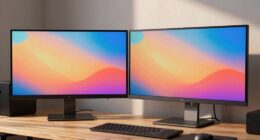
In your workspace, warm tones like reds and oranges can boost energy, encourage collaboration, and create an inviting atmosphere, but overusing them might cause agitation. Cool tones such as blues and greens promote calm, focus, and trust, making them ideal for quiet or concentration zones. Balancing these colors helps shape a productive environment aligned with your goals. To understand how color psychology can transform your space further, explore the nuances behind these calming and energizing effects.
Key Takeaways
- Warm tones like reds and oranges boost energy, enthusiasm, and social interaction in workspaces.
- Cool tones such as blues and greens promote calmness, focus, and trust, ideal for concentration zones.
- Combining warm and cool colors strategically enhances collaboration areas and quiet workspaces.
- Color psychology guides selecting tones that align with desired moods, like creativity or relaxation.
- Proper color choices improve morale, productivity, and overall well-being by influencing behavioral responses.

Colors play a powerful role in shaping the atmosphere of your work environment, influencing mood, productivity, and even behavior. When considering workspace design, understanding color psychology becomes essential. The colors you choose can energize your team or create a calming space that fosters focus. Warm tones like reds, oranges, and yellows are known to stimulate activity and enthusiasm. They can make a workspace feel inviting and energetic, encouraging collaboration and quick thinking. However, they can also be overwhelming if overused, leading to feelings of agitation or stress. Incorporating warm colors thoughtfully helps set a lively tone without sacrificing comfort, especially in areas meant for brainstorming or social interaction.
Warm colors energize workspaces but should be used thoughtfully to avoid stress and agitation.
On the other hand, cool tones such as blues, greens, and purples promote a sense of calm and concentration. These colors are often favored in environments where focus and clarity are critical, like in offices requiring deep work or in spaces meant for detailed tasks. Blue, in particular, is associated with trust and professionalism, making it a popular choice for corporate settings. Green, with its connection to nature, can reduce anxiety and refresh the mind, fostering a balanced work mindset. Cool tones tend to create a serene atmosphere that encourages sustained attention and minimizes distractions, making them ideal for quiet zones or individual workspaces. Additionally, understanding the energy-efficient qualities of certain colors can help optimize your workspace’s sustainability and comfort.
When planning your workspace design, balancing warm and cool tones can optimize the environment for different activities. For instance, using warm colors in collaboration areas can energize employees, while deploying cooler shades in focused work zones can help maintain concentration. Think about how the psychology of color influences not just aesthetic appeal but also behavioral responses within your team. A well-designed environment that considers these principles can boost morale, enhance productivity, and promote well-being. Remember, the key isn’t just choosing colors based on personal preference but aligning them with the desired atmosphere and function of each space.
Ultimately, your choice of warm versus cool tones should reflect your goals for the workspace. Do you want to inspire creativity and excitement? Or do you need a calm, disciplined environment? By understanding color psychology and integrating it into your workspace design, you can craft a work setting that positively impacts everyone who steps through the door. The right color palette isn’t just about looks; it’s about creating an environment that supports the behavior and mindset you want to cultivate.

Logitech G413 SE Full-Size Mechanical Gaming Keyboard - Backlit Keyboard with Tactile Mechanical Switches, Anti-Ghosting, Compatible with Windows, macOS - Black Aluminum
Take your gaming skills to the next level: The Logitech G413 SE is a full-size keyboard with gaming-first...
As an affiliate, we earn on qualifying purchases.
Frequently Asked Questions
How Do Cultural Differences Influence Color Perception at Work?
Cultural differences heavily influence your perception of color at work through cultural color symbolism and cross-cultural color preferences. You might associate red with luck in China, but see it as warning in Western cultures. Recognizing these differences helps you communicate effectively and create inclusive work environments. By understanding diverse cultural meanings, you can choose colors that resonate positively with everyone, fostering better collaboration and understanding across cultural boundaries.
Can Color Choices Impact Employee Productivity Long-Term?
Color choices definitely impact your employees’ productivity long-term. For example, a tech company that adopted blue tones reported improved focus and calmer workplace ambiance. This illustrates how color psychology influences mood and efficiency. Consistently using colors that promote concentration, like cool shades, can foster a positive work environment and boost performance over time. So, selecting the right colors isn’t just aesthetic—it’s a strategic move for ongoing productivity.
Are There Specific Colors Best Suited for Creative Versus Analytical Tasks?
For creative tasks, you should choose vibrant colors like yellow or orange, which stimulate inspiration through color therapy and boost your mood regulation. For analytical tasks, opt for cool tones like blue or green, known to enhance focus and calmness. These color choices help you optimize your environment, aligning with how different hues influence your mood and productivity, making your work more effective.
How Does Individual Personality Affect Color Preferences in the Workplace?
Your personality traits influence your color selection in the workplace. If you’re more extroverted and energetic, you might prefer bold, warm tones like reds and oranges that boost motivation. Conversely, if you’re introverted and focused, cool colors like blues and greens can promote calmness and concentration. Recognizing your personality traits helps you choose colors that enhance your productivity and comfort, creating a workspace that aligns with your natural tendencies.
What Are the Psychological Effects of Monochrome Versus Multicolored Workspaces?
A monochrome workspace creates an environment of calm and focus, fostering monochrome harmony that minimizes distractions. It promotes color consistency, helping you stay organized and serene. In contrast, a multicolored workspace ignites creativity and energy, stimulating your mind with vibrant diversity. While monochrome setups soothe your nerves, multicolored environments energize your spirit. Your choice shapes your mood and productivity, making your workspace a reflection of your desired mental state.

XPPen Drawing Tablet with Screen Full-Laminated Graphics Drawing Monitor Artist13.3 Pro Graphics Tablet with Adjustable Stand and 8 Shortcut Keys (8192 Levels Pen Pressure, 123% sRGB)
PLEASE NOTE:XPPen Artist13.3 Pro drawing tablet Need to connect with computer,you need to use it with your computer...
As an affiliate, we earn on qualifying purchases.
Conclusion
Now that you understand how warm and cool tones influence your mood and productivity, you’re equipped to craft the perfect workspace. Choosing the right colors isn’t just a small detail—it can transform your entire work experience, making it feel like a sanctuary or a powerhouse of creativity. So, don’t underestimate the power of color; it’s like having a secret weapon for success. Get creative, and watch your environment work magic on your mindset!

XPPen Updated Deco 01 V3 Drawing Tablet-16384 Levels of Pressure Battery-Free Stylus, 10x6 Inch OSU Graphic Tablet, 8 Hotkeys for Digital Art, Teaching, Gaming Drawing Pad for Chrome, PC, Mac, Android
Word-first 16K Pressure Levels: The upgraded stylus features 16,384 levels of pressure sensitivity and supports up to 60...
As an affiliate, we earn on qualifying purchases.
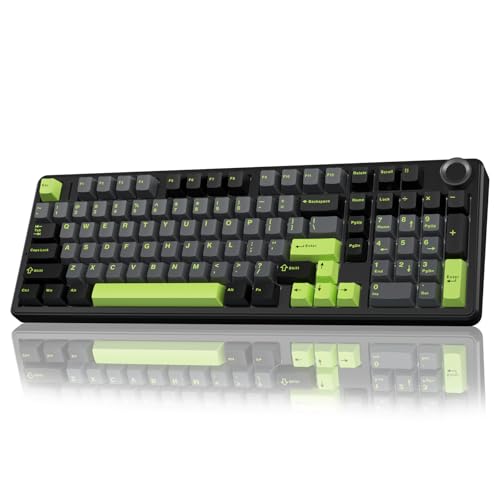
AULA F99 Pro Wireless Mechanical Keyboard with Knob,Creamy Sound,Tri-Mode BT5.0/USB-C/2.4GHz Hot Swappable Keyboard,Gasket Structure,RGB Backlit Computer Gaming Keyboards
Multi-Device Connection: AULA F99 Pro wireless mechanical keyboard provides three connection methods, including BT5.0, 2.4GHz wireless mode, and...
As an affiliate, we earn on qualifying purchases.