

Focusing on one task at a time, or monotasking, actually makes you more productive and mentally clear than multitasking. When you switch between tasks, your brain drains energy and gets overwhelmed, leading to mistakes and stress. By dedicating your attention fully, you improve accuracy, stay calmer, and complete tasks faster. If you’re curious about how adopting monotasking can transform your work and well-being, learn more about proven tools and strategies that support this powerful habit.
Key Takeaways
- Monotasking enhances focus and productivity by allowing full attention on one task at a time, reducing errors.
- Multitasking divides mental energy, increases mistakes, and hampers mental clarity and emotional resilience.
- Focusing on a single task minimizes cognitive overload and mental fatigue, leading to better work quality and well-being.
- Monotasking supports mindfulness and presence, improving mental clarity and reducing stress levels.
- Practical tools like website blockers and dedicated routines facilitate sustained attention and effective monotasking.

YIMI Multi Focus Progressive Multifocal Reading Glasses for Men Women Lightweight Blue Light Blocking 3 Powers in 1 No Line Computer Readers UV Protection Eyeglasses Anti Glare Eye Strain Eyewear
❤HEALTHFUL AND COMFORTABLE PROGRESSIVE MULTUFOCUS READING GLASSES: Block 90% of the harmful blue light; Full frame reading glasses,…
As an affiliate, we earn on qualifying purchases.
As an affiliate, we earn on qualifying purchases.
The Myth of Multitasking’s Efficiency

Many people believe that multitasking boosts productivity, but research shows otherwise. When you try to juggle multiple tasks, you split your attention, which actually hampers efficiency. This is a common misconception, part of the multitasking myths that suggest you can do several things at once without losing focus. In reality, your brain cannot fully concentrate on two tasks simultaneously, leading to divided attention and increased errors. Constantly switching between tasks drains mental energy and reduces overall effectiveness. Instead of saving time, multitasking often prolongs completion and diminishes quality. Recognizing these multitasking myths helps you understand that focusing on one task at a time isn’t just better for your mental clarity but also for producing high-quality work efficiently. Studies on cognitive limitations reveal how the brain struggles with simultaneous task management. Additionally, vacuums designed for specific surfaces or tasks exemplify the importance of targeted approaches over multitasking, illustrating that specialization often yields better results.
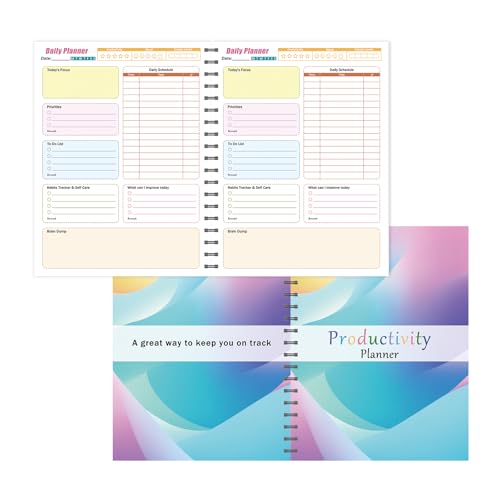
ADHD Daily Planner for Neurodivergent Adults,Productivity Daily Planner,200 Pages Daily To Do List for Work & Personal Life,Task Management Organizer Self-Cares,Weekly Schedule,Brain Dump to Stay Organized and Focused-12 x 8 inches
Focus on productivity planning: This productivity planner is designed to help you control of your daily planner, whether…
As an affiliate, we earn on qualifying purchases.
As an affiliate, we earn on qualifying purchases.
How Monotasking Enhances Focus and Productivity

Have you ever noticed how much more you accomplish when you focus on just one task at a time? Monotasking boosts your focus and productivity by encouraging mindful awareness. When you give full attention to a single task, you reduce errors and improve quality. Incorporating task batching helps you dedicate specific blocks of time to similar activities, minimizing context switching. This approach keeps your mind engaged and prevents the mental fatigue caused by jumping between tasks. As you concentrate on one thing, your efficiency increases, and you become more immersed in the work. Over time, this practice builds better focus habits, making it easier to stay present and productive. Additionally, practicing mindfulness techniques can further enhance your ability to concentrate on a single task, leading to more effective outcomes. Embracing intentional focus helps to cultivate a calm, distraction-free environment that supports sustained attention. Monotasking isn’t just about doing less; it’s about doing more with clarity and purpose.

Mindfulness & Guided Sleep Meditation
Meditation to improve focus
As an affiliate, we earn on qualifying purchases.
As an affiliate, we earn on qualifying purchases.
Scientific Evidence Supporting Single-Tasking

Scientific studies show that single-tasking boosts your cognitive performance and helps you think more clearly. When you focus on one task, your error rates decrease, making your work more accurate. Additionally, research indicates that your ability to stay focused improves over longer periods when you avoid multitasking. Incorporating attention span into your daily routine can further enhance your concentration and overall sleep quality. Engaging in activities that foster digital literacy can also support sustained focus and mental clarity. Understanding how self watering plant pots work can serve as a practical example of the benefits of focused attention, as tending to them requires consistent and mindful care.
Improved Cognitive Performance
Research consistently shows that focusing on a single task enhances your cognitive performance. When you concentrate on one activity, your brain experiences less cognitive load, allowing for better information processing and retention. This focused attention promotes brain plasticity, strengthening neural connections relevant to the task. Scientific studies reveal that monotasking improves memory, problem-solving, and learning efficiency. By reducing distractions, your brain can allocate resources more effectively, leading to sharper thinking and faster decision-making. Additionally, engaging in a single task helps prevent cognitive overload, which can impair productivity and mental clarity. Incorporating mindful attention management techniques further supports sustained focus and mental clarity. Moreover, understanding the importance of AI safety measures can help individuals and organizations maintain focus on developing secure and trustworthy technologies.
Reduced Error Rates
Did you know that multitasking often leads to more mistakes than focusing on a single task? When your attention is split, your chances of making errors increase considerably. Scientific studies show that error reduction happens when you dedicate yourself to one task at a time, as it allows for greater accuracy improvement. Monotasking minimizes distractions, helping you process information more thoroughly and avoid common mistakes caused by divided attention. This focused approach ensures you’re less likely to overlook details or misinterpret data, leading to more precise results. Additionally, understanding the role of contrast ratio in visual clarity highlights how single-task focus can enhance the perception of detail and image quality. Recognizing the importance of focused attention in reducing mistakes emphasizes the benefits of monotasking. By reducing errors, you save time correcting mistakes later and improve overall quality. Moreover, local laws regarding the process can influence how effectively you can concentrate on your tasks during important work phases. Incorporating principles of cognitive load management can further optimize your ability to stay focused. Research on credit card security underscores that implementing robust security measures can prevent costly errors and breaches. Embracing single-tasking isn’t just about efficiency; it’s a proven method to enhance your work’s accuracy and reliability.
Enhanced Focus Duration
When you focus on a single task, your attention naturally stays engaged for longer periods, allowing you to achieve deeper concentration. Scientific studies show that monotasking improves your attention span and boosts focus stamina over time. By dedicating yourself to one thing, you reduce mental switching, which conserves cognitive energy. This sustained focus leads to better information retention and task mastery. Additionally, mental switching can increase cognitive load, making it harder to maintain consistent focus. Emphasizing focused attention helps in developing better mental endurance and resilience against distractions. Research indicates that cognitive effort is optimized when tasks are performed sequentially rather than simultaneously. Practicing monotasking also helps build mental endurance, enabling you to stay focused for longer durations without fatigue. Recognizing the importance of attention management can further enhance your ability to concentrate effectively.

for Desk Create a Productive and Distraction Free Workspace
1:Desk partitions have a variety of installation options, efficient and convenient installation, easy disassembly, no deformation or bending,…
As an affiliate, we earn on qualifying purchases.
As an affiliate, we earn on qualifying purchases.
The Impact of Multitasking on Mental Clarity and Stress

Multitasking might seem like an efficient way to get more done, but it often comes at the expense of your mental clarity and overall stress levels. When you switch between tasks rapidly, your mind struggles to maintain mindful awareness, making it harder to stay present and focused. This constant juggling depletes your emotional resilience, leaving you more vulnerable to frustration and anxiety. As your brain works overtime to process multiple streams of information, stress builds up, impairing your ability to think clearly. Over time, this cycle diminishes your mental sharpness and heightens feelings of overwhelm. Additionally, frequent task-switching can interfere with your ability to use headphones effectively, disrupting concentration and flow. By focusing on one task at a time, you allow your mind to breathe, fostering greater clarity and resilience, and reducing unnecessary stress.
Practical Strategies to Cultivate Monotasking Habits

To build strong monotasking habits, start by clearly prioritizing your daily tasks so you know what truly matters. Removing distractions like notifications or noisy environments helps you stay focused on one task at a time. With consistent practice, these strategies make monotasking your natural approach to work and life. Incorporating mindset shifts that emphasize quality over quantity can further reinforce your ability to stay present and engaged.
Prioritize Daily Tasks
Prioritizing your daily tasks is essential for building effective monotasking habits. By focusing on what truly matters, you enhance your time management and reduce overwhelm. Start each day by identifying your top priorities and ranking tasks accordingly. Use task prioritization to determine what demands immediate attention and what can wait. This approach helps you stay committed to one task at a time, improving quality and efficiency. Consider this table to refine your task prioritization:
| Urgent & Important | Non-Urgent & Important |
|---|---|
| Address urgent deadlines | Plan for long-term goals |
| Handle critical issues | Develop new skills |
Additionally, recognizing breaks in focus can help you maintain sustained concentration during monotasking sessions.
Eliminate Distractions Effectively
Have you ever noticed how easily distractions can derail your focus? To eliminate them, start with a digital detox—turn off notifications, silence your phone, and block distracting apps during work sessions. Set up environmental cues that signal your brain it’s time to focus, like closing your office door or using noise-canceling headphones. Clear your workspace of clutter, so nothing pulls your attention away. Consider using website blockers on your browser to prevent temptations. Establish routines that reinforce your focus, such as specific start and end times for deep work. These small but intentional steps create a distraction-free environment, making it easier to stay engaged with one task at a time. Consistent effort will cultivate your monotasking habits and boost your productivity.
Overcoming Common Barriers to Focused Work

Many common barriers can derail your focus, making it difficult to stay on task and be productive. Poor time management often leads to rushed work or constant switching between tasks, reducing efficiency. To overcome this, set clear priorities and allocate specific time blocks for each task. Incorporate mindfulness exercises into your routine to improve attention and reduce stress. Simple practices like deep breathing or brief meditation help you stay present and resist distractions. Creating a dedicated workspace also minimizes interruptions. Remember, focusing on one task requires intentional effort—by managing your schedule wisely and practicing mindfulness, you can break through barriers that hinder your concentration. Practicing mindfulness techniques can strengthen your ability to maintain a one-task focus, boosting overall productivity.
Case Studies: Success Stories With Monotasking

Real-life examples reveal how focusing on just one task at a time can lead to remarkable results. Take a creative brainstorming session where professionals achieved breakthrough ideas by eliminating multitasking myths. Instead of juggling multiple projects, they dedicated uninterrupted time to each task, boosting productivity and innovation. The table below highlights success stories:
| Case Study | Outcome |
|---|---|
| Design Agency | Improved client satisfaction through focused work sessions |
| Software Development Team | Faster bug fixes by eliminating multitasking myths |
| Academic Researchers | Breakthrough discoveries with dedicated deep work |
| Marketing Campaigns | Higher engagement with single-tasked creative strategies |
These examples prove that monotasking isn’t just a theory—it’s a proven approach to achieving exceptional results.
Tools and Techniques to Minimize Distractions

To effectively minimize distractions and maintain your focus, you need to leverage a combination of practical tools and proven techniques. Focus tools like website blockers and notification silencers help you control digital interruptions, while dedicated distraction management strategies keep your environment organized. Use apps that limit your screen time or block distracting sites during work periods. Set specific time blocks for checking emails and social media instead of constant monitoring. Creating a clutter-free workspace reduces visual distractions, and establishing routines helps you stay on task. Regular breaks prevent burnout and maintain mental clarity. By combining these tools and techniques, you create an environment conducive to deep work, making it easier to stay focused and accomplish your tasks without succumbing to unnecessary distractions.
Embracing Monotasking for a More Fulfilling Life

Although multitasking may seem efficient, embracing monotasking lets you fully engage with each task and experience greater fulfillment. By focusing on one thing at a time, you foster mindfulness practice, which helps you stay present and reduce stress. This shift enhances your work life balance, preventing burnout caused by constant switching between tasks. When you commit to monotasking, you create space for deeper concentration and better quality results, making your work more meaningful. It also allows you to savor small victories and enjoy the moment, contributing to a more satisfying life overall. Embracing monotasking isn’t just about productivity—it’s about cultivating a mindset that values presence, clarity, and genuine engagement with what matters most.
Frequently Asked Questions
How Can I Start Practicing Monotasking in a Busy Work Environment?
To start practicing monotasking in a busy work environment, you can use prioritization strategies to identify your most important tasks. When switching between tasks, make mindful shifts to fully focus on one thing at a time. Set specific time blocks for each task, eliminate distractions, and avoid multitasking. Over time, you’ll notice increased productivity and reduced stress as you develop better focus and manage your workload more effectively.
What Are the Signs That I Am Multitasking Too Much?
If you find yourself juggling emails, calls, and reports like a circus performer, you’re probably multitasking too much. Signs include divided attention, where you can’t focus on one thing, and cognitive overload, leaving you exhausted and making mistakes. When your brain feels like it’s in a constant traffic jam, it’s time to slow down, prioritize, and focus on one task at a time—your sanity will thank you.
Does Monotasking Improve Long-Term Memory Retention?
Yes, monotasking improves long-term memory retention by enhancing memory consolidation and cognitive reinforcement. When you focus on one task, your brain can better process and store information, making it easier to recall later. Multitasking hampers this process, causing fragmented memory and weaker reinforcement. By dedicating your attention fully to one activity, you strengthen neural connections, leading to more durable, long-lasting memories over time.
How Does Monotasking Affect Creativity and Problem-Solving?
You’ll find that monotasking boosts creativity and problem-solving efficiency by up to 50%. When you focus on one task, your brain forms deeper connections, sparking innovative ideas and clearer solutions. Multitasking hampers your creative flow and complicates problem-solving. By dedicating your full attention to a single challenge, you uncover better insights and more effective results, making monotasking essential for true creative growth and sharp problem-solving skills.
Are There Specific Tools That Help Reinforce Single-Task Focus?
Yes, there are specific tools that help reinforce single-task focus. Productivity apps like Todoist or Focus@Will keep you organized and minimize distractions. Focus techniques such as Pomodoro timers or website blockers like Freedom enhance your concentration by encouraging you to work on one task at a time. These tools and methods support your goal of staying present and maximizing your efficiency, making monotasking easier and more effective.
Conclusion
Embrace monotasking like tending a delicate garden—you nurture one seed at a time, watching it flourish with your full attention. Ditch the chaos of multitasking and let your focus be a steady, guiding light through the fog. When you commit to one task, you craft a masterpiece of clarity and purpose. In this simplicity, you’ll find not just productivity, but a renewed sense of fulfillment blooming within you.