If you want to boost focus, a private workspace offers fewer distractions, personalized lighting, and a quieter environment, which helps you concentrate better. On the other hand, open offices promote collaboration and spark creativity through spontaneous interactions. Both setups have benefits—your choice depends on whether you prioritize quiet focus or dynamic teamwork. To discover how to optimize each environment for your needs and improve your productivity, keep exploring these strategies.
Key Takeaways
- Private workspaces reduce noise and visual distractions, enhancing focus and individual creativity.
- Open offices foster spontaneous collaboration, which can stimulate innovative ideas and creative thinking.
- Acoustic treatments in private areas improve concentration, supporting deep work and task mastery.
- Open layouts encourage social interaction, boosting team creativity and shared problem-solving.
- Balancing open and private spaces can optimize both focus and creative collaboration.

TC POD Portable Soundproof Booth,Privacy Office Pod,Sound Proof Booth for Home,Mobile Focus Room,1-2 Person Sound Pod Booth with Hidden Wheels LED Lighting System,Fans and USB Ports
Professional Acoustic Isolation:The booth effectively blocks external noise while minimizing internal sound reflection, creating an ideal environment for…
As an affiliate, we earn on qualifying purchases.
As an affiliate, we earn on qualifying purchases.
Defining Open Office and Private Workspace Environments
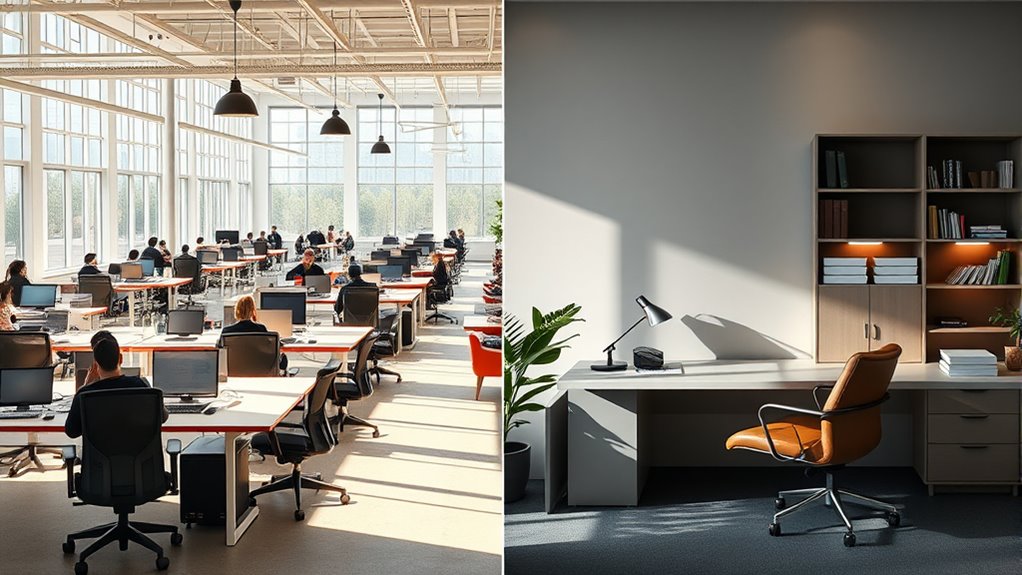
Open office and private workspace environments serve different needs and work styles. An open office promotes collaboration and flexibility, featuring shared spaces with minimal barriers. Acoustic design is essential here; soundproofing helps reduce noise distractions, creating a more focused environment. Ergonomic furniture enhances comfort during long hours and supports productivity by reducing physical strain. Additionally, choosing appropriate work environment setups can influence overall well-being and efficiency. Incorporating natural materials such as wood and linen can further promote a calming atmosphere conducive to concentration. Both environments aim to optimize work conditions, but they cater to different preferences, balancing social interaction with personal focus. Furthermore, implementing soundproofing techniques in private workspaces is crucial to maintain privacy and minimize disturbances, especially in noisy office settings. Employing acoustic treatments can significantly improve sound quality and comfort in enclosed spaces, contributing to a better work experience. To enhance focus, some workplaces are now integrating self watering plant pots to create a more relaxing and healthy environment for employees.

TRALT Office Chair Ergonomic Desk Chair, 330 LBS Home Mesh Office Desk Chairs with Wheels, Comfortable Gaming Chair, High Back Office Chair for Long Hours (Black)
Lumbar Support Ergonomic Design: Contours to the natural curve of the lumbar spine. The split lumbar support provides…
As an affiliate, we earn on qualifying purchases.
As an affiliate, we earn on qualifying purchases.
Impact on Employee Collaboration and Communication
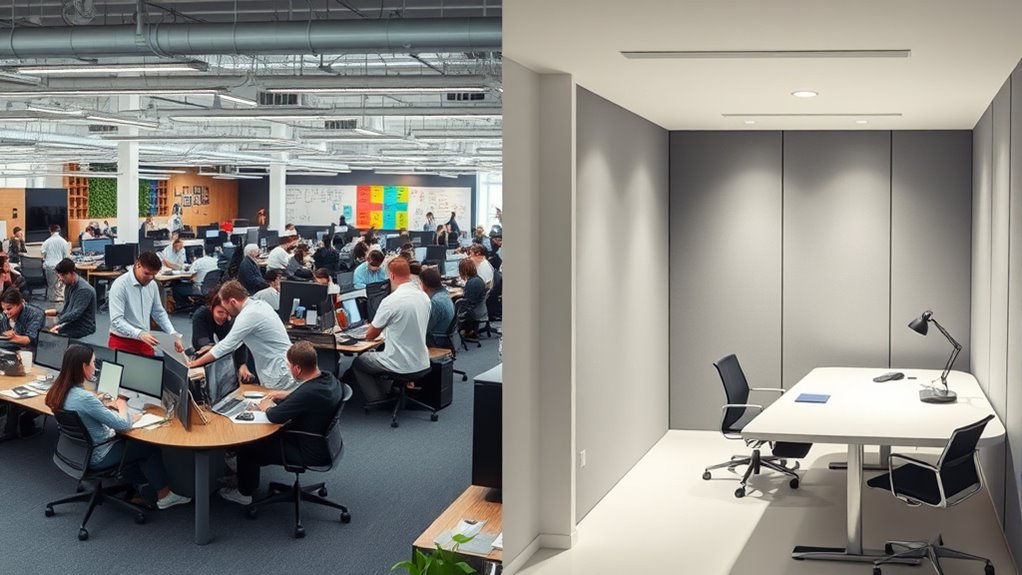
The layout of workspaces directly influences how employees communicate and collaborate. In open offices, team dynamics often become more fluid, encouraging spontaneous conversations and quick idea exchanges. This setup fosters a culture of transparency and shared responsibility, which can enhance teamwork. Conversely, private workspaces may limit face-to-face interactions, requiring more intentional communication and structured meetings. Leadership styles also play a role; collaborative leaders thrive in open environments, promoting open dialogue and collective problem-solving. In addition, the choice of workspace can impact employee productivity and focus, as different environments cater to various working styles. For example, some employees may find that noise levels in open offices affect their concentration, making private spaces more suitable for deep work. Furthermore, the presence of specialized furniture and design elements can significantly improve comfort and efficiency in both open and private settings. Recognizing the importance of cultural intelligence can help organizations design work environments that support diverse employee needs and foster inclusive collaboration. Additionally, understanding how city or neighborhood dynamics influence workplace culture can be beneficial in creating adaptable and welcoming office spaces. Ultimately, your workspace choice impacts how easily team members connect, share information, and develop trust, shaping the overall effectiveness of collaboration within your organization.
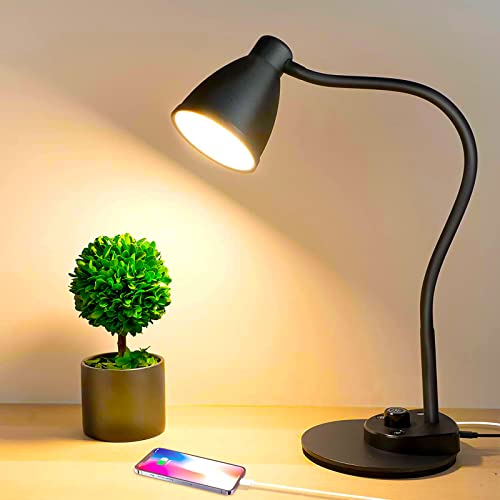
BOHON LED Desk Lamp with USB Charging Port 3 Color Modes Dimmable Reading Light Intelligent Induction Auto Dimming Task Lamp Neck Flexible Table Lamp for Bedside Office, AC Adapter Include
Eye-Caring Desk Lamp: With 56 top SMD2835 LED beads for emitting a 3000K-5500K soft, stable and non-flickering light,…
As an affiliate, we earn on qualifying purchases.
As an affiliate, we earn on qualifying purchases.
Effects on Concentration and Distraction Levels
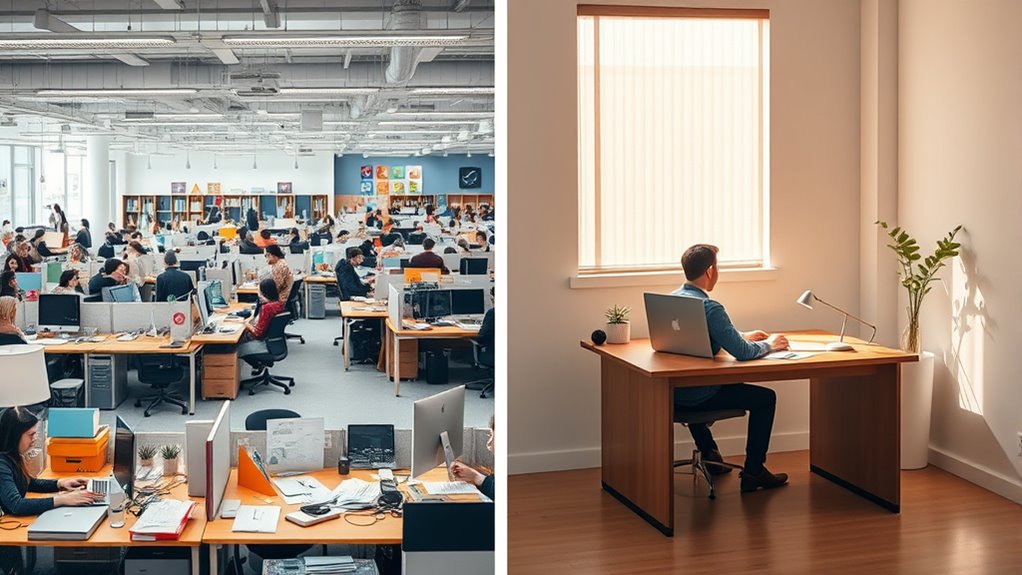
While open office layouts can boost collaboration, they often introduce more distractions that hinder concentration. Noise levels, movement, and visual clutter make it harder to focus on tasks. Poor lighting conditions can cause eye strain and fatigue, further reducing your productivity. Conversely, ergonomic design helps you stay comfortable, but if poorly implemented, it can also be a source of distraction. To improve focus, consider these factors:
- Adjustable lighting to reduce glare and shadows
- Quiet zones or designated areas for deep work
- Ergonomic furniture that promotes comfort without disruption
- Minimizing visual clutter to create a calm environment
Balancing lighting conditions and ergonomic design is key to lowering distraction levels and enhancing your ability to concentrate effectively. Additionally, understanding the importance of security measures can help maintain a safe and focused workspace environment. Incorporating proper storage solutions can also reduce clutter and support a more organized workspace.

Costa Farms Snake Plant, Sansevieria Live Plant in Decorative Pot, Easy to Maintain, Air Purifying Succulent Indoor Houseplant, Assorted Variety, Home, Room, or Office Décor, 8-12 Inches Tall
THE PERFECT MOTHER'S DAY GIFT: Elevate Mom's home decor with this sleek Snake Plant, a low-maintenance air-purifier that…
As an affiliate, we earn on qualifying purchases.
As an affiliate, we earn on qualifying purchases.
Influence on Creativity and Innovative Thinking
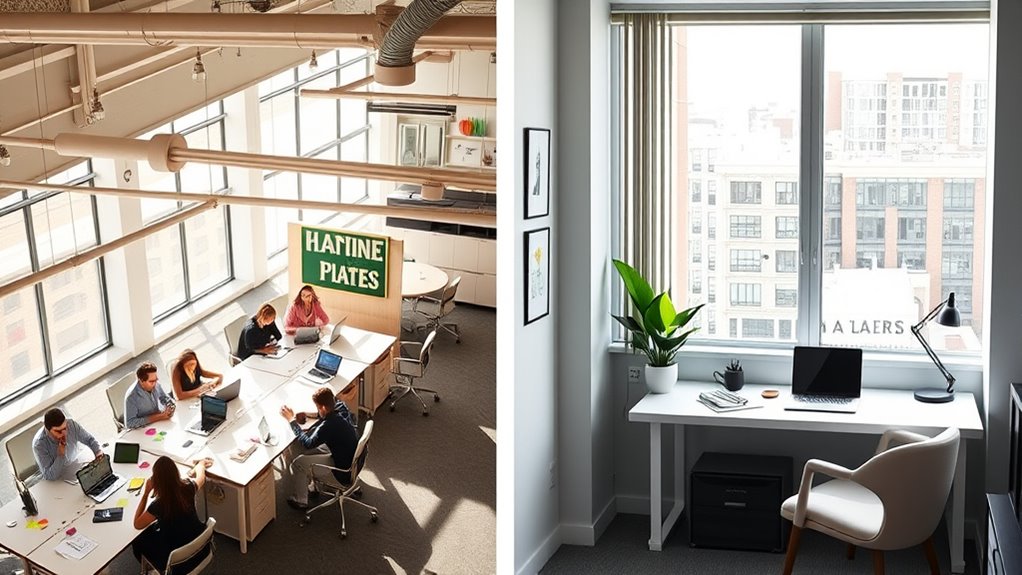
Open office environments can markedly influence your creative and innovative thinking. They foster spontaneous interactions that spark creative brainstorming and inspire new ideas. When you’re surrounded by colleagues, you’re more likely to exchange diverse perspectives, which enhances idea generation. The collaborative setting encourages quick feedback, helping you refine concepts and develop innovative solutions faster. Additionally, the collaborative atmosphere can lead to a more dynamic exchange of ideas and stimulate problem-solving skills. Furthermore, a diverse workforce in open offices introduces a variety of viewpoints, enriching the creative process. The multidisciplinary interactions that naturally occur in open-plan settings can lead to unexpected insights and cross-pollination of ideas, further boosting innovation. Moreover, implementing sound masking technology can mitigate noise distractions, thereby improving focus and productivity in open environments. This can help balance the need for collaborative inspiration with the ability to concentrate deeply on complex tasks. The constant flow of conversations and ideas pushes you beyond routine thinking, pushing boundaries and exploring new possibilities. Additionally, networking opportunities in open offices can expand your professional connections and inspire fresh insights, making it easier to connect dots and generate new ideas that might not emerge in isolated environments. Overall, open offices can be a catalyst for creativity, making it easier to connect dots and generate fresh ideas that might not emerge in isolated environments.
Noise Levels and Their Role in Productivity

Noise levels can profoundly affect your focus and efficiency at work. You might find ambient sounds helpful or distracting, depending on your personal preferences. Exploring soundproofing strategies can help create a workspace that boosts your productivity. Additionally, understanding how different environmental factors influence your mental well-being can lead to more effective workspace adjustments.
Ambient Noise Impact
Ambient noise levels can considerably influence your productivity, whether you’re in an open office or a private workspace. Too much noise can be distracting, while some sounds might boost focus. Background music, for example, can help drown out visual distractions and improve concentration. However, excessive noise or unpredictable sounds can hinder your ability to stay on task. To optimize your environment, consider these factors:
- Soft background music that suits your mood
- Minimizing sudden or loud noises
- Reducing visual distractions that draw your attention away
- Managing ambient noise to create a balanced soundscape
- Creating a digital-friendly environment at home can also support a focused workspace. Additionally, using air purifiers with HEPA filtration can improve air quality, reducing respiratory discomfort that might interfere with concentration. Incorporating AI security tools to monitor and adapt noise levels or environmental conditions can further enhance focus by maintaining optimal workspace parameters. Some studies suggest that the presence of ambient noise can even stimulate creative thinking and problem-solving skills. For example, controlling sound levels with automation can help sustain an ideal noise environment. Finding the right level of ambient noise helps maintain focus, boosts creativity, and prevents frustration caused by distracting sounds. Adjusting your environment accordingly can substantially enhance your overall productivity.
Personal Noise Preferences
Your personal preference for noise levels plays a crucial role in shaping your productivity during work. Some thrive with background music, finding it boosts focus, while others need silence to concentrate. Visual privacy also influences your efficiency; open spaces can be distracting if you prefer secluded environments. Consider your ideal noise environment with this table:
| Noise Preference | Suitable Environment | Tips |
|---|---|---|
| Silence | Private workspace, soundproof rooms | Use noise-canceling headphones |
| Background music | Open office, shared spaces | Choose instrumental or ambient music |
| Moderate noise levels | Flexible work areas | Use visual privacy screens |
| Loud environments | Noisy cafes, public places | Limit duration or use earplugs |
| Quiet with visual privacy | Private office, enclosed cubicles | Maintain visual barriers |
Understanding your needs helps optimize your workspace for maximum focus and creativity. Additionally, being aware of noise levels used in different settings can help you choose the most effective environment for your work style. For example, some AI-driven tools are now analyzing sound environments to recommend optimal workspaces based on individual preferences.
Soundproofing Strategies
Choosing the right soundproofing strategies can markedly boost your focus and productivity, especially if you work in environments with varying noise levels. Effective acoustic treatments reduce unwanted sounds and create a calmer workspace. Sound masking subtly introduces background noise, making distractions less noticeable. To optimize your space, consider:
- Installing acoustic panels or foam to absorb sound
- Using sound masking systems to create consistent background noise
- Adding carpets or rugs to dampen foot traffic noise
- Sealing gaps and cracks to prevent noise leaks
These strategies help control noise levels, minimizing disruptions. Combining acoustic treatments with sound masking creates a tailored environment that enhances concentration and sparks creativity. Proper soundproofing not only improves focus but also fosters a more comfortable, productive workspace.
Flexibility and Personalization of Workspaces
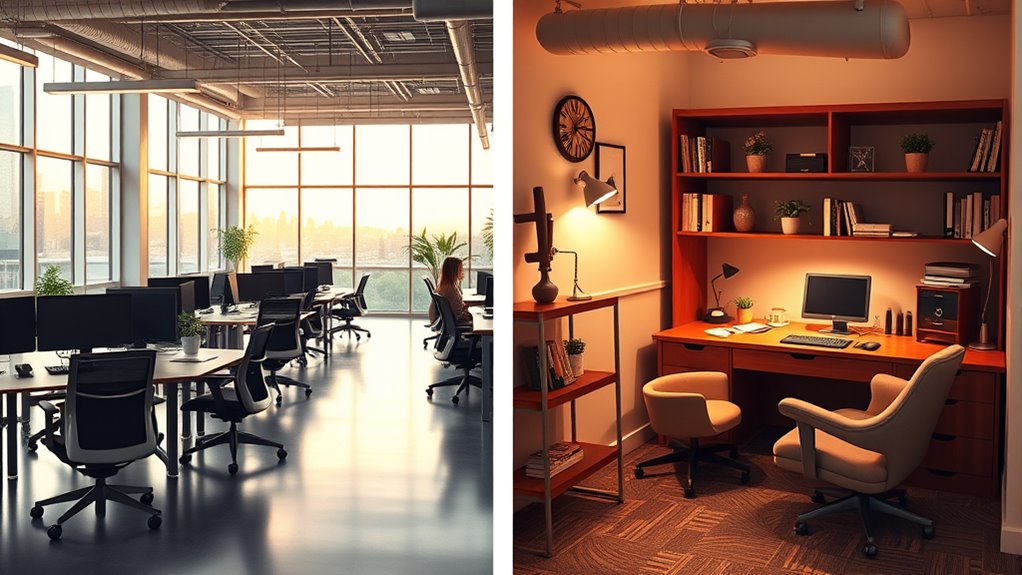
Flexibility and personalization are key factors that influence how effectively you can work in a space. When your workspace allows you to adjust ergonomic furniture, you can find a comfortable position that minimizes fatigue and boosts productivity. Personal touches, like choosing your preferred lighting design, help create an environment where you feel more focused and motivated. Open office layouts often offer flexibility through movable furniture and shared spaces, letting you adapt your surroundings to your needs. Private workspaces, on the other hand, give you control over your environment, enabling customization that suits your workflow. Ultimately, a workspace that adapts to your preferences fosters a sense of ownership and comfort, making it easier to stay engaged and creative throughout the day.
Health and Well-being Considerations
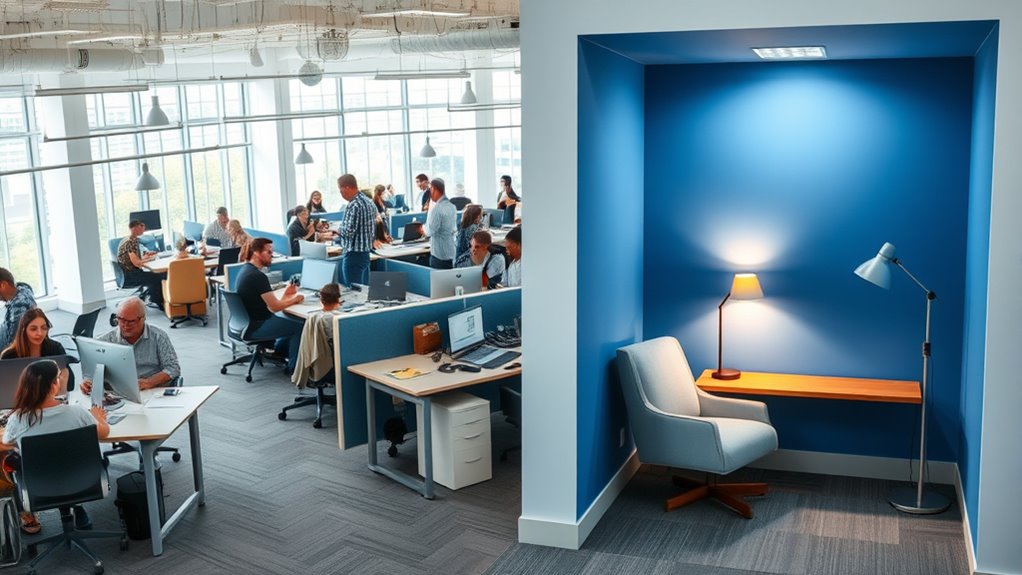
Workspaces that prioritize health and well-being can substantially impact your overall productivity and satisfaction. Ensuring thermal comfort helps you stay focused and prevent fatigue, while ergonomic design reduces strain and discomfort during long hours. In open offices, proper ventilation and temperature control are essential for maintaining comfort. Private workspaces allow for tailored ergonomic setups, supporting better posture and reducing injury risk. Consider these factors:
- Adequate lighting and ventilation
- Adjustable furniture for ergonomic support
- Temperature regulation for thermal comfort
- Break areas to reduce stress and promote movement
Cost Implications and Space Utilization
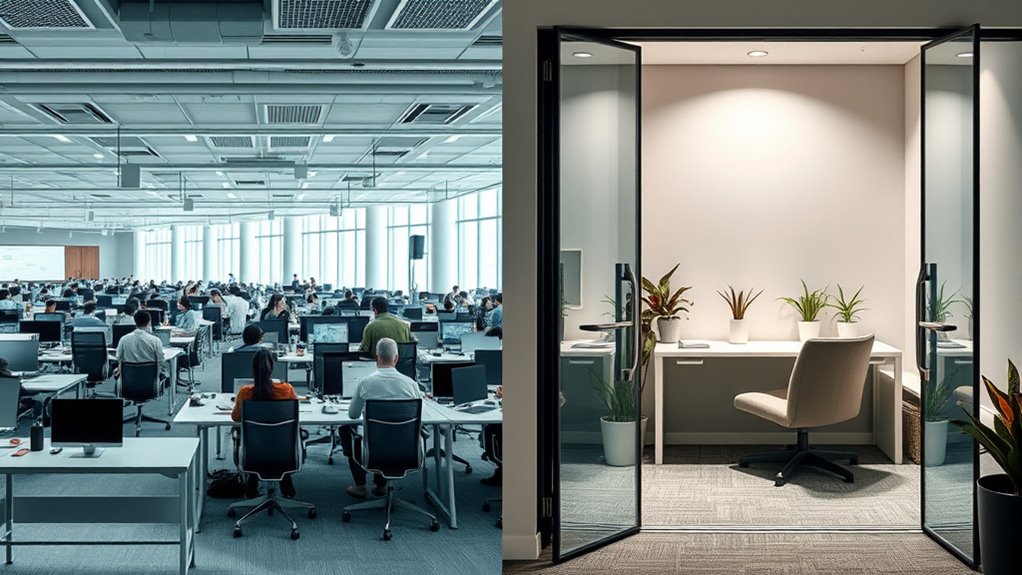
When comparing open offices and private workspaces, you’ll want to think about rental costs and how they impact your budget. Implementing space efficiency strategies can help maximize your area without increasing expenses. Over the long term, these choices affect your overall expenses, so understanding their implications is essential for effective planning.
Rental Costs Comparison
Choosing between open offices and private workspaces considerably impacts your rental costs and how efficiently you utilize space. Open offices typically offer lower rental costs per square foot, making them attractive for budget planning. They maximize space use but may increase noise and distractions. Private workspaces, on the other hand, often come with higher rental costs due to dedicated rooms and additional amenities, which can strain your budget. Consider these factors:
- Open offices reduce costs through shared spaces
- Private workspaces increase expenses but offer privacy
- Larger private offices tend to be more costly
- Flexible leases can help manage rental costs better
Balancing cost implications with your need for focus and comfort is key. Your choice influences your overall budget planning and long-term expenses.
Space Efficiency Strategies
Implementing effective space efficiency strategies can considerably impact your budget and how well you utilize your office environment. By choosing ergonomic seating, you maximize comfort without needing extra space for additional furniture, boosting productivity and reducing fatigue. Optimizing lighting options, such as adjustable LED lights or natural light, enhances visibility and reduces energy costs. Consider using multi-purpose furniture like foldable desks or modular partitions to adapt to different needs and save space. Vertical storage solutions help declutter work areas, making rooms feel larger and more functional. These strategies not only improve space utilization but also lower expenses associated with unnecessary furnishings and utility bills. Overall, thoughtful planning and smart choices in seating and lighting can create a more efficient, cost-effective workspace tailored to your needs.
Long-term Expense Impact
Optimizing space efficiency now plays a significant role in your long-term expenses and overall space utilization. When considering open offices or private workspaces, your choices impact costs related to office furniture and lighting design.
- Investing in versatile office furniture can reduce future replacement costs.
- Efficient lighting design minimizes energy consumption over time.
- Open plans often require fewer partitions, lowering setup expenses.
- Private spaces may increase costs due to specialized furniture and lighting requirements.
Employee Preferences and Cultural Factors
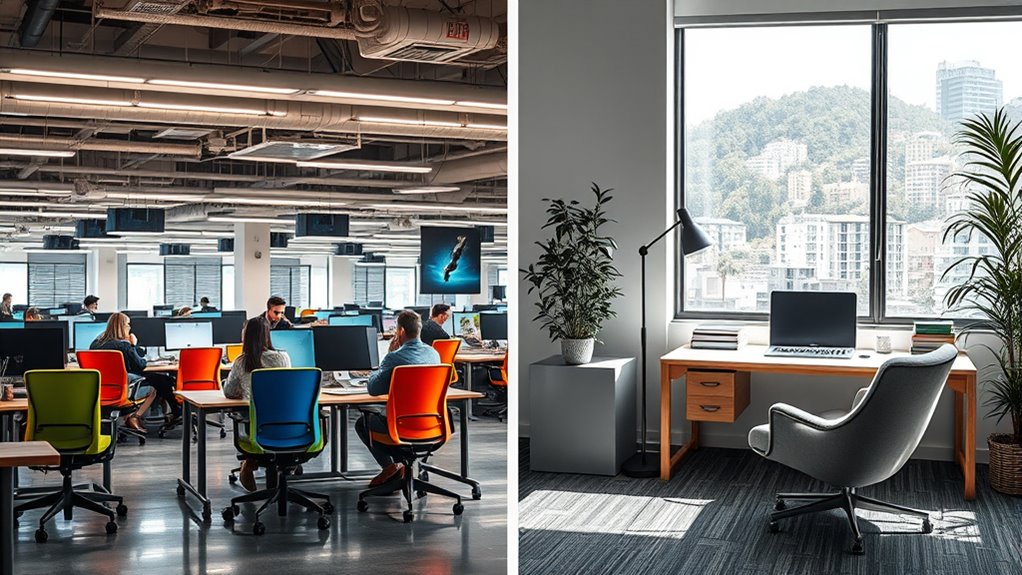
Employee preferences and cultural factors play a crucial role in determining whether open offices or private workspaces better support productivity and satisfaction. If your team values collaboration and open communication, an open office can foster team building and strengthen connections. Conversely, if your workplace culture emphasizes autonomy and focused work, private spaces might better meet those needs. Leadership development is also influenced by these preferences; leaders should consider how environment impacts engagement and morale. Recognizing diverse employee needs ensures your workspace aligns with cultural priorities, boosting overall effectiveness. By understanding these factors, you can create an environment that encourages both teamwork and individual growth, ultimately enhancing productivity and job satisfaction across your organization.
Strategies to Optimize Both Environments for Better Performance

To boost productivity in both open offices and private workspaces, start by customizing your workspace settings to suit your tasks and preferences. Setting clear boundaries helps you stay focused and minimizes distractions, whether you’re in a shared or isolated environment. By combining these strategies, you can create a more effective and comfortable work experience for yourself.
Customizing Workspace Settings
Customizing workspace settings is essential for maximizing your productivity and comfort in both open offices and private workspaces. Adjusting lighting design can reduce glare and eye strain, creating a more inviting environment. Investing in ergonomic furniture ensures proper posture, preventing discomfort during long hours. Personalize your space with these strategies:
- Use adjustable task lighting to control brightness
- Select ergonomic chairs and desks that support your body
- Arrange your equipment to minimize clutter and distractions
- Incorporate plants or personal items to boost mood and focus
Establishing Clear Boundaries
Adjusting workspace settings helps create a comfortable environment, but setting clear boundaries is key to maintaining focus and productivity. Effective boundary management ensures you can switch between work and personal life seamlessly. In both open offices and private workspaces, defining workspace boundaries helps prevent distractions and maintains clarity. To establish boundaries, communicate your needs to colleagues or family, set specific work hours, and create physical cues like closed doors or designated zones.
| Boundary Management Strategies | Examples |
|---|---|
| Communicate clearly | Let coworkers or family know your work hours |
| Use physical cues | Closed door or headphones to signal focus time |
| Schedule breaks | Regularly step away to recharge |
| Define work zones | Separate work area from relaxation space |
Frequently Asked Questions
How Do Open Offices Impact Employee Mental Health Long-Term?
Open offices can negatively impact your mental health long-term by increasing stress and reducing focus. The constant noise and lack of privacy may cause long-term stress, leading to burnout or anxiety. However, some mental health benefits include easier collaboration and social connection. To protect your mental health, take regular breaks and set boundaries, ensuring you balance the benefits of open workspaces with your need for mental well-being.
Can Private Workspaces Accommodate Team Collaboration Effectively?
Think of private workspaces as versatile islands—you can still sail toward team synergy without losing privacy. They can effectively accommodate collaboration through designated meeting areas or tech tools, fostering focused teamwork. While privacy concerns exist, thoughtful design and flexible spaces allow you to balance individual concentration with team interaction. You get the best of both worlds: a quiet environment and opportunities for meaningful collaboration.
What Are the Best Practices for Balancing Noise Levels?
To balance noise levels, you should implement sound masking and noise canceling solutions. Use sound masking to subtly cover distracting sounds, creating a more consistent background noise that improves focus. Noise canceling headphones help block out disruptive sounds when needed. Encourage team members to respect noise levels by setting designated quiet zones, and adjust these tools based on activity types to optimize focus and creativity for everyone.
How Do Workspace Types Influence Employee Retention Rates?
Imagine a tech company that offers flexible workspaces, combining open areas with private zones. This approach boosts employee satisfaction by accommodating different work styles, which in turn improves retention rates. When employees feel their workspace adapts to their needs, they’re more likely to stay long-term. Providing workspace flexibility demonstrates you value their comfort and productivity, fostering loyalty and reducing turnover.
Are There Industry-Specific Preferences for Open or Private Environments?
You’ll find industry trends show preferences vary: creative fields often favor open offices for collaboration, while tech or legal sectors lean toward private spaces for focus. Ergonomic preferences also influence choices, with many workers valuing adjustable desks and soundproof areas. By understanding these industry-specific trends and ergonomic needs, you can select a workspace that boosts your productivity and aligns with your profession’s unique demands.
Conclusion
Ultimately, choosing between open offices and private workspaces depends on what fuels your productivity and creativity. Do you thrive in a bustling environment or need solitude to focus? By understanding how each setting impacts your work style, you can create a space that boosts your best performance. Remember, the right environment isn’t one-size-fits-all—it’s about finding the balance that helps you excel every day. So, which workspace will you design to release your full potential?