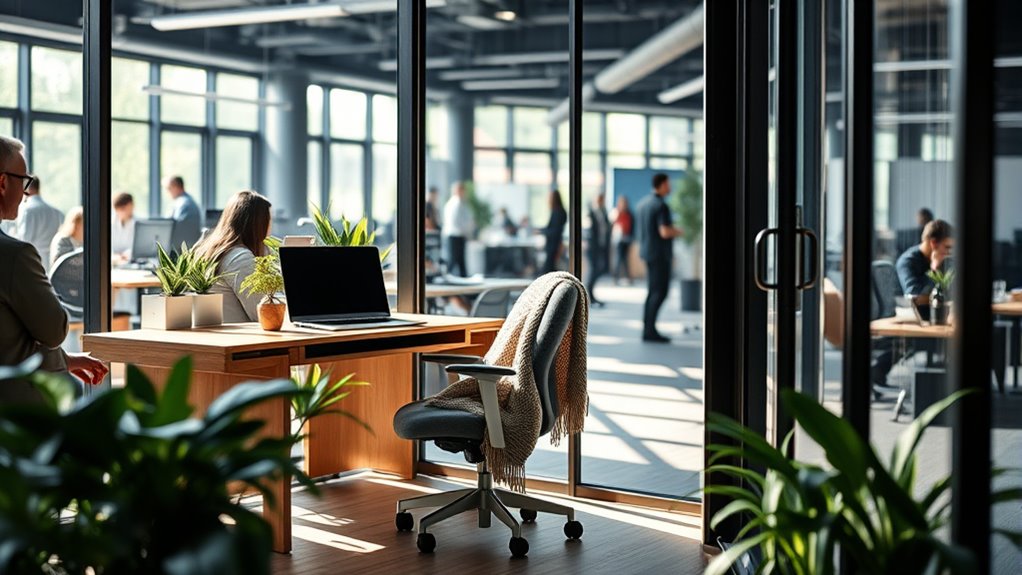

To carve out quiet space in a busy office, you should strategically locate focus zones away from high-traffic areas and noisy equipment. Use soundproofing solutions like acoustic panels and insulated walls to minimize disruptions. Equip these areas with ergonomic furniture, easy access to tech, and calming decor to promote concentration. Clear signage and etiquette encourage respectful use. If you want to learn how to create effective focus zones that boost productivity, keep exploring these practical tips.
Key Takeaways
- Choose locations away from high-traffic areas and noisy equipment to ensure tranquility.
- Incorporate soundproofing solutions like acoustic panels and soundproof doors to minimize disturbances.
- Equip focus zones with ergonomic furniture and essential tech for comfortable, productive work.
- Use clear signage and etiquette guidelines to promote respectful use of quiet spaces.
- Regularly assess and update focus zones based on employee feedback and productivity metrics.

Logitech G413 SE Full-Size Mechanical Gaming Keyboard - Backlit Keyboard with Tactile Mechanical Switches, Anti-Ghosting, Compatible with Windows, macOS - Black Aluminum
Take your gaming skills to the next level: The Logitech G413 SE is a full-size keyboard with gaming-first...
As an affiliate, we earn on qualifying purchases.
Understanding the Importance of Focus Zones
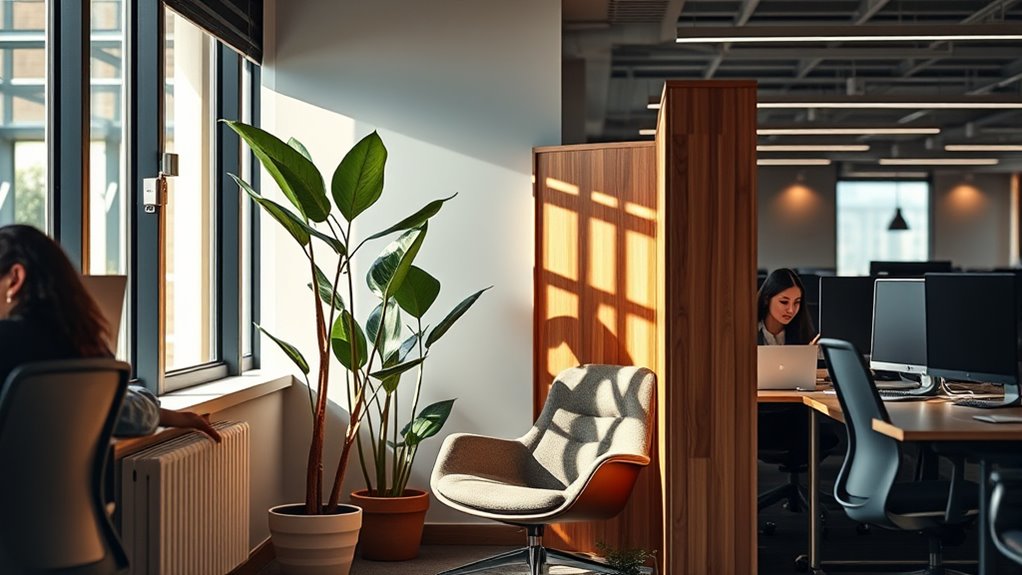
Have you ever struggled to concentrate in a noisy or cluttered workspace? Noise distractions can seriously hinder employee concentration, making it hard to complete tasks efficiently. When your environment isn’t optimized for focus, productivity drops, and frustration rises. Recognizing the importance of focus zones helps address this issue by creating dedicated spaces where noise is minimized, and concentration is prioritized. These zones allow employees to immerse themselves in deep work without constant interruptions, boosting overall performance. Establishing focus zones isn’t just about reducing noise; it’s about fostering an environment that values focused effort. By carving out areas specifically designed for concentration, you support your team’s ability to work effectively and stay engaged, even in the midst of a busy office. Incorporating elements like meditation or calming decor can further enhance the effectiveness of these dedicated spaces. Creating a sense of tranquility within these zones helps reinforce the importance of mental clarity and focus. Additionally, implementing appropriate lighting can significantly improve visual comfort and reduce eye strain, further promoting sustained concentration. Leveraging Cultural Intelligence principles can help tailor focus zones to better suit different working styles and cultural preferences, thereby increasing their effectiveness.
AULA F99 Pro Wireless Mechanical Keyboard with Knob,Creamy Sound,Tri-Mode BT5.0/USB-C/2.4GHz Hot Swappable Keyboard,Gasket Structure,RGB Backlit Computer Gaming Keyboards
Multi-Device Connection: AULA F99 Pro wireless mechanical keyboard provides three connection methods, including BT5.0, 2.4GHz wireless mode, and...
As an affiliate, we earn on qualifying purchases.
Designing Effective Quiet Spaces in the Workplace
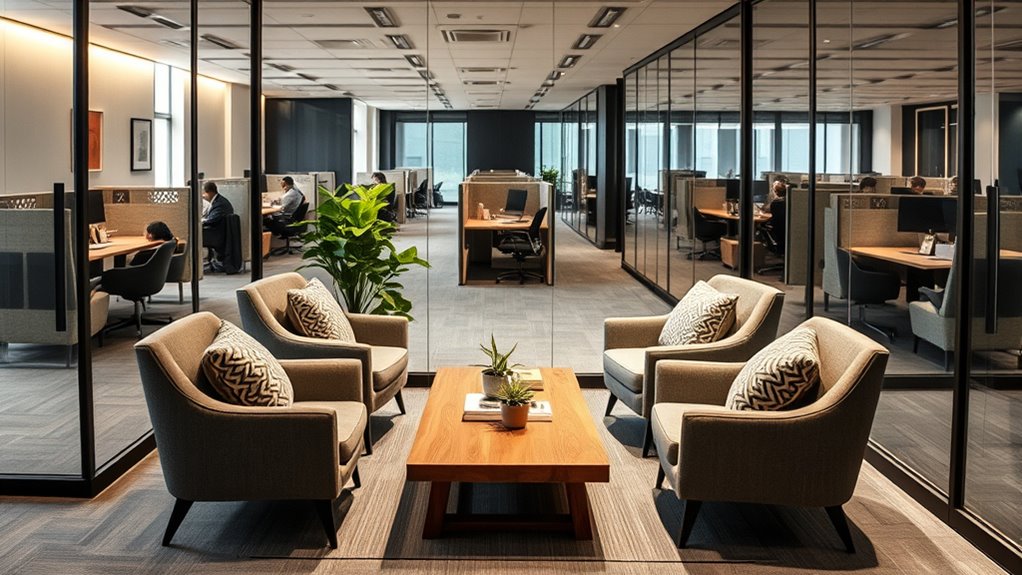
Choosing the right location and ensuring easy access are key to making quiet spaces effective. You should also consider soundproofing solutions to block out office noise and create a true retreat. When these elements come together, you’ll provide a focused environment where productivity can flourish. Incorporating soundproofing solutions can significantly enhance the effectiveness of your quiet zones by minimizing external distractions. Additionally, selecting materials with sound absorption properties can further improve noise reduction and comfort within the space. Using acoustic materials designed for office environments can help control echo and improve overall sound quality.
Location and Accessibility
To guarantee quiet spaces effectively serve their purpose, their location within the office must be carefully considered. Your office layout plays a vital role in determining the best spots for these zones. Ideally, position them away from high-traffic areas like entrances, kitchens, or common work zones to minimize noise and distractions. Accessibility considerations are equally important; make sure the quiet zones are easy to reach without disrupting workflow or requiring long walks. If possible, place them near communal paths or in corners that naturally limit sound transfer. Clear signage can help colleagues find these spaces quickly. Thoughtful placement not only preserves the tranquility needed for deep focus but also encourages consistent use, making the quiet zones a seamless part of your office environment. Additionally, understanding signs of spoilage and proper storage can help maintain a fresh environment that supports overall well-being and productivity. Recognizing office noise sources can further assist in selecting optimal locations that foster concentration and reduce interruptions. Incorporating soundproofing techniques can enhance the effectiveness of these quiet zones by further diminishing external noise. Moreover, being aware of popular healthy beverage brands can promote a wellness-focused atmosphere that adds to the comfort of the space. Considering AI security insights can help identify potential vulnerabilities in your office layout that might compromise quiet zones.
Soundproofing Solutions
Effective soundproofing is essential for creating truly quiet zones that allow focused work without interruptions. You can achieve this by leveraging advanced soundproofing technology, such as acoustic panels, soundproof curtains, and specialized wall insulation. Acoustic treatment helps absorb and block noise, preventing sound from leaking into your designated quiet space. Consider installing soundproof doors and sealing gaps around windows and vents to enhance effectiveness. Using materials like mass-loaded vinyl or acoustic foam can markedly reduce ambient noise levels. Remember, combining multiple solutions tailored to your office’s layout will maximize quietness. Additionally, understanding the importance of soundproofing materials can help you select the most effective options for your environment. Proper soundproofing not only minimizes distractions but also fosters concentration and productivity, transforming busy areas into peaceful retreats with minimal effort. Incorporating soundproofing techniques rooted in proven acoustic principles can further improve your space’s tranquility. Being aware of relationships and communication strategies can also contribute to a more harmonious work environment, reducing conflicts and enhancing overall well-being. Moreover, selecting the right room layout can optimize sound absorption and isolation, further enhancing the effectiveness of your soundproofing efforts.

HP Color LaserJet Pro MFP 3301sdw Wireless All-in-One Color Laser Printer, Office Printer, Scanner, Copier, ADF, Duplex, Best-for-Office (499Q3F)
FROM AMERICA'S MOST TRUSTED PRINTER BRAND – Perfect for small teams printing, scanning and copying professional-quality color documents...
As an affiliate, we earn on qualifying purchases.
Choosing the Right Location for Focus Zones
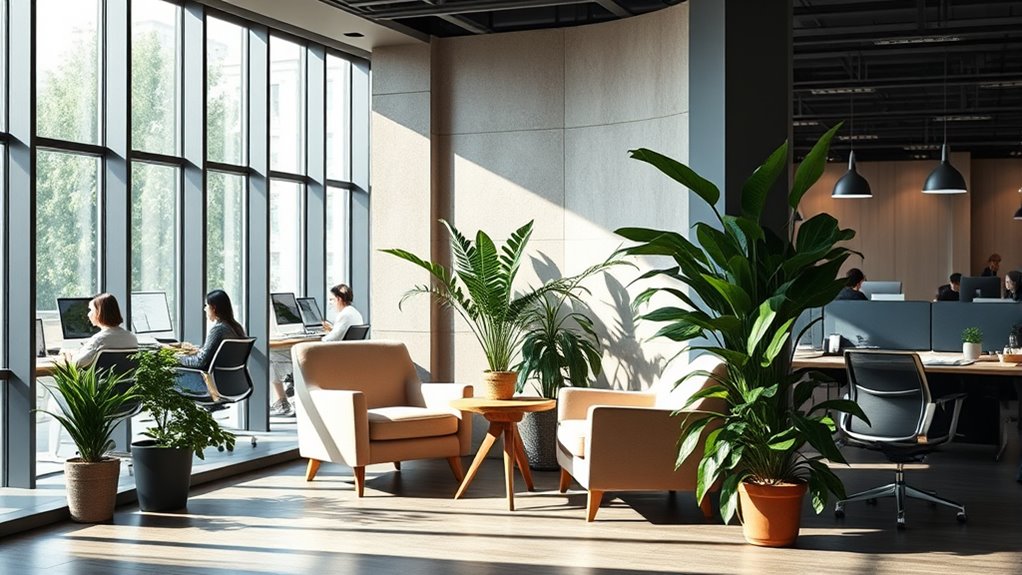
Selecting the right location for focus zones is essential to ensuring employees can work without constant interruptions. You should consider your office layout to identify quieter areas away from high-traffic zones like break rooms or main walkways. Choose spaces that naturally minimize noise and distractions. Prioritize spots with ample natural lighting, as this boosts focus and well-being. Position focus zones near windows or well-lit areas to create a calming environment that feels open and inviting. Avoid placing them near noisy equipment or busy communal spaces. By carefully selecting a secluded yet accessible location, you help employees concentrate better and foster productivity. Additionally, considering environmental considerations, such as low light pollution and minimal disturbance, can further enhance the productivity of your focus zones. Ensuring the space has soundproofing measures can significantly reduce ambient noise and make the environment more conducive to focused work. Incorporating AI-driven noise mitigation solutions can also help maintain a quiet atmosphere and support concentration. Moreover, exploring acoustic treatments like panels and diffusers can further improve sound quality and reduce unwanted noise.

HP LaserJet Pro MFP 3101sdw Wireless All-in-One Laser Printer, Office Printer, Duplex, Best-for-Small Teams (9D2X4F)
FROM AMERICA'S MOST TRUSTED PRINTER BRAND – Perfect for small teams printing professional-quality black-and-white documents and reports. Print...
As an affiliate, we earn on qualifying purchases.
Incorporating Soundproofing and Acoustic Solutions
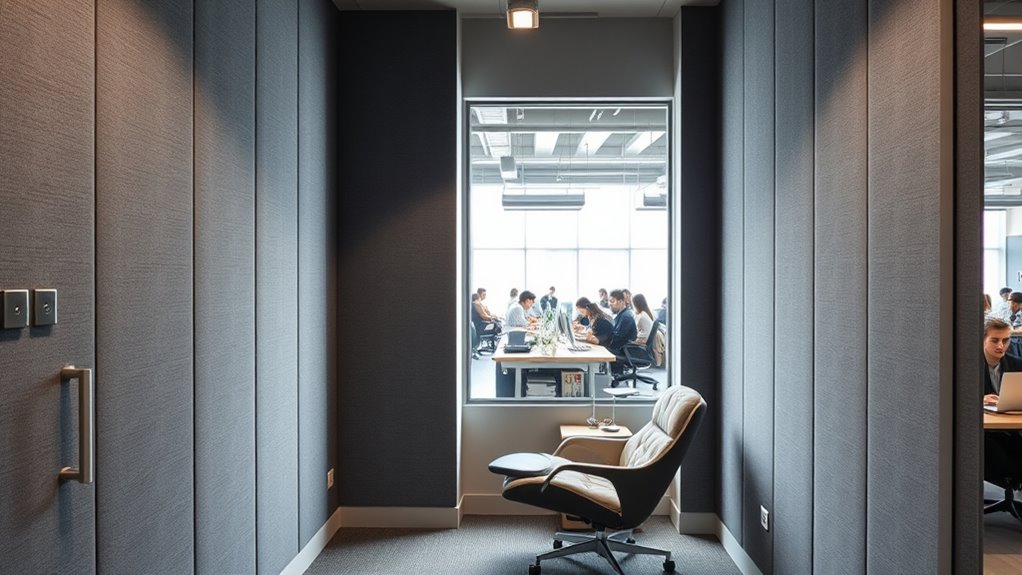
Incorporating soundproofing and acoustic solutions is essential for creating a focused environment in a busy office. Using soundproof materials like dense wall panels, specialized insulation, or soundproof glass helps block outside noise and reduce distractions. Acoustic panels are also effective; you can install them on walls or ceilings to absorb sound waves and minimize echo. Focus on placing these panels strategically around areas prone to noise, such as near printers or communal spaces. It’s important to choose materials that blend seamlessly with your office design while providing ideal sound control. Proper acoustic treatment not only enhances concentration but also improves overall office comfort, making it easier for you to stay productive without constant interruptions from surrounding chatter or noise. Additionally, consulting a soundproofing guide can help you select the best solutions tailored to your specific office layout and noise challenges. Incorporating sound absorption techniques can further optimize the acoustic environment and create a more serene workspace. As advancements in automation technologies continue, they can also be used to monitor and manage noise levels, enhancing the effectiveness of your acoustic solutions. Furthermore, integrating market growth projections for AI-driven security systems can support smarter noise monitoring and control in modern office environments.
Equipping Focus Areas With Necessary Tools and Comforts

To guarantee focus areas in a busy office are truly productive, you need to equip them with the right tools and comforts. Start with ergonomic furniture, like adjustable chairs and desks, to support posture and reduce fatigue during long work sessions. This encourages focus and minimizes discomfort. Additionally, ambient lighting is essential; soft, natural-like lighting creates a calming environment that reduces eye strain and boosts concentration. Ensure your focus zones have easy access to necessary tech, such as power outlets, chargers, and noise-canceling headphones, to help employees stay engaged without interruptions. Comfort and functionality go hand-in-hand, so prioritize quality and accessibility. With the right tools and comforts in place, your focus zones will become inviting, efficient spaces that foster deep work and productivity.
Encouraging Employee Use and Respect for Focus Zones
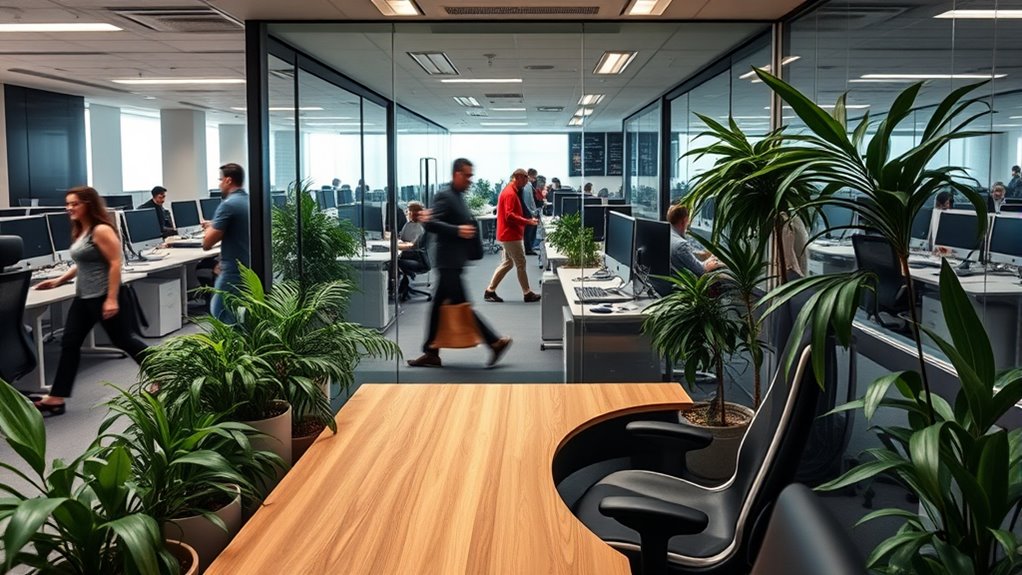
To make certain focus zones are respected, you should establish clear signage that reminds everyone to keep noise levels down. Encourage employees to follow zone etiquette, like avoiding phone calls or loud conversations nearby. Together, these practices help create an environment where everyone can concentrate effectively.
Silent Signage Guidelines
Silent signage plays a crucial role in ensuring employees respect and utilize focus zones effectively. Clear, visible digital signage guides employees to the designated quiet areas, reinforcing their importance. To maximize signage visibility, place signs at eye level and high-traffic entrances. Use simple, bold graphics and minimal text to communicate the message quickly. Avoid clutter around signage to prevent distraction and maintain focus. Regularly update digital displays to remind staff about quiet zone protocols and any temporary changes. By making signage unobtrusive yet noticeable, you encourage employees to adhere to focus zone guidelines without disrupting the office flow. Proper silent signage creates a respectful environment that promotes concentration while seamlessly integrating into the busy office setting.
Respectful Zone Etiquette
Encouraging employees to use and respect focus zones starts with clear communication and consistent behavior. You need to set expectations about noise management and proper etiquette to guarantee these spaces are effective. Encourage staff to keep voices low, avoid unnecessary disruptions, and use designated areas appropriately. Consistent etiquette enforcement helps everyone understand the importance of maintaining a quiet environment. Remind employees that respecting focus zones isn’t just about following rules—it’s about fostering a culture of consideration. When everyone adheres to these standards, the zones become truly valuable for concentration and productivity. Clear signage, gentle reminders, and positive reinforcement will support a respectful atmosphere, making focus zones a sustainable part of your office environment.
Measuring the Impact of Focus Zones on Productivity

Evaluating how focus zones influence productivity involves tracking specific metrics before and after their implementation. You should analyze productivity metrics like completed tasks, project turnaround times, and error rates to identify changes. Gathering employee feedback is equally important, as it provides insights into how staff perceive the focus zones’ effectiveness and their impact on daily work. Combining quantitative data with qualitative input helps you form a thorough understanding of the zones’ influence. If productivity metrics improve and employees report feeling more focused and less distracted, it indicates a positive effect. Conversely, if data shows little change or declines, you may need to reassess the focus zones’ design or placement. Regularly measuring these factors ensures your efforts genuinely enhance productivity and employee well-being.
Tips for Maintaining and Evolving Focus Spaces

To keep focus spaces effective over time, you need to actively maintain and adapt them based on changing needs and feedback. Regularly assess whether the space still supports concentration, and make adjustments accordingly. Incorporate decorative lighting to create a calming atmosphere that reduces eye strain and boosts focus. Keep ergonomic furniture in mind to ensure comfort during long work sessions, preventing fatigue and discomfort. Solicit input from users to identify what’s working and what’s not, then refine the layout or decor as needed. Flexibility is key—be open to reconfiguring furniture or updating lighting to suit evolving preferences. By staying attentive and responsive, you ensure your focus zones remain productive, comfortable, and inviting for everyone who uses them.
Frequently Asked Questions
How Can Management Incentivize Employees to Use Focus Zones Regularly?
You can motivate employees to use focus zones by offering motivational incentives like recognition or small rewards for consistent use. Tie these incentives to productivity metrics, showing how focus zones boost individual and team performance. Encourage management to promote the benefits regularly, making it clear that using focus zones leads to better results. This approach makes employees feel valued and motivated to incorporate quiet time into their daily routines.
What Are Common Mistakes to Avoid When Designing Quiet Work Areas?
Did you know 60% of employees find noise distractions reduce productivity? When designing quiet work areas, avoid common mistakes like overlooking soundproofing issues, which can undermine the space’s purpose. Also, guarantee proper signage clearly marks the zone, or employees might not use it properly. Focus on effective soundproofing and clear communication to create truly functional quiet zones that boost concentration and efficiency.
How Do Focus Zones Impact Collaboration and Team Dynamics?
Focus zones can improve team cohesion by giving individuals dedicated quiet space, allowing them to recharge and return more engaged. However, if not managed well, they might create communication barriers, making spontaneous collaboration harder. You should balance quiet areas with open spaces, encouraging intentional interactions. When used thoughtfully, focus zones support both individual productivity and team dynamics, fostering a more harmonious and efficient work environment.
Are There Specific Industries That Benefit More From Dedicated Focus Spaces?
Ever wonder which industries thrive with dedicated focus spaces? You’ll find that creative fields like design and advertising benefit most, as they require deep focus and innovation. Healthcare and legal sectors also gain from ergonomic considerations, ensuring comfort during long periods of concentration. These industries often face unique industry-specific needs, making dedicated focus zones essential for productivity, reducing stress, and fostering a more efficient, balanced work environment.
How Can Organizations Gather Employee Feedback on Focus Zone Effectiveness?
You can gather employee feedback on focus zone effectiveness by conducting anonymous surveys to encourage honest responses and hosting focus group sessions for in-depth insights. These methods help you understand employees’ experiences and identify areas for improvement. Make sure to regularly ask for feedback, listen carefully, and implement changes based on their suggestions. This approach fosters a more productive, comfortable workspace where everyone feels heard and valued.
Conclusion
Creating focus zones in your office is like planting seeds for productivity—when you nurture quiet spaces, you reap the rewards of focused work and happier employees. By designing thoughtful, well-equipped areas and encouraging respectful use, you set the stage for a more balanced work environment. Remember, a little effort now can turn your busy office into a well-oiled machine, proving that sometimes, quiet spaces are just what the doctor ordered to boost overall success.