
A cluttered workspace can overload your mind with unnecessary details, making decision-making difficult. When your environment is organized and simplified, it reduces distractions and mental clutter, helping you focus on what truly matters. Clearing physical clutter also creates mental clarity, preventing analysis paralysis caused by feeling overwhelmed. By establishing routines and maintaining an orderly space, you conserve mental resources, allowing you to make faster, more confident decisions. Stay with us to discover how organization can transform your decision process fully.
Key Takeaways
- A simplified workspace minimizes distractions, allowing clearer focus on important decisions.
- Organized environments reduce mental overload, decreasing the likelihood of overthinking.
- Decluttering helps prioritize tasks and options, streamlining the decision-making process.
- A tidy space conserves mental energy, preventing decision fatigue and analysis paralysis.
- An orderly environment fosters confidence and swift action by eliminating unnecessary choices.

Analysis paralysis occurs when overthinking a decision prevents you from taking action. It’s common to feel stuck when faced with too many options or complex choices, and this can lead to decision fatigue, where your mental resources become drained from constant deliberation. To overcome this, adopting effective prioritization strategies is essential. Instead of trying to evaluate every detail, focus on identifying what truly matters and what can be set aside. By simplifying your decision-making process, you reduce cognitive overload, making it easier to move forward. Prioritization strategies help you filter options based on their importance, urgency, or alignment with your goals, preventing you from wasting energy on trivial details.
When your workspace is cluttered or disorganized, it becomes harder to see what’s essential. A simplified workspace isn’t just about cleanliness; it’s about creating an environment that minimizes distractions and streamlines your focus. Clear your physical space of unnecessary items, documents, or tools that don’t contribute to your current task. This physical decluttering translates into mental clarity, allowing you to concentrate on key decisions without the noise of clutter pulling your attention away. When your environment is organized, you’re less likely to experience decision fatigue because your brain doesn’t have to process extraneous information, freeing up mental capacity for critical thinking.
Implementing a simplified workspace also involves establishing routines that reduce the number of daily decisions you need to make. For example, prepare your outfit, meal, or work tasks in advance, so you don’t waste energy on trivial choices. This approach, often called decision batching, helps conserve mental resources for more significant decisions. Additionally, having a clear system for organizing information—such as folders, labels, or digital tools—ensures that relevant data is accessible when needed. This way, you avoid wasting time searching for documents or data, which can contribute to decision fatigue and further delay your actions. Organizing your environment can serve as a key step in reducing mental clutter and enhancing clarity.
In essence, a simplified workspace acts as a foundation for better decision-making by reducing cognitive load and eliminating distractions. When you combine this environment with prioritization strategies, you empower yourself to focus on what truly matters, making decisions more swiftly and confidently. This approach prevents overthinking and helps you break free from analysis paralysis, encouraging you to act rather than stall. By streamlining both your physical surroundings and your mental processes, you’re better equipped to handle choices efficiently, ultimately leading to increased productivity and less stress.

OPNICE Desk Organizer, 4-Tier Desktop File Organizer with Drawer and 2 Pen Holders, Office Desk Accessories, File Sorters, Workspace Organizers for Office Supplies(Black)
🎁【Multi-Functional Office Organization】Get your work area in order with the OPNICE Desk Organizer! Featuring 4 spacious trays, a…
As an affiliate, we earn on qualifying purchases.
As an affiliate, we earn on qualifying purchases.
Frequently Asked Questions
How Does Clutter Affect Decision-Making Speed?
Clutter slows down your decision-making by creating visual distractions and increasing cognitive overload. When your workspace is messy, your brain struggles to focus, making it harder to process information efficiently. This overload leads to delays and indecision, as you spend more time sorting through unnecessary details. Keeping your workspace organized helps you stay focused, reduces distractions, and speeds up your ability to make clear, confident decisions.
Can a Simplified Workspace Improve Creativity?
A simplified workspace can definitely improve your creativity by fostering a clear environment that encourages your creative flow. When clutter is minimized, you’re less distracted, making it easier to focus on innovative ideas. This streamlined setup boosts your confidence to experiment and take risks, ultimately sparking innovation. By removing unnecessary distractions, you create a mental space that nurtures your creative potential, helping you generate fresh, exciting concepts more efficiently.
What Tools Help Maintain a Clutter-Free Environment?
You can maintain a clutter-free environment with tools like digital minimalism apps that block distractions and streamline your workflow. Incorporate ergonomic design elements such as adjustable monitors and comfortable chairs to keep your space organized and functional. Using cable organizers and storage solutions also helps reduce visual clutter. These tools support a clean, focused workspace, enhancing your productivity and making it easier to stay organized throughout your day.
How Often Should I Declutter My Workspace?
You should declutter your workspace weekly to maintain digital minimalism and an ergonomic setup. Regular decluttering helps prevent digital overload and physical clutter, making your environment more efficient. Set aside a specific time each week to organize cables, clean your screen, and delete unnecessary files. This routine keeps your workspace streamlined, reduces distractions, and supports better focus, ultimately improving your decision-making and productivity.
Does Workspace Organization Impact Mental Health?
Yes, workspace organization impacts your mental health by boosting mental clarity and emotional well-being. When your workspace is tidy, you feel less overwhelmed and more focused, reducing stress. A clean environment helps you think clearly and stay calm, which enhances your overall mood. By maintaining an organized space, you support better mental health, making it easier to tackle tasks and enjoy a sense of control and peace throughout your day.
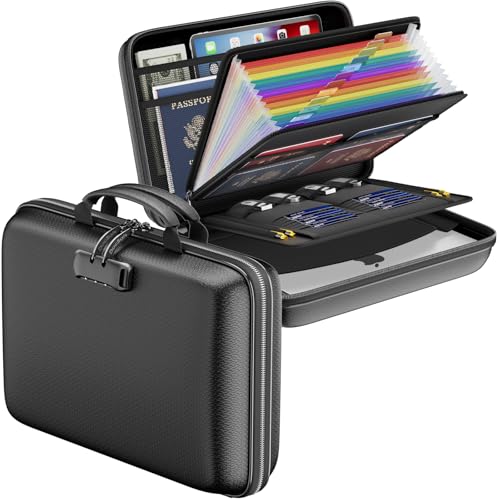
DocSafe Fireproof File Organizer with Lock, Hard-Shell Case Fireproof Document Box with 13 Pocket Accordion File Folder, Portable Home Office Travel Safe Storage for Important Documents Laptop Black
Ultimate Fireproof & Water-Resistant Protection: Keep your valuables safe with our DocSafe Hard-Shell fireproof file organizer. It is…
As an affiliate, we earn on qualifying purchases.
As an affiliate, we earn on qualifying purchases.
Conclusion
By simplifying your workspace, you can break free from analysis paralysis and make confident decisions. Imagine Sarah, overwhelmed by endless options for her startup logo, finally decluttering her digital files and focusing on a few key designs. Within days, she chose her favorite and launched her brand. Small changes like this clear mental clutter, empowering you to act decisively. Don’t let overthinking hold you back—create space, and watch your confidence grow.

Your Blueprint for Maximizing Dental Office Productivity: Optimize your clinical practice efficiency, and make your dental office a fun, easy, and productive place to work
As an affiliate, we earn on qualifying purchases.
As an affiliate, we earn on qualifying purchases.

Amazon Basics Hanging File Folders with Adjustable Tabs for Document Organization, Letter Size, Assorted Jewel-Tone Colors, 25-Pack
Hanging file folder (25-pack) in Assorted Jewel-tone Colors (Teal, Purple, Gray, Navy, and Burgundy) holds 8.5 x 11-inch…
As an affiliate, we earn on qualifying purchases.
As an affiliate, we earn on qualifying purchases.