Standing desks aren’t overrated, but their benefits depend on how you use them. They can improve posture, reduce discomfort, and boost energy, but only if you alternate between sitting and standing. Standing all day can lead to fatigue or leg pain without proper support. To get the most from a standing desk, manage your positions wisely and incorporate regular breaks. Keep exploring for tips to optimize your workspace and stay comfortable throughout your day.
Key Takeaways
- Standing desks promote better posture and reduce discomfort when used correctly with ergonomic adjustments.
- Alternating between sitting and standing is essential to prevent fatigue and overuse issues.
- Standing all day can cause leg fatigue and foot pain, making it an incomplete solution.
- Proper setup, supportive footwear, and regular breaks enhance the benefits of standing desks.
- The effectiveness of standing desks depends on mindful use; they are not a one-size-fits-all fix.
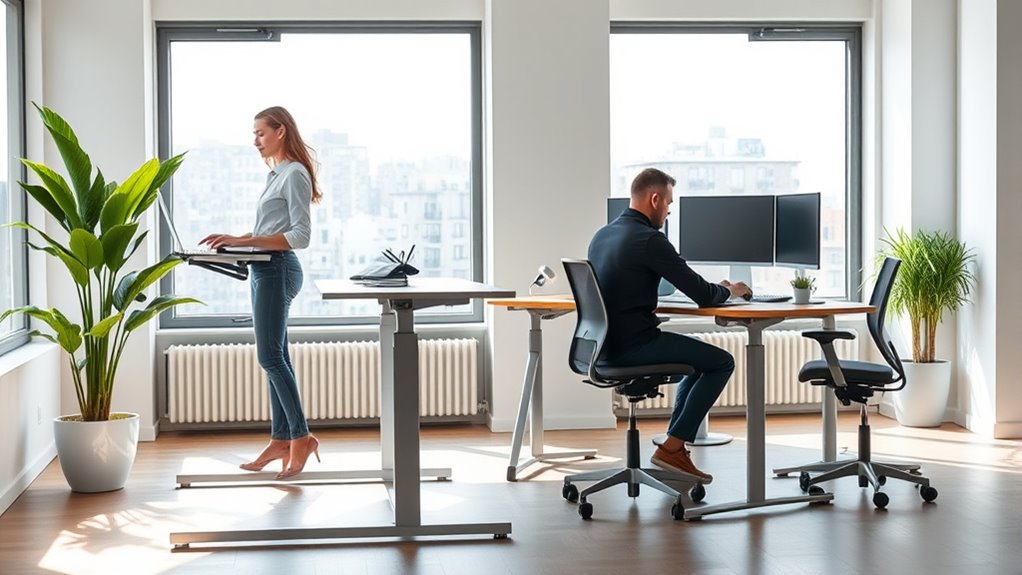
Many people are reevaluating their work setups as more studies highlight the benefits and drawbacks of sitting versus standing at desks. If you’re considering switching to a standing desk, it’s important to understand how it can influence your ergonomic benefits and productivity impacts. Standing desks are often promoted for their potential to reduce aches and pains caused by prolonged sitting, such as lower back strain and neck discomfort. When set up correctly, a standing desk can promote better posture, helping you maintain a more natural spinal alignment and decreasing muscle fatigue. This ergonomic advantage can translate into fewer discomforts during your workday, allowing you to stay focused and comfortable for longer periods.
However, it’s not just about comfort. Standing desks can also influence your productivity impacts. Some users find that standing encourages more alertness and engagement, making it easier to concentrate and complete tasks efficiently. The act of standing can boost circulation and energy levels, potentially reducing feelings of sluggishness that sometimes accompany sitting for hours. Many people report a sense of increased motivation and a more dynamic work environment when they switch between sitting and standing throughout the day. This flexibility can help prevent the mental fatigue that often accompanies static work routines. Additionally, incorporating adjustable desks into your workspace allows for better ergonomics and the ability to customize your standing and sitting intervals.
That said, standing all day isn’t a perfect solution. Standing for long stretches can lead to fatigue, leg cramps, or foot pain, negating some of the ergonomic benefits. To maximize these benefits and minimize drawbacks, it’s recommended to alternate between sitting and standing. Using an adjustable desk allows you to find a comfortable middle ground, giving your body the variety it needs to stay healthy and productive. Proper footwear and anti-fatigue mats can further enhance comfort when standing for extended periods. Remember, the key isn’t to eliminate sitting but to strike a balance that supports your physical health and keeps you productive.
In the end, the decision isn’t simply about whether standing desks are overrated but about how you use them. If you’re mindful of ergonomic principles, take breaks, and switch positions regularly, a standing desk can be a valuable tool in your workspace. It can improve posture, reduce discomfort, and positively impact your productivity. But if you ignore these factors, standing all day might do more harm than good. So, evaluate your routines carefully, and consider a flexible setup that allows you to stand and sit as needed. That way, you gain the benefits without falling into the common pitfalls.
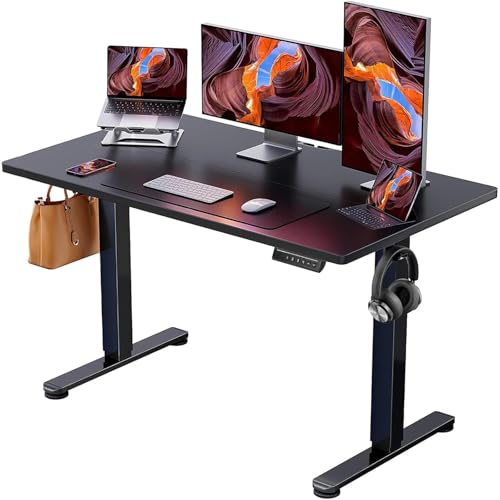
ErGear Height Adjustable Electric Standing Desk, 48 x 24 Inches Sit Stand up Desk, Memory Computer Home Office Desk, Black
Electric Height Adjustable Standing Desk for Comfortable Work – Switch effortlessly between sitting and standing with this electric…
As an affiliate, we earn on qualifying purchases.
As an affiliate, we earn on qualifying purchases.
Frequently Asked Questions
Are Standing Desks Suitable for All Health Conditions?
Standing desks aren’t suitable for all health conditions. If you have chronic pain or joint issues, consult your doctor before using one. You should also consider ergonomic accessories and different standing desk types to make sure of comfort. Some desks allow easy height adjustments, helping you avoid strain. Always listen to your body, and if standing worsens your condition, opt for seated options or seek professional advice.
How Long Should I Stand Versus Sit During the Day?
Like a well-balanced seesaw, you should alternate your standing and sitting. Aim for around 30 minutes of standing every hour, with ergonomic adjustments to keep you comfortable. Incorporate sitting intervals of about 20-30 minutes, then switch back to standing. This rhythm helps prevent fatigue and strain. Listen to your body, and adjust the timing as needed to stay energized and maintain good posture throughout the day.
Do Standing Desks Improve Productivity or Focus?
Standing desks can boost your productivity and focus, especially when you make ergonomic adjustments to improve your posture benefits. When you stand, you often feel more alert and engaged, which helps you work more efficiently. Just remember to change positions regularly, as staying in one posture too long can cause discomfort. Proper ergonomic setup guarantees you stay comfortable and maximize the positive effects on your focus and overall performance.
What Are the Costs Associated With Standing Desks?
Standing desks can come with costly compromises, including the expense of ergonomic accessories and adjustable height features. You might find yourself forking out more money for quality desks that prevent pain and promote posture. Plus, ongoing maintenance and replacement parts can add up over time. While the ergonomic benefits are tempting, it’s important to weigh the wallet-worry of these upgrades against their potential perks.
Can Standing Desks Prevent Long-Term Health Issues?
Standing desks can help prevent long-term health issues by offering ergonomic benefits and encouraging posture correction. When you use a standing desk properly, you reduce the risk of back pain, neck strain, and repetitive stress injuries. Plus, alternating between sitting and standing promotes better circulation and energy levels. However, it’s essential to use the desk correctly and take breaks, as standing excessively can also cause discomfort.

FEATOL Anti Fatigue Mat for Standing, 9/10 Extra Thick Ergonomic Standing Desk Mat, Comfort & Durable Memory Foam Standing Mat at Home,Office All Day (20" x 32", Black, 1PC)
[Anti Fatigue Standing Desk Mat] – This anti fatigue mat standing desk office is effective in reducing stress…
As an affiliate, we earn on qualifying purchases.
As an affiliate, we earn on qualifying purchases.
Conclusion
So, are standing desks truly the superhero of workspace health? Maybe not. While they can reduce some risks associated with prolonged sitting, they’re not a magic fix that’ll turn you into a health deity overnight. Balance is key—mix sitting and standing, and listen to your body’s signals. After all, no single desk can save you from the endless treadmill of modern life. The real power lies in moderation, not in standing all day like a statue.

FLEXISPOT 36-inch Standing Desk Converter Height Adjustable Sit to Stand Up Workstation, Dual Monitor and Laptop Riser with Wide Keyboard Tray, Black
Ergonomic Comfort: This converter is designed with your well-being in mind. Featuring a quick-adjust mechanism, it allows seamless…
As an affiliate, we earn on qualifying purchases.
As an affiliate, we earn on qualifying purchases.

Nulaxy Ergonomic Adjustable Laptop Stand for Desk, Dual Foldable Computer Riser with Advanced Heat-Vent, Heavy-Duty Portable Notebook Holder for Posture Correction, Compatible with Mac 10-17" Laptops
Ergonomic Posture Correction: Designed to elevate your laptop to the perfect eye level, this adjustable laptop stand significantly…
As an affiliate, we earn on qualifying purchases.
As an affiliate, we earn on qualifying purchases.