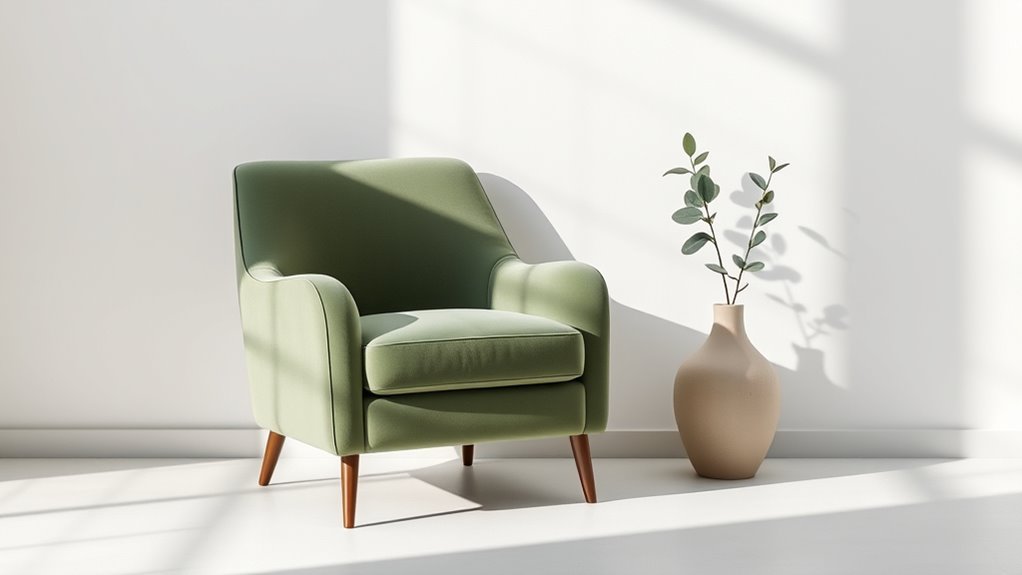

To incorporate Pantone’s Color of the Year into your minimalist wardrobe, start with subtle accents like accessories or small clothing pieces that reflect current trends without overwhelming your look. Choose versatile items that enhance your style and convey mood through color psychology. Prioritize sustainable options when possible to align with mindful consumption. Embracing these tips helps you stay trendy while honoring your simplicity—discover more ways to seamlessly blend trends into your minimalist lifestyle.
Key Takeaways
- Incorporate the Color of the Year through small accessories like scarves or shoes for a subtle, trend-aware touch.
- Choose sustainable, eco-friendly pieces in the Pantone hue to align with minimalist and ethical fashion values.
- Use color calibration to ensure accurate shade selection and intentional styling that enhances your personal aesthetic.
- Pair the trending color with neutral tones to maintain simplicity while embracing current societal and cultural themes.
- Focus on quality, versatile pieces in the Pantone shade to create a timeless wardrobe that reflects both trend and sustainability.

Have you ever wondered how Pantone selects its Color of the Year? It’s a process that goes beyond just picking a pretty hue. Pantone’s team researches global trends, cultural shifts, and societal influences, aiming to identify a color that resonates with the current mood. But it’s not only about aesthetics; they also consider the emotional impact of the color, which ties into color psychology. The chosen shade often reflects collective hopes, concerns, or aspirations, making it a mirror of the times. Once selected, the Color of the Year influences industries like fashion, interior design, and branding, encouraging brands and consumers to embrace new ideas while maintaining a sense of continuity.
Pantone’s Color of the Year reflects global trends, cultural shifts, and emotional influences, shaping industries and inspiring mindful choices.
Incorporating the Color of the Year into your wardrobe doesn’t mean you need a complete overhaul. You can adopt it in a minimalist way that aligns with your personal style and values. Think of subtle accessories or small clothing pieces—like a scarf, a belt, or a pair of shoes—that feature the trending hue. This approach allows you to stay on-trend without sacrificing your minimalist aesthetic. It also offers an opportunity to experiment with color in a way that feels authentic and effortless. By choosing simple, well-made pieces that incorporate the Pantone hue, you’re blending modern trends with timeless simplicity.
Furthermore, as sustainable fashion continues to grow in importance, it’s easier to find eco-friendly options in the Color of the Year. Many brands now prioritize sustainable materials and ethical production practices, making it possible to embrace new trends responsibly. When you select pieces in the trending color, you’re not just keeping up with fashion; you’re supporting a movement toward more conscious consumption. This aligns with the minimalist ethos—valuing quality over quantity and investing in versatile, durable items. The combination of the year’s color and sustainable fashion helps you build a wardrobe that is both stylish and respectful of the environment.
Additionally, understanding color accuracy and calibration can help ensure that the shades you select are true to the Pantone hue, whether in clothing or accessories. Ultimately, incorporating the Pantone Color of the Year in a minimalist way is about intentionality. You choose what resonates with you, how much of it you want to bring into your life, and how it fits into your values. By understanding the influence of color psychology, you can select shades that boost your mood or convey a certain message, all while supporting sustainable fashion practices. This approach ensures that you stay stylish and relevant, without cluttering your life or compromising your principles. It’s about making thoughtful choices that reflect who you are and what you believe in, all while embracing the ever-evolving landscape of color trends.
Frequently Asked Questions
How Can I Choose Complementary Colors for Minimalistic Design?
To select complementary colors for minimalistic design, use the color wheel to identify pairs opposite each other, like blue and orange. Keep contrast techniques in mind; high contrast adds interest without clutter. Stick to a limited palette to maintain simplicity, and consider using muted or pastel versions of these colors for a softer, more cohesive look. This approach guarantees your design stays clean while still highlighting visual harmony.
What Are Budget-Friendly Ways to Incorporate Pantone Colors?
You can incorporate Pantone colors on a budget through DIY projects and color mixing. Use inexpensive paint samples to experiment with shades, creating custom hues that match the Pantone of the year. Upcycle old decor by repainting or adding accents in your chosen color. Mixing basic paints allows you to craft unique tones without overspending. This hands-on approach keeps your design minimal yet trendy, perfect for a stylish, budget-friendly refresh.
How Do I Balance Trendiness With Timelessness?
To balance trendiness with timelessness, focus on color longevity by choosing shades that complement your existing decor. Incorporate trendy Pantone colors as accents rather than main features, blending trend versus tradition seamlessly. This approach keeps your space fresh without sacrificing classic appeal. Stay true to your personal style, and use trendy colors sparingly, so your space remains stylish yet enduring over time.
Are There Specific Materials That Work Best With Pantone Shades?
Imagine a soft linen drape shimmering in Pantone’s hue, highlighting textile textures that enhance the shade’s depth. Natural fibers like cotton, wool, and silk work best, offering both aesthetic appeal and material durability. Matte finishes emphasize understated elegance, while glossy surfaces add vibrancy. These materials create a balanced harmony, allowing Pantone shades to shine without overpowering, ensuring your design remains timeless yet modern.
How Can I Adapt Pantone Trends Across Different Interior Styles?
You can adapt Pantone trends across different interior styles by focusing on color palette harmony to guarantee the shades complement your existing decor. Incorporate trend colors through subtle accents or statement pieces, and mix patterns thoughtfully to add visual interest without overwhelming the space. Whether your style is modern, rustic, or eclectic, balancing trendy hues with your core palette creates a cohesive look that feels fresh yet personalized.
Conclusion
Just like a splash of the Pantone Color of the Year can refresh your space, embracing trends minimally transforms your style without overwhelming it. Imagine your favorite artist adding a single bold stroke to a canvas—powerful yet subtle. Incorporating these colors thoughtfully allows you to stay current while maintaining your unique vibe. So, don’t be afraid to blend a touch of trend into your everyday life, creating a harmonious balance that feels both fresh and authentic.