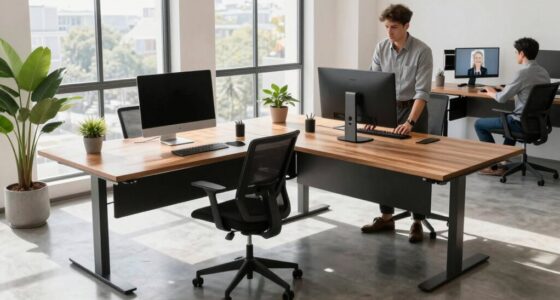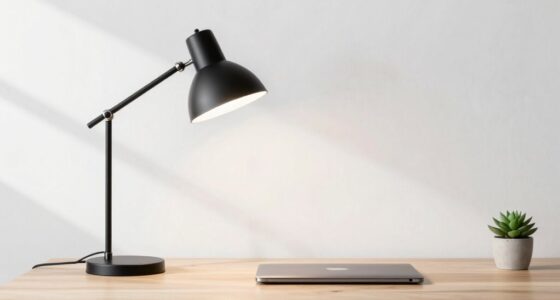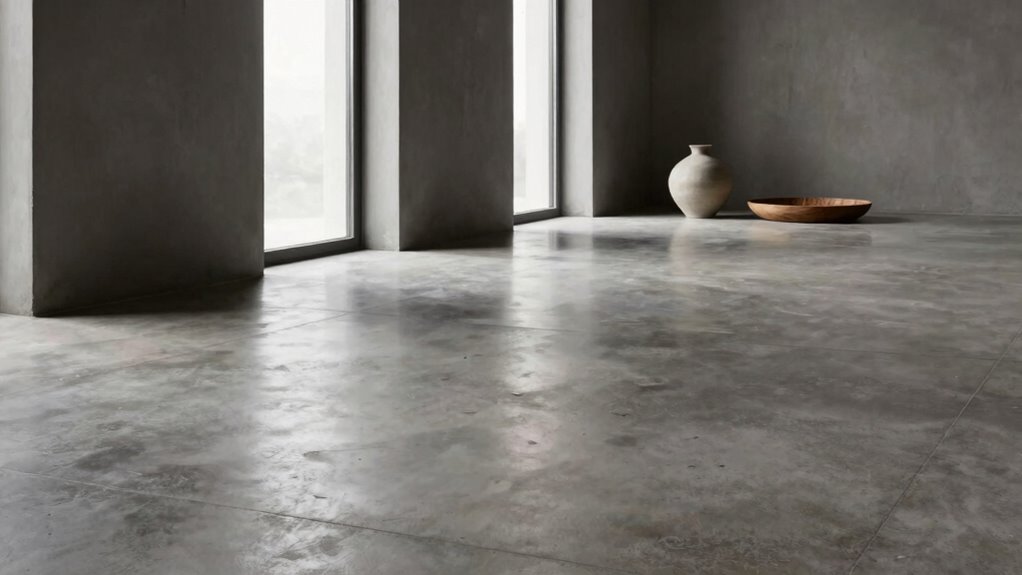

To design around fewer objects and better surfaces, focus on selecting high-quality materials that add depth and texture. Simplify your space by removing clutter, allowing each piece to stand out and create a calming atmosphere. Use contrasting textures and finishes to add visual interest, and prioritize surface quality to enhance the overall aesthetic. By balancing minimalism with thoughtful surface choices, you’ll create a harmonious, inviting environment that exudes elegance—exploring these strategies further will help you refine your design skills.

Get your wardrobe favorites delivered free with Prime
- Fast, free delivery on millions of items
- Prime Video, Amazon Music and more included
- Member-only deals all year
Key Takeaways
- Prioritize high-quality, sustainable materials that enhance visual and tactile appeal, creating a refined focal point in the space.
- Limit objects to essential pieces, ensuring each item has a purpose and contributes to overall harmony.
- Use contrasting textures and finishes to add visual interest without cluttering the environment.
- Emphasize surface quality and lighting to highlight material beauty and create a sense of spaciousness.
- Maintain a balanced layout that fosters calm, cohesion, and emphasizes the elegance of minimal objects and surfaces.
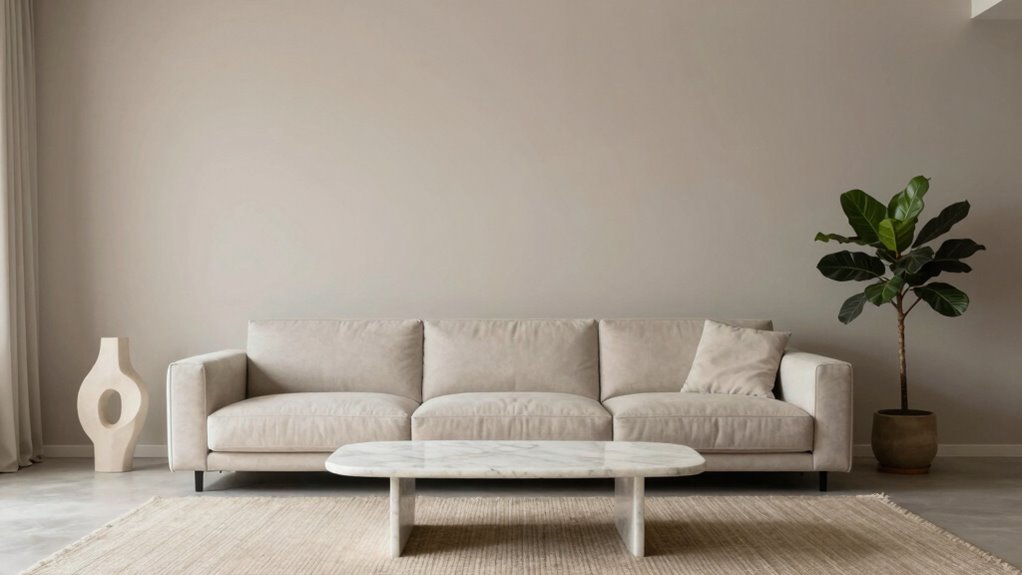
In modern design, simplifying your approach by using fewer objects can create a more elegant and effective result. When you focus on minimalism, you allow the material textures and surfaces to speak for themselves. Instead of cluttering a space with numerous items, choose a select few that serve both functional and aesthetic purposes. This not only reduces visual noise but also draws attention to the quality of each object. By doing so, you emphasize material textures—like the grain of wood, the smoothness of stone, or the matte finish of painted surfaces—which can add depth and richness to your design. These textures become the visual anchors that guide the eye and create a sensory experience.
Emphasize quality over quantity by highlighting material textures and surfaces for a refined, harmonious modern design.
Achieving spatial harmony becomes easier when you limit the number of objects in a room. With fewer elements competing for attention, you can better balance the remaining pieces, ensuring that each one complements the overall space. This balance creates a sense of calm and order, allowing the design to feel intentional rather than chaotic. You might focus on the relationship between furniture, fixtures, and open space, making sure each element enhances the other. When you prioritize spatial harmony, your design feels cohesive, and every surface choice gains significance. Additionally, material sustainability plays a crucial role in promoting environmentally conscious design choices. Incorporating environmentally friendly materials can further enhance the sustainability and aesthetic appeal of your space. Understanding the impact of materials on the environment can help guide more responsible selections. Being aware of material durability also ensures that surfaces remain functional and attractive over time, reducing the need for frequent replacements and waste.
Using better surfaces means paying close attention to how materials interact with light and how they age over time. Smooth, glossy surfaces reflect light, making a room feel brighter and more spacious, while textured surfaces add visual interest and tactile appeal. For example, a rough concrete wall can contrast beautifully with sleek, polished countertops, creating a layered effect that’s visually engaging. When you select surfaces thoughtfully, you create a tactile rhythm that guides the eye around the space. This interplay of textures and surfaces enhances the overall aesthetic without cluttering the environment with objects.
In essence, designing with fewer objects benefits from an intentional focus on the quality of surfaces and textures. You create spaces that feel open, harmonious, and inviting by emphasizing materiality and spatial balance. Every surface becomes a statement, and every object serves a purpose. When you strip away excess, you give room for the beauty of materials and the harmony of space to truly shine. This approach not only results in a cleaner, more sophisticated look but also cultivates a calming atmosphere that invites appreciation of the details.
As an affiliate, we earn on qualifying purchases.
Frequently Asked Questions
How Do Minimal Objects Impact User Experience?
Minimal objects enhance your user experience by simplifying navigation and reducing visual clutter. With object reduction, users can focus on key features, making interactions more intuitive. Better surfaces offer cleaner, more engaging interfaces, encouraging user engagement. You’ll find that fewer objects not only streamline your design but also improve overall usability, helping users accomplish tasks faster and more comfortably. This approach creates a more enjoyable, efficient digital environment.
What Materials Best Enhance Surface Quality?
You’ll find that materials like matte ceramics or brushed metals best enhance surface quality due to their appealing textures. Studies show that textured surfaces boost user satisfaction by over 30%. Incorporate surface treatments like sanding, coating, or engraving to improve tactile feedback and durability. These choices create engaging, high-quality surfaces that elevate your design, making objects feel more refined and inviting to users through thoughtful material textures and surface treatments.
How to Balance Aesthetics With Functionality?
You should prioritize ergonomic considerations to guarantee your design remains comfortable and practical, while also integrating color harmony for visual appeal. Balance aesthetics with functionality by choosing surfaces and objects that serve dual purposes, avoiding clutter. Use harmonious color palettes that enhance the space’s mood and usability. Focus on sleek, minimal objects that support your design goals, making sure each element contributes both beauty and purpose seamlessly.
Are There Industry Standards for Surface Durability?
Yes, industry standards for surface durability exist and guide your choices. You should consider surface coatings that meet these standards, guaranteeing longevity and resistance to wear. Durability testing is essential, as it measures how well a surface withstands conditions like scratches, chemicals, and impact. By adhering to these standards and conducting thorough testing, you guarantee your surfaces remain functional and aesthetically pleasing over time, aligning with both quality and safety expectations.
How Can Technology Improve Surface Design?
Technology can substantially improve surface design through innovative coatings that enhance durability and resistance. You can also optimize surface ergonomics by using advanced simulations and materials to create more comfortable, user-friendly surfaces. These innovations allow you to reduce wear and tear while increasing functionality. By integrating cutting-edge coatings and ergonomic principles, you guarantee your surfaces are both long-lasting and tailored to user needs, elevating overall design quality.
sustainable surface materials for interiors
As an affiliate, we earn on qualifying purchases.
As an affiliate, we earn on qualifying purchases.
Conclusion
By simplifying your design with fewer objects and focusing on better surfaces, you create a more impactful and user-friendly space. Remember, studies show that clutter-free environments can boost productivity by up to 20%. When you prioritize quality over quantity, your designs become more intuitive and inviting. Keep it clean, intentional, and surface-focused, and you’ll see your space transform into something both beautiful and functional. Less truly is more—so start embracing minimalism today!
high-quality textured wall finishes
As an affiliate, we earn on qualifying purchases.
As an affiliate, we earn on qualifying purchases.
modern minimalist lighting fixtures
As an affiliate, we earn on qualifying purchases.
As an affiliate, we earn on qualifying purchases.
Halloween Picks
halloween
As an affiliate, we earn on qualifying purchases.