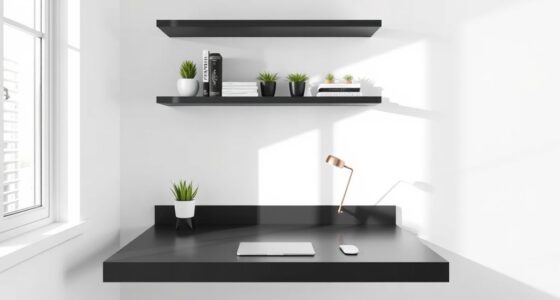
A workspace minimalism makeover starts with evaluating what’s currently there and setting clear goals, like better lighting or less clutter. Then, you clear out non-essentials and organize your tools with smart storage, creating designated zones for different tasks. Opt for a neutral color palette and minimal decor to maintain calm. Incorporate ergonomic furniture and personal touches carefully, while adopting habits to keep your space tidy long-term. Keep going to uncover detailed steps for transforming your workspace into a sleek, productive haven.
Key Takeaways
- Conduct a thorough workspace assessment, focusing on lighting, ergonomics, and decluttering goals before starting the makeover.
- Clear out unnecessary items and organize essential tools, using strategic storage to maintain a clutter-free environment.
- Define functional zones with flexible furniture and digital tools to optimize workflow and reduce distractions.
- Apply minimalist color schemes and simple decor to create a calm, cohesive aesthetic aligned with personal style.
- Establish routines for regular maintenance, cleaning, and reassessment to sustain the minimalist workspace long-term.

HUANUO Dual Monitor Stand for 13″–40″, Premium Dual Monitor Mount with USB, Height Adjustable Monitor Stand for 2 Monitors, VESA Mount with Clamp/Grommet Base, Holds 26.4lbs per Arm, HNDS7
Improved Stability for Ultrawide Monitors: The upgraded dual monitor stand combines solid aluminum arms, a larger base, and...
As an affiliate, we earn on qualifying purchases.
Assessing Your Current Workspace and Setting Goals

Before you begin transforming your workspace, it’s essential to assess what’s currently there and define clear goals. Take a close look at your workspace lighting—does it provide enough brightness without causing glare or eye strain? Consider how ergonomic accessories are supporting your comfort; are your chair, keyboard, and monitor positioned correctly? Identifying what works and what doesn’t helps you prioritize changes. Set specific objectives, like improving lighting quality or reducing clutter, to guide your makeover. Knowing your ideal setup allows you to eliminate unnecessary items and focus on essentials. Clear goals ensure your space becomes more functional and aligned with your needs, making the entire transformation more effective and satisfying. Additionally, understanding your color accuracy traits can help tailor your workspace to better suit your work style and improve productivity.
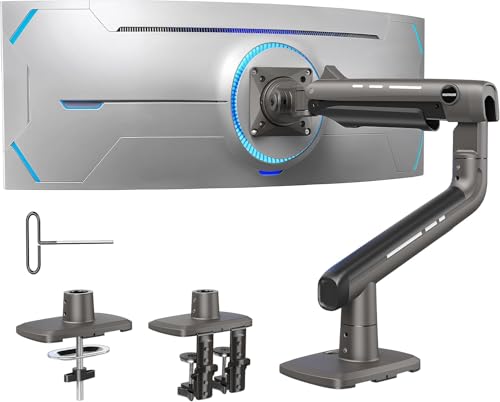
HUANUO TitanLift Heavy Duty Monitor Arm for Screens up to 49", Holds 44 lbs, Aluminum Ultrawide Screen Monitor Mount, Fully Adjustable Single Gaming Desk Mount with Dual C-Clamp, Max VESA 100x100mm
Fits up to 49" Ultrawide Screens: Ensure your monitor is compatible with the HUANUO TitanLift monitor arm by...
As an affiliate, we earn on qualifying purchases.
Clearing Out Clutter and Identifying Essential Items
Start by sorting your items into categories to see what you really need. Remove anything that doesn’t serve a clear purpose right away. Focus on defining your must-have tools to keep your workspace streamlined and functional. Incorporating analytics tools can help you identify which items are used most frequently, further refining your essential list. Additionally, evaluating the shelf life of common items can prevent clutter caused by expired or spoiled products. Recognizing how decluttering can lead to increased mental clarity underscores the importance of this process for overall productivity. Understanding the nutritional value of juices can also inform your choices about what to keep or discard, especially if you store beverages or snacks nearby. Using pimple patches as a metaphor, you might consider how small, targeted solutions can help clear your clutter efficiently and effectively.
Sort and Categorize Items
To effectively clear out clutter, you need to sort and categorize your items into distinct groups. Begin by separating decorative accents from functional tools, and organize items based on their purpose. As you do this, consider how each item fits within your workspace’s color schemes; grouping similar colors can create a cohesive look. Identify which items are essential for daily tasks and which are purely aesthetic. Keep only the necessary tools and minimal decorative accents that enhance your environment without overwhelming it. This process helps you see what truly contributes to your workspace’s functionality and style. Clear categorization reduces visual noise, making it easier to maintain a clean, streamlined area aligned with your minimalist goals. Incorporating eco-friendly options can also minimize environmental impact while maintaining a tidy workspace. Additionally, focusing on minimalist design principles can further refine your space and promote a calm, organized environment. Embracing a creative practice during this process can inspire innovative ways to optimize your space and make the most of limited resources, especially by exploring sustainable materials that support both aesthetics and environmental health. Being aware of glycolic acid products and their benefits can also be useful for maintaining healthy skin as part of your self-care routine.
Remove Non-Essentials Promptly
Have you ever noticed how quickly clutter accumulates in your workspace? To maintain minimalism, remove non-essentials promptly. Start by clearing out items that don’t serve a specific purpose, like outdated papers or unused gadgets. Keep only essential tools, such as ergonomic accessories that support comfort and productivity. As you declutter, guarantee your space isn’t overwhelmed; a tidy desk with fewer distractions helps you focus. Incorporate ambient lighting to create a calm atmosphere, reducing visual chaos. Regularly reassess your workspace to identify new non-essentials and eliminate them. This ongoing process prevents clutter from piling up again and makes it easier to maintain a clean, organized environment. Remember, a minimalist workspace boosts efficiency and promotes mental clarity. Additionally, implementing storage solutions can help keep your essentials organized and easily accessible, further supporting your minimalist goals. Incorporating rustic decor elements can also add warmth and character without cluttering the space, and paying attention to cultural and regional breakfast traditions can inspire cozy, personalized touches in your environment. To ensure your space stays fresh, consider air quality improvements, such as plants or air purifiers, which can also boost your mood and productivity. Maintaining a clutter-free environment also involves understanding ergonomic principles, so your workspace remains both functional and comfortable.
Define Must-Have Tools
As you clear out non-essentials from your workspace, it becomes easier to identify which tools truly support your productivity. Focus on defining your must-have tools, including digital tools and organizational apps that streamline your tasks. Keep only the items that directly enhance your work, such as a reliable laptop, a note-taking app, or project management software. Assess whether each tool saves you time or reduces clutter rather than adding distractions. Digital tools should automate or simplify workflows, while organizational apps help you prioritize and track progress. By narrowing down your essentials, you’ll create a clean, focused environment that promotes efficiency. Remember, minimalism isn’t about deprivation—it’s about choosing tools that genuinely serve your goals.

Logitech G413 SE Full-Size Mechanical Gaming Keyboard - Backlit Keyboard with Tactile Mechanical Switches, Anti-Ghosting, Compatible with Windows, macOS - Black Aluminum
Take your gaming skills to the next level: The Logitech G413 SE is a full-size keyboard with gaming-first...
As an affiliate, we earn on qualifying purchases.
Choosing a Minimalist Color Palette and Design Elements

How can you create a calming and cohesive workspace? Start by selecting a minimalist color palette that promotes tranquility. Focus on color harmony by choosing neutral shades like soft grays, whites, or muted earth tones, which serve as a peaceful foundation. Add subtle accent accents in muted tones or natural materials to bring warmth and visual interest without cluttering your space. Keep design elements simple: sleek furniture, clean lines, and minimal decorative objects help maintain clarity. Limit your color palette to two or three complementary hues to prevent overstimulation. This approach ensures your workspace feels balanced and inviting, reducing stress and boosting focus. Remember, simplicity in colors and carefully chosen accents are key to fostering a productive, minimal environment. Incorporating interior antiques with seasonal arrangements can also enhance the ambiance without overwhelming the space. Integrating alarm clocks into your workspace can help establish a routine and improve time management, contributing to a more organized environment. Additionally, understanding the mechanics of pinball machines can inspire creative design elements or playful decor that subtly energizes your space without disrupting minimalism. Exploring wall surface finishes can further refine the aesthetic by adding texture and depth to your minimal design.

Logitech C920e HD 1080p Mic-Enabled Webcam, Certified for Zoom, Microsoft Teams Compatible, TAA Compliant
With a 78° fixed field of view, the C920e webcam displays individual users in a well-balanced frame, while...
As an affiliate, we earn on qualifying purchases.
Organizing Your Desk With Smart Storage Solutions
Organizing your desk with smart storage solutions can transform your workspace into a clutter-free zone that promotes focus. Use ergonomic accessories like adjustable stands and keyboard trays to keep essentials within easy reach, reducing clutter and improving comfort. Incorporate decorative accents such as stylish organizers or minimalistic trays to add visual appeal without sacrificing function. Clear out unnecessary items regularly and choose multi-purpose storage options to maximize space. Consider drawer dividers and wall-mounted holders to keep supplies tidy and accessible. Be mindful of potential skin irritation from certain materials or ingredients in skincare products like eye patches. Additionally, understanding the materials used in home decor can help in selecting durable and aesthetically pleasing storage solutions, ensuring your workspace remains fully functional. By thoughtfully selecting storage solutions, you create a streamlined environment that fosters productivity. Remember, the goal is to keep your workspace simple, functional, and visually pleasing—making it easier to stay focused and motivated throughout your day.
Creating Zones for Different Tasks and Activities
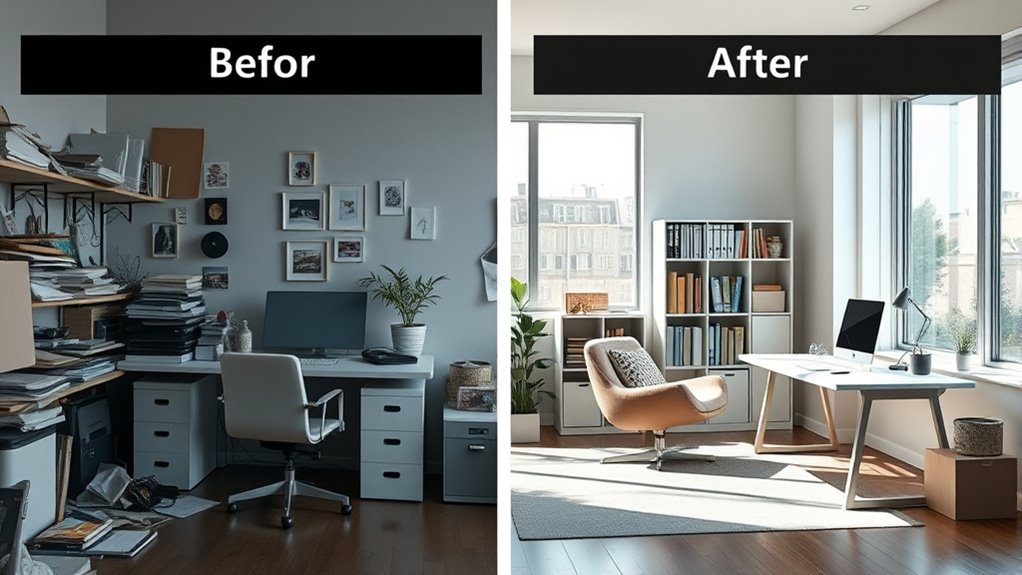
Setting up designated work areas helps you stay focused and organized for specific tasks. Incorporate flexible multi-use spaces so your workspace adapts to changing needs. By creating these zones, you’ll streamline your workflow and maintain a clutter-free environment.
Designated Work Areas
Creating designated work areas in your workspace helps you stay focused and productive. When you carve out specific zones for different tasks, you reduce distractions and streamline your workflow. Use creative storage solutions to keep each area tidy and clutter-free, making it easier to switch between activities. Prioritize ergonomic design in your zones to ensure comfort and prevent strain during long work sessions. Consider setting up a separate space for computer work, another for creative projects, and a quiet corner for focused tasks. This separation helps your mind shift gears quickly and maintains clarity. Remember, clearly defined zones foster efficiency and help maintain a minimalist aesthetic, keeping your workspace clean and organized.
Flexible Multi-Use Spaces
Designated work areas set the foundation for a productive workspace, but flexibility can take your setup even further. By incorporating modular furniture, you create adaptable layouts that easily shift to meet your needs. For instance, a foldable desk or mobile storage allows you to reconfigure your space quickly, transforming it from a focused work zone to a creative area or a relaxation spot. Use open shelving and multi-functional furniture to define zones without clutter, maintaining minimalism while offering versatility. This approach helps prevent workspace stagnation and enhances efficiency, enabling you to switch between tasks seamlessly. With flexible multi-use spaces, your workspace adapts to your workflow, keeping it uncluttered and functional, no matter the activity.
Incorporating Ergonomic and Functional Furniture
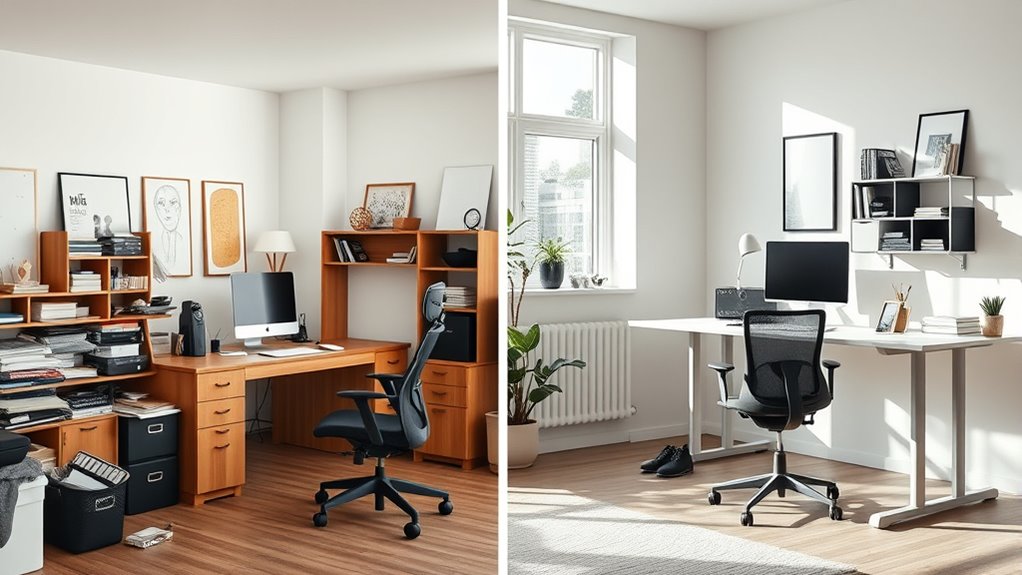
Incorporating ergonomic and functional furniture is essential for transforming your workspace into a comfortable and efficient environment. Choosing ergonomic seating ensures proper posture, reducing strain and increasing productivity. Functional furniture, like adjustable desks and storage solutions, keeps your space organized and adaptable. To optimize your setup, consider these key points:
Ergonomic and functional furniture boosts comfort, organization, and productivity in your workspace.
- Select ergonomic seating that supports your back and promotes healthy sitting habits
- Invest in adjustable furniture to customize your workspace according to your needs
- Use multi-purpose pieces that combine storage and surface area, reducing clutter
Adding Personal Touches Without Overcrowding

Adding personal touches can make your workspace feel more inviting and reflect your personality, but it’s easy to accidentally create clutter. To avoid this, choose a few meaningful items that truly inspire you. Incorporate personalized decor like a sleek photo frame or a unique desk accessory, and display sentimental items such as a small keepsake or a favorite mug. Keep these additions intentional and limited to maintain minimalism. Use the table below to help prioritize your personal touches:
| Item Type | Example | Placement Tips |
|---|---|---|
| Personalized decor | Custom desk mat | Keep within arm’s reach |
| Sentimental items | Family photo | On a dedicated corner |
| Functional accents | Stylish pen holder | Near your workspace |
Choose quality over quantity to keep your space clean, inspiring, and clutter-free.
Implementing Maintenance Habits for Long-Term Minimalism
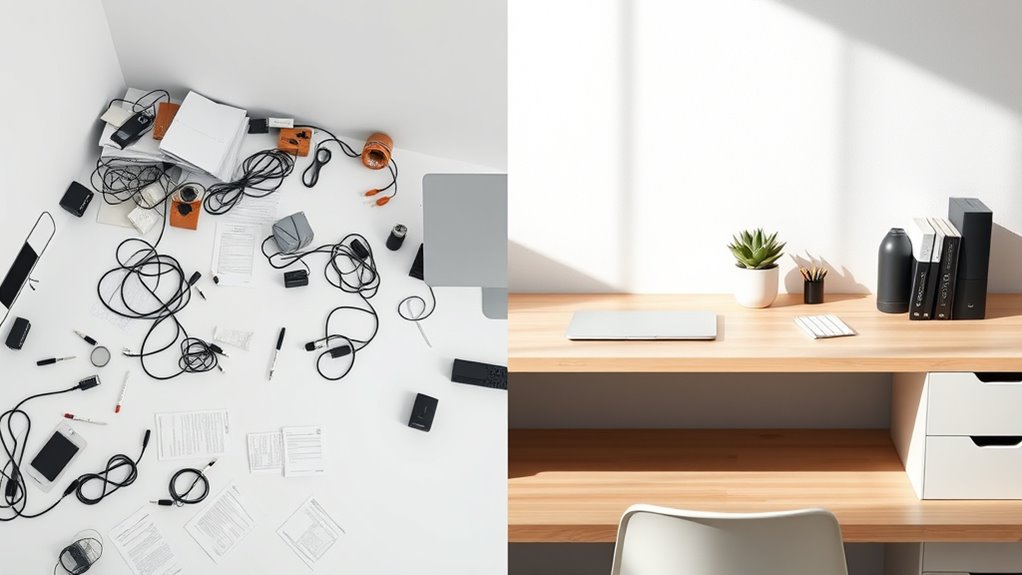
To maintain a minimalist workspace over the long term, establishing consistent habits is essential. Habit formation helps you stay organized and prevents clutter from creeping back in. For long-term maintenance, incorporate routines that reinforce your minimalism goals.
Consider daily habits like:
- Regularly sorting and discarding unnecessary items
- Setting aside specific times for cleaning and organizing
- Limiting new additions to essential items only
Showcasing Stunning Before-and-After Workspace Transformations
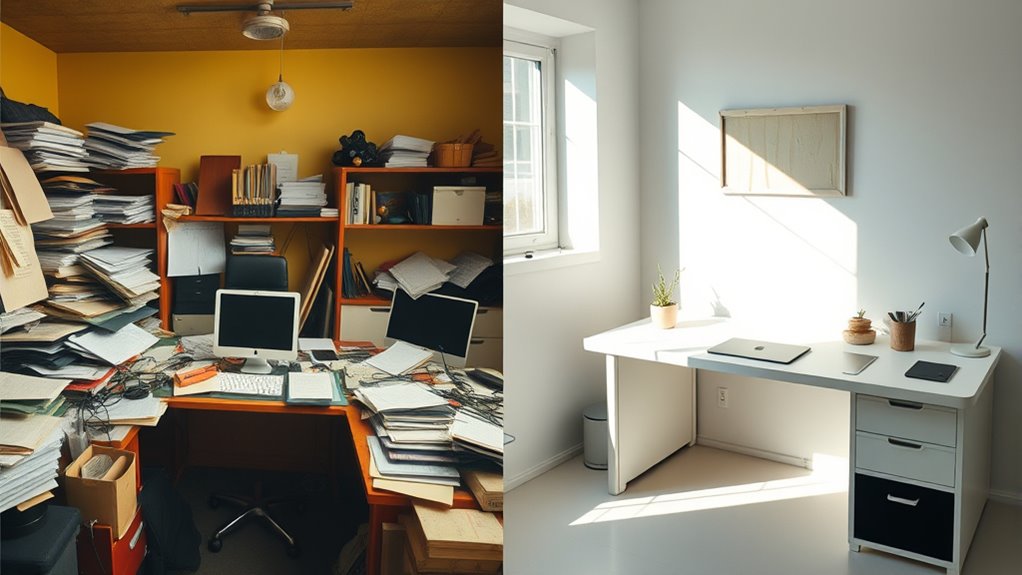
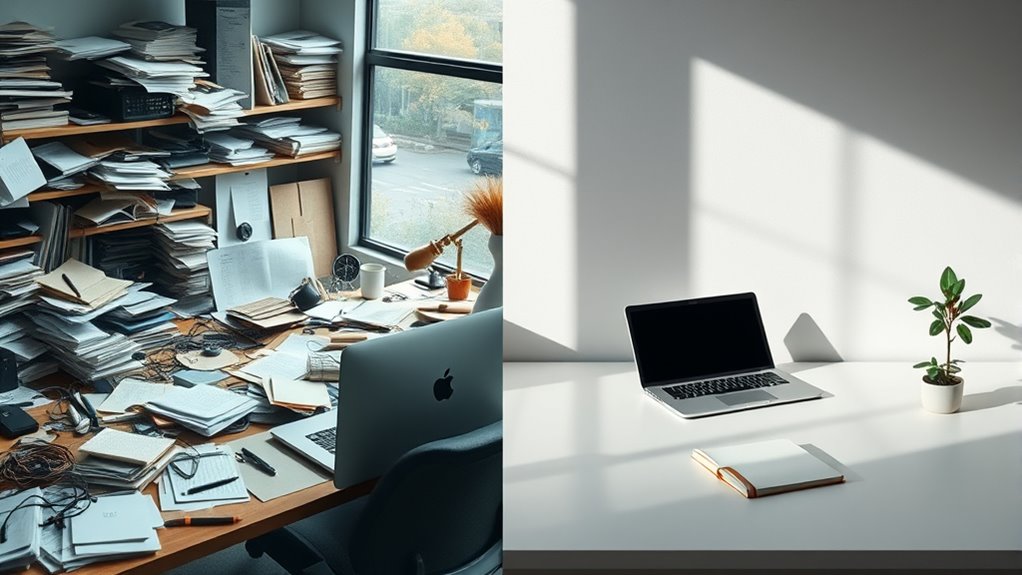
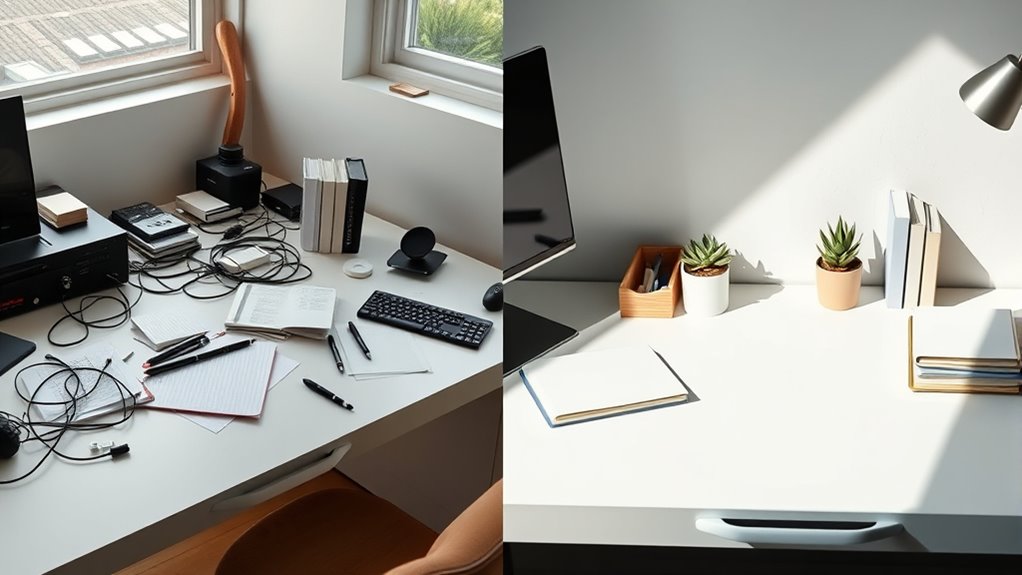
Have you ever wondered how a cluttered workspace transforms into a sleek, minimalist haven? Showcasing stunning before-and-after workspace transformations highlights the power of intentional design. Notice how improved workspace aesthetics instantly boost your motivation and focus. The before photos often reveal chaos—mountains of papers, tangled cords, and excess décor—while the after shots reveal clean surfaces and thoughtful organization. These transformations demonstrate effective productivity techniques, like decluttering and strategic storage, making your tasks feel more manageable. Seeing real examples inspires you to adopt similar changes, proving that a simple makeover can elevate your environment and workflow. Ultimately, these visual contrasts motivate you to prioritize simplicity, helping turn your workspace into a productive, calming space you’ll want to spend time in.
Frequently Asked Questions
How Do I Maintain Minimalism During Busy Work Periods?
During busy work periods, you can maintain minimalism by implementing productivity hacks like setting clear priorities and limiting distractions. Keep your ergonomic setup simple and organized to boost focus and comfort. Regularly declutter your workspace and only keep essential items within reach. Use digital tools to streamline tasks and avoid unnecessary clutter. Staying disciplined helps you preserve a minimalist environment, ensuring you remain productive even during hectic times.
What Are Budget-Friendly Tips for Workspace Transformation?
You can transform your workspace on a budget by using simple hacks like repurposing items you already own and adding DIY decor to personalize your space. Focus on decluttering with affordable storage solutions, and incorporate inexpensive plants or artwork to create a calming environment. These budget hacks help you achieve a minimalist look without overspending, making your workspace more organized, inspiring, and efficient.
How Can I Personalize My Minimalist Workspace Effectively?
Imagine your workspace as a blank canvas waiting for your touch. You can personalize it effectively with simple techniques like adding meaningful decorative accents—plants, photos, or inspiring quotes—that reflect your personality. Use these personalization techniques sparingly to keep your minimalist vibe intact. Choose items that inspire, energize, and make you feel at home. It’s about creating a space that feels uniquely yours without cluttering your clean, organized environment.
What Are Common Mistakes to Avoid in Workspace Decluttering?
You should avoid clutter accumulation by not leaving unnecessary items on your desk. Rely on effective storage solutions to keep things organized and out of sight. Don’t keep too many personal or decorative items, which can add to chaos. Regularly reassess your workspace, removing anything that doesn’t serve a purpose. By doing so, you maintain a clean, focused environment that promotes productivity and prevents clutter from taking over.
How Often Should I Reassess My Workspace Organization?
You should reassess your workspace organization every three to six months to stay efficient. During these reviews, focus on ergonomic accessories to guarantee comfort and address digital decluttering by deleting unnecessary files and organizing your digital workspace. Regularly updating your setup helps prevent clutter buildup, promotes productivity, and keeps your environment ergonomic and streamlined, making it easier to work comfortably and effectively.
Conclusion
Embracing a minimalist workspace gently opens your environment to clarity and calm. As you continue to refine your space, you’ll find it becomes a quiet sanctuary where creativity flows effortlessly. Remember, small changes nurture a sense of peace and purpose. With patience and care, your workspace transforms into a welcoming haven—one that inspires focus and well-being every day. Let your journey toward simplicity be a gentle, rewarding unfolding.