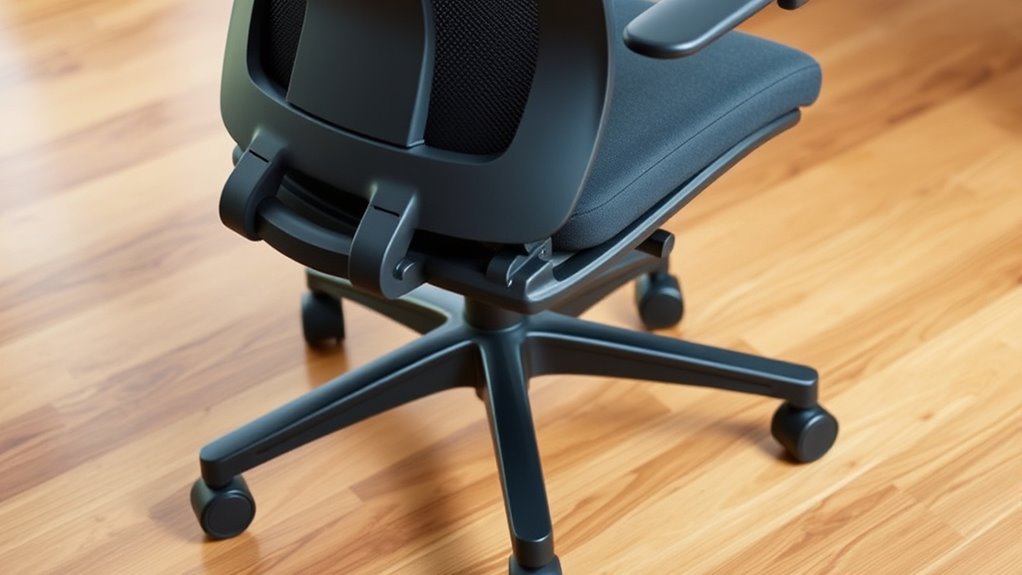

An ergonomic chair is designed to support your body comfortably during long sits. Look for features like adjustable seat height and depth, so your feet stay flat and knees aren’t pressed. Lumbar support keeps your lower back aligned, reducing strain. Flexible armrests position your arms properly, and a supportive backrest encourages good posture. Breathable materials prevent overheating, keeping you focused. Want to know how these features work together? Keep exploring to learn more.

Get your wardrobe favorites delivered free with Prime
- Fast, free delivery on millions of items
- Prime Video, Amazon Music and more included
- Member-only deals all year
Key Takeaways
- Adjustable seat height and depth ensure proper foot placement and reduce thigh pressure for personalized comfort.
- Lumbar support maintains proper spine alignment and prevents back strain through customizable fit.
- Flexible armrests promote correct arm and shoulder positioning, reducing fatigue during extended use.
- Seat and backrest promote good posture with adjustable features that support natural spine curves.
- Breathable, high-quality materials enhance airflow and comfort while extending the chair’s durability.
Top picks for "chair ergonomic featur"
As an affiliate, we earn on qualifying purchases.
Adjustable Seat Height and Depth
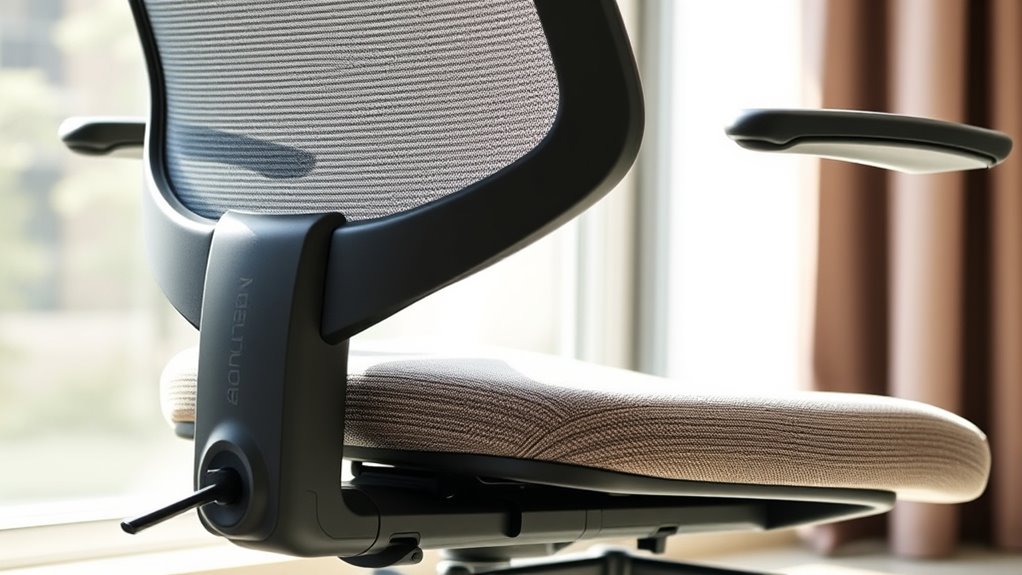
Adjustable seat height and depth are essential features that let you customize your chair for maximum comfort and support. When you modify the seat height, you ensure your feet rest flat on the floor, reducing pressure on your thighs and promoting good circulation. The seat depth adjustment allows you to set the distance between your back and the edge of the seat, preventing unnecessary pressure on your knees and enhancing overall comfort. A well-designed frame supports these adjustments, maintaining stability and durability over time. Good seat padding complements these features by offering cushioning that adapts to your movements. Together, the frame design and adjustable seat settings help create a personalized sitting experience, reducing fatigue and encouraging proper posture during long hours at your desk. Proper ergonomic design can further optimize comfort and support during extended periods of sitting.
Lumbar Support for Lower Back Comfort
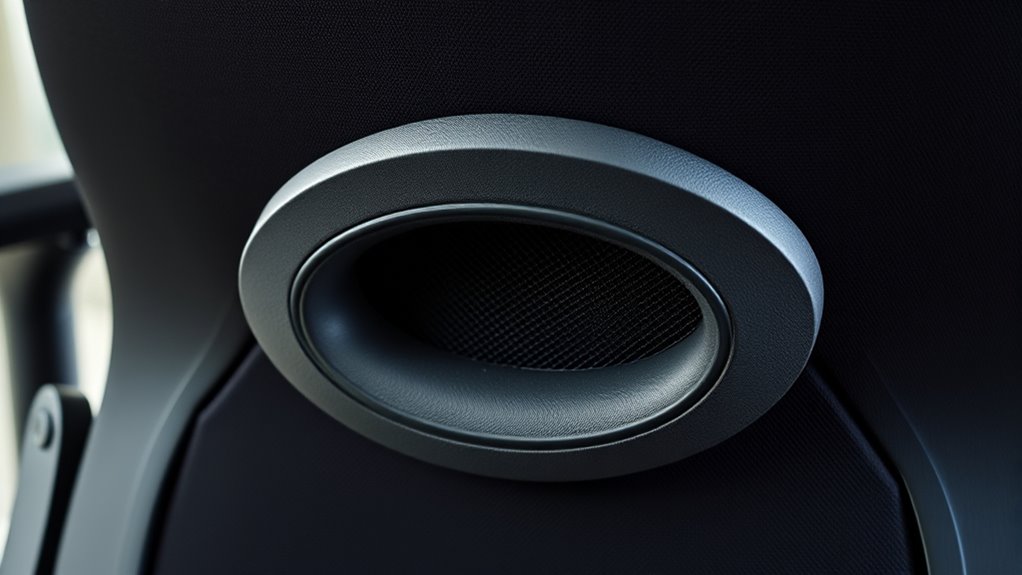
A well-designed ergonomic chair supports your lower back by providing effective lumbar support, which helps maintain proper spine alignment. This feature promotes posture correction and reduces fatigue. An ergonomic design with adjustable lumbar support allows you to customize the fit, ensuring your lower back stays comfortable throughout the day. Proper lumbar support prevents slouching and strain, contributing to overall back health. To visualize, consider this: Lumbar Support Features improve comfort and support. Investing in a chair with good lumbar support supports healthy posture and minimizes discomfort during long hours seated. Additionally, choosing a chair with contoured design can further enhance the natural support provided to your lower back. Incorporating adjustability options ensures the lumbar support adapts to your changing needs for optimal comfort. Moreover, selecting a chair with ergonomic principles in mind can further optimize your seating experience and promote better spinal health. Implementing ergonomic standards in chair design can also help prevent long-term musculoskeletal issues.
Flexible Armrests for Proper Arm Positioning

Flexible armrests are essential for maintaining proper arm and shoulder alignment, especially during long periods of seated work. When your armrest adjustability allows you to set the height and width to match your body, you reduce strain on your shoulders and neck. Properly adjusted armrests support your arms comfortably, preventing slouching or reaching forward. Look for armrest padding that provides cushioning without being too soft or hard; this ensures comfort during extended use. Adjustable armrests enable you to keep your elbows close to your body at a 90 to 110-degree angle, promoting good posture. By customizing armrest height and padding, you create a more ergonomic workspace, reducing fatigue and enhancing overall comfort throughout your workday. Ensuring that the armrests are properly maintained also contributes to their durability and consistent support, which is important for ergonomic furniture longevity. Regular inspection and cleaning of your armrests can prevent wear and ensure they continue to support your posture effectively. Additionally, choosing adjustable and cushioned armrests can further improve comfort and support during prolonged use. Incorporating ergonomic features such as these can significantly improve your overall seating experience and prevent discomfort.
Seat and Backrest That Promote Good Posture

To maintain good posture during long hours of sitting, choosing a seat and backrest that support your spine’s natural curves is essential. Look for a chair with adjustable features to guarantee proper alignment. The cushion firmness should strike a balance—it shouldn’t be too soft or too hard—so you remain comfortable without sacrificing support. An ergonomic backrest encourages proper lumbar support, helping to reduce strain on your lower back. Additionally, the aesthetic design matters; a visually appealing chair can motivate you to sit correctly and contribute to your workspace’s overall harmony. Incorporating adjustable features such as height, tilt, and lumbar support can further optimize ergonomic benefits. Prioritize a seat and backrest that promote good posture, combining functional support with a clean, attractive look to make your sitting experience healthier and more enjoyable. Regularly assessing and adjusting the chair’s setup can further enhance comfort and support, preventing discomfort and promoting better ergonomic habits. Being aware of ergonomic principles can help you select and maintain the most supportive seating for your needs. Understanding ergonomic vehicle tuning concepts can also inspire ergonomic solutions beyond seating, improving overall comfort in different environments. Staying informed about user-centric design can guide you in choosing ergonomic furniture that adapts well to diverse body types and preferences.
Breathable, High-Quality Materials

Choosing chairs made from breathable, high-quality materials guarantees you stay comfortable during long sitting periods. Mesh fabric is an excellent option, as it promotes airflow and prevents overheating, keeping you cool and focused. Its durability ensures your chair remains supportive over time. Memory foam, on the other hand, molds to your body’s shape, providing personalized comfort and pressure relief. When combined with breathable materials, it prevents heat buildup and maintains a fresh feel. High-quality fabrics not only enhance comfort but also extend the lifespan of your chair, making it a worthwhile investment. By selecting a chair with mesh fabric and memory foam cushioning, you ensure maximum comfort and ventilation, helping you stay productive and comfortable throughout your workday. Additionally, considering Mazda Tuning features can inspire ergonomic vehicle modifications that optimize your driving posture and comfort. Recognizing AI in Retail Success can also inform the development of smarter workspace environments that adapt to user needs and promote health. Proper ergonomic design emphasizes the importance of user-centric features, which can significantly reduce discomfort and fatigue during extended use. Incorporating personalized adjustments into your chair can further enhance comfort and support during long hours of sitting, similar to how dog names are carefully chosen to reflect personality and style.
Frequently Asked Questions
How Do I Determine the Best Ergonomic Chair for My Body Type?
To find the best ergonomic chair for your body type, focus on adjustability options like seat height, armrests, and tilt so you can customize comfort. Guarantee it offers proper lumbar support that fits your lower back’s curve, reducing strain during long hours. Try sitting in different chairs, checking for support and comfort, and select one that adapts to your body’s unique shape. Your comfort and posture depend on these key features.
Can Ergonomic Chairs Help Prevent Long-Term Musculoskeletal Issues?
Yes, ergonomic chairs can help prevent long-term musculoskeletal issues by providing proper lumbar support and adjustable height. When you sit in an ergonomic chair, it encourages good posture, reducing strain on your spine and muscles. By maintaining alignment and minimizing pressure points, these features avoid discomfort and injury over time. Regularly using a chair with adjustable settings ensures you stay comfortable and healthy during prolonged sitting periods.
What Maintenance Is Required to Keep an Ergonomic Chair Functioning Properly?
Maintaining your ergonomic chair means managing its movement and messes. Follow a consistent cleaning schedule to keep dirt and dust at bay, guaranteeing smooth functioning. Lubrication tips include applying a light spray or grease to moving parts like casters and tilt mechanisms, preventing squeaks and stiffness. Regularly check for loose screws or bolts, tightening them promptly. This simple routine preserves performance, prolongs lifespan, and ensures your chair remains comfortable and supportive.
Are There Specific Industries or Professions That Benefit Most From Ergonomic Chairs?
You’ll find that industries like office work, healthcare, and tech benefit most from ergonomic chairs. These professions often require long hours at a desk, making office ergonomics and ergonomic design principles essential for comfort and productivity. Using chairs designed with these principles helps reduce strain and injury, ensuring you stay comfortable and focused throughout your workday. Investing in ergonomic seating is especially valuable if your job involves prolonged sitting.
How Often Should I Replace or Upgrade My Ergonomic Office Chair?
You should replace or upgrade your ergonomic office chair every 5 to 8 years, depending on its chair lifespan and usage. Regular ergonomic upgrades, like new cushions or adjustable features, can prolong its comfort and support. Keep an eye on signs like persistent discomfort, worn-out padding, or mechanical issues, which indicate it’s time for a replacement. Staying proactive ensures your chair continues to support your health and productivity.
Conclusion
Now that you know the key features of an ergonomic chair, you’re equipped to make a smarter choice. Remember, a good chair isn’t just furniture—it’s your partner in comfort and productivity. Think of it as your silent ally, working tirelessly to support your body. When you select a chair with these features, you’re not just sitting—you’re investing in your health and well-being. So, why settle for less when comfort is just a choice away?
Halloween Picks
halloween
As an affiliate, we earn on qualifying purchases.