To avoid turning minimalism into a chore, focus on adopting a flexible, intentional mindset rather than aiming for perfection. Embrace progress over perfection by making mindful choices that reflect what truly matters to you. Remember, minimalism is about creating space for meaningful moments, not about achieving an ideal. Stay patient and kind to yourself along the way, and explore how embracing your personal style makes the process more enjoyable. Continue exploring to discover practical ways to keep it simple and sustainable.
Open a free Amazon Business account
Business pricing, bulk buying and tax-exempt orders.
As an affiliate, we earn on qualifying purchases.
Key Takeaways
- View minimalism as a flexible tool, not a rigid rule, to prevent it from feeling like a chore.
- Focus on intentional choices that reflect your values rather than striving for perfection.
- Avoid perfectionism by embracing progress over perfection and celebrating small decluttering wins.
- Remember minimalism is about creating space for meaningful experiences, not achieving a spotless environment.
- Maintain a mindset of adaptability, allowing your space to evolve naturally without guilt or pressure.
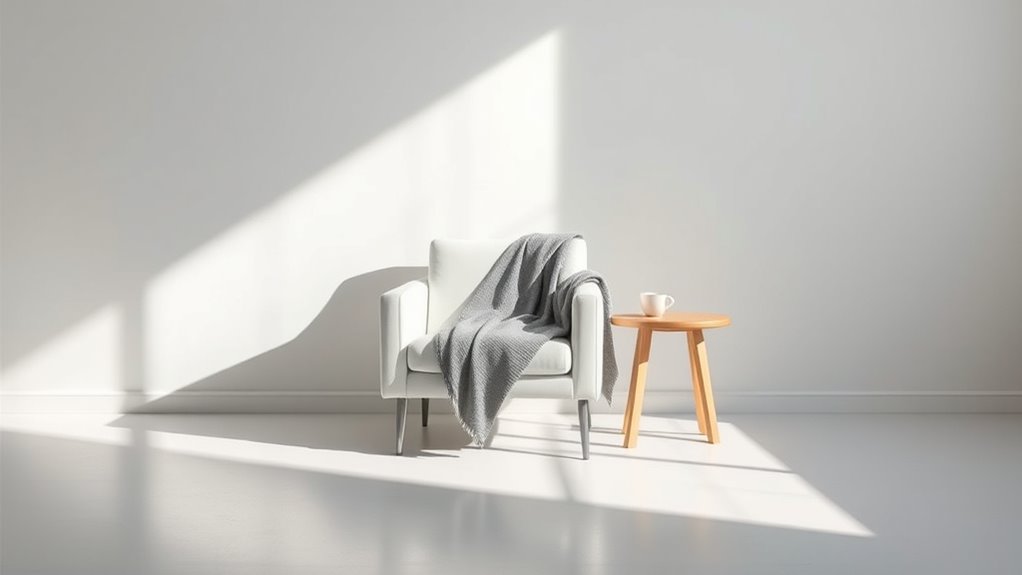
Many people mistake minimalism for just decluttering, but at its core, it’s a mindset that emphasizes intentionality and simplicity. It’s about creating space that reflects what truly matters to you, not just clearing out belongings or achieving a picture-perfect home. When you approach minimalism this way, clutter reduction becomes a deliberate act. You assess your possessions and keep only what adds value, whether that’s functional, sentimental, or aesthetic. This process isn’t about erasing personality or living in stark emptiness; it’s about making space for what truly enhances your life. As you reduce clutter, you also establish aesthetic consistency — a cohesive look that aligns with your style and brings harmony to your environment. This consistency isn’t about perfection; it’s about coherence and calm, creating a backdrop where each item has purpose and place. When you focus on intentional decluttering, you avoid the trap of turning minimalism into a chore. Instead of obsessing over every detail or feeling guilty about imperfections, you recognize that minimalism is a flexible tool for cultivating clarity. You’re not trying to reach an ideal that’s impossible to maintain; you’re designing a space that feels right for you. This shift in perspective helps you stay motivated rather than overwhelmed. As you fine-tune your environment, you’ll notice that clutter naturally diminishes, and your space feels more balanced and intentional. Achieving aesthetic consistency isn’t about uniformity for its own sake; it’s about creating a visual flow that supports your daily life. When your surroundings are cohesive, it’s easier to find what you need and feel relaxed in your space. This consistency also reduces visual noise, helping you focus on what truly matters and fostering a sense of calm. Remember, minimalism isn’t about perfection; it’s about making mindful choices that serve your lifestyle. By focusing on clutter reduction and aesthetic consistency, you create an environment that’s both functional and beautiful. You’ll find that maintaining this balance doesn’t have to be a chore, especially when you view it as a reflection of your values rather than an obligation. Incorporating a sustainable mindset into your approach ensures that minimalism remains a manageable and fulfilling lifestyle choice. In the end, it’s about cultivating a space that supports your well-being, not about chasing an ideal that’s impossible to achieve.

adidas Lineage Backpack for Laptop, School and Travel, 22L
- Spacious Main Compartment: Fits school supplies, gym clothes, snacks
- Padded Laptop Sleeve: Holds up to 16-inch laptops securely
- Multiple Zippered Pockets: Organizes small items and accessories
As an affiliate, we earn on qualifying purchases.
Frequently Asked Questions
Can Minimalism Improve Mental Health?
Yes, minimalism can improve your mental health by encouraging mindful consumption, which helps reduce clutter and stress. As you simplify your life, you let go of emotional baggage, making it easier to focus on what truly matters. This intentional approach promotes clarity, calmness, and emotional resilience. By avoiding perfectionism, you guarantee minimalism remains a positive, sustainable practice that supports your overall well-being rather than becoming a source of stress.
How Do I Start Decluttering Without Feeling Overwhelmed?
Start decluttering by setting small, achievable goals to avoid feeling overwhelmed. Use motivational strategies like rewarding yourself after each step and focusing on progress, not perfection. Gather decluttering tools such as boxes, bags, and labels to organize efficiently. Break the process into sections, tackling one area at a time. Remember, consistency is key—celebrate your accomplishments to stay motivated and make decluttering a manageable, rewarding experience.
Is Perfectionism Always Harmful in Minimalism?
Did you know that 80% of people find perfectionism hinders progress? Perfectionism pitfalls can make minimalism feel like a chore rather than a freeing process. While a minimalist mindset encourages simplicity, aiming for perfection often leads to burnout. Remember, minimalism isn’t about flawlessness but intentional living. Embrace progress over perfection, and you’ll find that decluttering becomes manageable and even enjoyable, not a source of stress.
What Are Common Signs of Perfectionism in Minimalism?
You might notice perfectionist tendencies in your minimalism when you obsess over every detail, constantly seeking the perfect setup. A clutter obsession can also show up, where you feel anxious if things aren’t perfectly organized or if you can’t declutter enough. These signs indicate that perfectionism is impacting your minimalism journey, making it more stressful than freeing. Recognizing these tendencies helps you find a healthier, more balanced approach.
How Can I Maintain Minimalism Long-Term?
To maintain minimalism long-term, you should develop practical habits like regularly reassessing your belongings and avoiding emotional attachment to items. Keep your goals flexible, understanding that minimalism isn’t about perfection but simplicity. Stay mindful of your motivations, and don’t let perfectionism turn it into a chore. By embracing progress over perfection, you’ll find it easier to sustain minimalism and enjoy its benefits without feeling overwhelmed.

VANKEAN 15.6 Inch Laptop Backpack for Women Large Capacity
- Multi-Functional Design: 5 compartments and 2 side pockets
- Laptop and Tablet Storage: Fits 15.6 inch laptop and tablets
- Spacious & Organized: Multiple compartments for essentials
As an affiliate, we earn on qualifying purchases.
Conclusion
So, congratulations! You’ve mastered the art of turning minimalism into a full-time gig of perfectionism. Who knew decluttering was just an elaborate way to stress yourself out? Remember, the goal isn’t to create a museum-worthy space or to prove your worth through spotless surfaces. Sometimes, letting go of the need to be perfect is the ultimate minimalism move. Embrace imperfection—you might just find it’s the real key to freedom.

abshoo Big Student Laptop Backpack For College Women Middle High School Teen Girls Bookbag Travel Daypack (Black)
- Large Capacity: Fits 15.6-inch laptops and essentials
- Durable Water-Resistant Fabric: Made with oxford material for durability
- Breathable Adjustable Straps: Relieves shoulder pressure for comfort
As an affiliate, we earn on qualifying purchases.
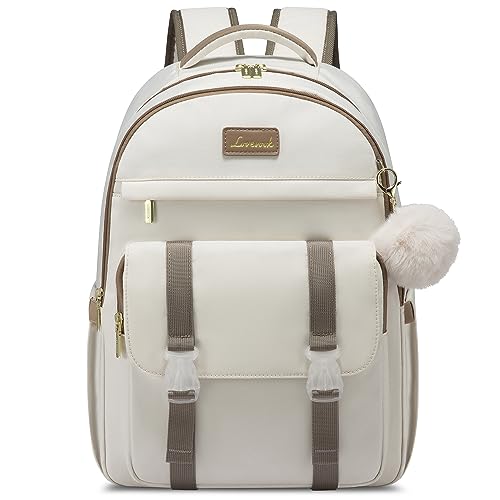
LOVEVOOK School Backpack for Teen Girls, Student Backpack Purse for 14-16 Teenage, Cute Kid Bookbag, Back to School Backpacks Fit 15.6 Inch Laptop, Large College Travel Bag, Beige-khaki
- Stylish Gift with Accessories: Includes fluffy ball key charm and colorful options
- Large Capacity Storage: Four compartments and thirteen pockets for organization
- Padded Laptop and Water Bottle Pockets: Securely fits 15.6-inch laptops and bottles
As an affiliate, we earn on qualifying purchases.
College move-in / dorm season Picks
dorm essentials
As an affiliate, we earn on qualifying purchases.