
Saying no is a powerful way to declutter your commitments and regain focus. When you establish clear boundaries, you protect your time and mental space for what truly matters. Prioritizing tasks helps you focus on activities with the biggest impact, while assertive communication ensures you decline politely but confidently. Mastering this skill reduces stress and opens up space for personal growth and passions. Keep exploring to discover how saying no can transform your life for the better.
Listen free for 30 days with Audible
Thousands of audiobooks and originals — cancel anytime.
As an affiliate, we earn on qualifying purchases.
Key Takeaways
- Saying no protects your time and mental space, enabling you to focus on priorities aligned with your goals and values.
- Establishing boundaries helps prevent overcommitment and maintains a healthy work-life balance.
- Decluttering commitments allows for better focus on high-impact tasks and long-term objectives.
- Practicing assertiveness ensures clear, confident communication when declining requests, reinforcing your boundaries.
- Mastering the art of saying no reduces stress, increases productivity, and creates space for personal growth and passions.

In today’s busy world, it’s easy to feel overwhelmed by endless commitments that drain your energy and time. Every day, new requests and responsibilities pile up, making it difficult to focus on what truly matters. Learning to say no isn’t just about turning down additional tasks; it’s about actively managing your boundaries and setting clear priorities. When you prioritize effectively, you protect your time and mental space, allowing you to dedicate yourself to what genuinely aligns with your goals and values.
Prioritizing and setting boundaries helps protect your time and focus on what truly matters.
Boundaries maintenance plays a crucial role in decluttering your commitments. By establishing limits on what you’re willing to accept, you create a framework that shields you from overcommitting. It’s about recognizing your capacity and respecting it, rather than stretching yourself thin. When someone asks for your help or participation, ask yourself if it fits within your boundaries and if it aligns with your priorities. Saying no becomes easier when you’ve clearly defined what’s acceptable and what isn’t, preventing you from taking on obligations that don’t serve your best interests.
Priority setting is equally essential. When faced with multiple demands, you need to identify what truly deserves your attention. Ask yourself which tasks or commitments will have the most significant impact on your personal or professional growth. Focus on those that align with your long-term goals, and don’t be afraid to let go of less important activities. By consciously choosing what to prioritize, you free up mental and emotional space, making it easier to say no to anything that doesn’t add value or move you forward. Additionally, understanding the importance of contrast ratio in visual clarity can help you better evaluate the environments where you choose to dedicate your time, ensuring your surroundings support your focus.
Practicing assertiveness is key. When declining an invitation or request, communicate your decision clearly and confidently, without guilt or over-explanation. Remember, saying no is a form of self-respect and boundary maintenance. It’s okay to decline politely but firmly; most people will respect your honesty once you’re consistent. Over time, this practice will strengthen your ability to make better decisions about where to invest your time and energy.
Ultimately, mastering the art of saying no allows you to declutter your commitments, reducing stress and increasing focus. It’s about knowing your limits, setting boundaries, and prioritizing what truly matters. When you do this consistently, you’ll find more space to pursue passions, achieve your goals, and enjoy a healthier balance in life. Saying no isn’t a sign of weakness—it’s a powerful tool for gaining control and creating a more intentional, fulfilling life.
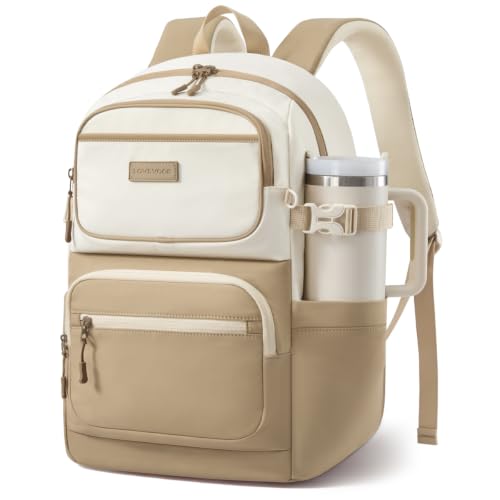
LOVEVOOK School Backpack for Teen Girls & College Students, Large Capacity Laptop Backpack with Water Bottle Holder, Lightweight Bookbag for School, Travel & Everyday Use, Beige-Khaki
- Large Water Bottle Pocket: Adjustable strap fits most 40oz bottles
- Enhanced Visibility: Reflective shoulder strap accents
- Multiple Storage Compartments: 10+ pockets including front access
As an affiliate, we earn on qualifying purchases.
Frequently Asked Questions
How Can I Say No Without Damaging Relationships?
You can say no without damaging relationships by practicing assertive communication and setting clear boundaries. Be honest and respectful when declining, expressing appreciation for the offer or invitation. Use a friendly tone, and explain your reasons briefly if appropriate. This approach shows you’re considerate, not dismissive, helping maintain trust. Remember, setting boundaries is healthy, and people will respect you more when you’re honest and direct.
What Are Some Common Signs of Overcommitment?
Overcommitment often shows up as constant stress, missed deadlines, or feeling overwhelmed—statistics show 80% of people struggle with time management due to poor boundary setting. You might notice you’re sacrificing personal time, feeling exhausted, or unable to focus on important tasks. These signs indicate you’re stretched too thin. Recognizing them helps you set clearer boundaries, prioritize commitments, and regain control over your schedule, ultimately improving your well-being and productivity.
How Do I Prioritize Commitments Effectively?
To prioritize commitments effectively, start with clear goal setting to identify what’s truly important. Use time management techniques like creating to-do lists and deadlines, and focus on tasks that align with your goals. Learn to say no to low-priority commitments, freeing up time for what matters most. Regularly review your priorities to stay on track, ensuring your efforts support your long-term objectives and reduce overwhelm.
Can Saying No Improve My Mental Health?
Saying no is like tightening the sails on your mental ship, helping you steer through stormy waters. It boosts your mental resilience by setting clear boundaries, preventing overwhelm, and conserving energy for what truly matters. When you say no, you protect your well-being, reduce stress, and create space for positivity. This act of boundary setting makes your mind stronger, more focused, and better equipped to handle life’s challenges.
What Are Strategies for Overcoming Guilt When Declining?
To overcome guilt when declining, focus on guilt management by reminding yourself that setting boundaries is healthy. Practice assertive communication by being honest and respectful, which helps convey your reasons clearly without feeling guilty. Reframe your mindset to see saying no as an act of self-care, not selfishness. Remember, prioritizing your well-being ultimately benefits everyone, making it easier to decline without guilt.
Conclusion
By learning to say no, you clear away the clutter that distracts you from your true priorities. It’s like trimming a dense garden to let the sunlight reach what matters most. When you set boundaries and decline unnecessary commitments, you create space for focus and growth. Remember, every no is a step toward a more intentional life. Embrace the power of saying no, and watch your energy and clarity flourish like a well-tended garden.

VANKANY Teen Girls Backpack School Bag, 15.6in Laptop Backpack for Women Work Commuter, Aesthetic College Bookbag for Students, Beige
- Organized Storage Compartments: Multiple pockets for all essentials
- Durable Water-Repellent Material: Made with sturdy, easy-to-clean fabric
- Comfortable All-Day Wear: Padded straps and back panel for support
As an affiliate, we earn on qualifying purchases.

VANKEAN 15.6 Inch Laptop Backpack for Women Large Capacity
- Multi-Functional Design: 5 compartments and 2 side pockets
- Laptop and Tablet Storage: Fits 15.6 inch laptop and tablets
- Spacious & Organized: Multiple compartments for essentials
As an affiliate, we earn on qualifying purchases.
Flea & tick season Picks
flea and tick prevention
As an affiliate, we earn on qualifying purchases.