TL;DR

Get your wardrobe favorites delivered free with Prime
- Fast, free delivery on millions of items
- Prime Video, Amazon Music and more included
- Member-only deals all year
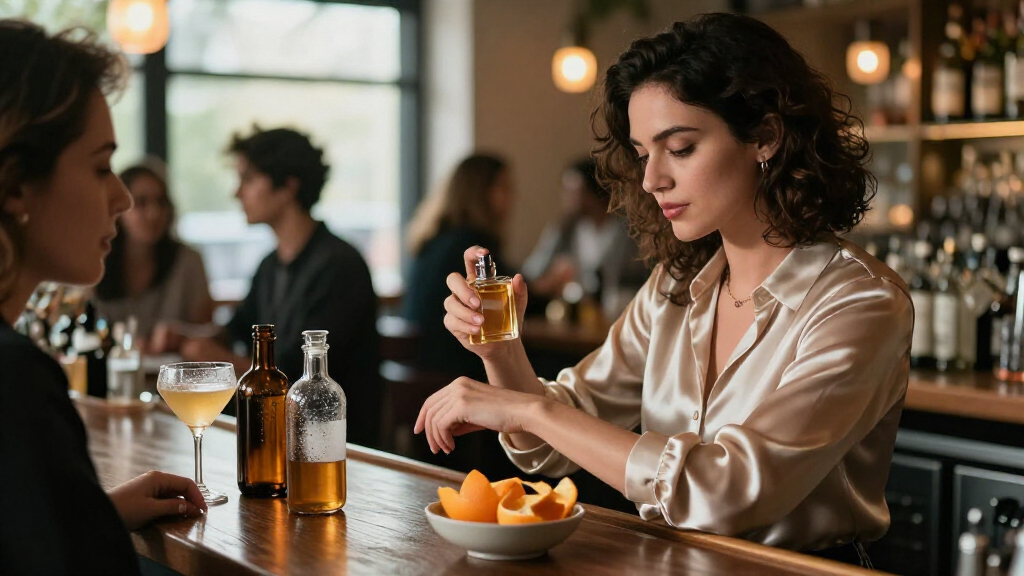
Harper’s Bazaar reports that alcohol-inspired perfumes are drawing interest as younger consumers show less inclination to drink and spend more on fragrance. Perfumers and retailers describe the scents as a way to evoke the atmosphere or nostalgia of a night out, though some shoppers avoid them because they bring back unwanted associations. The source does not provide sales data supporting a broad market trend.
Alcohol-inspired perfumes are drawing attention from fragrance shoppers even as younger consumers are described as less likely to drink, according to a Harper’s Bazaar report featuring perfumers and specialty retailers. The article presents the trend as a form of scent-led indulgence, but it does not provide sales figures or data establishing that boozy fragrances as a category are selling at record levels.
The feature links interest in spirits-inspired scents to two reported consumer tendencies: younger generations are less likely to drink alcohol, while also being more willing to spend on perfume. It cites Gallup for the claim that global alcohol consumption is at its lowest in 94 years, but gives no date, measurement or underlying Gallup report in the supplied material. The article also asserts that boozy perfume releases are selling in record numbers without naming a dataset, sales period or comparison baseline.
Industry voices describe the category as more than a straightforward imitation of a drink. Jorgelina Propato, Givaudan’s head of evaluation for fine fragrance in North America, says a successful scent recreates the atmosphere of enjoying a spirit while balancing darker notes with lighter ones. She points to combinations with spices, woods, aromatics or fruit as ways to keep a fragrance sophisticated rather than simply sweet.
Retailers cited in the report recommend scents including Thin Wild Mercury’s Whisky 1969, Art Brut’s Weltschmerz, Frapin’s Bonne Chauffe, Diptyque’s Eau Capitale and Kilian’s Angels’ Share. Steve Gontarski, manager at Luckyscent, calls Angels’ Share a runaway bestseller based on units sold, but the feature does not disclose its sales totals or a period for that comparison. These examples illustrate the range of products discussed; they do not establish the size of the wider category.
Fragrance Without the Drink
The trend described in the feature matters because it shows how a familiar social association—drinking—can be expressed through a different purchase. A fragrance can suggest whisky, cognac, wine or a night out without involving alcohol consumption. For some consumers, that may make these scents appealing as an alternative form of sensory indulgence, while for others the same associations may be unwelcome.
The report also captures a tension for fragrance brands and retailers: alcohol notes can convey warmth, nostalgia and richness, but they can evoke drinking experiences people would rather avoid. Gontarski says he has encountered both shoppers who wear these scents after giving up drinking and shoppers who avoid them for that reason. His account is a retailer’s observation, not a measure of how common either response is.
For readers, the practical takeaway is that “boozy” describes a fragrance profile, not a product containing or encouraging alcohol consumption. The examples show that the idea can be built through accords such as plum, cinnamon, woods, rose and vanilla. Individual responses will vary, particularly for people whose memories or preferences make alcohol-related scents less appealing.
Popular right now

Hisense E6SR Series 55-Inch 4K UHD Hi-QLED Roku Smart TV

Samsung 43-Inch M70H Series 4K Mini LED Smart TV (2026)

Ninja Foodi Air Fryer 8 Qt DualZone 6-in-1 Grey DZ201
As an affiliate, we earn on qualifying purchases.
How the Boozy Scent Is Built
The Harper’s Bazaar report frames boozy perfumes as part of a move away from conventional sweet or fruity gourmand fragrances toward what Propato calls more nuanced forms of indulgence. In her account, contrast is central: a dark spirit-like quality can be offset by fresher spices, woods, aromatic notes or fruit. That approach helps explain why the category includes scents that may suggest a bar or cocktail without smelling like a literal drink.
The article’s product examples range from smoky and woody to fruity and floral. Jake Levy, co-owner of New York niche perfume store Stele, describes Whisky 1969 as a whisky-and-cigarette impression and Weltschmerz as a quieter blend featuring peach, cinnamon, whisky, rose, vanilla and cedar. Gontarski highlights Bonne Chauffe for cognac and plum, and describes Eau Capitale as a rose chypre evoking dark wine. These descriptions and recommendations are attributed opinions, not independent product assessments.
Kilian’s Angels’ Share receives particular attention because the source calls it a bestseller by sales units. The name refers to the small amount of alcohol that evaporates as liquor ages, according to the feature. Kilian Hennessy launched his perfume line in 2007, and the report notes his connection to the Hennessy cognac family. The source supplies no sales ranking or data to compare the fragrance with competitors.
“You’d think New Yorkers would be over the bar scent, with all our nights out, and still we want more. My thought is that we want the booze without the hangover.”
— Jake Levy, co-owner of Stele
Sales Claims Need More Data
The source does not provide evidence for its broadest market claims. It says boozy perfume releases are selling in record numbers and describes Angels’ Share as a runaway bestseller based on sales units, but supplies no sales totals, dates, market boundaries or comparison figures. Readers cannot determine from this material how fast the category is growing, whether demand is concentrated in particular brands, or what baseline supports the claim of record sales.
The report also attributes a 94-year low in global alcohol consumption to Gallup, without specifying the Gallup study or its measurement method. It does not quantify younger generations’ drinking habits or perfume spending, nor establish that one trend is causing the other. The relationship between reduced drinking and interest in alcohol-inspired fragrance is presented as a possible cultural connection, not demonstrated by the information provided.
Finally, the consumer reactions discussed come from interviews with fragrance professionals and retailers. The source includes no survey of shoppers and does not show how many people use these scents as a substitute, choose them for nostalgia, or avoid them. The category’s overall audience and commercial scale remain unclear.
Evidence Behind the Trend
The Harper’s Bazaar feature offers recommendations and professional perspectives, rather than announcing a new product launch or a formal industry forecast. To establish whether the category is growing, further reporting would need dated sales figures, a stated market scope and a clear comparison period. Brand or retailer data could also help distinguish the performance of individual fragrances from demand across the broader category.
More detail on the Gallup reference—including the survey or dataset, date range and definition of consumption—would clarify the article’s comparison with alcohol use. Until that information is available, the confirmed development is that industry professionals interviewed by Harper’s Bazaar describe an audience for boozy fragrance, with mixed consumer responses; the scale and causes of the interest are not established by the supplied source.
Key Questions
What does “boozy perfume” mean?
It refers to a fragrance designed to evoke spirits, cocktails or drinking settings through its scent. The feature discusses notes and accords such as whisky, cognac, plum, spice and woods; it does not describe these products as alcoholic drinks.
Are alcohol-inspired perfumes selling in record numbers?
The Harper’s Bazaar article makes that claim, and calls Kilian’s Angels’ Share a bestseller by sales units. It provides no totals, dates or comparison baseline, so the scale and basis of the wider record-sales claim cannot be checked from the supplied material.
Why might someone choose a boozy scent?
Interviewees describe the appeal as an evocation of nostalgia, a night out or the atmosphere of a spirit. Those explanations reflect the opinions of fragrance professionals and retailers quoted in the article, not survey findings about all shoppers.
Do these fragrances appeal to everyone?
No. Luckyscent manager Steve Gontarski says he has met people who enjoy boozy scents after giving up drinking and others who avoid them because they do not want reminders of alcohol. The report does not quantify either group.
Source: harpersbazaar.com