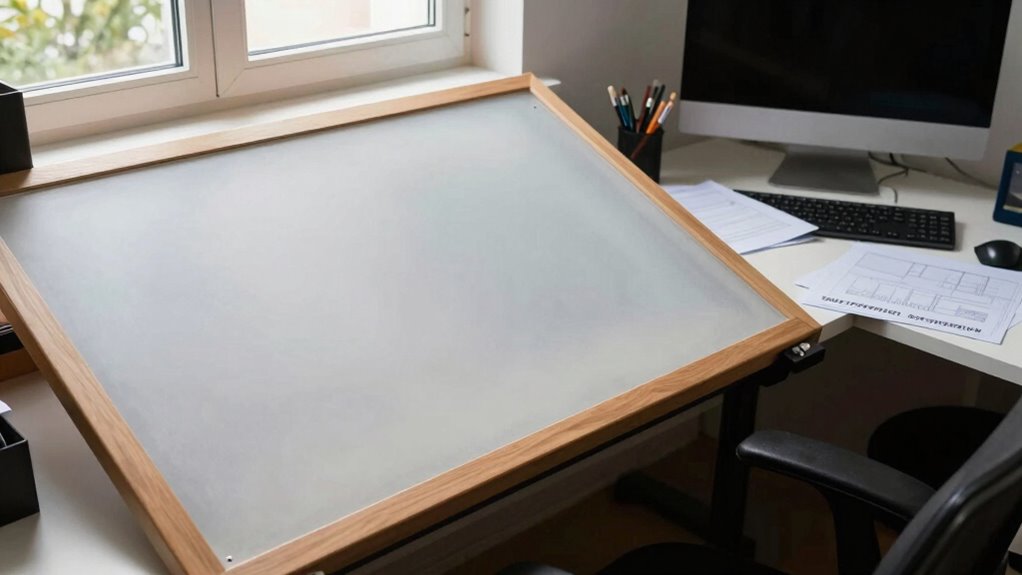

Compared to standard desks, drafting tables are designed specifically for architects, offering adjustable height and tilt for better comfort and ergonomics. They feature built-in storage, helping you stay organized and focused on detailed work. Drafting tables reduce strain on your neck, shoulders, and eyes, making long hours easier to manage. Their tailored design encourages creativity and efficiency. Want to learn more about how these features can improve your workflow and health? Keep exploring to find out.

Get your wardrobe favorites delivered free with Prime
- Fast, free delivery on millions of items
- Prime Video, Amazon Music and more included
- Member-only deals all year
Key Takeaways
- Drafting tables offer adjustable height and tilt for ergonomic comfort, unlike standard desks which are typically flat and fixed.
- Built-in storage in drafting tables improves organization and quick access to tools, unlike standard desks that lack specialized compartments.
- The ergonomic features of drafting tables reduce strain on neck, shoulders, and eyes during long design sessions.
- Drafting tables promote better posture and long-term health benefits, whereas standard desks may not support ergonomic adjustments.
- Designed specifically for detailed architectural work, drafting tables enhance productivity and creativity compared to general-purpose standard desks.
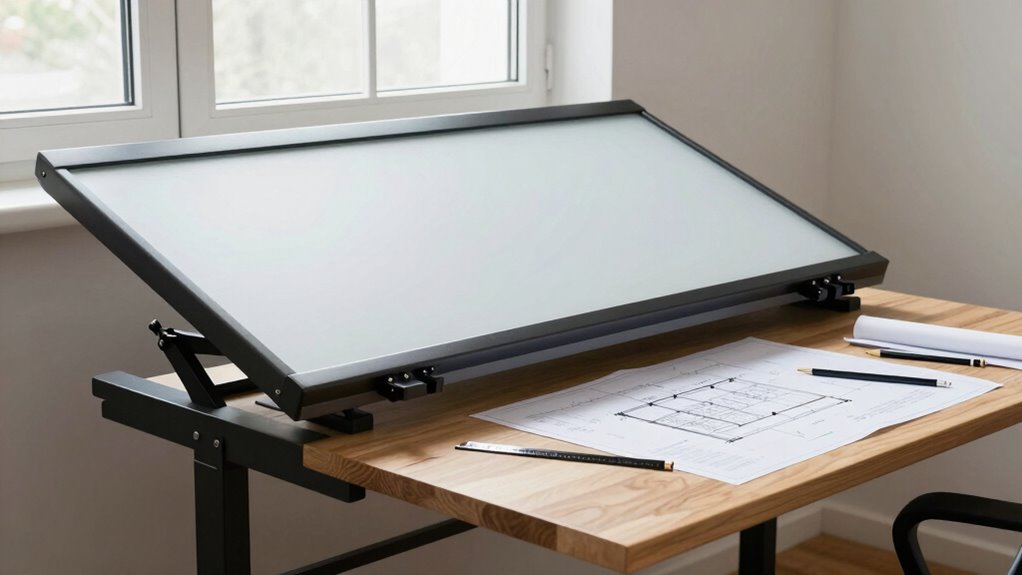
When choosing the right workspace for architectural work, understanding the differences between drafting tables and standard desks is vital. Your workspace profoundly influences your productivity, comfort, and the quality of your designs. Drafting tables are specifically designed with architects in mind, offering features that support detailed and precise work. They often boast an ergonomic design, allowing you to adjust the height and tilt of the surface. This flexibility helps reduce strain on your neck, shoulders, and eyes, especially during long hours of drafting or reviewing plans. An ergonomic setup isn’t just about comfort—it enhances focus and reduces fatigue, which can improve your overall work quality. Additionally, drafting tables usually include built-in storage solutions like drawers, shelves, or compartments, making it easy to keep your tools, materials, and reference documents within reach. This integrated storage helps maintain an organized workspace, so you spend less time searching for supplies and more time focusing on your designs. A well-designed workspace can also inspire creativity and motivate you to work more efficiently. Moreover, the adjustable features of drafting tables promote ergonomic benefits, supporting long-term health and comfort during extended work sessions. Choosing the right table can also improve your posture, reducing the risk of discomfort or injury over time. Being aware of the design features that support ergonomic principles can make a significant difference in your daily comfort and productivity. Incorporating proper ergonomic setup into your workspace design can further enhance your overall well-being and work output.
adjustable drafting table for architects
As an affiliate, we earn on qualifying purchases.
As an affiliate, we earn on qualifying purchases.
Frequently Asked Questions
Which Type of Desk Offers Better Ergonomic Support?
A drafting table generally offers better ergonomic support because it promotes posture improvement and allows you to adjust the tilt for comfortable viewing angles. Its design helps reduce strain on your neck and back, and many models include wrist support options, preventing fatigue during long hours of work. Standard desks may lack these customizable features, making drafting tables a smarter choice for maintaining ergonomic posture and wrist support during detailed architectural work.
Are Drafting Tables More Suitable for Digital or Traditional Work?
Drafting tables are more suitable for traditional work, especially when you’re using artistic inspiration and physical drawing tools. They provide a stable, angled surface ideal for sketching with pencils, markers, or traditional media. While you can use digital tools on a drafting table, they’re less versatile for digital workflows compared to standard desks. If you focus on tactile craftsmanship and artistic inspiration, drafting tables enhance your traditional design process.
How Much Do Drafting Tables Typically Cost?
Like a treasure chest waiting to be opened, drafting tables vary in cost, typically ranging from $200 to over $1,000. You’ll find budget-friendly options perfect for beginners, while premium models offer durability and extra features. When doing a cost comparison, consider your specific needs, space, and workflow. Balancing quality and budget considerations guarantees you invest wisely, giving you a sturdy, functional workspace that turns your creative visions into reality.
Can a Standard Desk Be Adapted for Drafting Purposes?
Yes, you can adapt a standard desk for drafting. Add an adjustable height surface to customize your workspace and prevent strain during long hours. Incorporate storage compartments or drawers to keep your tools organized and easily accessible. These modifications make a standard desk more suitable for drafting, providing comfort, efficiency, and a personalized setup that supports your architectural work without investing in a dedicated drafting table.
What Are the Maintenance Requirements for Drafting Tables?
Think of maintaining your drafting table as nurturing a delicate garden. You should follow regular cleaning routines, using gentle cleaners to protect its surface durability. Wipe down the surface daily to remove dust and debris, and avoid harsh chemicals that can damage the material. Periodically check for loose hardware or damage, and tighten or repair as needed. Proper maintenance ensures your drafting table stays in top shape, ready for creative work.
ergonomic drafting table with storage
As an affiliate, we earn on qualifying purchases.
As an affiliate, we earn on qualifying purchases.
Conclusion
Ultimately, choosing between drafting tables and standard desks boils down to your workflow, your comfort, and your style. Both serve their purpose—one offers precision and flexibility, the other stability and simplicity. By understanding your needs, you can decide whether to prioritize adaptability or consistency. Whichever you choose, make sure it supports your creativity, enhances your productivity, and fits seamlessly into your design process. Because when your workspace works for you, your ideas can truly take shape.
tilt-top drafting table for architecture
As an affiliate, we earn on qualifying purchases.
As an affiliate, we earn on qualifying purchases.
professional drafting table with height adjustment
As an affiliate, we earn on qualifying purchases.
As an affiliate, we earn on qualifying purchases.
Fall Picks
fall essentials
As an affiliate, we earn on qualifying purchases.