To build a workspace that makes context switching easier, invest in ergonomic furniture and adjustable lighting to stay comfortable and focused. Organize your space with labeled storage and keep essential tools within arm’s reach to minimize search time. Design distinct zones for different tasks and use noise control solutions like headphones or panels to reduce distractions. A thoughtfully arranged environment boosts productivity and helps you shift seamlessly between tasks. Keep exploring for more tips to perfect your workspace.

Get your wardrobe favorites delivered free with Prime
- Fast, free delivery on millions of items
- Prime Video, Amazon Music and more included
- Member-only deals all year
Key Takeaways
- Design distinct zones for different tasks with clear labels and dedicated tools to facilitate quick context shifts.
- Incorporate ergonomic furniture and adjustable lighting to reduce physical and mental fatigue during transitions.
- Use organized storage solutions to keep essential items accessible for specific activities, minimizing search time.
- Implement noise control measures like soundproofing or headphones to create focused environments for each task.
- Maintain a clutter-free, consistent workspace layout to support mental clarity and seamless task switching.

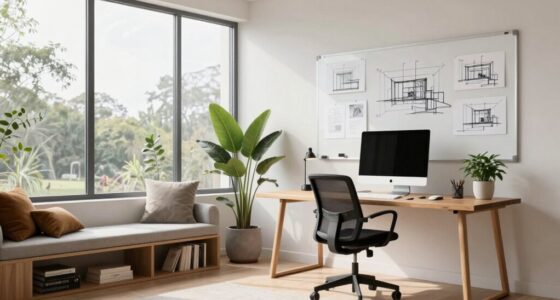
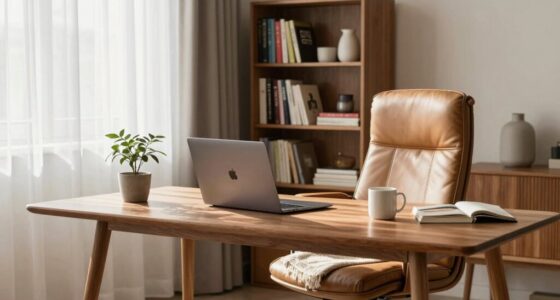
Switching between tasks can disrupt your focus and drain your productivity, but creating a workspace designed for easy context switching can make a big difference. The key lies in designing an environment that minimizes distractions and supports quick transitions. Start by investing in ergonomic furniture. When your workspace includes a comfortable chair and an adjustable desk, you reduce physical discomfort that can distract you from your tasks. Ergonomic furniture helps you stay focused longer because you’re not battling pain or fatigue. It also encourages good posture, which keeps your energy levels steady throughout the day. When your body feels supported, you’re less likely to get sidetracked by discomfort, and you can shift between tasks more seamlessly. Incorporating ergonomic furniture into your workspace also promotes better health and reduces the risk of repetitive strain injuries over time.
Creating an ergonomic workspace helps maintain focus, reduces fatigue, and enables smooth transitions between tasks.
Ambient lighting plays an equally essential role in creating an adaptable workspace. Natural light is ideal, so position your desk near a window if possible. If natural light isn’t an option, opt for adjustable, warm-toned lighting that can be easily modified depending on your needs. Bright, harsh lights can cause eye strain and fatigue, making it harder to concentrate when switching tasks. Soft, ambient lighting creates a calm atmosphere, reducing stress and helping you maintain focus. When your lighting setup is flexible, you can adjust it to suit different activities—bright for focused work, dimmer for brainstorming or relaxing breaks—making it easier to transition smoothly from one task to another. Incorporating lighting options that are adjustable and suited to your preferences can further enhance your workspace adaptability. Additionally, ensuring your lighting minimizes glare can prevent unnecessary visual discomfort during task switches. Incorporating proper lighting also helps in maintaining your circadian rhythm, supporting overall well-being.
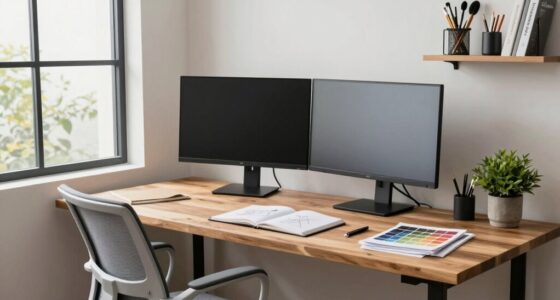
Organization is another essential element in a workspace optimized for context switching. Use dedicated storage solutions for different projects, like labeled drawers or shelves, so you can quickly grab what you need without rummaging through clutter. Keep your workspace tidy and ensure that essential tools are within arm’s reach. This minimizes the time and mental effort spent searching for materials, allowing you to switch contexts efficiently. Incorporating a clear, consistent layout helps your brain associate specific zones with particular tasks, making transitions more intuitive. Additionally, regularly decluttering your workspace can prevent unnecessary distractions and keep your environment conducive to swift changes in focus. A well-organized environment also supports efficient workflow, enabling smoother and faster task transitions.
Finally, consider the overall environment and noise levels. Use noise-canceling headphones or sound-absorbing panels if your workspace tends to be noisy. A quiet, distraction-free zone boosts your ability to switch between tasks without losing momentum. When your space is thoughtfully designed with ergonomic furniture, ambient lighting, proper organization, and sound control, you create a productive environment that supports swift, smooth transitions. This setup not only enhances your focus but also reduces the mental fatigue often associated with frequent switching, ultimately making your workday more efficient and less stressful.
As an affiliate, we earn on qualifying purchases.
Frequently Asked Questions
How Does Lighting Affect Focus During Context Switching?
Lighting markedly affects your focus during context switching. Ambient lighting creates a comfortable environment, reducing eye strain and helping you maintain calm. Task lighting, however, directs focused light onto specific areas, boosting concentration for detailed work. When you balance ambient and task lighting, you make shifts smoother, minimizing distractions. Proper lighting setup keeps your mind alert, making it easier to shift between tasks without losing productivity or clarity.
What Role Does Soundproofing Play in Workspace Design?
Soundproofing plays a vital role in workspace design by reducing distractions through acoustic barriers and noise reduction. When you incorporate soundproofing, you create a quieter environment that minimizes interruptions during tasks, helping you stay focused. This not only enhances productivity but also makes switching between tasks smoother by lessening auditory disruptions. Ultimately, effective soundproofing helps you maintain concentration and work more efficiently in a well-designed, distraction-free workspace.
How Can Ergonomic Furniture Improve Multitasking Efficiency?
Like a well-tuned orchestra, ergonomic furniture can boost your multitasking efficiency. You benefit from ergonomic seating that promotes comfort and reduces fatigue, while adjustable desks let you switch between sitting and standing effortlessly. This flexibility minimizes physical strain, keeping you focused longer. When your workspace supports your body, you can switch tasks smoothly without losing momentum, making you more productive and less distracted throughout your day.
Are There Specific Colors That Enhance Concentration?
Bright blues and calming greens are proven to enhance concentration based on color psychology. These colors create a soothing environment that reduces stress and improves focus. Incorporate them as visual cues in your workspace, such as on walls, accessories, or furniture. These visual cues help your brain associate these colors with productivity, making it easier to switch between tasks efficiently without distraction.
How Can Technology Integration Reduce Transition Time?
Integrating technology with digital tools and automation techniques can considerably reduce shift time. You can set up workflows that automatically organize your tasks, notifications, and files, so you spend less time switching between apps. Using centralized platforms like project management software or automation apps streamlines your processes, allowing you to jump quickly from one task to another without wasting time. This keeps your focus sharp and enhances overall productivity.
As an affiliate, we earn on qualifying purchases.
Conclusion
Creating a workspace that smooths out context switching can boost your productivity and reduce frustration. By organizing tools, minimizing distractions, and establishing clear zones, you make shifts seamless. Did you know that frequent context switching can cost up to 40% of your productivity? Making small adjustments to your environment can save you hours each week. So, invest in your workspace—it’s a simple step toward working smarter, not harder, and staying focused on what truly matters.
noise-canceling headphones for work
As an affiliate, we earn on qualifying purchases.
As an affiliate, we earn on qualifying purchases.
labeled storage drawers for office
As an affiliate, we earn on qualifying purchases.
As an affiliate, we earn on qualifying purchases.
Halloween Picks
halloween
As an affiliate, we earn on qualifying purchases.