Switching to a dumb phone helps simplify your digital life by reducing distractions, letting you focus on what truly matters. It encourages you to reconnect with your surroundings, build deeper relationships, and enjoy everyday moments without constant notifications and social media. Moving back to basics supports mindful use of technology, restoring balance and mental clarity. If you keep exploring, you’ll discover how embracing simplicity can truly transform your daily routine and overall well-being.
Key Takeaways
- Dumb phones reduce digital distractions, helping users focus on real-world connections and activities.
- They promote minimalist lifestyles by limiting unnecessary features and notifications.
- Using basic phones encourages mindfulness and self-care through intentional device use.
- They diminish digital clutter and mental fatigue caused by constant notifications and social media.
- Returning to dumb phones supports well-being by fostering simplicity, clarity, and more meaningful in-person interactions.
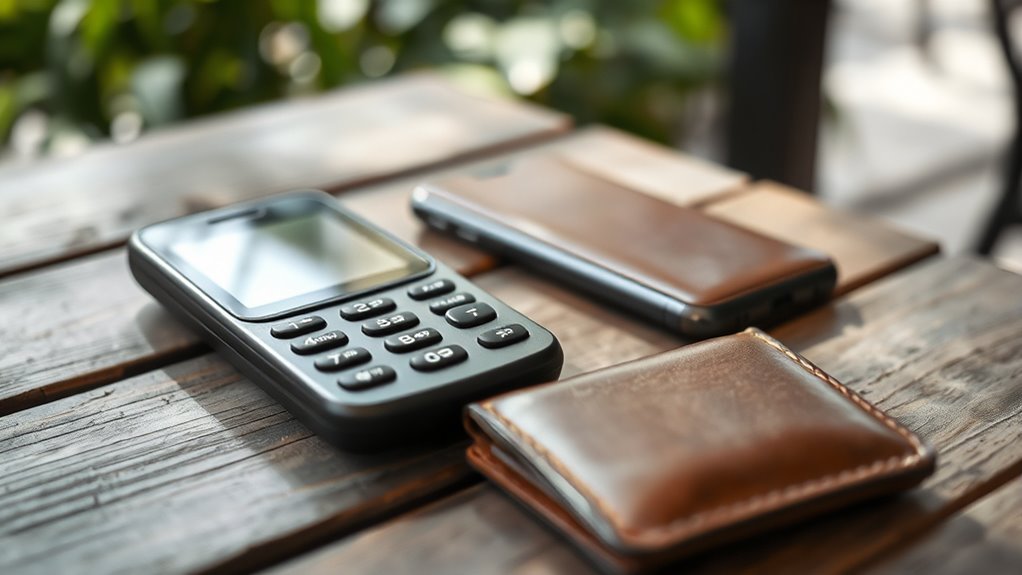
In a world obsessed with constant connectivity, switching to a dumb phone might seem counterintuitive, but it offers an invigorating break from digital overload. When you simplify your device, you’re not just reducing distractions—you’re embracing a digital detox that can restore your focus and mental clarity. Instead of being bombarded by notifications, social media updates, and endless emails, a basic phone helps you reclaim your time and attention. This shift encourages minimalist living, where less truly becomes more. You begin to prioritize meaningful interactions over superficial scrolling, and your mental space clears as you eliminate the clutter of modern tech.
Switch to a basic phone to embrace digital detox, restore focus, and prioritize meaningful connections over constant distractions.
Choosing a dumb phone forces you to be more intentional about how you spend your time. Without the constant ping of notifications, you naturally turn inward or connect more deeply with your surroundings. It’s a step toward reducing your reliance on digital devices, which often create a false sense of urgency and dependency. This minimalist approach to technology simplifies your lifestyle, making everyday routines less stressful and more focused. You stop chasing every new app or update, instead appreciating the essentials—calls, texts, and perhaps a few basic tools like a calculator or alarm clock. This intentional device use helps cultivate mindfulness and presence, qualities often lost amid the chaos of smartphones.
A minimalist living mindset is reinforced through the use of a dumb phone because it encourages you to strip away unnecessary features. You realize that many digital distractions are superficial and don’t add real value to your life. By intentionally choosing a device that does only what’s necessary, you free yourself from the clutter and mental fatigue caused by constant digital noise. This not only benefits your mental health but also enhances your overall well-being. You learn to enjoy simpler pleasures—like a walk outside, reading a book, or having a face-to-face conversation—without the temptation of checking notifications every few minutes.
Adopting a dumb phone isn’t about rejecting technology altogether; it’s about gaining control over how you interact with it. It’s an act of self-care and a step toward a more intentional, mindful existence. As you embrace this change, you might find that your mental clarity improves, your stress drops, and your relationships deepen. In the end, going back to basics with a basic phone isn’t just a trend—it’s a conscious choice to live more fully, more intentionally, and with less digital noise cluttering your mind.

Logitech G413 SE Full-Size Mechanical Gaming Keyboard - Backlit Keyboard with Tactile Mechanical Switches, Anti-Ghosting, Compatible with Windows, macOS - Black Aluminum
Take your gaming skills to the next level: The Logitech G413 SE is a full-size keyboard with gaming-first...
As an affiliate, we earn on qualifying purchases.
Frequently Asked Questions
Are Dumb Phones Suitable for Emergency Situations?
Yes, dumb phones are suitable for emergency situations because they offer reliable signal strength and emergency preparedness features. You can usually count on their simple design and longer battery life to stay connected when smartphones might fail or drain quickly. While they lack advanced features, they guarantee you can make calls and send texts in critical moments, making them a dependable choice for emergency preparedness and signal reliability.
How Do Dumb Phones Impact Social Relationships?
Like dialing into a vintage rotary phone, using a dumb phone enhances your social connection by reducing distractions. Without constant notifications, you’re more present during face-to-face interactions, fostering genuine relationships. It encourages a digital detox, allowing you to focus on meaningful moments. This simplicity helps you build stronger bonds, as you’re less likely to be absorbed in screens and more engaged with the people around you.
Can Dumb Phones Support Essential Productivity Tools?
Dumb phones support essential productivity tools, but with some feature limitations and app restrictions. You can manage calls, messages, and basic calendars, helping you stay organized. However, they lack advanced features like email apps, extensive project management tools, or cloud integration. This means your productivity might be limited compared to smartphones, but for focused tasks or reducing distractions, dumb phones can still keep you efficient without the temptations of endless apps.
What Is the Battery Life Comparison Between Dumb and Smartphones?
Imagine a marathon runner with steady stamina—dumb phones boast better battery longevity than smartphones. They consume less power, meaning you get days of use without recharging. Smartphones, fueled by constant updates and high-resolution screens, drain power quickly, often requiring daily charges. So, if you value longer battery life and reduced power consumption, a dumb phone keeps you connected longer, symbolizing simplicity and endurance in a fast-paced tech world.
Are There Options to Customize or Upgrade Dumb Phones?
You’ll find limited customization options and upgrade possibilities with dumb phones compared to smartphones. Most basic phones come with fixed features, making it hard to personalize or enhance them. Some models might offer simple software updates, but hardware upgrades are generally not available. If you want a device tailored to your needs, consider choosing a model that offers minimalistic features or explore basic phones designed for durability and simplicity.

Arteck 2.4G Wireless Keyboard Stainless Steel Ultra Slim Full Size Keyboard with Numeric Keypad for Computer/Desktop/PC/Laptop/Surface/Smart TV and Windows 10/8/ 7 Built in Rechargeable Battery
Easy Setup: Simply insert the nano USB receiver into your computer and use the keyboard instantly.
As an affiliate, we earn on qualifying purchases.
Conclusion
Switching to a dumb phone might seem like a step back, but it’s really a step forward in reclaiming your time and focus. The theory that less technology leads to a happier, more productive life holds weight—research shows constant notifications can increase stress and decrease creativity. By going back to basics, you might just find that less truly is more, giving you space to reconnect with yourself and the world around you.

XPPen Updated Deco 01 V3 Drawing Tablet-16384 Levels of Pressure Battery-Free Stylus, 10x6 Inch OSU Graphic Tablet, 8 Hotkeys for Digital Art, Teaching, Gaming Drawing Pad for Chrome, PC, Mac, Android
Word-first 16K Pressure Levels: The upgraded stylus features 16,384 levels of pressure sensitivity and supports up to 60...
As an affiliate, we earn on qualifying purchases.
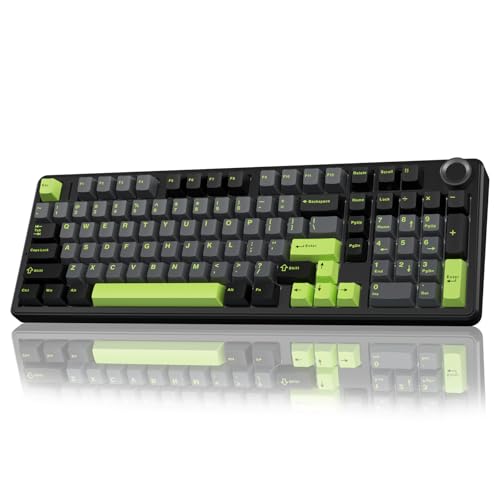
AULA F99 Pro Wireless Mechanical Keyboard with Knob,Creamy Sound,Tri-Mode BT5.0/USB-C/2.4GHz Hot Swappable Keyboard,Gasket Structure,RGB Backlit Computer Gaming Keyboards
Multi-Device Connection: AULA F99 Pro wireless mechanical keyboard provides three connection methods, including BT5.0, 2.4GHz wireless mode, and...
As an affiliate, we earn on qualifying purchases.