
TL;DR

Get your wardrobe favorites delivered free with Prime
- Fast, free delivery on millions of items
- Prime Video, Amazon Music and more included
- Member-only deals all year
Louis Vuitton’s Spring/Summer 2027 menswear pre-collection lookbook groups outfits into named characters, while Gucci’s Spring/Summer 2026 “La Famiglia” collection also presents fashion through personality archetypes. Highsnobiety describes the approach as “charactermaxxing”: an editorial interpretation of luxury brands selling identities as well as clothes, rather than a formally announced industry trend.
Louis Vuitton’s Spring/Summer 2027 menswear pre-collection lookbook presents outfits through named male archetypes, adding a new example to a style of personality-led marketing also seen in Gucci’s Spring/Summer 2026 “La Famiglia” collection. Highsnobiety calls the approach “charactermaxxing”—its term for luxury houses offering shoppers identities and character types alongside clothing.
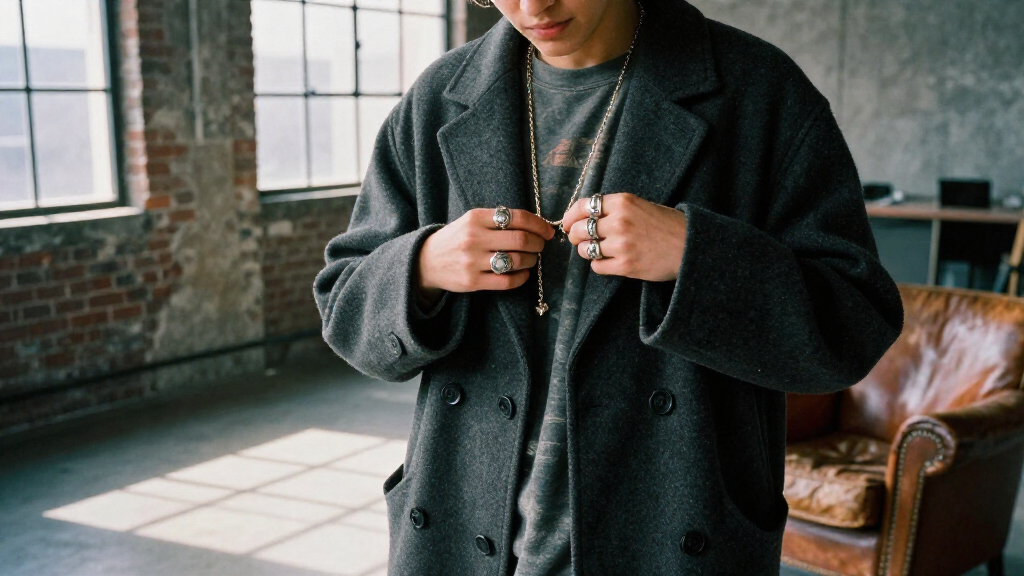
Louis Vuitton’s lookbook includes characters such as “The Weatherman,” presented in rainwear, and the “Monogram Reporter,” whose clothing draws on 1980s workwear. The publication says the latter includes suede- and canvas-paneled hiking sets; Louis Vuitton’s collection release describes the pieces as inspired by that workwear era. The two looks point to different style identities within a single brand presentation.
Highsnobiety connects the approach to Gucci’s Spring/Summer 2026 “La Famiglia” collection, which features archetypes including “La Diva” and “Inroverso,” identified in the report as an introvert. Gucci’s website offers a quiz asking visitors to discover which look from the collection reflects their personality. The report says the quiz recommends an outfit based on the result.
The article also cites Gucci horsebit jeans associated with the collection as an example of a signature item that could appeal to shoppers beyond a single look. Highsnobiety’s characterization is an editorial reading of the collections and their marketing, not a claim that either fashion house has formally adopted “charactermaxxing” as an official strategy.
Selling Identity Alongside Clothes
The examples show how luxury marketing can move beyond promoting a recognizable garment or a single house style. By organizing pieces around personality labels, brands give shoppers a ready-made way to imagine how a collection fits their self-image. A lookbook character or online quiz can turn browsing into a form of personal recommendation, making the product feel connected to an identity rather than simply an outfit.
That can also create more entry points into a brand. A customer who does not identify with one traditional luxury uniform may find a different archetype more appealing, whether it is rainwear, workwear-inspired clothing, or a more dramatic look. Highsnobiety suggests that this kind of segmentation may help build brand loyalty by encouraging shoppers to return to pieces linked to a preferred character.
The risk, as the report frames it, is that a tightly defined persona can make clothing feel prescriptive. If each look is presented as the right outfit for a particular type of person, shoppers may read the styling as a costume or a sales prompt rather than an open-ended invitation. The examples do not establish how customers respond, or whether this format increases sales.
Popular right now

Dyson Airwrap i.d. Multi-Styler for Straight and Wavy Hair

Dyson V8 Cyclone Cordless Vacuum

Bose QuietComfort True Wireless Noise-Cancelling Earbuds, Black
As an affiliate, we earn on qualifying purchases.
From Signature Garments to Archetypes
Highsnobiety sets the development against a broader change in how it interprets fashion marketing. It contrasts the familiar idea of a brand being represented by a signature garment—such as a Chanel tweed suit or Burberry trench—with collections that present several distinct styles under one label. That contrast is the publication’s framing, not a measured account of changes across the whole industry.
The report identifies Gucci’s “La Famiglia” as an earlier example in this comparison, pointing to both its named characters and its personality quiz. Louis Vuitton’s 2027 menswear pre-collection extends the pattern in a lookbook format: instead of offering one model for how a customer should dress, it presents several named types. The report attributes the collection’s “Monogram Reporter” workwear inspiration to Louis Vuitton’s release.
Highsnobiety describes the larger cultural setting as one in which style includes many different types and subtypes. Its point is that luxury houses can present a range of personas while keeping them within a single brand world. The term “charactermaxxing” belongs to the publication’s description; the source does not report a coordinated campaign or an industry-wide announcement.
““The Weatherman””
— Highsnobiety, describing Louis Vuitton’s lookbook
Customer Response Is Unknown
The source material does not provide sales figures, customer research, or evidence that these presentations have changed purchasing behavior. It is not clear whether shoppers see the archetypes as useful styling guidance, an entertaining marketing device, or a limiting way to define personal taste.
It is also unknown whether other luxury houses will adopt comparable quizzes or character-led lookbooks. Highsnobiety presents examples from Louis Vuitton and Gucci, but does not establish that the approach is a broad or lasting industry shift. The term itself is the report’s interpretation, not a stated label from either brand.
Watch Future Collection Campaigns
The next useful indicator will be whether Louis Vuitton and Gucci continue using named personas in upcoming collections and promotional materials, and whether other houses introduce similar tools. Further evidence about customer response—such as sales data or research—would be needed to establish whether character-led merchandising affects buying decisions or loyalty.
For now, the confirmed examples are a Louis Vuitton pre-collection lookbook organized around different male types and Gucci’s collection-linked quiz. Whether these are isolated creative choices or part of a wider shift remains open.
Key Questions
What does “charactermaxxing” mean in this report?
It is Highsnobiety’s term for luxury brands presenting clothing through named personas or personality types, rather than only through individual garments or a single brand look.
What characters appear in Louis Vuitton’s lookbook?
The Spring/Summer 2027 menswear pre-collection includes “The Weatherman,” styled in rainwear, and the “Monogram Reporter,” whose pieces draw on 1980s workwear, according to the report and collection release.
How does Gucci use personality types?
Gucci’s Spring/Summer 2026 “La Famiglia” collection includes named archetypes, and a website quiz recommends a collection look based on a visitor’s personality result.
Has this approach been shown to increase sales?
No sales evidence is provided in the source report. It describes the brand presentations and their possible appeal but does not establish their commercial impact or customer response.
Source: highsnobiety.com