
The pandemic showed you that a minimal, flexible home office isn’t just enough—it’s essential. Working from home blurred boundaries, but simple setups like a good chair and stable internet made a big difference. You now prioritize strategies that support your mental health, like establishing routines and taking breaks. Employers also recognize this change, offering resources to boost well-being. If you keep exploring, you’ll find even more ways to create an effective, balanced workspace at home.
Key Takeaways
- COVID-19 forced a shift to remote work, making home offices essential for business continuity.
- The need for minimal, flexible setups increased, emphasizing simple, clutter-free workspaces.
- Remote work blurred boundaries, highlighting the importance of boundaries and mental health strategies.
- Organizations adopted virtual check-ins and mental health resources to support employee well-being.
- The pandemic demonstrated that effective, minimal home offices can sustain productivity and well-being.

Have you ever wondered how a global pandemic can reshape our lives in unexpected ways? One of the most significant changes has been the shift toward remote work. Before COVID-19, many of us took for granted the idea of commuting daily to an office. Suddenly, staying at home became the new normal, and working remotely became essential for keeping businesses afloat. This transition wasn’t just about convenience; it transformed how we balance our professional and personal lives. You might have discovered that working from home offers flexibility, but it also blurs the boundaries between work and leisure. You may find yourself toggling between tasks, feeling pressured to be constantly available, which can impact your mental health. The isolation that comes with remote work can lead to feelings of loneliness and stress, especially when face-to-face interactions are limited. As a result, many have started prioritizing mental health more than ever, recognizing that maintaining emotional well-being is *crucial* during such uncertain times.
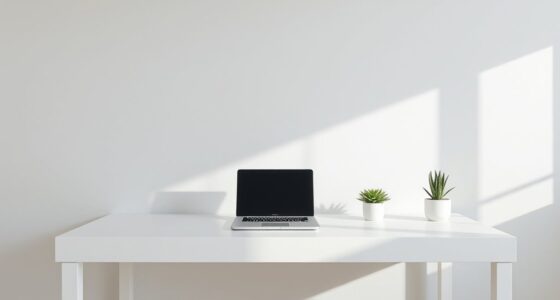
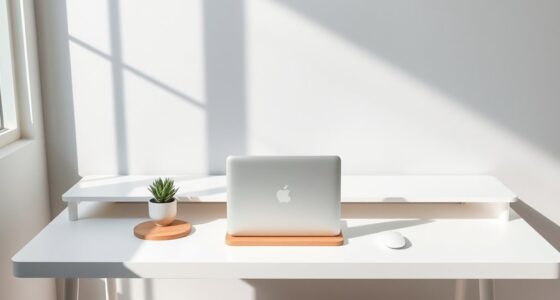
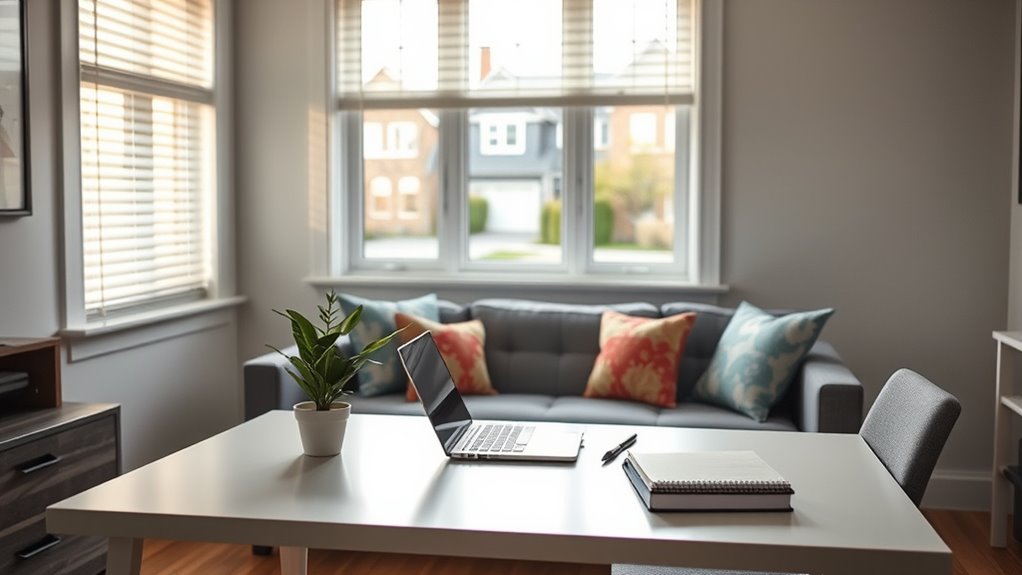
The move to remote work has also made us rethink what a minimal yet effective home office looks like. You don’t need a dedicated, fancy setup; sometimes, a quiet corner with a good chair and a reliable internet connection suffices. This minimal approach helps reduce clutter and creates a more relaxed environment, which can improve focus and productivity. But it’s essential to be mindful of your mental health while working in these simplified spaces. Setting boundaries becomes *vital*—knowing when to disconnect from work and dedicate time to self-care can prevent burnout. Many people have started establishing routines, like designated work hours or taking regular breaks, to combat the mental fatigue that remote work can induce. Incorporating sleep-friendly practices into your daily routine can further support mental resilience and overall well-being.
Additionally, organizations have recognized the importance of supporting mental health during this shift. Employers now offer mental health resources, flexible schedules, and virtual check-ins to help employees navigate the emotional toll of this new work landscape. It’s clear that, during the pandemic, the home office became not just a space for productivity but also a place where mental health needs must be addressed. The pandemic has shown us that remote work can be sustainable, provided we take proactive steps to manage stress and create a balanced environment. Ultimately, this experience pushes us to rethink the traditional office and prioritize our well-being, even when working from the comfort—or chaos—of home.

TRALT Office Chair – Ergonomic Desk Chair with Adjustable Lumbar Support, Mesh Computer Chair, Executive Chairs for Home Office Comfortable Lumbar Support (Black)
Ergonomic Office Chair: Experience unparalleled support with our ergonomic office chair, designed to provide comprehensive assistance for your…
As an affiliate, we earn on qualifying purchases.
As an affiliate, we earn on qualifying purchases.
Frequently Asked Questions
How Has Remote Work Impacted Urban Infrastructure Development?
You’ve noticed remote work has shifted urban planning priorities, reducing the need for dense office districts. Transportation shifts mean fewer daily commutes, easing congestion and lowering infrastructure demands. Cities now focus on creating flexible, walkable neighborhoods instead of expanding roads and transit systems. This change helps you enjoy more local amenities and less traffic, while urban infrastructure adapts to support residential growth and sustainable transportation options for a more livable city.
What Are the Environmental Benefits of Increased Home Office Use?
You reduce your carbon footprint considerably when you work from home, cutting down on commuting emissions. Studies show remote workers lower energy consumption by up to 30%, easing strain on the environment. By staying home, you help decrease air pollution and conserve resources, making a positive impact on climate change. Your choice to work remotely supports a healthier planet, highlighting the environmental benefits of increased home office use.
How Has Home Office Technology Evolved During the Pandemic?
During the pandemic, home office technology evolved rapidly to support virtual collaboration and ergonomic design. You now have access to high-quality webcams, microphones, and collaborative software that make remote teamwork seamless. Ergonomic furniture and adjustable desks became more common, helping you work comfortably for extended periods. This evolution guarantees you stay productive and healthy while working from home, making remote work more efficient and sustainable.
Are There Long-Term Health Effects From Prolonged Home Office Work?
Prolonged home office work can impact your long-term health, especially if ergonomic challenges aren’t addressed. You might experience ongoing mental health issues like stress or burnout, and physical problems such as back or neck pain. To reduce these risks, prioritize proper ergonomics, take regular breaks, and stay connected with others. Being proactive helps protect your mental health and minimizes long-term physical effects from extended remote work.
How Do Diverse Cultural Attitudes Influence Remote Work Adoption Worldwide?
Imagine you’re in a time-traveling workshop, where cultural perceptions shape remote work. You’d see that diverse cultural attitudes greatly influence remote work adoption worldwide. In some regions, strong work ethic variations foster acceptance, while others may view remote work with skepticism. You need to understand local norms and values to succeed. Recognizing these differences helps you adapt strategies, making remote work more effective across different cultural landscapes.

TP-Link AX1800 WiFi 6 Router (Archer AX21) – Dual Band Wireless Internet, Gigabit, Easy Mesh, Works with Alexa – A Certified for Humans Device, Free Expert Support
DUAL-BAND WIFI 6 ROUTER: Wi-Fi 6(802.11ax) technology achieves faster speeds, greater capacity and reduced network congestion compared to…
As an affiliate, we earn on qualifying purchases.
As an affiliate, we earn on qualifying purchases.
Conclusion
As you step back and look around, you’ll notice your home transformed into a busy hub of activity—screens glow softly, desks are cluttered with papers, and your coffee brews quietly in the corner. The pandemic didn’t just change your work space; it reshaped your life, making the home office both a sanctuary and a necessity. Embrace this new landscape, where simplicity and adaptability become your greatest tools in maneuvering the ongoing shift.

OAKOA Aesthetic Desk Organizer – Aesthetic Office Desk Accessories – Boho Pen Holder – Neutral Beige Desk Accessories – Home Office Essentials for Women – Cute Pencil Holder
Design Excellence: Elevate your workspace with our aesthetic desk organizer. Minimalist modern design complements any office decor and…
As an affiliate, we earn on qualifying purchases.
As an affiliate, we earn on qualifying purchases.

Airlonv LED Desk Lamp for Office Home, Eye-Caring Desk Light with Stepless Dimming Adjustable Flexible Gooseneck, 10W USB Adapter Desk Lamp with Clamp for Reading, Study, Workbench (Black)
Stepless Dimming Mode: The desk light offers effortless switching of color temperatures (2700K-6500K) and stepless dimming (1% -…
As an affiliate, we earn on qualifying purchases.
As an affiliate, we earn on qualifying purchases.