Tech leaders embrace minimalism to streamline their lives, sharpen focus, and boost innovation through simple, intentional choices. By reducing clutter in wardrobes and workspaces, they limit distractions and decision fatigue. This clarity helps them think creatively and stay aligned with core goals. Committing to minimalist routines and environments fosters discipline and mental clarity. If you want to understand how these habits enhance leadership and productivity, keep exploring the benefits of minimalism.
Key Takeaways
- Minimalist wardrobes and workspaces reduce decision fatigue, enabling tech leaders to focus on strategic priorities.
- Simplified environments promote clarity, enhancing creativity, innovation, and effective decision-making.
- Embracing minimalism demonstrates commitment to efficiency and discipline, reinforcing leadership credibility and brand consistency.
- Clutter-free spaces foster mental calmness, supporting sustained focus and reduced stress in high-pressure roles.
- Prioritizing essential tools and routines helps leaders maintain digital discipline and align daily actions with core goals.

Logitech G413 SE Full-Size Mechanical Gaming Keyboard - Backlit Keyboard with Tactile Mechanical Switches, Anti-Ghosting, Compatible with Windows, macOS - Black Aluminum
Take your gaming skills to the next level: The Logitech G413 SE is a full-size keyboard with gaming-first...
As an affiliate, we earn on qualifying purchases.
Simplifying Wardrobes for Focus and Efficiency
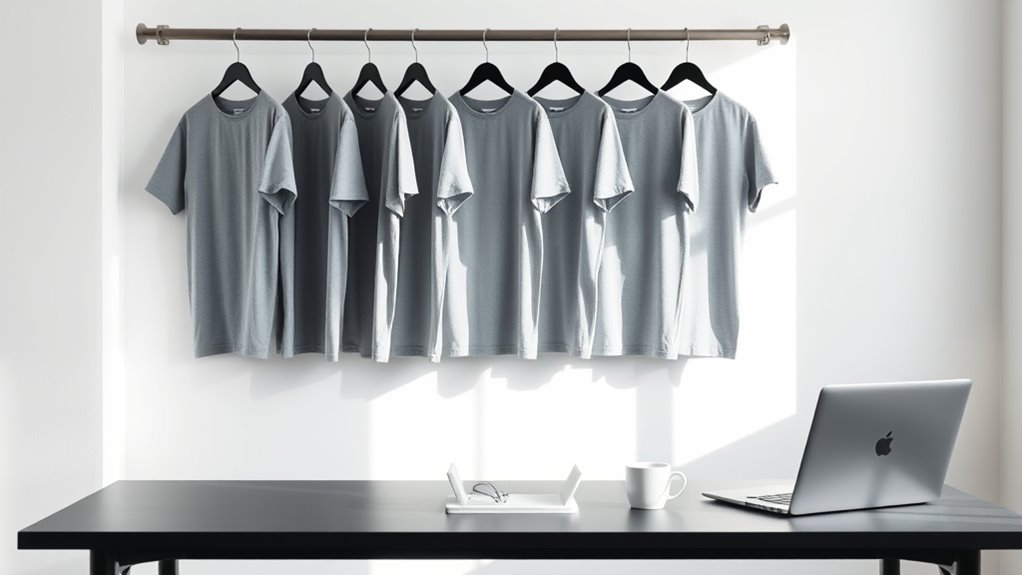
Many tech leaders find that simplifying their wardrobes helps them stay focused and boost productivity. Instead of wasting time deciding what to wear, they adopt a streamlined wardrobe that makes dressing effortless. This minimal approach doesn’t mean sacrificing style or making dull fashion statements; it’s about choosing versatile pieces that reflect your personal branding. When your clothing is consistent and intentional, it it reinforces your professional identity without distractions. Simplifying your wardrobe allows you to concentrate on what truly matters—your work and goals—rather than cluttered closets. By establishing a clear personal style, you project confidence and clarity, which can influence how others perceive you. Additionally, adopting a minimalist wardrobe can contribute to reducing decision fatigue, allowing you to focus your mental energy on more important tasks. Recognizing how a well-curated closet can streamline daily routines emphasizes the broader benefits of minimalism beyond aesthetics. Furthermore, incorporating elements of home organization can reinforce the discipline needed to maintain a clutter-free environment, both physically and digitally. For instance, using air purifiers to improve home air quality can contribute to a healthier and more focused workspace, supporting your overall productivity. Moreover, the discipline required to maintain secure digital habits mirrors the intentionality needed for a minimalist approach, reinforcing overall focus. Ultimately, a minimalist wardrobe sharpens your focus and enhances your efficiency, freeing you to prioritize innovation and leadership.

Arteck 2.4G Wireless Keyboard Stainless Steel Ultra Slim Full Size Keyboard with Numeric Keypad for Computer/Desktop/PC/Laptop/Surface/Smart TV and Windows 10/8/ 7 Built in Rechargeable Battery
Easy Setup: Simply insert the nano USB receiver into your computer and use the keyboard instantly.
As an affiliate, we earn on qualifying purchases.
Creating Clutter-Free Workspaces for Better Productivity

A cluttered workspace can easily distract you from your most important tasks. To create a clutter-free environment, start with digital decluttering—delete unused files, organize your folders, and streamline notifications. This reduces digital chaos and helps you focus. Next, apply mindful decision making by only keeping essential tools on your desk. Consider these steps:
A tidy workspace minimizes distractions, boosts focus, and enhances productivity through digital cleanup and mindful organization.
- Limit physical items to essentials like your computer, notepad, and a pen.
- Use storage solutions to hide unnecessary clutter.
- Schedule regular clean-ups to maintain order.
- Prioritize a clean surface for increased focus and efficiency.
- Incorporate mindfulness techniques, such as focused attention, to enhance your ability to maintain a clutter-free and calm workspace. Additionally, understanding security vulnerabilities in new technologies can help you safeguard your workspace from digital threats, promoting a more secure environment. Recognizing the importance of a personalized workspace environment can further boost your motivation and overall productivity, especially when considering effective organizational strategies for maintaining order. Furthermore, being aware of cultural adaptations in holiday celebrations can inspire creative ways to personalize your workspace and make it more engaging.

AULA F99 Pro Wireless Mechanical Keyboard with Knob,Creamy Sound,Tri-Mode BT5.0/USB-C/2.4GHz Hot Swappable Keyboard,Gasket Structure,RGB Backlit Computer Gaming Keyboards
Multi-Device Connection: AULA F99 Pro wireless mechanical keyboard provides three connection methods, including BT5.0, 2.4GHz wireless mode, and...
As an affiliate, we earn on qualifying purchases.
Reducing Decision Fatigue Through Minimalist Choices

Reducing decision fatigue begins with simplifying your choices throughout the day. When you limit options, you create space for better focus and faster decisions. This approach promotes habit formation around minimalist routines, making decisions automatic rather than draining. Too many choices can lead to sensory overload, overwhelming your mental resources and impairing judgment. By adopting minimalist principles—like choosing a streamlined wardrobe or sticking to a set work schedule—you reduce the mental clutter that drains your energy. Over time, these small, deliberate choices become habits, freeing up mental bandwidth. This consistency helps you avoid constant decision-making fatigue, allowing you to concentrate on more important tasks and foster clearer thinking. Minimalism isn’t just about aesthetics; it’s a practical strategy to preserve mental clarity. Additionally, integrating mindfulness practices can enhance your ability to focus and make intentional choices, further reducing mental strain. Practicing mindful decluttering can also help you develop greater awareness of your habits and preferences, leading to more intentional and less stressful decision-making. Engaging in cognitive load management techniques can prevent overload and support mental resilience. Incorporating mental clarity techniques, such as meditation or focused breathing, can further support your efforts to minimize cognitive overload. Furthermore, aligning your routines with the Law of Attraction can reinforce positive habits and mental attitudes that support your overall well-being.

Logitech MX Keys S Wireless Keyboard, Low Profile, Fluid Precise Quiet Typing, Programmable Keys, Backlighting, Bluetooth, USB C Rechargeable, for Windows PC, Linux, Chrome, Mac - Graphite
Fluid Typing Experience: Laptop-like profile with spherically-dished keys shaped for your fingertips delivers a fast, fluid, precise and...
As an affiliate, we earn on qualifying purchases.
Cultivating a Clear Mindset to Foster Innovation

Simplifying your choices to reduce decision fatigue naturally clears mental clutter, creating space for fresh ideas and creative thinking. When your mind is free of constant distractions, you gain mental clarity that enhances your strategic focus. To cultivate this mindset, consider these steps:
- Limit distractions by setting boundaries around your work environment.
- Prioritize tasks that align with your core goals, avoiding unnecessary commitments.
- Schedule regular breaks to reset your mental state.
- Practice mindfulness to stay present and reduce cognitive noise.
The Strategic Benefits of Minimalism in Tech Leadership

Embracing minimalism in tech leadership enhances decision-making and accelerates innovation by focusing on what truly matters. When you simplify processes and prioritize core goals, you reduce distractions that hinder progress. This clarity strengthens your personal branding, positioning you as a focused and intentional leader. Minimalism also streamlines team communication, making your messages clearer and more impactful. By cutting through unnecessary complexity, you foster a culture that values efficiency and purpose. This strategic approach helps you allocate resources wisely, avoid burnout, and stay aligned with your vision. A disciplined focus on resource allocation enables you to lead with purpose, making smarter decisions and inspiring your team to innovate without being bogged down by clutter or ambiguity. Additionally, understanding the importance of interior design basics can help leaders create organized and inspiring workspaces that promote productivity and well-being. Incorporating principles from nutritional value of juices, such as focusing on essential elements and avoiding excess, can also serve as a metaphor for maintaining clarity and purpose in leadership. Recognizing how mindful organization reduces stress can further enhance a leader’s ability to maintain focus and achieve long-term goals. Moreover, adopting no-sugar-added brands for healthy hydration as a mindset encourages clarity and purity in daily choices, reinforcing a streamlined approach to leadership.
Frequently Asked Questions
How Does Minimalism Influence Long-Term Leadership Success?
Minimalism boosts your long-term leadership success by fostering a mindset shift toward clarity and focus. When you simplify your environment and prioritize essential goals, you can make strategic focus your priority. This approach helps you stay adaptable, reduces distractions, and enhances decision-making. Embracing minimalism encourages you to lead with purpose, build resilience, and sustain growth, ultimately strengthening your leadership over time.
Are Minimalist Habits Sustainable Over Diverse Work Environments?
Minimalist habits can be sustainable across diverse work environments if you prioritize work life balance and creative expression. By simplifying your routines and decluttering your workspace, you create clarity that boosts focus and reduces stress. This approach encourages innovative thinking and adaptability, making it easier to thrive in different settings. Embracing minimalism helps you stay centered, maintain productivity, and foster creativity, regardless of your work environment’s demands.
What Are Common Challenges in Adopting Minimalist Lifestyles?
You might face challenges in adopting minimalist lifestyles, like maintaining wardrobe simplicity and staying consistent with digital decluttering. It’s easy to fall back into clutter when you’re busy or stressed, and resisting consumer temptations can be tough. You’ll need discipline to let go of unnecessary possessions and habits. Overcoming these hurdles requires deliberate effort, but the clarity and focus gained make it worthwhile for your personal growth and productivity.
How Do Minimalists Handle Unexpected Situations or Emergencies?
When unexpected situations or emergencies arise, you handle them through emergency preparedness and stress management. You keep essential supplies handy and have a clear plan to stay calm and focused. Minimalism encourages you to simplify your resources, making quick decisions easier. By staying organized and mentally prepared, you reduce stress and respond effectively, ensuring you can navigate surprises with confidence and resilience, even in the most unpredictable moments.
Can Minimalism Improve Team Collaboration and Communication?
Minimalism can considerably improve team collaboration and communication by reducing tech hierarchy and creative clutter. When you simplify tools and streamline workflows, your team communicates more clearly and efficiently. Fewer distractions mean ideas flow freely, fostering innovation. By embracing minimalism, you create an environment where everyone feels empowered to contribute, and information sharing becomes more transparent, ultimately boosting productivity and cohesion within your team.
Conclusion
Embracing minimalism helps you stay focused and boost productivity, just like tech leaders such as Zuckerberg and Dorsey. By cutting clutter, you reduce decision fatigue—research shows that decision-making quality drops by 40% after just 3 hours of work. When you simplify your environment, you clear your mind for innovation and strategic thinking. Ultimately, adopting minimalism isn’t just about aesthetics; it’s a powerful tool to elevate your leadership and drive success.