
Healing through simplifying involves intentionally letting go of clutter to clear your mind and emotional wounds. By decluttering, you create physical space that promotes mental clarity and emotional well-being. Every item you release helps you shed burdens and makes room for positive energy. This mindful process not only nurtures your self-care routine but also supports resilience and authenticity. If you continue exploring, you’ll discover ways to integrate minimalism as a powerful form of self-healing.
Key Takeaways
- Minimalism reduces physical clutter, easing mental stress and creating space for emotional healing.
- Intentional decluttering fosters self-awareness and releases emotional burdens, promoting well-being.
- Simplifying your environment supports mindfulness, calmness, and a sense of control.
- Regular minimalism practices cultivate healthier relationships with belongings and oneself.
- Embracing simplicity encourages resilience, authenticity, and long-term emotional balance.
Have you ever noticed how clutter and chaos can weigh heavily on your mind and spirit? When your space is overwhelmed with belongings, it’s easy to feel overwhelmed too. That’s where mindful decluttering comes into play. It’s not just about tidying up; it’s a form of emotional release that helps you connect with your inner world. When you intentionally choose what to keep or let go of, you create space—not just physically, but mentally and emotionally as well. This process allows you to confront lingering feelings or stressors that may have been buried beneath the clutter. As you gently sort through your belongings, you become more aware of what truly matters and what no longer serves your well-being. Mindful decluttering encourages you to be present in the moment, noticing your thoughts and emotions without judgment, which fosters a sense of calm and clarity.
By simplifying your environment, you’re fundamentally practicing self-care in a profound way. You’re giving yourself permission to release unnecessary burdens, making room for more positive energy. This act of letting go can be surprisingly cathartic, helping you process unresolved feelings or anxieties that have been holding you back. When you clear out physical clutter, you often find it easier to clear mental clutter as well. A tidy space can inspire a tidy mind, leading to better focus, reduced stress, and a greater sense of control. It’s a gentle reminder that your environment influences your internal state, and by choosing simplicity, you’re actively nurturing your emotional health. Additionally, cultivating organized habits supports long-term mental clarity and emotional resilience.
The beauty of this approach lies in its simplicity and accessibility. You don’t need to overhaul your entire life overnight; just start small. Maybe dedicate a few minutes each day to a corner of your home or a drawer that needs attention. As you do, pay attention to how you feel during the process. Notice any emotional resistance or relief that arises. Over time, this mindful practice can evolve into a powerful form of self-care, helping you develop a healthier relationship with your belongings and, ultimately, with yourself. Simplifying isn’t about deprivation; it’s about intentional living that honors your well-being. When you prioritize emotional release through mindful decluttering, you’re taking meaningful steps toward healing and creating a life that feels lighter, more centered, and more authentic.

Logitech MK345 Wireless Keyboard and Mouse Combo with Palm Rest, 2.4 GHz USB Receiver, Compatible with PC, Laptop, Black
Dependable wireless connection: Enjoy the reliability and convenience of 2.4 GHz connectivity with your logitech wireless keyboard and...
As an affiliate, we earn on qualifying purchases.
Frequently Asked Questions
How Does Minimalism Improve Mental Health?
Minimalism improves your mental health by creating a calmer, more organized space. When you focus on space organization and clutter reduction, you reduce feelings of overwhelm and stress. Less clutter means fewer distractions, allowing your mind to relax and focus on what truly matters. By simplifying your environment, you foster a sense of control and clarity, which boosts your overall well-being and helps you feel more centered and peaceful.
Can Minimalism Help With Emotional Healing?
Yes, minimalism can be your lighthouse in a storm, guiding you toward emotional clarity and inner peace. By decluttering your surroundings and mind, you create space for healing and self-discovery. This simplicity helps you shed emotional baggage, making it easier to process feelings and find balance. Embracing minimalism allows you to focus on what truly matters, fostering a sense of calm and resilience on your healing journey.
What Are Easy First Steps to Start Decluttering?
Start by adopting a decluttering mindset; remind yourself it’s about creating space for peace. Use simple organizing hacks like sorting items into keep, donate, and discard piles. Begin with a small area, such as your desk or a drawer, to build momentum. Set a timer for 10-15 minutes to stay focused and avoid overwhelm. These easy first steps make decluttering manageable and help you embrace minimalism gradually.
How Does Simplifying Daily Routines Benefit Self-Care?
Simplifying your daily routines clears mental clutter like a breath of fresh air. By doing a digital detox and incorporating mindfulness practices, you create space for calm and focus. This reduces stress, boosts your mood, and helps you stay present. When routines are streamlined, you gain energy and clarity, making self-care feel more natural and sustainable. You’ll find yourself more grounded and ready to face each day with purpose.
Is Minimalism Suitable for Everyone?
Minimalism isn’t suitable for everyone because practical challenges like managing clutter and cultural differences can make it difficult to implement. You might find it hard to adapt minimalist principles if your cultural background values abundance or community sharing. While it offers benefits, consider your personal circumstances and environment. If you’re willing to navigate these obstacles, minimalism can be a meaningful way to prioritize self-care and simplify your life.
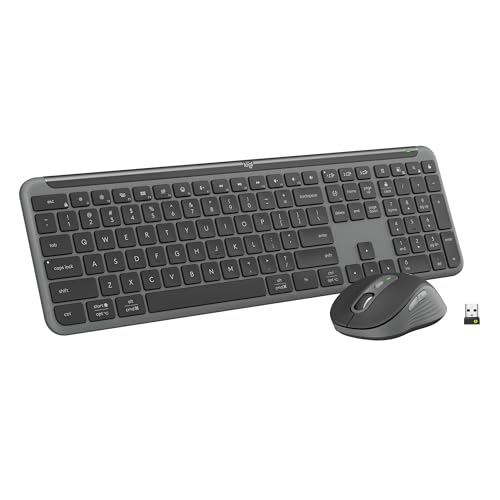
Logitech MK955 Signature Slim Wireless Keyboard and Mouse Combo, for Larger Hands, Quiet Typing and Clicking, Switch Across Three Devices, Bluetooth, Multi-OS, for Windows and Mac
Type and Click Across Your Personal and Work Computers: Move seamlessly between your home desktop and your work...
As an affiliate, we earn on qualifying purchases.
Conclusion
By embracing minimalism, you give yourself space to heal and reconnect with what truly matters. Simplifying your life isn’t just about decluttering; it’s about creating room for peace, clarity, and self-care. As you let go of excess, do you notice how your mind feels lighter and your heart more open? Sometimes, the simplest changes can lead to the most profound healing. Are you ready to start your journey toward a more meaningful, minimalist life?

Logitech MK335 Quiet Wireless Keyboard and Mouse Combo - Black/Silver Keyboard and Mouse Combo Wireless, Ambidextrous
The keyboard's sleek and stylish design features low-profile, whisper-quiet keys that provide a comfortable typing experience, suitable for...
As an affiliate, we earn on qualifying purchases.
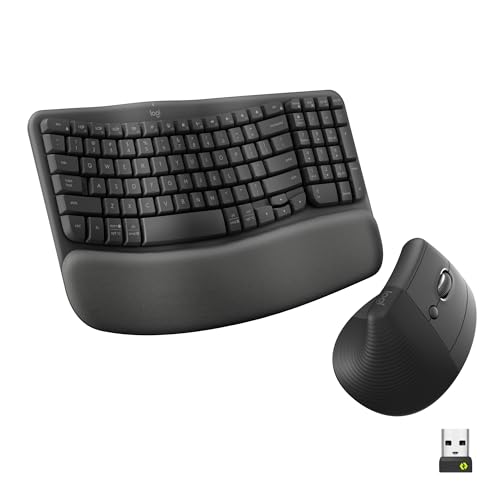
Logitech Wave Keys & Lift Vertical Mouse - Ergonomic Wireless Keyboard and Mouse Combo - with Cushioned Palm Rest, Easy-Switch, Bluetooth, for Multi-OS, Windows/Mac - Graphite
Feel the Wave. Feel the Lift: Wave Keys ergonomic wireless keyboard and Lift vertical ergonomic mouse are matched...
As an affiliate, we earn on qualifying purchases.