
Dealing with inherited belongings can be emotionally overwhelming, but you can approach it mindfully. Recognize the sentimental value and decide what truly sparks joy or serves your current lifestyle. Consider digitizing memories or repurposing items instead of holding onto everything. Set clear boundaries and take your time to avoid impulse decisions. Seeking support from loved ones and exploring modern ways to preserve memories can create a calmer, clutter-free space. If you continue exploring, you’ll find helpful strategies to honor your inheritance peacefully.
Key Takeaways
- Recognize emotional attachments to inherited items and approach decluttering with compassion and mindfulness.
- Create a thoughtful decision-making process based on significance, usefulness, and current values.
- Preserve memories digitally or selectively display meaningful items to reduce physical clutter.
- Set boundaries, take breaks, and avoid rushing to ensure a calm, deliberate decluttering process.
- Seek support from friends or family and explore modern solutions for memory preservation to ease emotional challenges.
When you inherit belongings, it’s easy to feel overwhelmed by the emotional weight and clutter they bring. These items often carry memories, stories, and feelings that make parting with them challenging. Your emotional attachment to certain belongings can cloud your judgment, making the decision-making process more complicated. It’s natural to feel conflicted about letting go of things that symbolize loved ones or important moments. Recognizing this emotional attachment is the first step toward approaching inherited belongings with a clearer, more minimalist mindset.
Acknowledging emotional attachments helps you approach inherited belongings with clarity and mindful decision-making.
To manage this, start by understanding that not everything needs to be kept. It’s okay to feel nostalgic, but you don’t have to hold onto every item. Create a conscious decision-making process, where you evaluate each piece based on its significance and practicality. Ask yourself if it sparks joy or if it serves a purpose in your current life. If an item no longer aligns with your values or lifestyle, consider letting it go. This process helps you stay intentional and reduces the chance of holding onto clutter out of guilt or obligation.
As you go through inherited belongings, remind yourself that preserving memories doesn’t require keeping every physical object. Photos, letters, or heirlooms can be digitized or displayed selectively, allowing you to cherish those moments without cluttering your space. When faced with items that evoke strong emotions, take a moment to reflect on what they truly mean to you. Sometimes, honoring your feelings means finding a respectful way to let go, such as donating, repurposing, or passing items to someone else who might appreciate them.
It’s also helpful to establish boundaries for yourself during this process. Set aside specific times to sort through belongings, and give yourself permission to take breaks. If you feel overwhelmed, step back and revisit the task later. Don’t rush the decision-making process; instead, approach it with patience and compassion for your emotional responses. Remember, minimalism isn’t about discarding everything but about making mindful choices that bring peace and clarity to your space.
Finally, consider enlisting support from friends or family if you’re struggling. Sometimes, an outside perspective can help you see the value in letting go of items that no longer serve you. By approaching inherited belongings with intention, compassion, and a clear decision-making process, you can honor your past while creating a calmer, clutter-free future. Embracing a minimalist mindset allows you to cherish meaningful memories without being weighed down by unnecessary possessions. Additionally, understanding innovative solutions can help you find modern ways to preserve memories without physical clutter.

64GB 15.6" Frameo Digital Picture Frame WiFi, Large Electronic Photo Frames 1920 x 1080 IPS FHD Touch Screen, Send Photos from Your Phone from Anywhere, Best Gifts for Parents and Grandparents
【Share Photos & Videos Securely and Privately via “Frameo” App】 Easily connect your 15.6" digital picture frame to…
As an affiliate, we earn on qualifying purchases.
As an affiliate, we earn on qualifying purchases.
Frequently Asked Questions
How Can I Honor Family Heirlooms Without Cluttering My Home?
To honor family heirlooms without cluttering your home, focus on preserving their sentimental value through careful preservation techniques like proper cleaning or framing. Display only a few meaningful items, rotating them periodically, and store the rest in a dedicated, organized space. You can also digitize photos or documents to cherish their memory without taking up physical space. This approach balances respect for your heritage with a minimalist, clutter-free environment.
What’s the Best Way to Digitize Sentimental Items?
You can digitize sentimental items by carefully scanning photos and documents, ensuring digital preservation. Use a high-quality scanner and organize your images with photo organization software, creating labeled folders for easy access. This way, you preserve your family’s history without clutter, evoking emotional connections while maintaining a minimalist home. Digitizing keeps cherished memories safe, accessible, and clutter-free, allowing you to honor your past without sacrificing space.
How Do I Handle Emotional Attachments to Inherited Possessions?
You can handle emotional attachments by acknowledging your feelings and practicing emotional release through journaling or talking with someone you trust. To preserve memories, consider digitizing photos or recording stories related to the possessions. This allows you to honor your loved ones without keeping everything physically. By balancing emotional release with memory preservation, you create space for your current life while respecting your inheritance.
When Is It Appropriate to Donate or Sell Inherited Belongings?
You should consider donating or selling inherited belongings when they no longer serve a purpose or align with your values. An estate sale is a great way to efficiently sell items, while charity donations help you give back. If the items hold little sentimental value or clutter your space, it’s the right time to let go, making room for your own life and minimizing emotional burden.
How Can I Involve Family Members in Decluttering Inherited Items?
You can involve family members in decluttering inherited items through family collaboration and shared decision making. Start by having open conversations about each person’s feelings and attachments. Encourage everyone to express their preferences and listen actively. Set clear goals together, and consider dividing items based on sentimental value or practical use. This approach helps make sure everyone feels heard and respected, making the decluttering process smoother and more amicable.
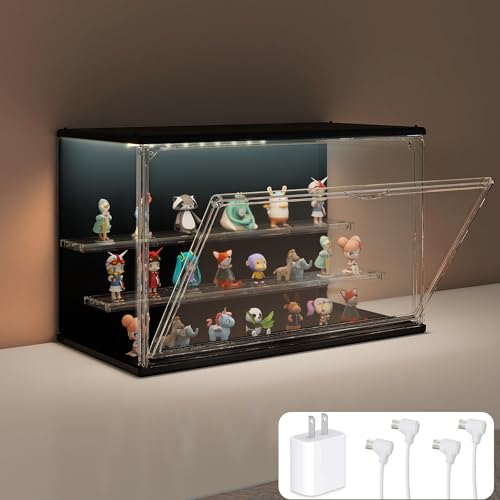
VERSSURE Clear Display Case for Collectibles, 3-Tier Adjustable Figure Display Case with LED Light, Stackable Acrylic Showcase with Magnetic Door for Jewelry,Collectibles (Black, 1 Pack-8.7" H)
【Upgrade Your Collection Display】Give your collectibles the home they deserve. This acrylic figure display case combines a crystal-clear…
As an affiliate, we earn on qualifying purchases.
As an affiliate, we earn on qualifying purchases.
Conclusion
As you sort through inherited belongings, imagine each item as a leaf drifting from a family tree, some vibrant, others faded with time. By letting go of what no longer serves you, you create space for new growth—both physically and emotionally. Embrace the calm that comes with decluttering, knowing you’re shaping a life rooted in intention rather than excess. In doing so, you honor the past while welcoming a clearer, lighter future.

Lineco, 10×15 Clamshell Archival Folio Storage Box, 3" Deep, Acid-Free with Metal Edge Preservation Box. Preserves Picture Magazines Longevity, Organize Photos or Documents, Artwork, DIY
ULTIMATE PRESERVATION – Our Lineco archival storage box is designed to preserve your memories. Preserves your cherished documents,…
As an affiliate, we earn on qualifying purchases.
As an affiliate, we earn on qualifying purchases.

Declutter Your Heart and Your Home: How a Minimalist Life Yields Maximum Joy
As an affiliate, we earn on qualifying purchases.
As an affiliate, we earn on qualifying purchases.