

Your love for stuff stems from childhood bonds that shape how you seek comfort, identity, and social status through possessions. You attach emotional significance to items that reflect your self-image, achievements, and culture, often driven by biases like the endowment effect. Consumer culture intensifies this, linking happiness to acquiring more. If you keep exploring, you’ll uncover how understanding these factors can help you manage your attachment to things better.
Key Takeaways
- Childhood attachment styles influence emotional bonds with possessions, making items sources of security and familiarity.
- Ownership allows self-expression, reinforcing personal identity and beliefs through meaningful objects.
- Possessions serve as signals of social status, fulfilling the human drive for social comparison and validation.
- Items evoke nostalgia and emotional comfort, helping manage stress and create a sense of stability.
- Cognitive biases like the endowment effect and sunk cost fallacy increase attachment and accumulation of possessions.
Childhood Attachments and Their Influence on Collection Habits

Childhood attachments often shape the way you develop collection habits later in life. When you experience strong bonds or attachment styles with caregivers, it influences how you seek comfort and familiarity. Childhood nostalgia can drive you to collect items that remind you of simpler times or feelings of security. For some, a secure attachment fosters a sense of trust and stability, leading to collecting things that reinforce those feelings. Others with anxious or avoidant attachment styles might collect to fill emotional gaps or establish control. These early experiences create a psychological imprint, making collecting a way to recreate feelings of safety, connection, or nostalgia. Additionally, adopting survivalist principles such as foraging or resource preservation can subconsciously influence the types of objects we cherish, blending emotional needs with practical instincts. Understanding your childhood attachments helps explain why certain objects hold so much emotional significance for you today. Recognizing these patterns can also be linked to currency fluctuations, as emotional attachment to possessions may influence how we value and trade items in various markets. Moreover, the principles behind HVAC Systems demonstrate how efficient resource management can mirror our emotional need for stability and comfort, further connecting our material possessions to psychological well-being. For example, our tendency to store and protect certain objects reflects a desire for control and predictability, mirroring the way HVAC systems regulate indoor environments. These attachment patterns often inform our tendency to accumulate possessions, as a way to create a sense of security and predictability in our lives.
The Role of Ownership in Building Personal Identity

Ownership plays a crucial role in shaping your personal identity because it allows you to assert control and define who you are. When you own something, it becomes a reflection of your values, tastes, and experiences, reinforcing your sense of self. The ownership significance lies in how possessions anchor your identity and give you a sense of continuity. Consider the following:
| Aspect | Explanation | Impact on Personal Identity |
|---|---|---|
| Emotional Connection | Attachments deepen with ownership | Strengthens personal narrative |
| Control and Choice | Selecting possessions expresses preferences | Reinforces individuality |
| Symbolic Value | Items symbolize identity and beliefs | Cultivates authenticity |
| Legacy and Memory | Keepsake memories shape self-perception | Builds a cohesive self-image |
Additionally, understanding the concept of ownership can help you appreciate how possessions influence your self-perception and social relationships. Recognizing how ownership contributes to personal identity highlights its importance in shaping individual self-understanding and social bonds. Exploring home decor items can also reveal how personal spaces are intertwined with one’s identity and values. Moreover, the significance of efficiency ratings in modern systems underscores how technological advancements can influence our choices and sense of control over our environment. For instance, tiny house building regulations directly impact how owners personalize their living spaces while adhering to legal standards.
Social Status and the Compulsion to Acquire
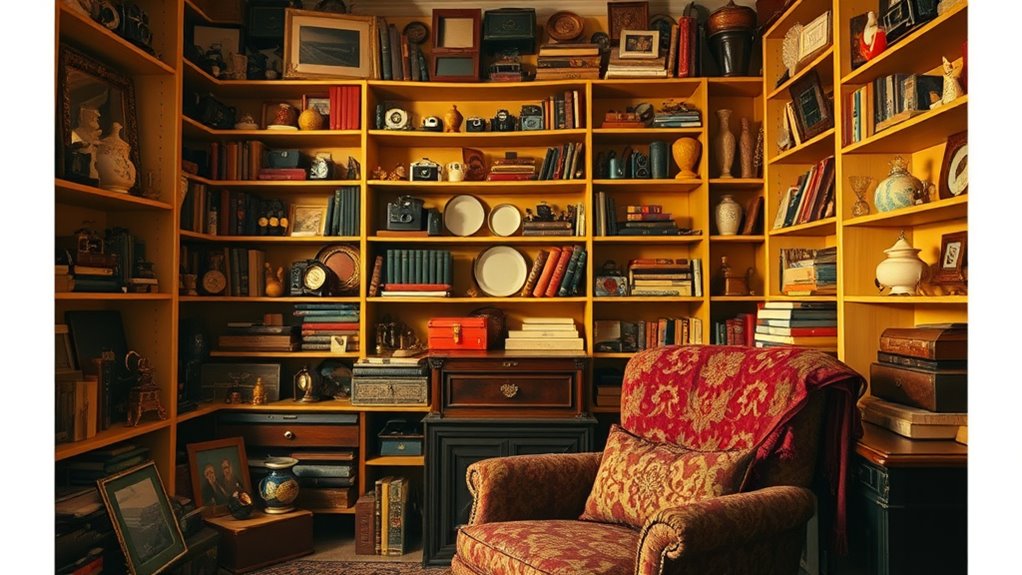
Your possessions often serve as signals of your social status, influencing how others perceive you. Status symbols, like designer clothes or luxury cars, help you communicate your position within social hierarchies. You may find yourself engaging in social comparison, measuring your worth against others based on what you own. This drive to acquire more isn’t just about practicality; it’s about maintaining or elevating your social standing. When you see peers with impressive possessions, it triggers a desire to match or surpass their displays of wealth or taste. The need to acquire becomes a way to affirm your status, boost self-esteem, and gain social validation. Ultimately, possessions become tools in the ongoing pursuit of belonging and respect within your social environment. Understanding pool hydraulics can also influence how efficiently your possessions support your lifestyle and social image. Additionally, the aesthetic appeal and material quality of items like tableware can serve as subtle indicators of taste and social sophistication. Recognizing market trends can also help you stay ahead in acquiring desirable possessions that enhance your social image. Furthermore, being aware of environmental considerations ensures that your pursuit of status aligns with sustainable practices and responsible consumption. A deeper understanding of cultural heritage can enrich your appreciation of possessions as symbols of identity and tradition.
Emotional Comfort and the Psychology of Clutter

Your belongings often provide more than just utility; they hold memories and feelings that make you feel connected to the past. Clutter can create a sense of security and stability, comforting you during uncertain times. By holding onto these items, you maintain emotional ties that help ground you amidst life’s chaos. Additionally, some individuals find that Gold IRA fees and related costs can influence their long-term financial comfort, further reinforcing the emotional significance of safeguarding what matters most. Understanding color accuracy can also serve as a metaphor for nurturing and maintaining emotional well-being, highlighting the importance of consistent care and attention.
Nostalgia and Memories
Nostalgia often leads people to hold onto possessions that evoke memories, providing a sense of emotional comfort in an uncertain world. Digital nostalgia plays a big role, as you revisit old photos, music, or messages that trigger sensory memories, transporting you back to meaningful moments. These items act as tangible links to the past, helping you feel connected and grounded. When you see a childhood toy or hear a familiar song, your brain captures the sensory details—smells, sounds, textures—that reinforce those memories. Holding onto these objects or digital reminders offers reassurance and stability, reminding you of happier times. In this way, nostalgia becomes a powerful force, shaping your attachment to certain possessions and making clutter feel like a repository of cherished experiences. Additionally, the psychology of accumulation highlights how collecting items can serve as a coping mechanism for managing stress and uncertainty. Recognizing the cultural significance of certain objects can deepen the emotional connection and reinforce their importance in your life. The positive reinforcement associated with these possessions further solidifies the tendency to retain them, as they continuously evoke comforting feelings. Moreover, understanding the role of macros in nutrition can help explain how these possessions and memories serve as emotional sustenance, akin to maintaining a balanced mental state. Interestingly, cultivating a growth mindset can encourage healthier ways to manage attachment to possessions and develop new, positive habits.
Security and Stability
Clutter often provides a sense of security by creating a tangible buffer against uncertainty. When you hold onto items, it’s a way to feel more in control, especially if you’re embracing a minimalist lifestyle or cultivating a minimalist mindset. Here are four reasons why this happens:
- It offers emotional comfort during stressful times.
- It creates a sense of familiarity and routine.
- It reduces fear of missing out or future regret.
- It fosters a feeling of stability in an unpredictable world.
Even if you’re trying to declutter, these items serve as anchors, giving you reassurance. Recognizing this can help you balance emotional needs with a minimalist approach, making your space both secure and intentional.
Cognitive Biases That Fuel the Desire for More

Have you ever wondered why reaching a small goal often leaves you craving more? It’s because your mind relies on heuristic shortcuts—mental rules of thumb—that can lead to cognitive distortions. These biases skew your perception, making you overvalue what you already have and underestimate future gains. For example, the “endowment effect” makes you feel more attached to possessions simply because you own them, fueling the desire for new things. The “sunk cost fallacy” convinces you to keep investing in possessions or pursuits, even when they no longer serve you. These cognitive biases create a feedback loop, pushing you to seek more, not because you need it, but because your mind tricks you into believing more will bring greater satisfaction.
Cultural Factors Shaping Our Attitudes Toward Possessions

Our attitudes toward possessions are deeply influenced by cultural norms and societal expectations that shape how we value and define success. Material culture plays a significant role in this, as it reflects shared beliefs about what possessions symbolize. Here are four ways culture impacts your view of possessions:
- Societal status often depends on the display of certain items.
- Possession symbolism links objects to personal identity and achievements.
- Cultural traditions influence which possessions are valued or passed down.
- Media and advertising reinforce ideals of success tied to material wealth.
These factors shape your perception of possessions, making them more than just objects—they become symbols of your social standing, cultural identity, and personal story. Your cultural environment molds your attitudes toward accumulating and valuing stuff.
The Impact of Consumerism on Our Love for Stuff

Consumerism fuels an insatiable desire for more by constantly bombarding you with messages that equate happiness and success with possessing the latest products. This relentless barrage deepens your material attachment, making you believe that accumulating stuff will lead to fulfillment. As a result, your consumer behavior shifts toward frequent purchasing, driven more by social influences and advertising than genuine need. The cycle reinforces the idea that possessions define your identity, fueling a never-ending quest for new items. Over time, this pattern can diminish your appreciation for what you already have, increasing your dependence on material possessions to boost self-esteem. Consumerism consequently shapes your love for stuff, tying your emotional well-being to the continuous acquisition of material goods.
Strategies to Understand and Manage Our Accumulation Tendencies

Recognizing how consumerism influences your attachment to possessions is the first step toward gaining control over your tendency to accumulate. To manage this, try these strategies:
Understanding consumerism’s impact helps you take control of your belongings.
- Practice mindful decluttering—regularly evaluate what truly adds value to your life.
- Limit new acquisitions by setting clear boundaries before shopping.
- Embrace digital minimalism—unsubscribe from unnecessary emails and declutter your digital space.
- Reflect on the emotional reasons behind your purchases to identify patterns and triggers.
Frequently Asked Questions
How Does Nostalgia Influence Our Attachment to Possessions?
Nostalgia deepens your emotional attachment to possessions by imbuing them with sentimental value. When you see an item from your past, it triggers memories and feelings, making you value it more. This emotional connection makes letting go difficult because those objects represent important moments or loved ones. Your attachment isn’t just about the item itself but the memories and feelings they evoke, strengthening your bond with your possessions.
Can Collecting Habits Predict Future Consumer Behavior?
Your collecting habits can predict future consumer behavior because they reveal your emotional attachment to possessions and tendencies toward retail therapy. If you frequently indulge in collecting, you’re likely to seek out new items to fulfill emotional needs or nostalgia. This pattern shows how your attachment influences your spending, making you more prone to continue accumulating similar items, which shapes your future purchasing decisions.
What Psychological Effects Does Decluttering Have on Mental Health?
Imagine you’re a pioneer in a wild west town—decluttering brings emotional release and cognitive clarity. When you clear your space, you reduce overwhelm, ease anxiety, and boost your mental health. This act helps you gain perspective, eliminate distractions, and feel more in control. As a result, you experience improved mood, focus, and resilience, making decluttering a powerful tool for nurturing your overall well-being and mental sharpness.
How Do Cultural Differences Impact Attitudes Toward Material Wealth?
Cultural norms shape how you view material wealth, influencing your attitudes toward possessions. In some cultures, accumulating wealth signifies success and status, making you value material things more. In others, simplicity and community matter more, so you might see wealth as less important. Your perception of wealth is deeply tied to these cultural differences, which impact how you prioritize and feel about your possessions.
Are There Evolutionary Reasons Behind Our Desire to Gather Possessions?
You might find it surprising, but there’s an evolutionary basis for your desire to gather possessions. Genetic predispositions and survival instincts drive you to accumulate resources, ensuring safety and status. This instinct, rooted deep in human history, pushes you to collect belongings not just for comfort but as a way to secure your future and signal your fitness to others. Your urge to gather isn’t random—it’s wired into your very survival.
Conclusion
You might think managing your possessions is just about decluttering, but understanding why you accumulate helps you regain control. Remember, loving stuff isn’t a flaw—it’s rooted in psychology and culture. By recognizing these influences, you can choose what truly adds value to your life. It’s okay to enjoy possessions, but don’t let them define you. With awareness, you can find balance and create a space that reflects who you really are.