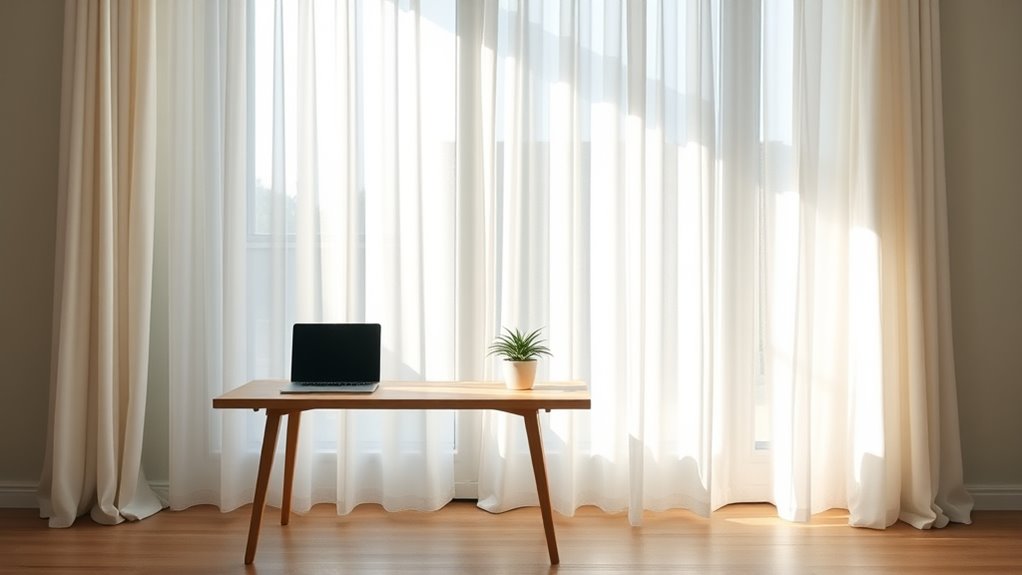

Yes, a minimalist environment can help reduce the afternoon slump by creating a calm, focused space that minimizes distractions and overstimulation. Clearing clutter and organizing your workspace allows you to concentrate better and stay alert longer. Such environments support your natural energy cycles and promote clarity, making it easier to maintain productivity throughout the day. If you explore further, you’ll discover more practical ways to optimize your energy and focus during those sluggish hours.
Key Takeaways
- A clutter-free workspace minimizes distractions, helping maintain focus during energy dips in the afternoon.
- Minimalist environments reduce mental overstimulation, supporting clearer thinking and decreased fatigue.
- Organized spaces encourage mindful routines that align with natural energy fluctuations, easing the slump.
- Simplicity in the workspace can promote calmness, reducing stress-related fatigue post-lunch.
- A minimalist setup fosters better concentration, making it easier to stay productive despite afternoon energy lows.
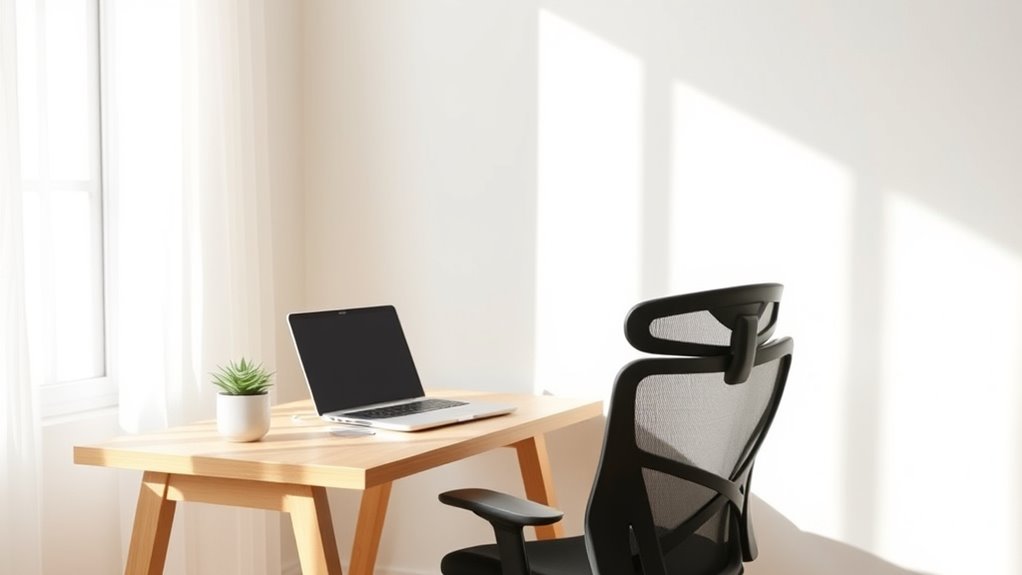
Have you ever noticed your energy dips sharply after lunch, leaving you sluggish and unproductive? That mid-afternoon slump can feel like an unavoidable part of your day, but it doesn’t have to be. Instead of reaching for another cup of coffee or an energy drink, consider exploring caffeine alternatives that sustain your focus without the jitters. Herbal teas, like peppermint or chamomile, can provide a gentle boost or calming effect, helping you stay alert without the crash. Some people find that incorporating small, nutrient-rich snacks—like nuts, fruit, or yogurt—keeps their energy stable and prevents that sudden drop. These options can be part of a mindful approach to maintaining productivity, especially when paired with productive routines that set a positive tone for the afternoon.
Beat the afternoon slump with herbal teas and nutrient-rich snacks for sustained energy and focus.
Establishing a structured routine can make a big difference in how you experience the afternoon slump. Start by planning your most demanding tasks for the times when your energy naturally peaks, often mid-morning. When the post-lunch hours hit, shift to lighter activities or tasks that are less cognitively demanding. Incorporating short, intentional breaks—just a few minutes to stretch or walk around—so your mind can reset. Moving away from cluttered, overstimulating environments also plays a role. A minimalist workspace, free of distractions and excess clutter, can help you focus more sharply and reduce mental fatigue. When your environment is simple and organized, your brain isn’t overwhelmed, making it easier to stay engaged without relying heavily on caffeine. Additionally, research shows that a minimalist environment can help improve mental clarity and focus, which further reduces fatigue.
You can also develop productive routines that minimize the afternoon slump’s impact. For instance, integrating quick breathing exercises or mindfulness practices into your day can boost your alertness naturally. Staying hydrated is another simple yet effective way to keep your energy levels steady; dehydration often leads to fatigue. If you find yourself craving caffeine, try replacing that habit with a glass of water or a fresh fruit smoothie. Over time, these routines help your body and mind adapt, reducing your dependence on stimulants and creating a more sustainable energy cycle.
In the end, battling the afternoon slump isn’t just about avoiding fatigue—it’s about creating an environment and routine that support your natural rhythms. By choosing caffeine alternatives wisely, keeping your workspace minimalist, and establishing productive routines, you set yourself up for a more energized, focused afternoon. This approach not only helps sustain your productivity but also promotes healthier habits that can benefit you long-term. Instead of fighting against your natural dips, work with them, designing a daily flow that keeps you engaged and effective well into the evening.

Logitech G413 SE Full-Size Mechanical Gaming Keyboard - Backlit Keyboard with Tactile Mechanical Switches, Anti-Ghosting, Compatible with Windows, macOS - Black Aluminum
Take your gaming skills to the next level: The Logitech G413 SE is a full-size keyboard with gaming-first...
As an affiliate, we earn on qualifying purchases.
Frequently Asked Questions
How Quickly Can a Minimalist Environment Improve Energy Levels?
You can notice improved energy levels within days of adopting a minimalist environment. Adjusting lighting conditions to natural or bright light helps boost alertness quickly, while scent therapy with invigorating scents like citrus or peppermint can provide an immediate energy lift. Removing clutter creates a calming space that reduces stress, allowing your mind to focus better and feel more energized throughout the day.
Are There Specific Colors That Enhance Alertness in Minimal Spaces?
Bright blues, energetic yellows, and crisp whites enhance alertness through color psychology, making your space feel invigorating. Using vibrant accents in a minimalist environment sparks focus, stimulates energy, and prevents dullness. You can incorporate these colors with artwork, accessories, or furniture to boost your mood and productivity. By choosing specific colors wisely, you create an environment that energizes you naturally, helping you stay alert and engaged throughout the day.
Does Reducing Clutter Impact Mental Clarity and Focus?
Reducing clutter considerably improves your mental clarity and focus enhancement. When your space is tidy and streamlined, your mind isn’t distracted by chaos, allowing you to concentrate better. A minimalist environment simplifies your surroundings, making it easier to prioritize tasks and stay engaged. By decluttering regularly, you create a calm space that fosters mental sharpness, helping you stay productive and alert throughout the day.
Can Minimalist Design Influence Long-Term Productivity?
A minimalist design can boost your long-term productivity by creating a calm, focused workspace. Picture clean surfaces, simple decorative accessories, and well-planned lighting arrangements that eliminate distractions. This environment encourages sustained concentration and efficiency, helping you stay on task longer. With less clutter and optimized lighting, you’ll find it easier to maintain motivation and clarity day after day, ultimately supporting your productivity goals over the long haul.
What Are Simple Ways to Create a Minimalist Workspace at Home?
To create a minimalist workspace at home, start by decluttering your desk and keeping only essential items. Incorporate ergonomic accessories to support comfort and productivity. Maximize natural lighting by positioning your workspace near windows or using light, airy curtains. Keep surfaces clean and organized, and choose simple, functional furniture. This setup reduces distractions, boosts focus, and creates a calming environment that helps you stay energized throughout the day.

ONEMIX 42" LED Desk Lamp with Clamp, Architect Desk Light with Remote, Adjustable 4-Segment Bar, 1800LM Bright, Eye-Caring Desk Lamp for Home Office, Reading, Study, Dual Monitors, Workbench(Black)
Ultra-Wide & Super-Bright Light Bar: This 42-inch LED desk lamp features a 4-segment architect-style light bar with independently...
As an affiliate, we earn on qualifying purchases.
Conclusion
Imagine your energy as a gentle stream, flowing steadily when the surroundings are clear and uncluttered. A minimalist environment acts like a dam, guiding your focus and preventing distractions that cause your current to slow. When you simplify your space, you help your mind stay afloat, avoiding the afternoon slump. Just like a well-maintained river remains strong and steady, your productivity can stay resilient—flowing smoothly through your day with a peaceful, minimalist setting.

LitONES Led Desk Lamps for Home Office with Base, Tall Desk Lamp with 50 Light Modes & Memory and Timer Func Computer Light, Flexible Adjustable Table Lamps for Video Conference, Architect or Study
𝐄𝐲𝐞-𝐂𝐚𝐫𝐢𝐧𝐠, 𝐒𝐨𝐟𝐭, 𝐆𝐥𝐚𝐫𝐞-𝐅𝐫𝐞𝐞 𝐈𝐥𝐥𝐮𝐦𝐢𝐧𝐚𝐭𝐢𝐨𝐧 – This 15W LED desk lamp features LitONES’ exclusive 4-layer optical soft panel with...
As an affiliate, we earn on qualifying purchases.

Micomlan Led Desk Lamp with Clamp, Architect Desk Lamp for Home Office with Atmosphere Lighting, 24W Ultra Bright Auto Dimming Computer Light Stepless Dimming and Tempering LED Table Light
7 Rotatable Joints: Micomlan swing arms led desk light features 7 strongly damped joints with 3 ultra bright...
As an affiliate, we earn on qualifying purchases.