

A clean desk doesn’t guarantee a clear mind, but organizing your workspace can boost focus, reduce distractions, and improve productivity. Scientific evidence shows that tidy environments help cognitive function and lower stress levels, while some clutter may spark creativity. Finding a balance between cleanliness and personalized comfort is key. If you want to discover practical strategies to create an effective workspace tailored to you, there’s more to explore right here.
Key Takeaways
- Scientific studies confirm that a tidy workspace can improve focus, cognitive function, and reduce stress levels.
- Clutter may cause cognitive overload, but some personal or controlled clutter can stimulate creativity.
- Mental clarity depends on multiple factors beyond physical organization, including habits and mindfulness practices.
- Maintaining a perfectly clean desk is time-consuming and may not be necessary for everyone’s mental well-being.
- A balance between organization and comfort supports productivity without the myth of a completely clutter-free mind.

VIVO Premium Aluminum Monitor Arm for Ultrawide Screens up to 49 inches and 33 lbs, Heavy Duty Single Desk Mount, Pneumatic Height, Max VESA 100x100, Black, STAND-V101G1
Ultrawide Compatibility: Fits ultrawide monitors up to 49" and standard flat and curved monitors up to 32” including...
As an affiliate, we earn on qualifying purchases.
The Psychology Behind Organization and Productivity

When your workspace is cluttered, it’s easy to feel overwhelmed and distracted. Your environment sends powerful cues that influence your focus and motivation. Incorporating mindfulness practices can help you become aware of how clutter affects your mental state, allowing you to intentionally organize your space. Environmental cues, like a tidy desk or specific organizational tools, trigger positive associations with productivity and calmness. When you deliberately arrange your workspace, you reinforce a mindset of order and efficiency. This psychological link between a clean environment and mental clarity makes it easier to stay focused and motivated. Practicing comfort solutions for your workspace can further enhance your sense of well-being and support your productivity goals. Additionally, understanding the transformative power of decluttering can motivate you to maintain an organized environment that promotes mental clarity. Recognizing how working hours in local stores influence your shopping routines can help you better plan your day. Incorporating remote collaboration platforms used in Hackathons, for example, can inspire you to create a workspace that reflects your personal style and fosters inspiration. By paying attention to these cues and practicing mindfulness, you create a space that naturally supports your goals, turning organization into a catalyst for enhanced productivity.
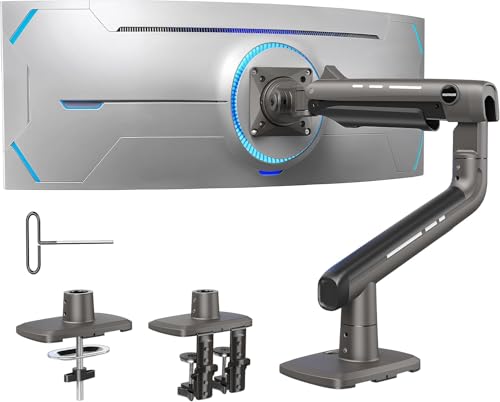
HUANUO TitanLift Heavy Duty Monitor Arm for Screens up to 49", Holds 44 lbs, Aluminum Ultrawide Screen Monitor Mount, Fully Adjustable Single Gaming Desk Mount with Dual C-Clamp, Max VESA 100x100mm
Fits up to 49" Ultrawide Screens: Ensure your monitor is compatible with the HUANUO TitanLift monitor arm by...
As an affiliate, we earn on qualifying purchases.
Scientific Evidence Supporting a Tidy Workspace

Numerous scientific studies confirm that a tidy workspace considerably boosts cognitive function and work performance. Research in organizational psychology shows that workspace aesthetics influence focus and stress levels. A clean environment reduces distractions, allowing you to process information more efficiently. Additionally, incorporating unique and wicked planters can add a touch of creativity to your desk, further enhancing your workspace environment. Maintaining a clutter-free zone can also help support mental clarity and productivity throughout your day. Studies also suggest that organized workspaces promote better time management and reduce anxiety, contributing to overall well-being. Creating an environment with ergonomic accessories can further improve comfort and reduce physical strain. Moreover, using electric bikes for commuting can also reduce stress and improve overall mental health.

HUANUO Dual Monitor Stand for 13″–40″, Premium Dual Monitor Mount with USB, Height Adjustable Monitor Stand for 2 Monitors, VESA Mount with Clamp/Grommet Base, Holds 26.4lbs per Arm, HNDS7
Improved Stability for Ultrawide Monitors: The upgraded dual monitor stand combines solid aluminum arms, a larger base, and...
As an affiliate, we earn on qualifying purchases.
When Clutter Can Boost Creativity and Problem-Solving

While a perfectly tidy workspace often promotes focus, strategically allowing some clutter can actually stimulate creativity and enhance problem-solving. A minimalist design isn’t always ideal; a touch of clutter provides sensory stimulation, encouraging new ideas and connections. When your environment includes diverse objects and materials, your brain is prompted to think outside the box. This controlled clutter can inspire innovation by making your workspace feel more dynamic and less sterile. It invites you to explore different perspectives and approach problems with flexibility. Incorporating vintage decor into your environment can further boost inspiration by adding unique visual elements. Additionally, understanding support hours for various entertainment venues can help you plan your visits more effectively, reducing stress and creating an environment conducive to creative thinking. Recognizing the impact of car tuning on mental stimulation reveals that engaging with complex or dynamic topics can enhance cognitive flexibility. Implementing organizational strategies can help you find a balance where some visual complexity sparks your imagination without overwhelming you. This intentional clutter can serve as a mental catalyst, helping you break free from routine thinking and access new solutions. Moreover, selecting home decor items that combine form and function can foster an environment that stimulates both relaxation and inspiration.

VIVO Heavy Duty Aluminum Ultrawide Monitor Tension Arm for up to 49 inch Screens, Holds 44 lbs, Premium Desk Mount Stand Designed for Samsung Odyssey G9 and More, Black, STAND-V101V
Fits Ultra Wide Screens: Single mount for ultra-wide monitors up to 49” in size and 44 lbs in...
As an affiliate, we earn on qualifying purchases.
Practical Tips for Maintaining a Balance Between Cleanliness and Comfort

Achieving the right balance between cleanliness and comfort requires intentional strategies to keep your workspace both inviting and organized. Start with a minimalist design: keep only essentials visible to reduce clutter and promote focus. Use ergonomic furniture to support your posture and make long work sessions comfortable, encouraging productivity without sacrificing coziness. Incorporate storage solutions like drawers or shelves to hide excess items, maintaining a tidy environment. Regularly declutter your desk, discarding or storing unnecessary objects. Choose soft lighting and ergonomic accessories that enhance comfort without creating clutter. Keep personal touches minimal but meaningful, fostering a welcoming atmosphere. Incorporating safety considerations from reliable power sources can further help you create a safe and efficient workspace. Additionally, integrating sound therapy techniques can promote a calm environment that supports focus and relaxation during work hours. By intentionally combining minimalist design with ergonomic furniture, you create a workspace that’s both clean and comfortable, helping you stay focused and relaxed throughout the day. Incorporating workplace organization strategies can further optimize your environment for efficiency and well-being. To enhance your workspace sustainability, consider integrating indoor gardening elements that improve air quality and add a touch of nature.
Rethinking the Myth: Is There a One-Size-Fits-All Approach?
The idea that one universal approach can perfectly suit every workspace is a misconception. Everyone has different needs for personal space and aesthetic appeal, which influence their ideal organization. Some thrive with minimalism, feeling more focused in a tidy environment, while others find comfort in a personalized, slightly cluttered space. Recognizing that interior design preferences vary greatly can help you create a workspace that truly supports your productivity and well-being. Additionally, selecting appropriate materials that align with your style and durability requirements ensures that your workspace remains functional and inviting over time. Incorporating ergonomic furniture options can further enhance comfort and reduce strain during long working hours. Exploring self-watering plant pots can also contribute to a healthier, more refreshing environment that boosts overall mood and productivity. Moreover, understanding the importance of effective organization strategies can make a significant difference in maintaining a clear and efficient workspace.
Frequently Asked Questions
How Does Cultural Background Influence Perceptions of a Tidy Workspace?
Your cultural background shapes how you perceive a tidy workspace, as cultural norms influence what’s considered organized. In some cultures, a cluttered desk may be seen as a sign of creativity or productivity, while others value strict cleanliness and minimalism for professionalism. These differences affect workspace aesthetics and your comfort levels, making tidiness a subjective idea rooted in cultural expectations rather than a universal standard.
Are There Specific Professions That Benefit More From Cluttered Environments?
Think of artists and designers thriving in creative chaos, where clutter sparks inspiration. You’ll find that professions like advertising, writing, and innovation benefit from organized chaos, as it fuels spontaneity and idea generation. These roles often require flexible thinking, so a slightly messy environment can boost productivity. Embrace the notion that some careers thrive amidst clutter, proving that a clean desk isn’t always the secret to success.
Can Digital Organization Impact Mental Clarity as Much as Physical Tidiness?
Digital decluttering and virtual organization can profoundly impact your mental clarity, often as much as physical tidiness. When you organize your files, delete unnecessary emails, and streamline your digital workspace, you reduce cognitive overload. This clarity helps you focus better, feel less stressed, and boost productivity. Taking time for virtual organization creates a calmer mind, proving that digital decluttering is just as essential as maintaining a tidy physical environment.
How Do Personal Habits Shape Individual Workspace Preferences Over Time?
Your personal habits markedly shape your workspace preferences over time through habit formation and environment influence. As you consistently organize or clutter your space, it reinforces how you work best. Over time, these habits create a tailored environment that boosts productivity or causes distraction. By becoming aware of your routines and adjusting your environment accordingly, you foster a workspace that supports your mental clarity and overall efficiency.
What Role Does Emotional Attachment to Objects Play in Clutter Accumulation?
You might think clutter is just laziness, but emotional attachment to objects fuels it more than you realize. Sentimental value and attachment triggers make it hard to let go, turning simple items into emotional anchors. Ironically, holding onto these keepsakes creates mental clutter, making your space less clear and your mind more overwhelmed. Embracing detachment could finally free you from the cycle of clutter and emotional baggage.
Conclusion
Ultimately, whether a clean desk fuels your productivity or sparks your creativity depends on you. Don’t assume one size fits all—your workspace should serve your mind, not restrict it. Finding that perfect balance might just be the secret to releasing your full potential. Remember, a cluttered desk isn’t a sign of chaos—it’s a canvas for your genius waiting to be set free. So, clear some space and let your ideas soar beyond the stars!