
Clutter overwhelms your brain, making it harder to focus and process information efficiently. When your space is chaotic, your brain works overtime to organize stimuli, increasing mental fatigue and stress levels. This chaos triggers your stress response, releasing hormones like cortisol that affect your mood. Over time, persistent clutter can reduce mental clarity and decision-making abilities. If you want to discover how decluttering can boost your brain’s performance, explore the benefits further.
Key Takeaways
- Clutter increases cognitive load, making it harder to focus and process information efficiently.
- Disorganized environments activate stress responses, releasing cortisol and negatively impacting mental health.
- Visual chaos causes the brain to work overtime, leading to mental fatigue and reduced decision-making capacity.
- Decluttering improves brain function by reducing sensory overload, enhancing concentration, creativity, and cognitive clarity.
- Maintaining order rewires the brain for better focus and emotional well-being, supporting overall mental health.

Have you ever noticed how a cluttered space can make it harder to focus or think clearly? When your environment is filled with scattered papers, overflowing shelves, or miscellaneous items, it’s more than just an eyesore; it can considerably impact your mental clarity. Your brain struggles to process information efficiently when surrounded by chaos, which leads to increased cognitive load. This overload hampers your ability to concentrate, make decisions, or even remember important details. Clutter creates mental noise, making it difficult to filter out irrelevant stimuli, so your mind becomes bombarded with distractions instead of focusing on what truly matters. As a result, your productivity drops, and your sense of mental calm diminishes.
A cluttered space hampers focus, increases mental noise, and lowers productivity.
Moreover, clutter influences your stress levels in profound ways. Neuroscience shows that disorder can activate the brain’s stress response because it signals a lack of control or chaos in your environment. When your surroundings feel overwhelming, your body releases stress hormones like cortisol, which can contribute to feelings of anxiety and tension. Over time, chronic exposure to clutter-induced stress can affect your overall mood and mental health. You might find yourself feeling irritable, overwhelmed, or exhausted even when there’s no obvious reason. The constant visual reminder of disorder can keep your brain in a heightened state of alertness, making it harder to relax or unwind.
The connection between clutter and mental clarity is rooted in how your brain prioritizes information. When everything around you is in disarray, your brain works overtime trying to make sense of it all, pulling focus away from your goals or tasks at hand. This distraction can lead to mental fatigue, where your cognitive resources become drained more quickly. Interestingly, neuroscience research indicates that clearing clutter doesn’t just improve your environment; it actually rewires your brain to operate more efficiently. When you organize your space, you reduce sensory overload, allowing your mind to focus better, think more creatively, and process information more effectively. Modern kitchen technology can even support this process by automating clutter management through smart storage solutions and connected appliances that help keep your space tidy.
In essence, clutter isn’t just a physical annoyance—it’s a mental obstacle. It hampers your mental clarity and raises stress levels, creating a cycle that keeps your mind overwhelmed and your mood lowered. Recognizing this link can motivate you to maintain a tidier environment, which supports clearer thinking, better emotional health, and a more relaxed state of mind. Taking small steps to declutter can make a noticeable difference in how your brain functions daily, helping you feel more in control and less stressed.

Logitech G413 SE Full-Size Mechanical Gaming Keyboard - Backlit Keyboard with Tactile Mechanical Switches, Anti-Ghosting, Compatible with Windows, macOS - Black Aluminum
Take your gaming skills to the next level: The Logitech G413 SE is a full-size keyboard with gaming-first...
As an affiliate, we earn on qualifying purchases.
Frequently Asked Questions
Can Clutter Cause Long-Term Cognitive Decline?
Clutter can contribute to long-term cognitive decline by overwhelming your brain, making it harder to focus and process information. When your environment is chaotic, your mental clarity decreases, and stress levels rise, which can impact emotional stability over time. Persistent clutter may impair your ability to think clearly and remember details, potentially leading to lasting cognitive issues. Keeping your space organized supports mental health, enhances clarity, and promotes emotional resilience.
How Does Clutter Impact Decision-Making Skills?
Clutter hampers your decision-making skills by causing cognitive overload and decision fatigue. When your surroundings are chaotic, your brain struggles to process information efficiently, making simple choices more difficult. This constant mental strain reduces your ability to focus, prioritize, and make clear decisions. Clearing clutter can ease this mental burden, helping you think more clearly and make smarter choices without feeling overwhelmed or exhausted by unnecessary distractions.
Does Decluttering Improve Memory Retention?
Yes, decluttering can dramatically boost your memory retention. When you adopt better organizational habits and use clutter reduction techniques, your brain becomes less overwhelmed and more focused. This mental clarity helps you retain information more effectively, like clearing the fog from your mind. By consistently reducing clutter, you train your brain to prioritize essentials, making it easier to remember important details and improve overall cognitive function.
Are There Specific Brain Regions Affected by Clutter?
Clutter impacts your brain regions, particularly the prefrontal cortex, which manages decision-making and focus, and the hippocampus, involved in memory. When your environment is cluttered, neural pathways in these areas become overstimulated or disrupted, making it harder to concentrate and process information. This overload hampers your cognitive function, leading to increased stress and reduced mental clarity, emphasizing how clutter directly affects your brain’s efficiency and health.
How Quickly Can Clearing Clutter Benefit Brain Function?
As soon as you clear clutter, you’ll notice a boost in mental clarity almost immediately. Your brain starts to relax, reducing stress and overwhelm in just minutes. Imagine the relief of a clean space—your mind sharpens, focus sharpens, and anxiety drops. Clearing clutter isn’t just physical; it’s a quick mental reset, giving your brain the space it craves for better function, focus, and calmness.

Logitech Z207 2.0 Stereo Computer Speakers with Bluetooth
Versatile setup with speakers that connect easily to computers and other devices via Bluetooth wireless or 3.5mm cable
As an affiliate, we earn on qualifying purchases.
Conclusion
Just as Sherlock’s mind thrives on order, your brain flourishes in clarity. When clutter takes over, it’s like trying to find a needle in a haystack—frustrating and draining. By tidying your space, you create a sanctuary for focus and creativity, releasing your inner detective’s sharpness. Remember, a clutter-free environment isn’t just neat—it’s a secret weapon for a sharper, happier mind. Channel your inner Holmes and let clarity be your ultimate clue.
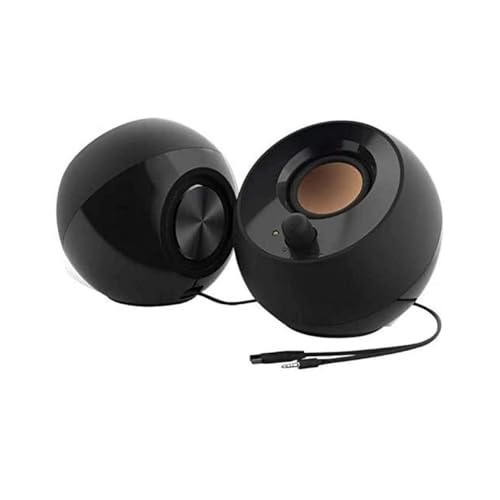
Creative Pebble 2.0 USB-Powered Desktop Speakers with Far-Field Drivers and Passive Radiators for Pcs and Laptops (Black)
Single USB cable for computers and laptops | enjoy a hassle-free Audio experience with a single USB cable...
As an affiliate, we earn on qualifying purchases.

Computer Speakers for Desktop PC Monitor, USB Plug-in, Wired, Computer Soundbar for PC, Laptop Speakers with Adaptive-Channel-Switching, Loud Sound, Deep Bass, USB C Adapter, Easy to Clip on Monitor
[COMPATIBLE WITH USB DEVICES] - Our USB Speakers are compatible with Windows, macOS, ChromeOS, and Linux, making them...
As an affiliate, we earn on qualifying purchases.