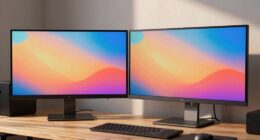

To arrange your day for peak creativity, tune into your natural energy cycles through mindfulness, noticing when you feel most alert and inspired. Schedule demanding tasks, like brainstorming or writing, during your energy highs and reserve routine or lower-focus activities for when your energy dips. Use time blocking to protect your creative windows and include breaks to reset. By aligning your work patterns with your flow, you activate your full potential—discover how to optimize your days effectively.
Key Takeaways
- Identify and align tasks with your natural energy peaks using mindfulness and self-awareness practices.
- Schedule demanding creative work during high-energy periods, reserving lower-energy times for lighter tasks.
- Use time blocking to dedicate focused sessions for deep work, minimizing distractions during peak moments.
- Regularly monitor your energy levels and adjust your schedule to prevent burnout and maintain flow.
- Incorporate breaks and mindfulness routines to reset energy and sustain high creativity throughout the day.

Understanding your natural energy patterns can release your peak creative potential. By tuning into when you feel most alert, focused, and inspired, you can align your daily tasks to maximize productivity and creativity. One of the most effective ways to do this is by using mindfulness techniques. These practices help you become more aware of your energy fluctuations throughout the day, allowing you to recognize when your mind is sharpest and most receptive. For example, starting your day with a few minutes of mindful breathing or meditation can ground you and make you more attuned to your body’s signals. This heightened awareness enables you to schedule your most demanding creative tasks during your high-energy periods, ensuring you’re operating at your best. Incorporating the concept of color accuracy in your planning can also help you visualize your goals more clearly and stay aligned with your creative vision.
Tune into your energy peaks with mindfulness to unlock your creative potential.
In addition to mindfulness, implementing time blocking can markedly enhance your ability to capitalize on your natural rhythms. Time blocking involves dividing your day into dedicated slots for specific activities, which minimizes distractions and helps you stick to your plan. When you know that a certain part of your day is reserved for creative work, you’re less likely to sabotage that time with interruptions or multitasking. By consciously allocating blocks for deep work during your peak energy times, you set yourself up for flow states where ideas come easily and productivity soars. It’s important to remain flexible, however, and adjust your blocks based on how your energy levels shift. Some days, you might find your mornings are best for brainstorming, while others, late afternoons, might be more suitable for refining ideas.
Recognizing your energy cycles is also about paying attention to your body’s signals and practicing mindfulness to stay present. This awareness helps you avoid burnout and maintain a sustainable creative rhythm. When you’re mindful of your natural ebbs and flows, you can plan breaks strategically—taking short moments to reset if you notice your focus waning. Incorporating mindfulness techniques into your daily routine not only enhances your self-awareness but also sharpens your ability to identify your most productive periods. As a result, you can align your schedule more precisely, dedicating your prime creative hours to tasks that truly require your full attention.
Ultimately, understanding your unique flow cycle is about more than just working harder; it’s about working smarter. By harnessing mindfulness techniques and strategically implementing time blocking, you can tap into your highest creative potential, making each day more productive and fulfilling. This intentional approach transforms how you manage your energy, turning natural fluctuations into a powerful tool for innovation and growth.

Logitech MX Keys S Wireless Keyboard, Low Profile, Fluid Precise Quiet Typing, Programmable Keys, Backlighting, Bluetooth, USB C Rechargeable, for Windows PC, Linux, Chrome, Mac - Graphite
Fluid Typing Experience: Laptop-like profile with spherically-dished keys shaped for your fingertips delivers a fast, fluid, precise and...
As an affiliate, we earn on qualifying purchases.
Frequently Asked Questions
How Long Does Each Flow State Typically Last?
Flow states typically last anywhere from 30 minutes to several hours, depending on your activity and focus. The duration variability is influenced by how engaged you are and the task’s complexity. You may experience shorter flow durations during less immersive tasks or longer ones when deeply involved. To maximize your flow, plan your day around these natural fluctuations, allowing enough time for extended periods of intense focus and creativity.
Can the Flow Cycle Be Customized for Different Professions?
Think of the flow cycle as a tailored suit—you can customize it to fit your profession perfectly. You should craft personalized routines that align with your energy peaks and troughs, creating profession-specific cycles. Whether you’re a teacher, coder, or artist, adjusting your schedule helps you hit your creative stride consistently. By listening to your natural rhythms, you can optimize productivity and stay in flow longer, no matter your profession.
What Are Common Distractions That Break the Flow Cycle?
Common distractions that break your flow cycle include environmental interruptions like loud noises, notifications, and sudden conversations. Multitasking pitfalls also pull you out of focus, making it hard to sustain creative momentum. To stay in the flow, minimize these distractions by turning off notifications, creating a quiet workspace, and focusing on one task at a time. This helps you maintain peak creativity and productivity throughout your day.
How Do Sleep Patterns Influence the Flow Cycle?
Imagine your brain as a garden that blooms with energy during certain hours. Sleep patterns, guided by your circadian rhythms, greatly influence your flow cycle. When you practice good sleep hygiene, you synchronize your internal clock, ensuring peak mental clarity when needed. Irregular sleep disrupts this rhythm, making it harder to access those creative moments. Prioritize consistent sleep to keep your mind vibrant and ready to flow.
Is It Possible to Recover Quickly if the Flow Is Interrupted?
Yes, you can recover quickly from an interruption with resilience strategies like deep breathing, brief breaks, or mindfulness. To speed up interruption recovery, recognize the distraction early, reset your focus, and avoid multitasking. Staying flexible and practicing mindfulness helps you regain flow faster. By incorporating these resilience strategies, you strengthen your ability to bounce back swiftly, ensuring minimal disruption to your creative peak.

Flow Lite 84 Keys Low Profile Mechanical Keyboard, 75% Swappable Rechargeable Wireless Keyboard with 2.4G Receiver, Bluetooth and Wired Connection for Windows, Mac/ Specter Linear Switches (Marble)
Affordable low-profile mechanical keyboard: Lofree Lite was born from the Flow, evolving through an efficient process that reduced...
As an affiliate, we earn on qualifying purchases.
Conclusion
As you align your day with your natural flow, you might find moments where inspiration strikes unexpectedly—reminding you that creativity often comes when you least expect it. Embrace these coincidences, for they reveal that your best ideas aren’t always planned but arise from trusting your flow. By honoring your rhythm, you open the door to spontaneous brilliance, proving that sometimes, the most creative moments happen when you least try to control them.

Razer Ornata V3 Gaming Keyboard: Low Profile Keys - Mecha Membrane Switches - UV Coated Keycaps - Backlit Media Keys - 10 Zone RGB Lighting - Spill Resistant - Magnetic Wrist Wrest - Snap Tap
LOW-PROFILE KEYS — With slimmer keycaps and shorter switches, enjoy natural hand positioning that allows for long hours...
As an affiliate, we earn on qualifying purchases.
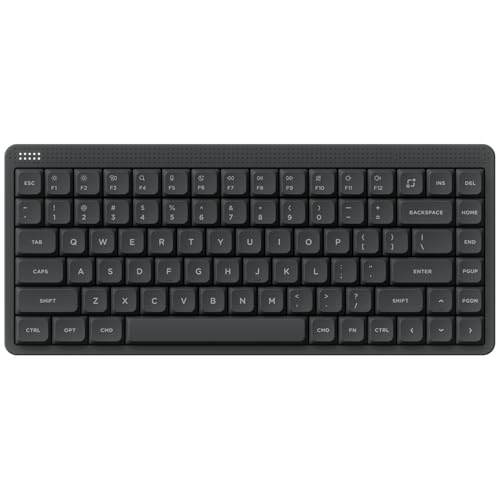
nuphy Node75 Wireless Mechanical Keyboard, 75% Hot Swappable Custom Low Profile Keyboard, 84 Keys Computer Gaming Keyboards, Supports Touch Gestures, PBT Keycaps, RGB Backlit, Bluetooth/2.4GHz/USB-C
Gesture Touch: Node75 mechanical keyboard abandons the traditional volume knob control, and is equipped with a touch area...
As an affiliate, we earn on qualifying purchases.