Start your morning with a simple, clutter-free routine by establishing consistent habits like mindful breathing and journaling to clear your mind. Focus on your top three priorities and visualize a streamlined day to boost productivity. Keep your space organized with minimal decor and smart storage to reduce distractions. Developing these habits sets a calm, focused tone for the day, and you’ll find more tips to refine your mornings just ahead.
Key Takeaways
- Simplify your morning by reducing clutter and focusing on essential items only.
- Establish a consistent wake-up routine with mindful breathing and journaling to set a calm tone.
- Organize your space with sleek storage solutions to promote clarity and minimize distractions.
- Prioritize three key tasks each day to stay focused and avoid overwhelm.
- Use minimal decor and intentional arrangement to create a serene environment that boosts productivity.

Logitech G413 SE Full-Size Mechanical Gaming Keyboard - Backlit Keyboard with Tactile Mechanical Switches, Anti-Ghosting, Compatible with Windows, macOS - Black Aluminum
Take your gaming skills to the next level: The Logitech G413 SE is a full-size keyboard with gaming-first...
As an affiliate, we earn on qualifying purchases.
Simplify Your Wake-Up Process

To simplify your wake-up process, start by establishing a consistent routine that your body can anticipate. This helps reduce decision fatigue and creates a smooth shift from sleep to activity. Incorporate mindful breathing into your morning to center yourself and clear your mind. Take a few deep, intentional breaths before getting out of bed, focusing on your inhales and exhales to set a calm tone. Additionally, try morning journaling to capture your thoughts or intentions for the day. This quick reflection helps you connect with your goals and clears mental clutter. Practicing color accuracy awareness can help you appreciate subtle visual cues in your environment, enhancing your overall mood and focus. Engaging in data-driven strategies for your routine can lead to more measurable improvements over time. Building sleep hygiene habits can further support your ability to wake refreshed and alert. Incorporating performance metrics related to your morning habits can help track your progress and motivate consistency. Tracking juice intake and other wellness habits can provide valuable insights into your overall health and progress. Keeping these practices simple and habitual makes waking up less stressful and more purposeful. Over time, they become automatic parts of your minimalist routine, setting a positive tone for the entire day.

Logitech Z207 2.0 Stereo Computer Speakers with Bluetooth
Versatile setup with speakers that connect easily to computers and other devices via Bluetooth wireless or 3.5mm cable
As an affiliate, we earn on qualifying purchases.
Prioritize Essential Tasks and Goals

Focusing on your essential tasks and goals helps you create a clear path for the day ahead. Effective goal setting and time management guarantee you stay aligned with what truly matters. Start by identifying the top three priorities that will make the biggest impact today. Visualize your day as a streamlined flow:
Prioritize your top three goals each day to stay focused and aligned with what truly matters.
- A focused list of tasks, free from distractions
- A calendar with allocated time blocks for key goals
- A mental map highlighting your main objectives
- A sense of purpose guiding your every step
Consider incorporating prioritized planning to further enhance your productivity and ensure your efforts are directed toward what truly counts. Understanding narcissistic traits can also help you better align your daily routines with your personal strengths and preferences, making your mornings even more efficient. Additionally, recognizing water parks and related attractions can serve as motivating rewards or breaks to maintain enthusiasm and balance throughout your busy schedule, which can positively influence your overall mindfulness practices.
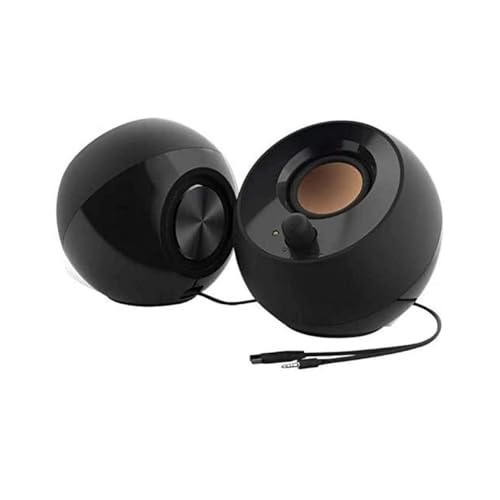
Creative Pebble 2.0 USB-Powered Desktop Speakers with Far-Field Drivers and Passive Radiators for Pcs and Laptops (Black)
Single USB cable for computers and laptops | enjoy a hassle-free Audio experience with a single USB cable...
As an affiliate, we earn on qualifying purchases.
Create a Calm and Organized Space

Creating a calm and organized space starts with intentional decluttering and thoughtful arrangement. Remove unnecessary items to reduce visual noise, making your space feel more peaceful. Use storage solutions like baskets or sleek drawers to keep essentials out of sight but easily accessible. When choosing decorative accessories, opt for simple, meaningful pieces that enhance serenity rather than clutter it. Arranging your belongings intentionally helps create a sense of order, which can boost your morning focus. Keeping surfaces clear and avoid overcrowding your space with too many decorative accessories. A tidy environment sets a positive tone for the day, helping you stay centered and productive. Incorporating efficient storage solutions can further optimize your space and maintain organization. Regularly reassessing your setup ensures that your environment continues to support your needs and promotes ongoing space organization of your space. Applying principles from power tool organization and maintenance can also help streamline your decluttering process, making it easier to keep your environment tidy. Using proper storage and safety methods can prevent clutter from accumulating and ensure your space remains functional. With a calm, organized space, you’ll find it easier to start each morning with clarity and purpose.

Computer Speakers for Desktop PC Monitor, USB Plug-in, Wired, Computer Soundbar for PC, Laptop Speakers with Adaptive-Channel-Switching, Loud Sound, Deep Bass, USB C Adapter, Easy to Clip on Monitor
[COMPATIBLE WITH USB DEVICES] - Our USB Speakers are compatible with Windows, macOS, ChromeOS, and Linux, making them...
As an affiliate, we earn on qualifying purchases.
Frequently Asked Questions
How Long Should a Minimalist Morning Routine Ideally Last?
A minimalist morning routine should last about 15 to 30 minutes, depending on your duration planning and routine flexibility. Keep it short enough to stay focused and avoid overwhelm, yet enough to set a positive tone for your day. You can adjust the time as needed, making sure it fits seamlessly into your schedule. The key is to stay consistent and intentional without feeling rushed or stressed.
Can Minimalism Improve Mental Health and Reduce Stress?
Imagine a clear blue sky after a storm—minimalism clears your mental cloud cover, boosting mental clarity and emotional resilience. It reduces overwhelm by simplifying your surroundings, helping you focus on what truly matters. When clutter fades, your mind becomes calmer, stress diminishes, and you feel more in control. Embracing minimalism isn’t just about decluttering—it’s about fostering a peaceful mindset that supports better mental health daily.
What Are Common Mistakes to Avoid in a Minimalist Morning?
You should avoid overloading your schedule and neglecting flexibility in your minimalist morning. It’s tempting to pack your routine with tasks, but that can lead to stress and burnout. Keep your mornings simple and manageable, allowing room for adjustments. Focus on what truly matters, and don’t be rigid—flexibility helps you adapt and stay consistent. By doing so, you’ll create a peaceful start that boosts your productivity and well-being.
How Do I Maintain Consistency in My Minimalist Routine?
A stitch in time saves nine, so to maintain your minimalist routine, stay consistent by habit tracking and setting clear goals. Each morning, review your progress and adjust if needed. Make small daily commitments and celebrate wins to reinforce your habits. Remember, routine is built on intention, so stay mindful and flexible. Over time, these steps will help you sustain your minimalist habits effortlessly, boosting your productivity and clarity.
Is a Minimalist Routine Suitable for Night Owls?
A minimalist routine can suit night owls if you adapt it to your evening productivity. Embrace night owl habits by creating a simple, calming evening routine that helps you wind down and focus on what matters most. Prioritize essential tasks and reduce clutter in your space to maintain clarity. This way, you leverage your natural energy peaks, making your minimalist approach effective regardless of your preferred time of day.
Conclusion
By embracing a minimalist morning routine, you set a focused tone for the day. Simplifying your wake-up, prioritizing key tasks, and organizing your space can boost productivity and reduce stress. Did you know that cluttered environments can decrease your cognitive function by up to 40%? By minimizing distractions and starting your day intentionally, you create a peaceful, efficient morning that propels you toward success with less effort and more clarity.