Whether you should play music or opt for silence depends on your personal preferences and the task at hand. Music can boost motivation and mask distractions, especially if you choose instrumental or ambient sounds, but it might distract during complex tasks. Silence helps sharpen focus and reduces mental clutter. Experiment with different sounds and silence to find what works best for you—more insights await to help optimize your workspace.
Key Takeaways
- Silence reduces distractions and mental clutter, enhancing focus for complex or demanding tasks.
- Background music, especially instrumental or ambient sounds, can boost concentration and motivation.
- Personal preferences and task complexity influence whether sound or silence is more effective.
- Noise-canceling tools and quiet environments help maintain attention and mental clarity.
- Incorporating tailored soundscapes or silence can optimize productivity and reduce fatigue.

ProCase Noise Reduction Ear Muffs, Sound Proof Ear Protection, NRR 28dB Noise Cancelling Headphones for Adults Kids Autism, Hearing Protection for Mowing -Black
Constructed by solid ABS shell and thickened foam, the ear muffs achieve NRR 28 dB (SNR 34 dB)…
As an affiliate, we earn on qualifying purchases.
As an affiliate, we earn on qualifying purchases.
The Psychological Effects of Music on Concentration

Music can profoundly influence your ability to concentrate, either by enhancing focus or causing distractions. When you listen to music, it can strengthen neural pathways associated with emotional regulation, helping you manage stress and maintain a calm state. This emotional stability allows you to stay engaged with your tasks and reduces anxiety that might otherwise impair concentration. Conversely, certain types of music may activate neural circuits that divert your attention, making it harder to focus. The key is understanding how music interacts with your brain’s emotional and cognitive processes. By choosing the right kind of music, you can harness its power to support your focus, creating an environment that promotes productivity rather than distraction. Additionally, selecting music with appropriate sound characteristics can further enhance your concentration levels. Recognizing how AI in cybersecurity can help identify distractions and optimize your listening environment is also beneficial. Tailoring your playlist based on neural responses can lead to even better focus outcomes. Furthermore, understanding the automation in business can provide insights into optimizing your work environment for better concentration.
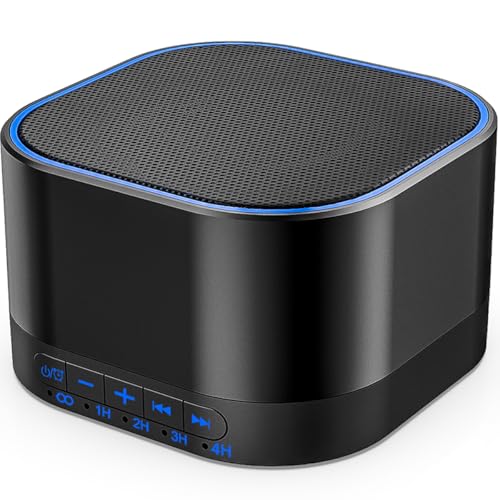
Magicteam Sound White Noise Machine with 20 Non Looping Natural Soothing Sounds and Memory Function 32 Levels of Volume Powered by AC or USB and Sleep Sound Timer Therapy for Baby Kids Adults
❤20 Non-Looping Sleep Sounds: White noise ,Brown noise, pink noise, blue noise, fan,brook, rain, ocean,bird and Bonfire,suitable for…
As an affiliate, we earn on qualifying purchases.
As an affiliate, we earn on qualifying purchases.
When Silence Enhances Focus

When you seek silence, you effectively cut out distractions that can pull your attention away. This clarity helps you focus more deeply and stay on task longer. By minimizing external interruptions, silence creates an environment where concentration can truly thrive. Additionally, reducing UV exposure benefits from a lack of noise that can help enhance mental clarity, making it easier to maintain focus throughout your work. Embracing a calm environment can also promote overall well-being and reduce stress levels.
Reduces Distractions Effectively
Silence can be a powerful tool for reducing distractions and sharpening your focus. When there’s minimal background noise, your brain isn’t tempted to switch attention or process irrelevant sounds. This quiet environment helps eliminate interruptions caused by sudden sounds or conversations nearby. Additionally, silence acts as effective sound masking, preventing external noises from seeping in and disrupting your workflow. Without competing sounds, you can concentrate more deeply on your tasks. If background noise is unavoidable, silence creates a clear auditory boundary that keeps distractions at bay. By minimizing auditory stimuli, you’re less likely to lose focus or become overwhelmed. Furthermore, understanding the impact of regional noise levels can help you choose optimal environments for concentration. Interestingly, adopting a mindful approach to your workspace can also enhance your ability to stay focused and calm amidst external distractions. Creating a dedicated quiet space can significantly improve your overall productivity and well-being, especially when combined with techniques to manage narcissistic distractions or manipulative behaviors in your environment. Considering the influence of specific dog breeds on the environment, such as the calm demeanor of a Labrador or the energetic nature of a Husky, can help tailor your workspace for better focus. Overall, embracing silence in your workspace can considerably enhance your ability to work efficiently and stay on task.
Enhances Concentration Clarity
By reducing background noise, silence sharpens your mental clarity, allowing you to focus more precisely on your tasks. When there’s no auditory stimulation competing for your attention, your brain can process information more effectively. This clarity helps you recognize details you might miss otherwise, boosting your productivity. Silence minimizes mental clutter, making it easier to stay engaged with complex or demanding work. Additionally, embracing meditation techniques can further enhance your ability to maintain focus in quiet environments. Consider these benefits: – Eliminates distractions caused by unpredictable background noise – Enhances your ability to analyze and synthesize information – Promotes deeper concentration without external interruptions. In quiet environments, your mind can filter out unnecessary stimuli, leading to improved focus and mental sharpness. This heightened clarity makes it easier to sustain attention and accomplish tasks efficiently, especially when combined with noise-canceling methods that suppress residual sounds. Furthermore, adopting a focused workspace design can support sustained attention by reducing physical distractions.
Minimizes External Interruptions
Reducing external interruptions is one of the most effective ways silence enhances your focus. Background noise often acts as an auditory distraction, pulling your attention away from your task. When you’re in a quiet environment, you’re less likely to be interrupted by sudden sounds or conversations, allowing you to maintain momentum. Silence minimizes the risk of auditory distraction, helping you stay immersed in your work without frequent breaks to refocus. If your workspace is cluttered with noise, your concentration can suffer, leading to decreased productivity. By creating a quiet environment, you eliminate unnecessary external stimuli, making it easier to sustain attention. This focused setting helps you work more efficiently, free from the interruptions that background noise can cause. Additionally, ensuring a distraction-free space helps prevent the onset of distraction, which can impair your ability to concentrate over time. Maintaining a focused environment can also promote mental clarity, enabling you to process information more effectively and make better decisions. Creating an environment with minimal auditory distraction can further enhance your ability to stay engaged and productive throughout your work session. Incorporating soundproofing measures or using noise-canceling headphones can be especially beneficial in maintaining this ideal environment. In addition, being mindful of your environmental factors can help sustain your focus for longer periods.

Desk Privacy Panel Acoustic Divider Panel Portable Desk Partition Desk Divider Noise Visual Isolate Table Divider for Student Study Office Library (Gray-4, 15.75" x 23.6")
Packaging size: Our packaging includes 2pcs, 4pcs, and 6pcs of office desk dividers only. In addition, each package…
As an affiliate, we earn on qualifying purchases.
As an affiliate, we earn on qualifying purchases.
Different Types of Music and Their Impact

Your choice of music can profoundly influence your focus and mood. Instrumental tracks often boost concentration, while vocal songs might distract or energize depending on your task. Exploring ambient sounds or different genres helps you find what enhances your productivity best. Incorporating essential oils for focus into your workspace, such as peppermint or rosemary, may also support alertness and mental clarity.
Instrumental vs. Vocal Tracks
Instrumental and vocal tracks each shape how you experience music in unique ways. Instrumental focus helps you stay engaged without the risk of vocal distraction, making it ideal for concentration. Vocal tracks, on the other hand, can be more engaging but may also divert your attention from tasks. When choosing music for work, consider:
- Instrumental music enhances focus by minimizing lyrical interference
- Vocal tracks can boost motivation but risk disrupting concentration
- The complexity of lyrics may either stimulate or hinder your productivity
Your choice depends on your ability to filter out distractions; some find vocals energizing, while others prefer the clarity of instrumental sounds. Ultimately, understanding these differences helps you select the most effective background music for your focused workspace.
Ambient and Nature Sounds
Ambient and nature sounds create a soothing soundscape that can enhance focus and relaxation. An ambient sound provides a consistent background noise that minimizes distractions, helping you stay centered on your tasks. Nature sound, like flowing water, chirping birds, or rustling leaves, brings a sense of calm and connection to the outdoors. These sounds can mask disruptive noises and create a peaceful environment, especially if you work in a noisy setting. Unlike structured music, ambient and nature sounds lack sharp melodies or lyrics, which reduces the risk of distraction. By incorporating these types of sound, you can improve your concentration and reduce stress, making your workspace feel more tranquil and conducive to productivity.
Genre Preferences and Productivity
While ambient and nature sounds create a calming background, the type of music you choose can substantially influence your productivity. Your genre preference plays a significant role in how well you focus and perform tasks. Different genres influence your mood and energy levels, so selecting the right one matters. For example, classical music can enhance concentration, while upbeat pop may boost motivation. Conversely, intense genres like heavy metal might be distracting for some. It’s vital to take into account your personal preference, as enjoyment increases engagement and reduces fatigue. Keep in mind:
- Classical and instrumental music often improve focus
- Upbeat or energetic genres can boost productivity for active tasks
- Lyrics in music may hinder concentration depending on your work type
Ultimately, experiment to find the genre that aligns with your work style and enhances your productivity.
Magicteam Sound White Noise Machine with 20 Non Looping Natural Soothing Sounds and Memory Function 32 Levels of Volume Powered by AC or USB and Sleep Sound Timer Therapy for Baby Kids Adults
❤20 Non-Looping Sleep Sounds: White noise ,Brown noise, pink noise, blue noise, fan,brook, rain, ocean,bird and Bonfire,suitable for…
As an affiliate, we earn on qualifying purchases.
As an affiliate, we earn on qualifying purchases.
Personal Preferences and Work Environment

Have you ever wondered how much your personal preference for silence or sound influences your work environment? Your personal comfort and ambient preferences play a significant role in how effectively you focus. If you thrive in a quiet space, silence helps minimize distractions and enhances concentration. Conversely, if you find background noise or music soothing, it can create a more comfortable and engaging atmosphere. Recognizing what makes you feel most at ease allows you to tailor your workspace to suit your needs. It’s about aligning your environment with your natural inclinations. Whether you prefer complete silence or some background sound, understanding your preferences helps you create a setting that fosters productivity and well-being. Your comfort ultimately shapes how well you perform and stay focused.
Task Complexity and Optimal Sound Levels

The complexity of a task considerably influences the ideal sound environment. For simple tasks, background noise or light music can enhance focus, provided it doesn’t disrupt your concentration. However, for more demanding tasks, silence or very low levels of sound often improve acoustic comfort and reduce distractions. Consider these factors:
- Highly complex tasks benefit from minimal background noise to prevent cognitive overload.
- Moderate tasks might tolerate some ambient sound, aiding motivation without hindering precision.
- Simple, routine work can often be paired with music to boost mood and productivity.
Adjusting sound levels based on task difficulty helps optimize focus and comfort. Too much background noise can impair your capacity to process information, especially during complex work, so find the right balance for your needs.
The Role of Noise-Canceling Technologies

Noise-canceling technologies actively reduce unwanted ambient sounds, allowing you to focus more effectively in noisy environments. Noise-canceling headphones use microphones to pick up external sounds and generate sound waves that cancel them out, creating a quieter listening experience. This can be especially helpful in open offices or bustling cafes. For more permanent solutions, soundproof rooms provide a controlled environment by blocking external noise entirely, giving you a dedicated space for deep work. Both options help minimize distractions, making it easier to concentrate on tasks. By investing in quality noise canceling headphones or soundproofing your workspace, you can considerably improve your focus and productivity, regardless of surrounding noise levels. These technologies create a sense of silence, even amidst chaos.
How Music Influences Creativity and Problem-Solving

While noise-canceling technology creates a quiet environment, music can actively shape how you think and solve problems. Listening to background noise with a steady musical tempo can enhance your focus and spark creativity. Upbeat tempos often energize your mind, encouraging innovative thinking, while slower tempos promote relaxation and reflection. Additionally, music can help mask distracting background noise, allowing deeper concentration. To optimize problem-solving, consider how different genres and tempos influence your mental state:
- Upbeat, fast-paced music boosts alertness and motivation
- Slow, ambient tunes foster calmness and insight
- Instrumental tracks reduce lyrical distractions and improve concentration
Strategies for Creating a Productive Sound Environment

To create a productive sound environment, you need to choose audio that supports your focus and work style. Start by exploring different music genres, such as ambient, classical, or instrumental, which can minimize distractions. Experiment with soundscaping techniques like white noise, nature sounds, or binaural beats to create a consistent auditory backdrop. These methods help mask disruptive noises and promote concentration. Adjust the volume to a level that’s neither intrusive nor distracting, and consider using headphones for personal control. Establishing a routine with specific soundscapes can improve your focus over time. Remember, the goal is to foster an environment that enhances your productivity without overwhelming your senses or pulling your attention away from your tasks.
Balancing Sound and Silence for Maximum Productivity

Achieving maximum productivity often depends on finding the right balance between sound and silence in your environment. Too much noise can be distracting, while complete silence might feel isolating. Incorporate techniques like sound masking or music therapy to create a comfortable atmosphere. Sound masking, such as white noise or ambient sounds, can drown out disruptive background noises without overwhelming you. Music therapy, with carefully selected playlists, can enhance focus and reduce stress. To optimize your workspace, consider:
Finding the right balance of sound and silence boosts focus and prevents fatigue.
- Using sound masking tools during busy hours
- Playing instrumental or ambient music for sustained concentration
- Incorporating periods of silence for deep work sessions
Finding that balance helps maintain motivation and prevents fatigue, ensuring your environment supports sustained productivity.
Frequently Asked Questions
How Does Background Music Affect Long-Term Memory Retention?
Playing background music can influence your long-term memory retention by affecting neural pathways involved in memory encoding. If the music is too distracting, it may hinder your ability to form strong memories because it competes for cognitive resources. However, some types of music can enhance mood and focus, potentially improving memory encoding over time. You should choose music that supports your concentration without overwhelming your neural pathways.
Can Music Help Reduce Work-Related Stress and Anxiety?
Like a soothing breeze on a warm day, music can help reduce your work-related stress and anxiety. You might find that soundscapes offer a calming background, while music therapy with gentle melodies actively eases your mind. Choosing between soundscapes versus music depends on what relaxes you most, but both can create a more peaceful workspace, helping you feel more in control and less overwhelmed during busy days.
What Are the Best Music Genres for Deep Focus?
You should choose ambient melodies or classical instrumentals for deep focus. These genres create a calming environment, helping your mind stay engaged without distraction. The gentle flow of ambient music or the soothing tones of classical instrumentals can enhance concentration and productivity. Opt for instrumental tracks without lyrics to avoid interruptions, and keep the volume low to maintain a focused atmosphere. This way, you’ll work more efficiently and stay immersed in your tasks.
How Do Individual Differences Influence Music’s Effectiveness at Work?
Your personal preference and cognitive style greatly influence how music affects your focus at work. If you’re more auditory or enjoy background melodies, music can boost productivity. Conversely, if you’re easily distracted or prefer silence, it might hinder your concentration. Experiment with different genres and volumes to see what suits your unique working style best. Ultimately, tuning into your own responses helps you decide whether music enhances or disrupts your focus.
Is There an Optimal Volume Level for Music During Intensive Tasks?
You should aim for a moderate volume level when listening to music during intensive tasks. Keep the volume consistent to avoid sudden loud noises that can cause noise distraction. Too loud, and it may interfere with your focus; too soft, and it might not mask background noise effectively. Find a balance that minimizes noise distraction while allowing you to stay engaged, helping improve your productivity and concentration.
Conclusion
Ultimately, finding your ideal workspace is like tuning an instrument—you adjust the strings of silence and sound until harmony is achieved. Whether silence is the blank canvas or music is the vibrant brushstroke, listen to your instincts. Create a space where your focus flows seamlessly, like a river carving through rocks. Embrace the rhythm that fuels your productivity, and let your environment become the symphony that drives your success.