

Visual noise in your office—like cluttered desks, distracting colors, and poor lighting—overloads your brain’s ability to filter irrelevant stimuli. This leads to decreased focus, increased mental effort, and higher stress levels. Over time, clutter and sensory overload cause fatigue and mental exhaustion. Keeping your workspace organized, minimizing distractions, and optimizing lighting can help restore clarity and reduce stress. Stay with us to discover practical ways to create a calmer, more focused environment.
Key Takeaways
- Visual noise overwhelms neural pathways, increasing cognitive load and reducing the brain’s ability to focus effectively.
- Cluttered environments create sensory overload, elevating stress levels and causing mental fatigue.
- Excess visual stimuli distract attention, slowing decision-making and impairing problem-solving skills.
- Bright or mismatched lighting combined with clutter heightens sensory overload and emotional stress.
- Reducing visual noise through organization and calming colors supports mental clarity and enhances focus.

Logitech G413 SE Full-Size Mechanical Gaming Keyboard - Backlit Keyboard with Tactile Mechanical Switches, Anti-Ghosting, Compatible with Windows, macOS - Black Aluminum
Take your gaming skills to the next level: The Logitech G413 SE is a full-size keyboard with gaming-first...
As an affiliate, we earn on qualifying purchases.
The Science Behind Visual Noise and Brain Function

Although visual noise might seem like a minor distraction, it actually has a significant impact on how your brain processes information. When your environment is cluttered or chaotic, your neural pathways become overwhelmed, increasing your cognitive load. This extra mental effort diverts energy from focusing on tasks, making it harder to concentrate. Visual noise forces your brain to filter out irrelevant stimuli, which can slow down your decision-making and problem-solving abilities. Over time, this constant distraction hampers your cognitive efficiency, reducing productivity and increasing mental fatigue. By understanding how visual noise affects your brain’s neural pathways, you can see why creating a cleaner, more organized workspace helps improve focus, streamline mental processes, and optimize your overall cognitive functioning. Additionally, dog quotes for reflection and humor can serve as a mental break, reducing stress and promoting a more positive mindset during work. Recognizing the importance of visual environment management can further enhance your mental clarity and work performance. Implementing simple strategies like decluttering your desk or using calming colors can significantly decrease visual noise and support better cognitive health. Moreover, research into cognitive load theory emphasizes how reducing unnecessary distractions can improve learning and memory retention in various environments, especially when combined with appropriate audio support like noise-canceling headphones.

Arteck 2.4G Wireless Keyboard Stainless Steel Ultra Slim Full Size Keyboard with Numeric Keypad for Computer/Desktop/PC/Laptop/Surface/Smart TV and Windows 10/8/ 7 Built in Rechargeable Battery
Easy Setup: Simply insert the nano USB receiver into your computer and use the keyboard instantly.
As an affiliate, we earn on qualifying purchases.
How Clutter Disrupts Focus and Productivity

Clutter in your workspace can directly undermine your ability to stay focused and productive. When your desk is overwhelmed with papers, gadgets, or unnecessary items, your brain struggles to filter out distractions. This visual noise increases cognitive load, making it harder to concentrate on tasks. Organizational strategies can help reduce this burden and improve mental clarity. Sound masking can help reduce auditory distractions, but clutter amplifies visual chaos, further impairing focus. Natural lighting plays a vital role in calming your mind and boosting clarity; however, clutter blocks light and creates shadows that add to visual confusion. Clearing your workspace allows your brain to process information more efficiently, minimizes stress, and enhances productivity. By reducing clutter, you create a more organized environment that supports sustained attention and mental clarity. Vetted workspace organization strategies can help you maintain a clutter-free environment that promotes focus and well-being.
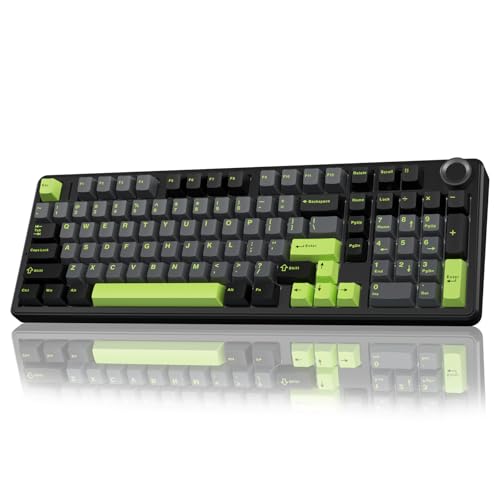
AULA F99 Pro Wireless Mechanical Keyboard with Knob,Creamy Sound,Tri-Mode BT5.0/USB-C/2.4GHz Hot Swappable Keyboard,Gasket Structure,RGB Backlit Computer Gaming Keyboards
Multi-Device Connection: AULA F99 Pro wireless mechanical keyboard provides three connection methods, including BT5.0, 2.4GHz wireless mode, and...
As an affiliate, we earn on qualifying purchases.
The Impact of Color and Brightness on Mental Clarity
Colors and brightness levels in your workspace substantially influence your mental clarity and focus. Brightness effects can energize or calm your mind, depending on the environment. Color psychology reveals that cooler tones like blue and green promote relaxation and focus, while warmer shades like red and yellow can increase alertness but may cause distraction if overused. Proper lighting enhances these effects, helping you stay attentive without feeling overwhelmed. Incorporating ethical hacking principles, such as thorough reconnaissance of your environment, can also help optimize your workspace for maximum productivity. environmental assessment Additionally, understanding your cost and budgeting options for workspace improvements can ensure that enhancements are both effective and affordable. Recognizing the importance of AI safety measures in workspace design can further secure your environment against unforeseen disruptions. Being mindful of risk management strategies can help you identify and mitigate potential issues that impact your workspace environment.

Logitech Z207 2.0 Stereo Computer Speakers with Bluetooth
Versatile setup with speakers that connect easily to computers and other devices via Bluetooth wireless or 3.5mm cable
As an affiliate, we earn on qualifying purchases.
Visual Overload and Its Effect on Stress Levels
When your workspace is cluttered and chaotic, it can make you feel more anxious and overwhelmed. Distractions from visual noise pull your focus away, increasing your stress levels. Too much stimulation can leave you feeling exhausted and less able to concentrate on your tasks. Incorporating mindfulness techniques into your routine can help mitigate these effects and promote a calmer, more focused environment. Additionally, using organized and aesthetically pleasing office accessories, such as unique planters or decorative storage, can create a more soothing visual atmosphere. Recognizing the impact of visual overload on your brain can motivate you to create a more balanced workspace that supports mental well-being. Paying attention to stress management strategies can further enhance your ability to maintain a peaceful and productive office space. Being mindful of your visual environment can help you develop habits that reduce unnecessary clutter and visual stimulation.
Clutter Increases Anxiety
Although a cluttered workspace might seem harmless at first, it can substantially increase your anxiety levels. Excess clutter creates visual noise that overwhelms your senses, making it harder to focus and increasing stress. Your brain perceives clutter as chaos, triggering the fight-or-flight response. Color psychology plays a role—bright or mismatched colors can heighten agitation, while calming hues reduce it. Additionally, poor ergonomic design can make clutter harder to organize, compounding your stress. To combat this, consider simplifying your space, choosing harmonious colors, and investing in ergonomic solutions that promote order. Implementing effective filtration and pump protection can help maintain a clutter-free workspace by ensuring tools and materials are well-organized and protected from dust and debris. A tidy environment not only reduces visual overload but also fosters a sense of control, easing anxiety and improving overall well-being. Keeping your workspace organized directly supports mental clarity and emotional resilience. Recognizing how health impacts stress responses underscores the importance of maintaining an orderly environment to support both physical and mental health. Incorporating air quality improvements, such as air purifiers or plants, can further reduce environmental stressors that affect mental well-being. Furthermore, incorporating essential oils for stress relief, such as lavender or frankincense, can promote relaxation and help mitigate feelings of overwhelm in your workspace. Creating a calming atmosphere can also support biodiversity by reducing environmental stressors that affect mental health and well-being.
Distraction Reduces Focus
Clutter and visual noise don’t just elevate anxiety—they also interfere with your ability to concentrate. When your workspace is filled with distracting elements like excessive personal items or mismatched ambient lighting, your brain struggles to filter out unnecessary stimuli. This constant distraction pulls your focus away from tasks, reducing productivity and increasing mental fatigue. Even subtle visual clutter, such as scattered papers or decorative objects, can make it harder to sustain attention. Proper ambient lighting helps minimize visual noise by creating a calm environment, but cluttered surfaces undo that benefit. As a result, your brain works harder to process the surroundings, diverting energy from important tasks and heightening stress levels. Simplifying your space can considerably improve focus and mental clarity. Additionally, understanding environmental psychology can guide you in designing spaces that promote better concentration and well-being. Recognizing how visual noise impacts your brain can empower you to create more effective and calming work environments, especially through clutter reduction strategies. Being aware of familiar surroundings can help you identify specific sources of visual noise that may be impacting your focus.
Overstimulation Elevates Stress
Visual overload in office spaces can quickly elevate your stress levels by bombarding your senses with too many competing stimuli. This neural overload overwhelms your brain’s ability to process information efficiently, leading to heightened feelings of anxiety and fatigue. Sensory overload from cluttered screens, bright lights, and chaotic visuals triggers a stress response, making it harder to stay focused and calm. When your brain receives constant visual noise, it strains to filter out distractions, increasing cortisol levels and mental exhaustion.
- Disorganized visuals demand extra mental effort, heightening stress
- Persistent sensory overload reduces your capacity to relax
- Overstimulation hampers your ability to recover from work demands
Strategies for Creating a Calm and Focused Workspace
Creating a calm and focused workspace begins with thoughtful design choices that minimize distractions. Emphasize ergonomic design to support comfort and reduce physical strain, boosting productivity. Incorporate elements that leverage neuroplasticity benefits by encouraging positive habits and mental clarity. Use natural lighting and neutral colors to foster tranquility. Consider the following strategies:
| Strategy | Implementation | Benefits |
|---|---|---|
| Reduce visual clutter | Keep surfaces tidy and organized | Less distraction, clearer focus |
| Incorporate natural elements | Add plants or natural textures | Enhances calm and reduces stress |
| Adjustable ergonomic furniture | Use supportive chairs and desks | Improves posture, mental alertness |
Applying these approaches helps create a workspace that promotes mental well-being and sustained concentration.
The Role of Organization in Reducing Visual Distractions

Organizing your workspace effectively can considerably cut down on distractions and enhance your focus. When you tidy your desk, cluttered surfaces with decorative accessories and personal photographs can become sources of visual noise. By limiting these items to a few meaningful pieces, you create a calmer environment that promotes concentration. Consider regularly reviewing and decluttering your space to maintain clarity. Here are some ways organization helps reduce visual distractions:
A tidy workspace with minimal personal items boosts focus and mental clarity.
- Limiting decorative accessories minimizes unnecessary visual clutter.
- Curating personal photographs keeps your space personalized without overwhelming it.
- Establishing designated areas for essential items enhances efficiency and focus.
A well-organized workspace helps your brain stay engaged with tasks instead of wandering to distracting visuals, improving productivity and mental clarity.
Practical Tips to Minimize Visual Noise and Enhance Well-Being
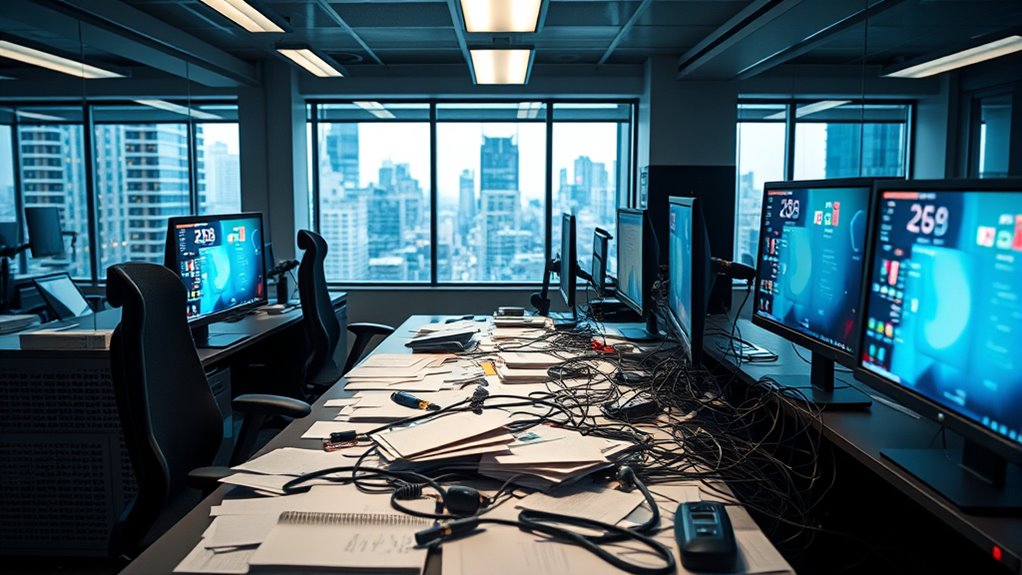
To effectively minimize visual noise and boost your well-being, start by simplifying your workspace. Use color psychology principles to select calming, muted tones like soft blues or greens that reduce overstimulation. Avoid cluttered surfaces and opt for storage solutions to keep your area tidy. Incorporate ergonomic design by choosing furniture that supports good posture and reduces physical strain, preventing distraction caused by discomfort. Limit visual distractions by keeping only essential items within view. Use adjustable lighting to create a balanced environment, minimizing glare and harsh shadows. By combining thoughtful color choices with ergonomic setup, you create a visually calm space that promotes focus and mental clarity, helping you stay productive while supporting your overall well-being.
Frequently Asked Questions
How Does Visual Noise Influence Creativity in the Workplace?
Visual noise, like clutter and distractions, can hinder your creativity by increasing cognitive load. When your workspace is filled with visual clutter, your brain struggles to focus on innovative tasks, making it harder to generate new ideas. Reducing visual noise helps clear mental space, allowing you to think more creatively and efficiently. So, keeping your office organized boosts your ability to innovate and solve problems effectively.
Can Personalized Workspace Decor Increase or Decrease Visual Noise?
Personalized workspace decor can both increase and decrease visual noise, depending on how you choose it. If you add cluttered or overly vibrant items, it may create visual clutter and boost noise, making focus harder. However, intentional, minimalistic personalized decor can reduce visual noise by creating a calming environment. You have control—select decor that reflects your personality without overwhelming your space, helping your brain stay focused and relaxed.
What Role Does Lighting Play in Managing Visual Distractions?
Lighting plays a vital role in managing visual distractions; it’s your first line of defense. You should aim for ambient lighting that evenly illuminates your workspace and glare reduction to prevent eye strain. When lighting is just right, you can focus without feeling overwhelmed or distracted. Don’t let poor lighting be the straw that breaks the camel’s back—adjust your environment to keep distractions at bay and boost productivity.
Are There Specific Colors That Help Reduce Visual Clutter?
Certain colors can help reduce visual clutter by creating a calming environment. Using calming palettes like soft blues, gentle greens, or neutral grays leverages color psychology to promote focus and reduce distractions. These hues keep your workspace serene, making it easier to concentrate and lessening the impact of visual noise. Incorporate these colors into walls, furniture, or accessories to create a more organized and tranquil office space.
How Can Technology Help in Controlling Visual Noise?
Technology helps control visual noise by managing screen clutter and reducing digital distractions. You can use apps to organize your files, close unnecessary tabs, and filter notifications, keeping your workspace clear and focused. Desktop tools like window managers also help you prioritize tasks visually. By minimizing digital distractions, you create a calmer environment, which boosts concentration and productivity, ultimately making your office space more efficient and less visually overwhelming.
Conclusion
By clearing the visual clutter, you’re planting seeds of calm in your mind’s garden. Less noise lets your focus blossom like a bright, steady flame, illuminating your path. When your workspace is organized, it’s like opening a window to invigorating air, clearing mental fog and rejuvenating your spirit. Embrace these changes, and watch as your clarity and well-being grow stronger, transforming your environment into a sanctuary where your mind can truly thrive.