To manage your minimalist bookshelf without clutter, start by curating a smaller, meaningful collection and regularly evaluate which books truly add value. Use a digital catalog to track your collection, making it easier to organize by genre or author. Opt for sleek storage solutions like floating shelves or baskets to keep things tidy. Keep only what sparks joy and arrange intentionally. Continuing will help you create a balanced, aesthetically pleasing space that reflects your style and habits.
Key Takeaways
- Digitally catalog your books to track and organize your collection efficiently, reducing physical clutter.
- Limit your collection size by evaluating and donating books that no longer add value or enjoyment.
- Organize shelves by genre, author, or usage frequency to create a clean, intentional display.
- Incorporate storage solutions like baskets or floating shelves to maximize space and maintain a tidy look.
- Regularly update your digital catalog and declutter to prevent overcrowding and sustain a minimalist aesthetic.

Keeping your book collection organized can feel overwhelming, especially when shelves start to overflow. It’s easy to accumulate more books than you know what to do with, creating clutter that makes it hard to find what you want and diminishes the beauty of your space. To manage this effectively, embracing digital cataloging can be a game changer. Instead of relying solely on physical organization, you can create a digital inventory of all your books. There are many apps and tools designed specifically for book collectors, allowing you to scan barcodes or manually input details like titles, authors, and genres. This way, you gain a clear overview of your collection without having to sift through stacks or shelves. Digital cataloging makes it simple to track what you own, identify duplicates, and decide which books you might want to let go of or donate. Incorporating digital technology into your organization system can significantly improve your ability to manage your collection efficiently.
Digital cataloging simplifies organizing, tracking, and decluttering your book collection effortlessly.
Once you’ve cataloged your books, shelf organization becomes much more manageable. With a digital list in hand, you can plan your shelves more intentionally. Instead of randomly stacking books, arrange them by categories such as genre, author, or how frequently you read them. This method not only streamlines browsing but also frees up space for new additions. You might opt for vertical stacking to maximize shelf capacity or incorporate storage bins for books you don’t frequently access. Keeping a tidy, intentional arrangement means your collection looks neat and feels accessible, reducing the chaos that often accompanies overflowing shelves.
Another practical tip is to set clear limits for your collection. Decide how many books you realistically want to keep and stick to it. When you acquire new titles, evaluate whether they truly add value or enjoyment to your collection. If they don’t, consider donating or selling them. This approach keeps your shelves from becoming crowded and ensures you only hold on to books that genuinely matter. Regularly updating your digital catalog as you add or remove books helps you stay organized and aware of your collection’s current state.
Finally, consider integrating decorative storage solutions that double as shelf organization tools. Floating shelves, bookends, or stylish baskets can help compartmentalize books and reduce visual clutter. By combining digital cataloging with deliberate shelf organization, you’ll transform your collection into a curated display rather than a chaotic jumble. Managing your books this way isn’t just about tidiness; it’s about creating a space that reflects your reading habits and makes it easier to enjoy your collection without feeling overwhelmed.

Logitech G413 SE Full-Size Mechanical Gaming Keyboard - Backlit Keyboard with Tactile Mechanical Switches, Anti-Ghosting, Compatible with Windows, macOS - Black Aluminum
Take your gaming skills to the next level: The Logitech G413 SE is a full-size keyboard with gaming-first...
As an affiliate, we earn on qualifying purchases.
Frequently Asked Questions
How Can I Start Decluttering My Existing Book Collection?
Start decluttering by doing some book sorting; decide which books truly add value or joy to your life. Be honest about duplicates or unread titles, and set aside those you no longer need. Focus on shelf optimization by organizing remaining books neatly, perhaps by genre or size. This helps create space and makes your collection more manageable, turning your bookshelf into a functional, clutter-free area you’ll enjoy.
What Are the Best Ways to Organize Books in a Small Space?
To organize books in a small space, you should use color-coded shelving to create visual interest and easy access. Vertical stacking saves space and keeps your collection neat. Mix both methods—color coding for categories or moods, and vertical stacking for overflow or less-used titles. This approach maximizes your limited space, making your bookshelf functional and visually appealing without clutter.
How Often Should I Reassess My Book Collection?
You should reevaluate your book collection every six months to a year for effective book collection maintenance. This frequency helps you decide which books still serve your interests and which ones you can let go of, keeping your space clutter-free. Regular reassessment ensures your collection remains manageable, meaningful, and aligned with your current preferences, so you only keep books that truly matter to you.
Can Digital Books Help Reduce Physical Clutter Effectively?
Ever imagined freeing up space while still enjoying your favorite reads? Digital books can definitely help reduce physical clutter effectively. By building a digital library, you save room and access a vast collection anytime. E-book benefits include portability, instant access, and easy organization. With just a device, you can carry hundreds of titles without cluttering your shelves. Isn’t it time you embraced the minimalist way to enjoy books?
How Do I Decide Which Books to Keep or Donate?
To decide which books to keep or donate, consider their sentimental value and your reading frequency. Keep books that evoke strong memories or hold personal significance. If you rarely re-read a book, it’s a good candidate for donation. Be honest with yourself about what truly adds value to your life. Let go of books that no longer serve a purpose, and create space for the ones you cherish most.

RK ROYAL KLUDGE S98 Mechanical Keyboard w/Smart Display & Knob, Top Mount 96% Wireless Mechanical Keyboard BT/2.4G/USB-C, Hot Swappable, Software Support, Creamy Sounding, 98 Keys
Big Features on a Small Screen - Is there anything it can't display? Custom gif image, date. connection...
As an affiliate, we earn on qualifying purchases.
Conclusion
Now that you know how to keep your bookshelf minimal, imagine what’s next. Could there be hidden gems waiting to be discovered among your pared-down collection? Or perhaps a new system that makes choosing your next read even easier? The key is staying intentional. Your minimalist approach isn’t just about decluttering — it’s about uncovering a new world of possibilities. Are you ready to see what’s truly worth holding onto? The next chapter begins now.
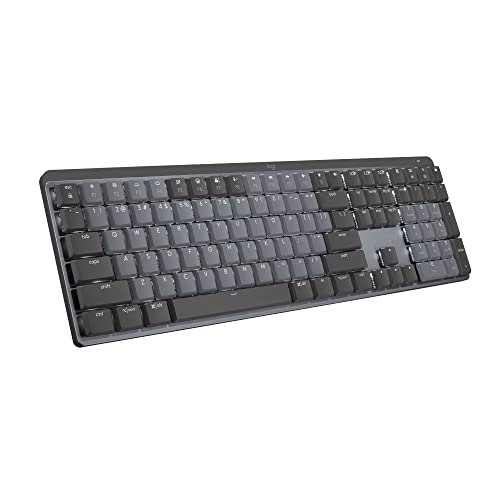
Logitech MX Mechanical Wireless Illuminated Performance Keyboard, Tactile Quiet Switches, Backlit Keys, Bluetooth, USB-C, macOS, Windows, Linux, iOS, Android, Metal, Graphite
Tactile Quiet mechanical key switches with a satisfying tactile bump you feel - for precise feedback, reactive key...
As an affiliate, we earn on qualifying purchases.

SOLAKAKA KI99 Pro Wireless Mechanical Keyboard Quiet Switch,Hot Swappable Pre-Lubed Switches Silent Keyboard with RGB Backlit,Gasket Structure Computer Gaming Keyboards(BlackBlue, Silent Switch)
Triple-mode & Long-lasting: KI99 Pro mechanical keyboard supports BT5.0/2.4G/Type-C connections (10m range) and works with Windows/macOS/PC/laptop/smartphone. 10,000mAh battery...
As an affiliate, we earn on qualifying purchases.