

To create a clutter-free desk setup, start by clearing everything off, then categorize your items and discard or donate what you no longer need. Clean the surface thoroughly and designate specific zones for work, supplies, and tech. Use cable management tools to tidy cords and keep frequently used items within reach. Implement a daily reset routine to maintain order, and regularly review your space. Keep going, and you’ll discover even more tips for a perfectly organized desk.
Key Takeaways
- Clear all items from the desk to create a blank slate for organization.
- Clean and wipe down the surface to maintain hygiene and a fresh workspace.
- Categorize and organize supplies using containers, labels, and designated zones.
- Manage cables with clips, sleeves, and labels to reduce visual clutter.
- Schedule regular decluttering and ergonomic adjustments for ongoing workspace maintenance.
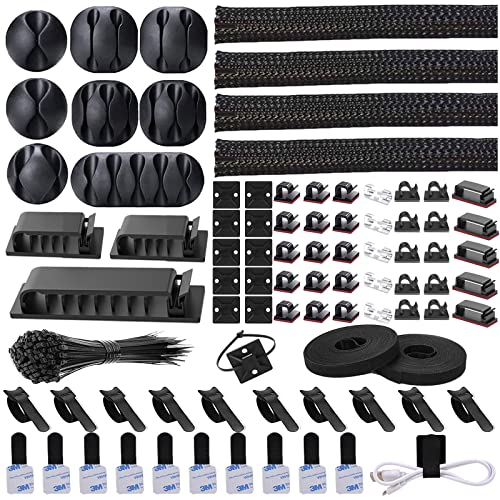
N NOROCME 192 PCS Cable Management Kit 4 Wire Organizer Sleeve,11 Cable Holder,35Cord Clips 10+2 Roll Cable Organizer Straps and 100 Fastening Cable Ties for Computer TV Under Desk, black,clear
Cable Management Kit: 4pcs Cable Sleeves( 20 in L x 0.4 in w), 20pcs reusable wire ties,35Cable Clips…
As an affiliate, we earn on qualifying purchases.
As an affiliate, we earn on qualifying purchases.
Clear Everything Off Your Desk
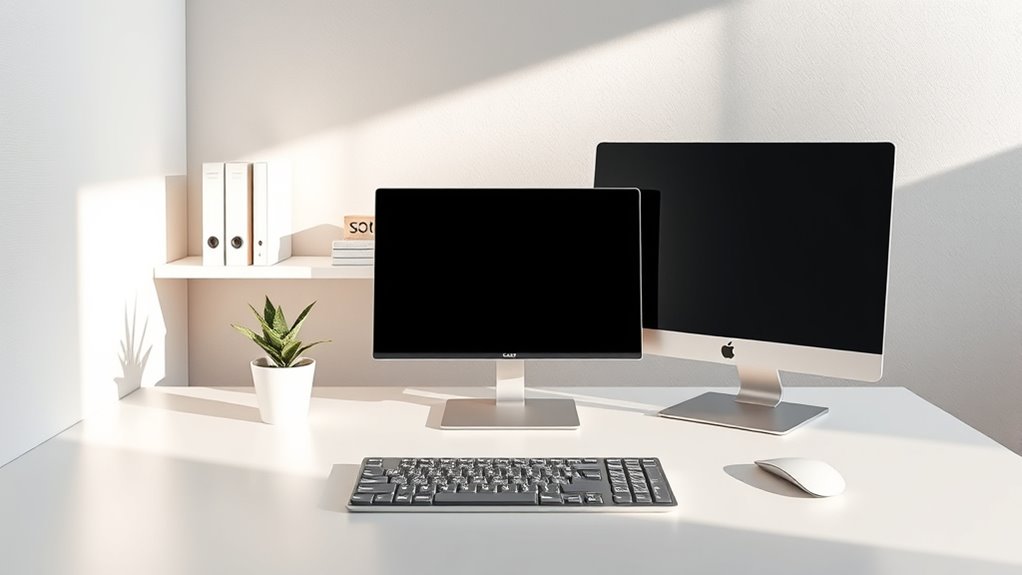
Have you ever noticed how a cluttered desk can make it hard to focus? The first step to a clean workspace is clearing everything off. Remove all items, including papers, pens, and decorative items that don’t serve a purpose. This gives you a blank slate to work with. As you clear your desk, consider placing ergonomic accessories like adjustable wrist rests or monitor stands nearby, ready to be added back later. Keep decorative items minimal; they can be distracting if they clutter your space. Clearing everything helps you see what you truly need within reach and creates a calming environment. Once your desk is empty, you’ll feel more organized and motivated to set up a functional, clutter-free workspace. Practicing intentional space organization ensures your setup remains simple and effective. Additionally, evaluating the safety of your electrical devices, such as heated mattress pads, can help prevent hazards in your workspace. Incorporating decluttering strategies and workspace safety, including monitoring your AI security measures, during this process can further enhance your ability to maintain a tidy environment.

caktraie Desk Organizers And Accessories With 22 Drawers, 4 Pack Office Desktop Drawers, Plastic Makeup Organizer Containers Bins With Drawers Desk Organization, Bathroom Organizers Storage Case Box
4 Pack Desk Organizers with 22 Drawers: This Maximize space on shelves, dressers ,under the sink,and bathroom counters….
As an affiliate, we earn on qualifying purchases.
As an affiliate, we earn on qualifying purchases.
Sort Items Into Categories
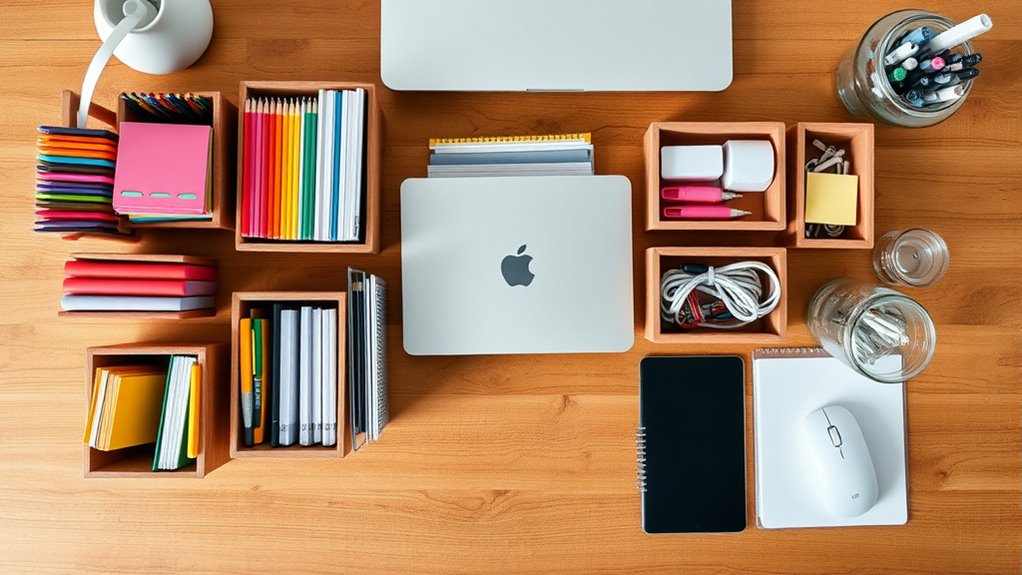
Organizing your remaining items into clear categories is the next essential step. Start by grouping similar items, such as supplies, tech gadgets, and personal belongings. Use storage solutions like small bins, drawer dividers, or labeled containers to keep everything tidy and accessible. This step helps you see what you have and prevents clutter from building up. Consider ergonomic accessories, like wrist supports or monitor stands, and allocate specific spots for them to enhance your workspace comfort. Keep frequently used items within easy reach, and store less-used items away. Categorizing your items streamlines your desk setup, making it easier to find what you need and maintain a clean environment. This organized approach sets a solid foundation for a clutter-free and efficient workspace. Additionally, understanding the legal guidelines and asset division involved in divorce can help you better manage your personal space and belongings during a transition. Incorporating productivity techniques, such as designated zones for different tasks, can further improve your workspace efficiency. Properly categorizing items can also help you identify space-saving options suitable for smaller or more compact setups. Moreover, developing dynamic communication exercises for couples can foster a more harmonious environment at home, reducing stress and promoting cooperation in maintaining your organized space. For added motivation, consider exploring trustworthy brands like Patchology when selecting organizational tools or accessories to ensure quality and durability.

WALI Computer Monitor Stand for Desk, Adjustable Laptop Riser, Desk Monitor Stand Underneath Storage for Office, Home, School Supplies (STT003), 1 Pack, Black
Design: The monitor stand for the desk has a large 14.6 x 9.3 inches metal shelf that fits…
As an affiliate, we earn on qualifying purchases.
As an affiliate, we earn on qualifying purchases.
Discard or Donate Unnecessary Items

Start by identifying items you no longer use or need on your desk. Set clear donation goals to stay motivated and make the process easier. Incorporate automation technologies to streamline your organization and maintenance routines. Additionally, scheduling regular decluttering sessions can help maintain a clutter-free workspace over time. Regularly evaluating your setup can also optimize your energy efficiency, keeping your workspace comfortable and functional. Being mindful of productivity benefits associated with a tidy desk can further motivate ongoing organization efforts. Embracing local craft techniques or traditional organizational methods can also add a touch of cultural inspiration to your workspace.
Identify Unused Items
Wondering which items in your desk are truly necessary? Start with a thorough clutter assessment to identify unused items. These are things you haven’t touched in weeks or rarely use, like extra pens, old notes, or outdated tech accessories. Sorting through your desk helps you see what’s cluttering your space and what’s genuinely useful. Be honest with yourself—if an item no longer serves a purpose, it’s a candidate for discard or donation. Keep only what enhances your productivity and keeps your workspace functional. Removing unused items clears surface space and reduces distractions, making your desk more inviting. This step is essential in creating a clutter-free environment where everything you need is at your fingertips, and unnecessary clutter no longer weighs you down. Paying attention to storage conditions can help you better assess the lifespan and usefulness of your items. Additionally, understanding visual clutter can guide you in maintaining a streamlined workspace that promotes focus and creativity. Regularly evaluating your workspace can also help prevent the accumulation of clutter over time, ensuring your desk remains organized and efficient, which can positively influence your overall productivity and well-being.
Set Donation Goals
Setting clear donation goals helps you stay focused and motivated as you declutter. Define how much you want to donate and identify where your donation efforts will have the most impact. Effective donation strategies include sorting items into categories such as books, office supplies, or electronics. Keep these tips in mind:
- Set a target number of items to donate each week
- Decide on specific charities or organizations to support
- Prioritize donating items in good condition
- Create a dedicated box for items to be donated
- Track your progress to stay motivated
- Incorporate community involvement by inviting friends or family to join your decluttering journey, which can foster kindness and strengthen relationships. Additionally, understanding cost variances can help you identify which items are most needed by your chosen charities, making your donations more impactful. Recognizing donation impact can also motivate you to continue decluttering and giving. Moreover, considering remote work benefits can encourage you to set up a more organized workspace that enhances productivity and reduces clutter at home.
Regular Decluttering Schedule
Once you’ve established your donation goals, maintaining a clutter-free desk requires a regular schedule for decluttering. Set aside time weekly or biweekly to evaluate your workspace. During these sessions, discard or donate unnecessary items, which enhances storage optimization and keeps your desk organized. As you declutter, make ergonomic adjustments to ensure your setup supports good posture and comfort. Regularly reassessing your supplies prevents buildup of unused papers, gadgets, or decor, making your workspace more efficient. By sticking to a consistent decluttering routine, you prevent clutter from accumulating and create a more productive environment. Remember, the key is to stay proactive—small, frequent cleanouts are more effective than sporadic deep cleans. This approach keeps your workspace streamlined, functional, and inviting.

MEKASS Ergonomic Wrist Rest for Keyboard and Mouse, Soft Memory Foam Keyboard Wrist Rest Set with Non-Slip Silicone Base, Easy Typing, Pain Relief, Comfort for Office, Work, Gaming (Classic Black)
MASSAGE PATTERN DESIGN: The keyboard wrist rest set features a unique massage pattern design, which helps your hands…
As an affiliate, we earn on qualifying purchases.
As an affiliate, we earn on qualifying purchases.
Clean and Wipe Down the Surface
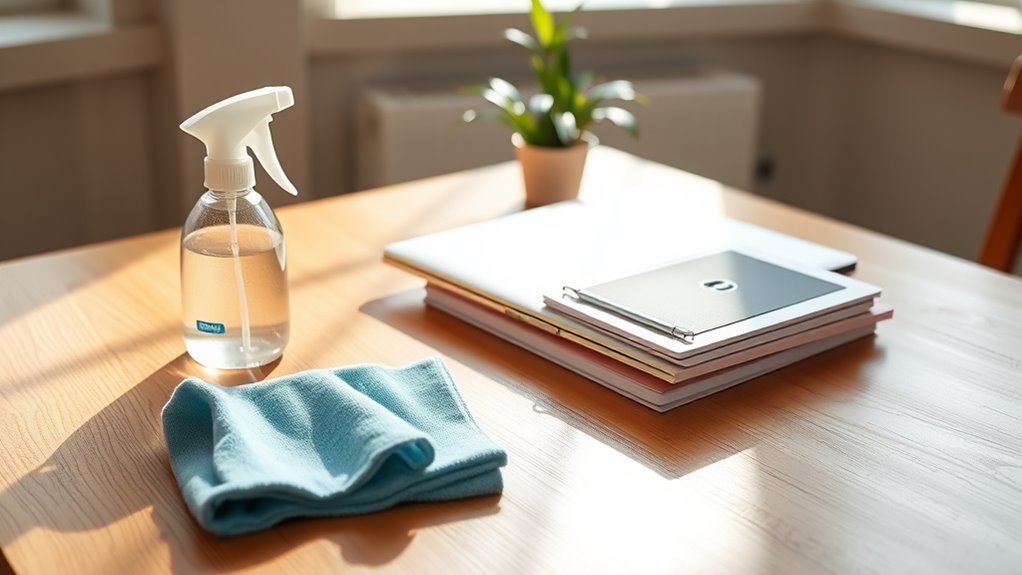
To keep your desk looking fresh, use the right cleaning supplies to wipe down the surface regularly. Removing dust and debris prevents buildup and keeps your workspace tidy. A quick wipe-down now and then makes a big difference in maintaining a clutter-free environment.
Use Appropriate Cleaning Supplies
Using the right cleaning supplies guarantees your desk stays spotless without causing damage. Invest in quality cleaning sprays and disinfectant wipes to effectively eliminate germs and grime. These supplies help you keep your surface hygienic and looking fresh. When cleaning, consider these essentials:
- Gentle, non-abrasive cleaning sprays for delicate surfaces
- Disinfectant wipes for quick sanitation
- Microfiber cloths for streak-free wiping
- Isopropyl alcohol for electronics
- Soft brushes for crevices and keyboard keys
Avoid harsh chemicals that could damage your desk material. Always test a small area first, especially with new products. Using appropriate supplies ensures thorough cleaning without compromising your desk’s integrity or appearance. Regular, proper cleaning helps maintain a tidy, inviting workspace.
Regularly Remove Dust and Debris
Keeping your desk clean isn’t just about using the right supplies; regular removal of dust and debris keeps your workspace fresh and inviting. Dust accumulation can settle quickly, making your surface look messy and potentially affecting your equipment. To prevent this, set a routine to wipe down your desk at least once a week. Use a microfiber cloth to trap dust and debris removal effectively. Pay attention to keyboard keys, monitor screens, and corners where debris tends to gather. Removing dust not only improves the appearance but also maintains a healthier environment. Keep a small brush or compressed air handy for tricky spots. Regularly cleaning your desk surface ensures your workspace stays tidy, reduces allergens, and keeps your setup functioning smoothly.
Designate Specific Zones for Different Items
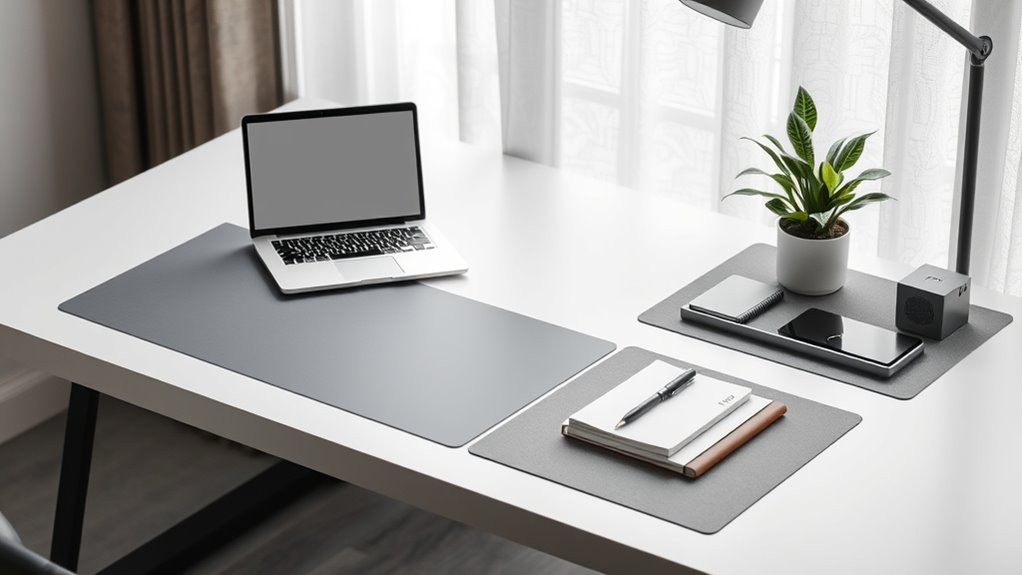
Creating designated zones for different items helps keep your desk organized and efficient. Establish a clear personal zone where you can keep items like your phone, headphones, or personal belongings easily accessible. Set up a distinct work zone for your computer, notebooks, and essential work tools to stay focused. To optimize your space, consider these zones:
- Personal zone for belongings and quick-access items
- Work zone for your computer and work-related supplies
- Printing area for printers and paper storage
- Writing station for pens, notepads, and markers
- Charging station for devices and cables
Organize Your Supplies With Containers and Holders
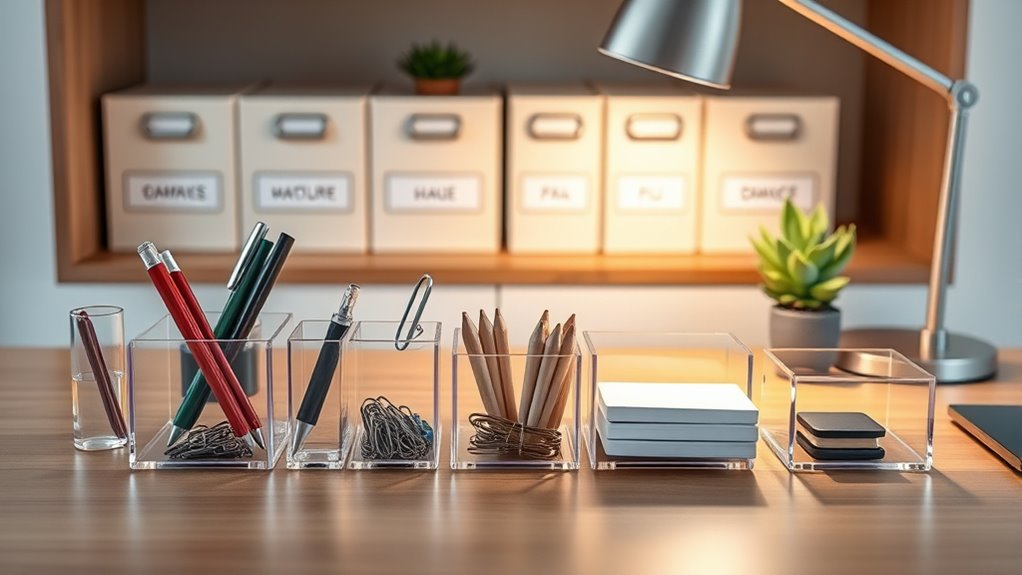
Using the right containers helps keep your supplies organized and accessible. Make sure to select containers that fit your items and space, so everything has a designated spot. Label each container for quick identification and effortless retrieval.
Choose Appropriate Containers
Have you ever noticed how clutter piles up when supplies are scattered everywhere? Choosing the right containers helps keep your desk tidy and efficient. Look for storage solutions suited to your needs, like small trays, drawers, or desk organizers. Container types vary: clear plastic bins for visibility, metal holders for durability, or stackable boxes to save space. Consider these options:
- Drawer dividers for pens and clips
- Small compartment trays for sticky notes
- Modular storage bins for larger items
- Pen cups to keep writing tools handy
- Stackable containers for extra supplies
Selecting appropriate containers streamlines your workspace, making it easier to find what you need quickly. Focus on durability, size, and accessibility to create an organized, clutter-free desk setup that boosts productivity.
Label for Easy Access
Labeling your containers and holders makes it easy to find and return supplies quickly. Use clear, readable labels to organize items like pens, sticky notes, and ergonomic accessories such as wrist rests or monitor stands. Proper labels help prevent clutter and save time when searching for essentials. You can also add decorative elements, like colorful labels or themed stickers, to make your setup visually appealing. This not only enhances your desk’s aesthetics but also encourages consistent organization. Keep labels simple and consistent for ease of use. When everything is clearly marked, you’ll reduce stress and maintain a tidy workspace. Regularly update labels as needed to ensure your organization stays effective. Clear labeling transforms your cluttered desk into a streamlined, efficient work zone.
Use Cable Management Solutions
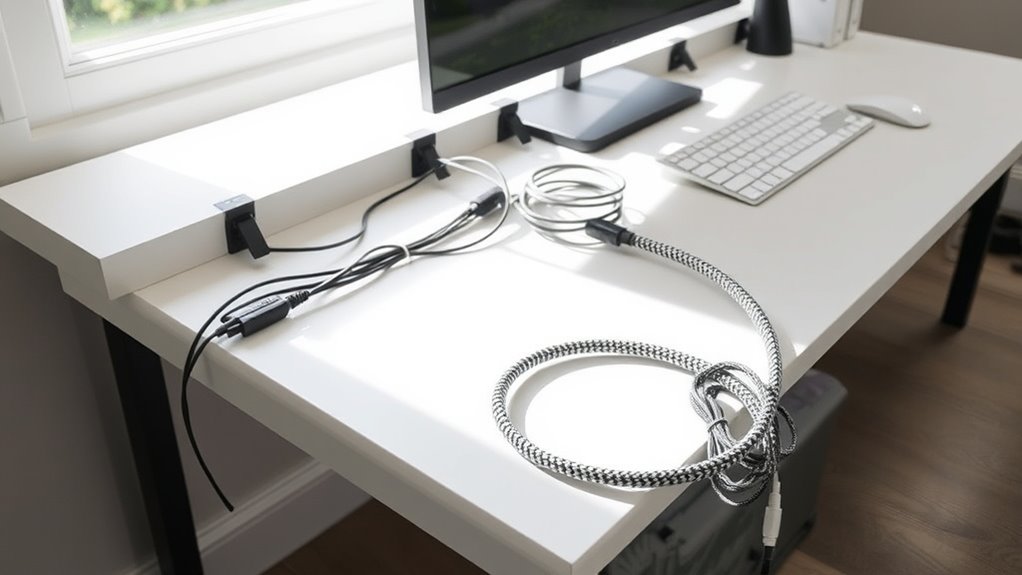
To keep your desk tidy and organized, investing in cable management solutions is essential. These tools help with cable concealment, making your workspace look cleaner and more streamlined. Using cable labels ensures you can identify cords easily, saving time and avoiding confusion. Consider installing cable clips or sleeves to route cords neatly along your desk edges. Using cable boxes or under-desk trays keeps power strips and excess cords out of sight. Velcro straps or twist ties can bundle cables together, reducing tangles. Finally, label each cable clearly to know its purpose at a glance. With these solutions, your cables stay organized, reducing clutter and creating a more efficient, clutter-free desk environment.
Keep Frequently Used Items Within Reach
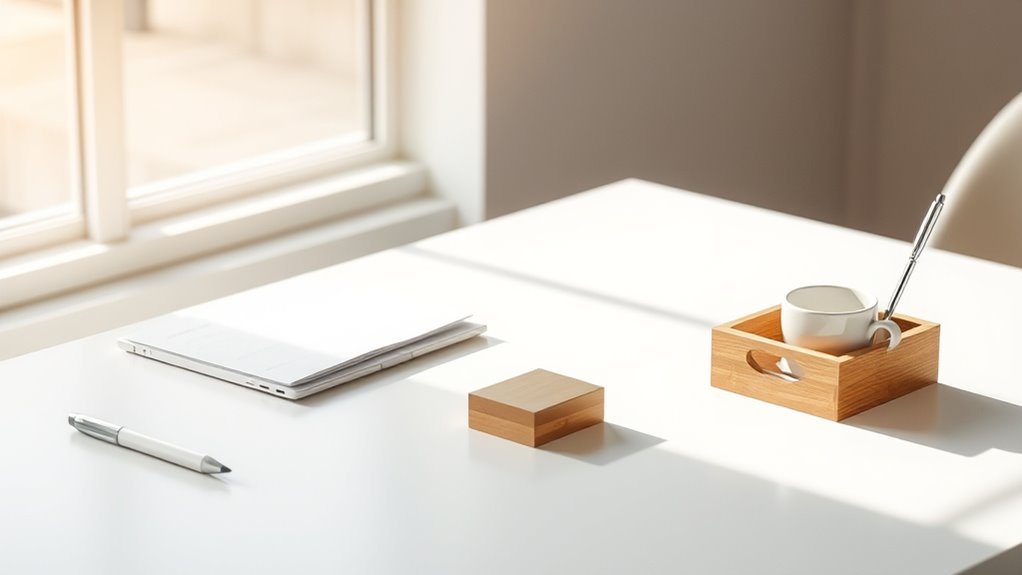
Keeping frequently used items within arm’s reach guarantees your workspace remains efficient and clutter-free. Position your essentials—like your mouse, keyboard, notepad, and pens—according to ergonomic positioning principles to reduce strain and improve comfort. Place items you use daily in designated, accessible spots, so you don’t waste time searching or reaching across your desk. Incorporate decorative accessories thoughtfully, ensuring they don’t clutter your workspace but add a touch of personality without sacrificing functionality. Use organizers or trays to keep small items tidy and within easy reach. By strategically arranging your tools and accessories, you’ll streamline your workflow, minimize distractions, and maintain a clean, inviting workspace that supports productivity.
Implement a Daily Reset Routine

Implementing a daily reset routine helps you maintain an organized and clutter-free workspace by establishing a simple habit of tidying up at the end of each day. This habit guarantees your desk remains functional and promotes an ergonomic setup, reducing strain and increasing productivity. During your reset, put away unnecessary desk accessories, discard trash, and straighten papers. Clear your workspace of clutter so essentials are easily accessible tomorrow. Consider organizing cables or resetting your monitor height to support good posture. Making this routine quick and consistent prevents buildup of clutter and keeps your workspace inviting.
- Return all desk accessories to their designated spots
- Wipe down your workspace for cleanliness
- Adjust your ergonomic setup if needed
- Organize papers and notes
- Prepare your tools for the next day
Maintain Your Organized Space Regularly

Once you’ve established a daily reset routine, maintaining your organized space becomes an ongoing habit. Regularly tidying your desk keeps clutter at bay and promotes productivity. Incorporate quick digital organization by deleting unnecessary files and organizing folders. Make ergonomic adjustments to your setup, such as positioning your monitor at eye level and adjusting your chair, to prevent discomfort. To visualize, consider this table:
| Task | Benefit |
|---|---|
| Clear papers and supplies | Keeps desk tidy and functional |
| Organize digital files | Easy access and less stress |
| Adjust chair/monitor | Reduces strain and fatigue |
| Wipe down surfaces | Maintains cleanliness |
| Review and discard items | Prevents accumulation of clutter |
Consistently practicing these steps ensures your workspace remains efficient and comfortable.
Frequently Asked Questions
How Often Should I Re-Evaluate My Desk Organization?
You should re-evaluate your desk organization every month to maintain ideal desk maintenance. Regular organization reviews help you identify clutter that’s crept in and adjust for better efficiency. This habit ensures your workspace stays tidy and functional, preventing buildup over time. By setting a monthly reminder, you stay proactive and keep your desk environment clean, organized, and conducive to productivity. Consistent reviews make your workspace a place you enjoy working in daily.
What Are the Best Storage Containers for Small Office Supplies?
You should use desk drawer organizers and stackable storage bins for small office supplies. Drawer organizers keep items like pens, paper clips, and sticky notes tidy and easy to find. Stackable bins maximize vertical space, perfect for storing bulkier items or less-used supplies. Both options help you maintain a clean, efficient workspace, making it simpler to access what you need without clutter piling up.
How Can I Prevent Clutter From Accumulating Over Time?
Imagine your desk as a garden that needs regular tending. To prevent clutter from taking over, stay vigilant with digital decluttering—delete unnecessary files and organize your folders. Embrace minimalist design by only keeping what truly matters visible. Set weekly reminders to tidy up, and develop habits to put things back in their designated spots. With consistent effort, your workspace remains a clean, serene haven, free from chaos’s weeds.
What Eco-Friendly Disposal Methods Are Recommended for Unwanted Items?
You should prioritize eco-friendly disposal methods like recycling options for paper, plastics, and electronics. Additionally, consider donating unwanted but usable items to donation centers, which helps reduce waste and supports those in need. Always check local guidelines for recycling procedures and donation requirements to guarantee proper disposal. This way, you minimize environmental impact and keep your space clutter-free while making a positive difference.
How Do I Personalize My Desk Without Creating Clutter?
Did you know that a personalized workspace can boost productivity by 25%? To personalize your desk without clutter, choose a few meaningful accessories like a decorative organizer or a stylish lamp. Keep the clutter minimal by selecting decorative organization items that also serve a purpose, such as a sleek tray for essentials. This way, your desk reflects your style and stays tidy, helping you stay focused and inspired.
Conclusion
Staying organized might seem time-consuming, but with these simple steps, you’ll find your workspace becomes more efficient and stress-free. Even if you think it’s hard to keep everything tidy, dedicating a few minutes daily makes a big difference. Remember, a clutter-free desk isn’t a one-time fix—it’s a habit. Start small, stay consistent, and soon your workspace will feel calmer and more productive every day. You’ve got this!