
Choosing between open plan, zoned, or cubicle layouts depends on your needs for space, privacy, and collaboration. Open plans promote a spacious, communal atmosphere that boosts teamwork and flexibility but can be noisy and distracting. Zoned layouts provide dedicated areas for different tasks, balancing focus with some privacy. Cubicles offer secluded workspaces ideal for concentration but may feel less open. Exploring these options further can help you design a workspace that truly suits your work style and preferences.
Key Takeaways
- Open-plan layouts promote collaboration and spaciousness but may require strategic zoning for privacy and focus.
- Zoned layouts balance open spaces with designated areas for specific tasks, enhancing organization and personalization.
- Cubicles offer private, contained work environments within minimalist designs, prioritizing focus and ergonomic comfort.
- All three layouts benefit from natural light, layered artificial lighting, and ergonomic furniture to improve productivity and well-being.
- Choosing between them depends on organizational needs for collaboration, privacy, and flexibility within a minimalist aesthetic.

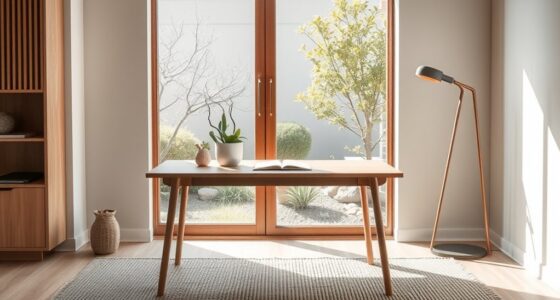
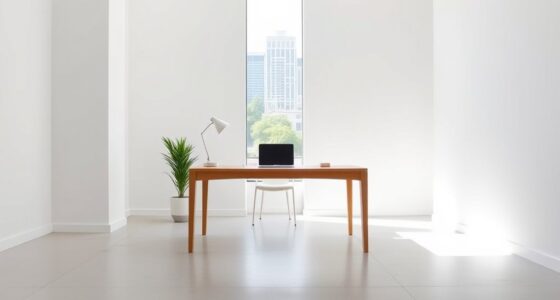
A minimalist office layout can transform your workspace into a calm, focused environment that boosts productivity and reduces stress. When designing a minimalist office, paying attention to ergonomic furniture is essential. Choosing chairs and desks that support proper posture helps prevent discomfort and fatigue, allowing you to stay focused longer. Opt for streamlined, functional pieces that blend into the overall aesthetic without cluttering your space. Additionally, lighting design plays a pivotal role; natural light should be maximized wherever possible, complemented by simple, unobtrusive fixtures. Good lighting reduces eye strain and creates a welcoming atmosphere that encourages concentration.
A minimalist office enhances focus and comfort with ergonomic furniture and natural, unobtrusive lighting.
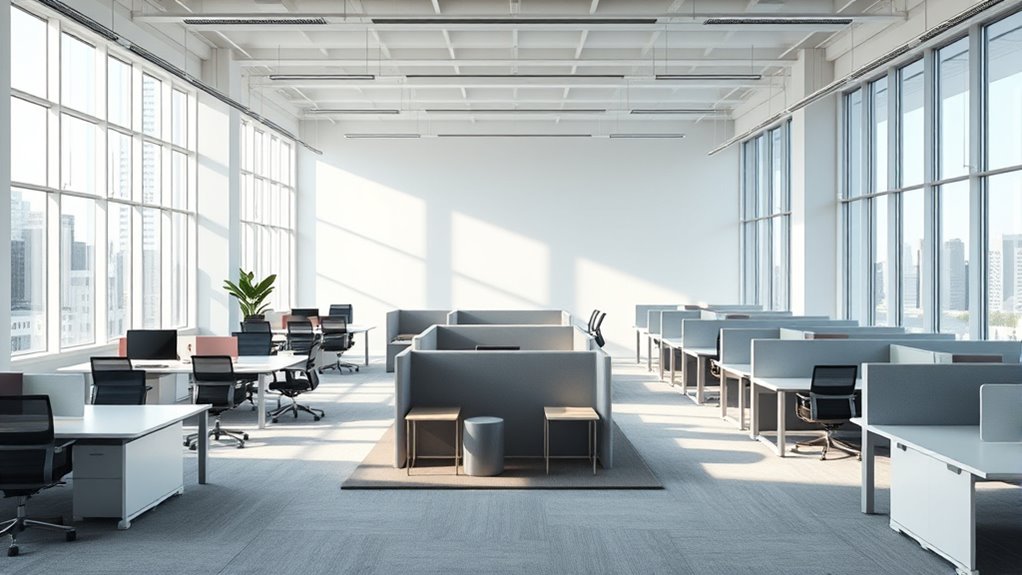
In an open-plan layout, you create a sense of spaciousness that promotes collaboration and flexibility. You’ll find that fewer walls and partitions mean you can easily adapt your space for different tasks or team needs. To keep this environment productive, incorporate ergonomic furniture that supports healthy movement and comfort, even during long work sessions. Proper lighting design in open spaces is essential—use a combination of natural light and layered artificial lighting to eliminate glare and shadows, which can distract or cause eye strain. Minimal clutter is key here; furniture should be sleek and functional, with storage solutions kept out of sight to maintain a clean look. This approach helps you focus on your work without visual noise.
Zones offer a balanced solution, dividing your workspace into designated areas for specific activities, such as focused work, meetings, or relaxation. This layout allows you to personalize each zone with ergonomic furniture tailored to its purpose, ensuring comfort and efficiency. For example, your focused work area might feature an ergonomic desk and chair, with lighting designed to reduce glare and eye fatigue. Meeting zones can have slightly different lighting and furniture configurations to foster collaboration without disrupting your concentration elsewhere. This segmentation helps you stay organized and minimizes distractions, making it easier to switch between tasks smoothly. Incorporating energy-efficient elements in your lighting and furniture choices can further enhance sustainability and reduce operational costs.
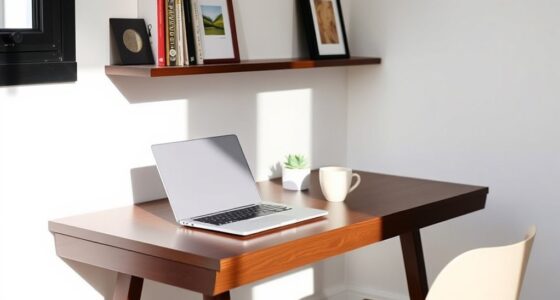
Finally, cubicles provide a more private, contained environment within a minimalist framework. When selecting furniture for cubicles, prioritize ergonomic designs that support long hours of work. Lighting should be designed to complement each cubicle’s layout, ensuring ample illumination without harshness. While cubicles can feel more enclosed, keeping the design simple and clutter-free enhances the minimalist aesthetic. Properly arranged ergonomic furniture and thoughtful lighting design within each cubicle help you maintain focus and comfort, even in a more secluded setting. Overall, whether you prefer open plans, zones, or cubicles, the key lies in creating a space that combines functionality with minimalism, emphasizing ergonomic comfort and effective lighting to foster productivity and well-being.

Logitech G413 SE Full-Size Mechanical Gaming Keyboard - Backlit Keyboard with Tactile Mechanical Switches, Anti-Ghosting, Compatible with Windows, macOS - Black Aluminum
Take your gaming skills to the next level: The Logitech G413 SE is a full-size keyboard with gaming-first...
As an affiliate, we earn on qualifying purchases.
Frequently Asked Questions
How Do Minimalist Layouts Affect Employee Productivity?
Minimalist layouts can boost your productivity by reducing clutter and creating a calm environment. Open plans encourage collaboration opportunities, but they may increase noise levels, which can be distracting. Zones offer a balance, providing spaces for focus and teamwork. Cubicles give you privacy while maintaining a minimalist look. Overall, choosing the right layout helps you stay focused, minimizes distractions, and enhances your ability to work efficiently.
What Are the Cost Differences Among Open Plan, Zones, and Cubicles?
You’ll find open plan offices are the most budget-friendly, slashing costs on office furniture and drastically reducing maintenance. Zones cost a bit more, with specialized furniture and partitions. Cubicles, however, are the priciest, overflowing with individual office furniture and higher upkeep. The difference is like comparing a sleek sports car (open plan) to a luxury SUV (cubicles). Your choice impacts your expenses—so pick wisely for your budget!
How Do Minimalist Office Designs Impact Employee Privacy?
You might find that minimalist office designs reduce employee privacy, but soundproofing strategies and privacy-enhancing furniture can help. Incorporate acoustic panels or partitions to minimize noise distractions, and choose furniture that offers personal space without clutter. These elements improve privacy while maintaining a clean, open aesthetic, ensuring you stay focused and comfortable even in open or zoned layouts.
Are Minimalist Layouts Suitable for All Types of Businesses?
Think of minimalist layouts as a versatile canvas—you can paint a cozy scene or a sleek skyline. They work well for small startups craving openness or tech firms emphasizing collaboration. But large corporations or creative agencies may find open plans clutter their atmosphere. You need to contemplate your business type and company size; a minimalist design can adapt, but it’s not a one-size-fits-all solution.
How Can Clutter Be Minimized in Minimalist Office Spaces?
To minimize clutter in minimalist office spaces, you should prioritize smart storage solutions like sleek cabinets and hidden compartments. Keep surfaces clear by storing everyday items out of sight, and embrace decorative simplicity by choosing only essential decor. Regularly declutter to maintain a clean, organized environment that promotes focus and efficiency, making your workspace feel spacious and calming.

Arteck 2.4G Wireless Keyboard Stainless Steel Ultra Slim Full Size Keyboard with Numeric Keypad for Computer/Desktop/PC/Laptop/Surface/Smart TV and Windows 10/8/ 7 Built in Rechargeable Battery
Easy Setup: Simply insert the nano USB receiver into your computer and use the keyboard instantly.
As an affiliate, we earn on qualifying purchases.
Conclusion
Choosing the right minimalist office layout depends on your team’s needs and your company’s culture. Whether you opt for open plans, zones, or cubicles, remember that the best setup is one that fosters productivity without sacrificing comfort. Don’t put all your eggs in one basket—try different arrangements to see what works best. With a little experimentation, you’ll find the perfect balance, proving that sometimes, the best things come in small, simple packages.
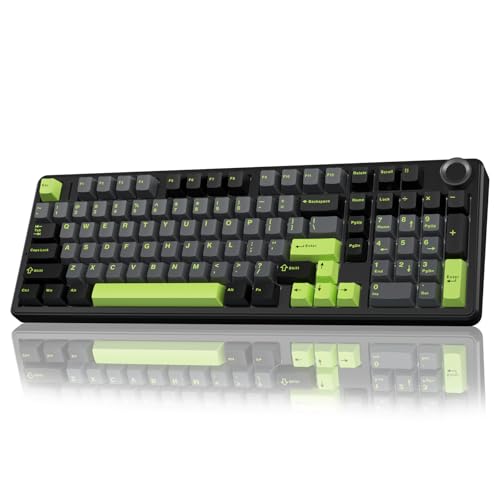
AULA F99 Pro Wireless Mechanical Keyboard with Knob,Creamy Sound,Tri-Mode BT5.0/USB-C/2.4GHz Hot Swappable Keyboard,Gasket Structure,RGB Backlit Computer Gaming Keyboards
Multi-Device Connection: AULA F99 Pro wireless mechanical keyboard provides three connection methods, including BT5.0, 2.4GHz wireless mode, and...
As an affiliate, we earn on qualifying purchases.

ONEMIX 42" LED Desk Lamp with Clamp, Architect Desk Light with Remote, Adjustable 4-Segment Bar, 1800LM Bright, Eye-Caring Desk Lamp for Home Office, Reading, Study, Dual Monitors, Easter (Black)
Ultra-Wide & Super-Bright Light Bar: This 42-inch LED desk lamp features a 4-segment architect-style light bar with independently...
As an affiliate, we earn on qualifying purchases.