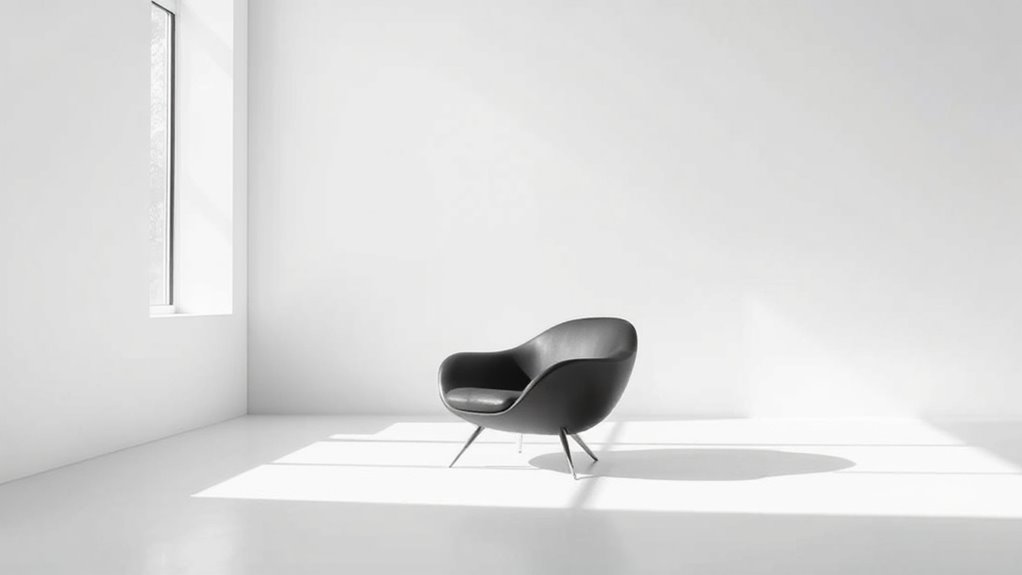

You might find that the “less is more” movement can sometimes lead to new forms of consumerism, with people constantly acquiring and discarding possessions, and it may cause emotional disconnection or loneliness when belongings are pared down. Aesthetic ideals can overshadow genuine comfort and well-being, and the approach often overlooks systemic societal issues like overconsumption. If you want to understand the full scope of these criticisms and how to navigate them, there’s more to explore below.

Get your wardrobe favorites delivered free with Prime
- Fast, free delivery on millions of items
- Prime Video, Amazon Music and more included
- Member-only deals all year
Key Takeaways
- Minimalism can foster consumerism through curated possessions and trendy decluttering tools, leading to a cycle of acquisition and discard.
- Discarding belongings may evoke feelings of loneliness and emotional emptiness, undermining personal connection and well-being.
- Emphasis on aesthetics over emotional comfort can distract from genuine fulfillment and sensory needs.
- The movement often benefits those with economic privilege, ignoring systemic issues like overconsumption and inequality.
- Blind adoption risks superficial lifestyle changes that mask underlying societal problems, requiring nuanced and individualized approaches.

Have you ever wondered if minimalism truly delivers on its promise of simplicity and clarity? For many, the movement seems like a straightforward path to a more meaningful life, stripping away excess to focus on what truly matters. But critics argue that this ideal isn’t always as beneficial as it appears. One common criticism revolves around the consumerism critique. While minimalism encourages you to buy less, it can sometimes push you into a different kind of consumption — one that involves meticulously curated possessions, expensive minimalist furniture, or branded decluttering tools. Instead of reducing your material footprint, you might find yourself obsessively acquiring and discarding, creating a cycle that’s just as consumer-driven as before. The relentless pursuit of ‘less’ can lead to a paradox where you’re constantly chasing the next minimalist trend or product, which defeats the purpose of simplicity.
Minimalism can lead to obsessive consumption, chasing trends, and cycling through possessions rather than true simplicity.
Furthermore, some critics point out that minimalism, if not approached thoughtfully, can foster emotional deprivation. When you’re encouraged to discard possessions or cut out activities that once brought you joy, it’s easy to feel isolated or disconnected. The movement’s emphasis on decluttering can inadvertently suggest that happiness stems solely from having fewer things, ignoring the emotional significance attached to personal belongings or experiences. You might feel that in the process of simplifying, you’re losing parts of yourself, leading to feelings of emptiness or loneliness. This emotional deprivation can strike especially hard when you see minimalism portrayed as a one-size-fits-all solution, ignoring individual needs, cultural differences, or personal histories. Additionally, some argue that a focus on contrast ratio and image quality can overshadow the importance of emotional connection and comfort in a space, highlighting how aesthetic ideals sometimes conflict with personal well-being.
Critics also argue that minimalism’s focus on material simplicity can sometimes overlook deeper societal issues. It might promote a lifestyle that’s easy to adopt for those with economic privilege, but it doesn’t address systemic problems like consumer culture’s influence or the societal pressures to always want more. For some, adopting minimalism can become a superficial fix rather than a genuine way to improve life’s quality. Instead of questioning the roots of dissatisfaction, it’s easier to declutter your closet and call it a day. Critics warn that this can serve as a distraction rather than a solution, masking the persistent issues of overconsumption and emotional emptiness that many face.
In the end, while minimalism offers appealing promises of clarity and peace, these criticisms remind you to approach it with nuance. It’s not a one-size-fits-all fix, and blindly following the movement without considering your emotional and social realities can leave you feeling more disconnected than ever.
As an affiliate, we earn on qualifying purchases.
Frequently Asked Questions
How Does Minimalism Impact Mental Health Long-Term?
Minimalism can positively impact your mental health long-term by reducing clutter and stress, leading to mental clarity. You’ll likely experience mental health benefits like increased focus and emotional resilience, helping you handle life’s challenges better. By simplifying your environment, you create space for meaningful experiences, which can foster a sense of calm and stability. Over time, minimalism encourages healthier habits and a balanced mindset, enhancing your overall well-being.
Can Minimalism Be Sustainable Environmentally?
Yes, minimalism can be environmentally sustainable. By embracing fewer possessions, you reduce waste and promote resource conservation. This lifestyle encourages mindful consumption, which lowers your carbon footprint and minimizes environmental impact. You’ll find that focusing on quality over quantity helps you make sustainable choices, conserving energy and natural resources. Overall, minimalism supports a healthier planet by promoting responsible resource use and reducing unnecessary environmental burdens.
Is Minimalism Suitable for All Income Levels?
Minimalism isn’t suitable for all income levels because income inequality and wealth accessibility vary greatly. If you have limited resources, adopting minimalism might seem challenging or even exclusionary. However, you can still embrace aspects like simplifying your belongings and focusing on meaningful experiences without needing significant wealth. It’s about adjusting minimalist principles to fit your financial situation, making intentional choices that improve your quality of life regardless of income.
How Do Cultural Differences Influence Minimalism Perceptions?
Cultural diversity paints minimalism with different colors, so your perception shifts depending on where you’re from. In some cultures, simplicity symbolizes sophistication, while others see it as austerity. Your background influences how you value possessions and space. You might view minimalism as freedom or deprivation. Embracing these cultural differences helps you understand that minimalism isn’t one-size-fits-all but a reflection of diverse worldviews, like a mosaic of perspectives.
What Are Common Misconceptions About Minimalism?
You might think minimalism means giving up all material excess, but it’s really about intentional living. Some believe it’s about social conformity, but it’s more about finding value beyond possessions. Many misunderstand minimalism as deprivation, when it’s about simplifying to focus on what truly matters. You don’t have to eliminate everything; instead, you cut excess to create space for meaningful experiences and personal growth.
As an affiliate, we earn on qualifying purchases.
Conclusion
So, after all the fuss about decluttering and simplifying, it turns out minimalism isn’t perfect. Who knew that chasing “less” might actually make you crave “more”? Ironically, the movement’s biggest critics remind us that sometimes, having a little excess isn’t so bad—especially when it’s your own stuff. In the end, maybe the real lesson is that balance, not austerity, makes life richer. Or at least, that’s what minimalists might secretly admit.
As an affiliate, we earn on qualifying purchases.
As an affiliate, we earn on qualifying purchases.
Halloween Picks
halloween
As an affiliate, we earn on qualifying purchases.