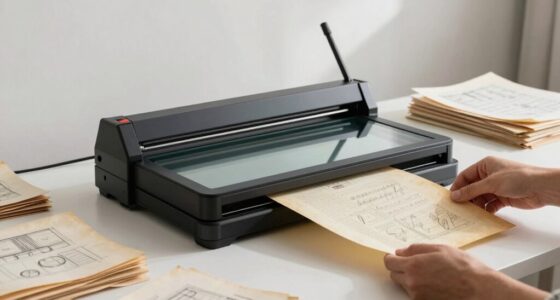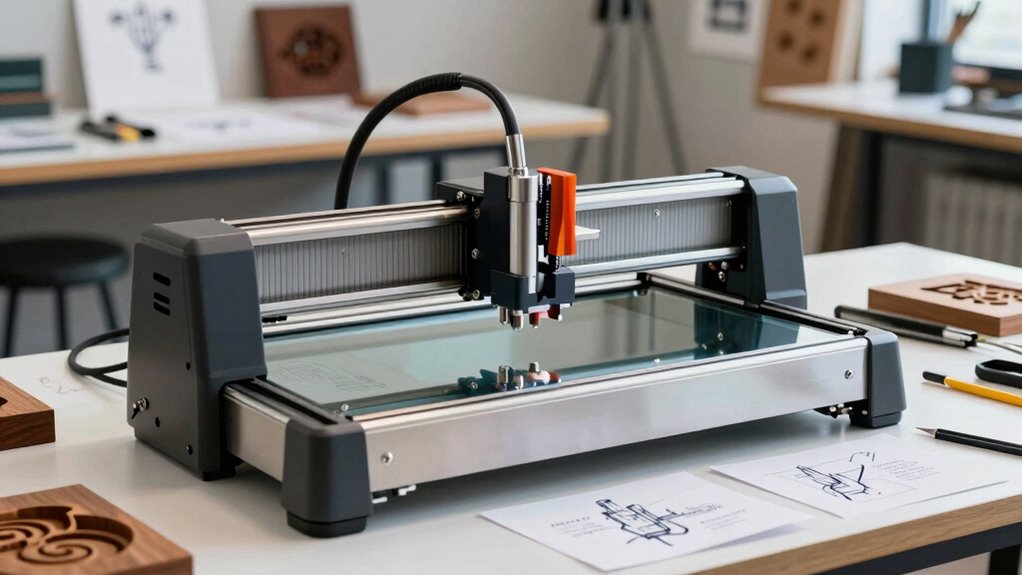

To improve your laser engraving studio, focus on designing a flexible layout that keeps materials close to your machine for quick access. Choose equipment and materials carefully, considering their properties to boost efficiency and safety. Organize supplies and tools to avoid clutter, and plan for future growth by including versatile storage and power sources. A strategic, well-thought-out setup will enhance your creativity and workflow. Keep exploring to discover even more tips for perfecting your studio space.

Get your wardrobe favorites delivered free with Prime
- Fast, free delivery on millions of items
- Prime Video, Amazon Music and more included
- Member-only deals all year
Key Takeaways
- Optimize workspace layout to streamline workflow and ensure safety during laser engraving projects.
- Select versatile equipment and design software for easy customization and efficient project management.
- Organize materials by type and storage to prevent cross-contamination and improve accessibility.
- Incorporate proper ventilation and safety measures to handle fumes and debris effectively.
- Plan for future growth with adaptable storage, power sources, and equipment upgrades to sustain productivity.
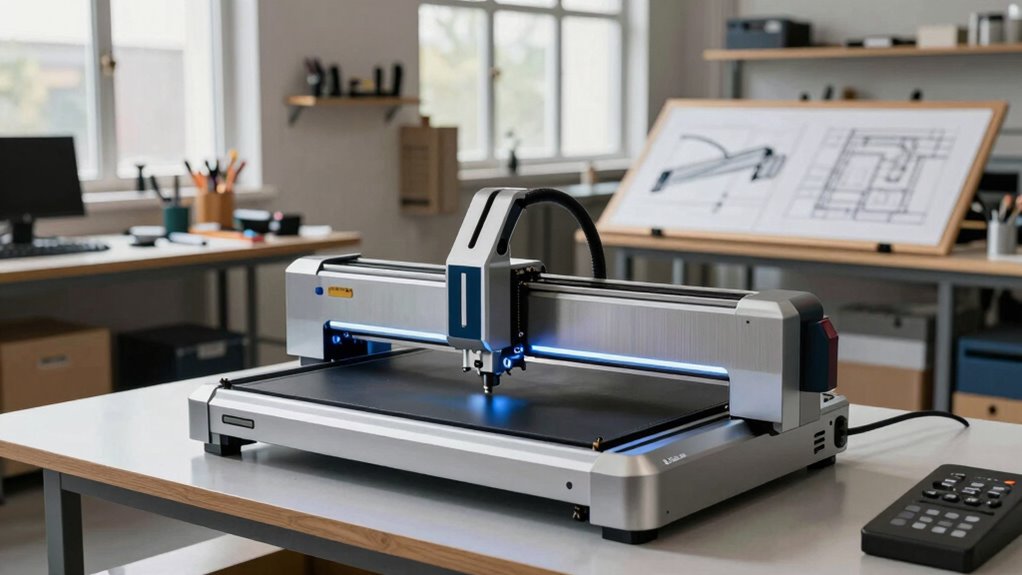
Setting up a laser engraving studio involves more than just choosing the right equipment; careful planning can considerably boost your efficiency and creativity. One of the key aspects to contemplate is how you’ll approach design customization. Your ability to tailor designs to meet client needs or personal projects can set your studio apart. Think about the types of projects you want to focus on—jewelry, signage, personalized gifts—and how your design process can adapt to each. Investing in software that allows you to easily modify and create intricate designs will streamline your workflow and inspire new ideas. Remember, the more versatile your design options, the more appealing your services will be to a broader audience.
Effective design customization sets your laser engraving studio apart and broadens your creative possibilities.
Material selection is another critical factor that impacts not only your output quality but also your studio’s organization. Knowing which materials you’ll work with most often helps you plan your workspace efficiently. For example, if you plan to engrave wood, acrylic, or leather, to weigh your options for designated storage for each material type to prevent cross-contamination or damage. This careful organization speeds up your process, reduces waste, and minimizes errors. Additionally, assess the thickness and composition of your chosen materials, as this influences your laser settings and safety precautions. Having a clear understanding of material properties will save you time during setup and adjustments, allowing you to focus on creating rather than troubleshooting. Exploring material properties thoroughly can help you optimize your engraving results and ensure safety. Considering material compatibility when selecting materials can also help prevent damage to your equipment and improve overall efficiency.
Your workspace layout should reflect your material choices and the flow of your design process. Position your materials close to your laser engraver to minimize handling time, and allocate space for tools, safety gear, and finishing supplies. Incorporate proper ventilation and safety measures, especially when working with materials that emit fumes or debris. Creating an efficient layout promotes productivity and helps you maintain a safe working environment.
Finally, to reflect on how your studio design allows for future growth. As your skills and demand increase, you may want to expand your range of materials or upgrade your equipment. Planning flexible storage solutions, versatile work surfaces, and accessible power sources will enable smooth expansion without major overhauls. By focusing on design customization, material selection, and thoughtful organization from the outset, you set a strong foundation for a successful laser engraving studio. This strategic approach not only enhances your workflow but also fuels your creativity and keeps your projects flowing seamlessly.
laser engraving workstation organizer
As an affiliate, we earn on qualifying purchases.
As an affiliate, we earn on qualifying purchases.
Frequently Asked Questions
What Safety Precautions Are Essential When Using Laser Engravers?
When using laser engravers, you need to prioritize laser safety by wearing protective equipment like safety goggles and gloves. Keep the workspace well-ventilated to avoid inhaling fumes and guarantee the laser machine has proper safety features. Never leave the engraver unattended during operation, and regularly inspect it for any issues. Following these safety precautions helps prevent injuries and keeps your workspace safe.
How Do I Select the Right Laser Engraver for My Needs?
Choosing a laser engraver is like finding the perfect tool for a craft; it needs to match your materials and budget. First, consider the materials you’ll work with—wood, acrylic, metal—and guarantee the machine is compatible. Next, evaluate your budget, balancing features and size with cost. Look for reliable brands with good reviews, and pick a model that fits your projects now and allows room to grow.
What Maintenance Does a Laser Engraver Require Regularly?
You need to regularly clean the laser engraver’s lenses and mirrors to maintain peak performance. Calibrate the laser engraver often to guarantee precision, especially after moving or impacts. Check engraving material compatibility to avoid damage, and replace worn parts like filters and fans when necessary. By keeping these maintenance tasks up-to-date, you’ll extend your laser engraver’s lifespan and assure consistent, high-quality results.
Can Laser Engravers Be Used for Commercial Production?
Yes, laser engravers can definitely be used for commercial production. Many industries rely on laser engraver applications for precise, efficient, and customizable products. In commercial production processes, they streamline tasks like engraving, cutting, and marking on various materials. When you invest in a high-quality laser engraver, you can handle larger volumes, improve productivity, and meet customer demands effectively, making them a valuable tool for your business growth.
How Do I Troubleshoot Common Laser Engraver Issues?
To troubleshoot common laser engraver issues, first check the laser engraver calibration to guarantee accurate cuts and engravings. Then, verify material compatibility, making sure you’re using suitable materials for your machine. If the laser isn’t focusing properly or producing inconsistent results, realign the laser head. Regularly clean lenses and mirrors to maintain performance. These steps help resolve most problems and improve your engraver’s efficiency.
laser engraver ventilation system
As an affiliate, we earn on qualifying purchases.
As an affiliate, we earn on qualifying purchases.
Conclusion
By optimizing your studio layout and choosing the right laser engraver, you can boost your productivity and creativity. Did you know that 78% of small businesses report increased efficiency after remodeling their workspaces? Incorporate smart planning and reliable equipment to stay ahead. With the right setup, you’ll not only enhance your workflow but also turn your creative ideas into stunning reality more quickly. Start planning today and unleash your studio’s full potential.
material storage bins for laser engraving
As an affiliate, we earn on qualifying purchases.
As an affiliate, we earn on qualifying purchases.
As an affiliate, we earn on qualifying purchases.
Halloween Picks
halloween
As an affiliate, we earn on qualifying purchases.