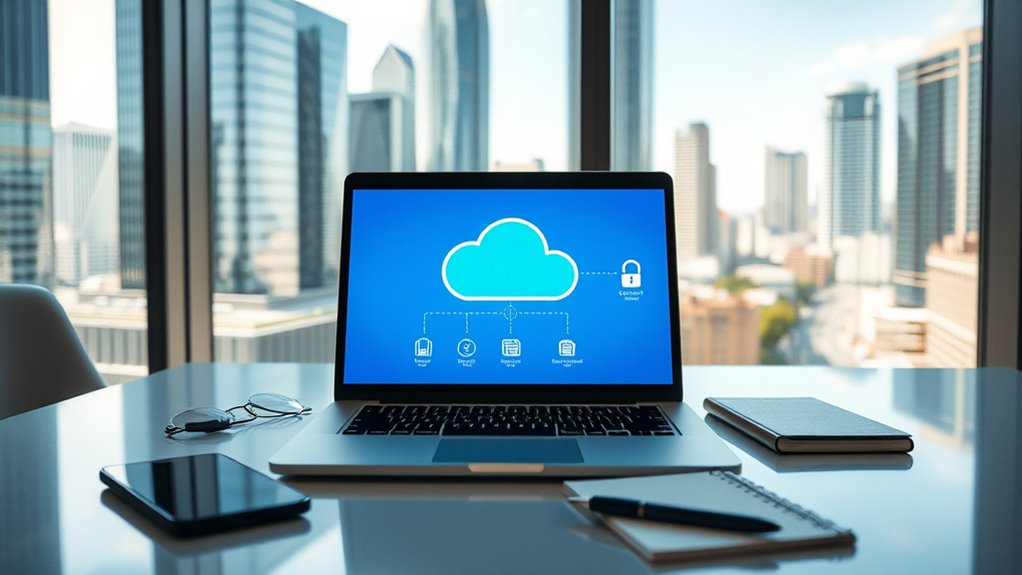

Choosing between cloud and local storage depends on your priorities. Cloud storage simplifies your workflow by offering easy access from anywhere, handling maintenance, and scaling seamlessly without upfront hardware costs. Local storage gives you more control, but it requires managing hardware and security yourself. If you want a smoother, less hands-on approach, cloud is often the better choice. Want to uncover which option best fits your needs and how to optimize your setup? Keep exploring for more insights.
Key Takeaways
- Cloud storage offers automatic updates and maintenance, reducing manual management and streamlining workflows.
- Local storage provides full control over security protocols, suitable for workflows requiring strict data safeguards.
- Cloud solutions enable easy scalability, adapting to changing storage needs without hardware upgrades.
- Local storage may involve complex management, potentially complicating workflows with hardware repairs and updates.
- Cloud storage enhances remote access and collaboration, simplifying workflows for distributed teams.

When deciding between cloud and local storage, understanding their fundamental differences can help you make the right choice for your needs. At its core, cloud storage involves storing your data on remote servers maintained by a provider, accessible via the internet. Local storage, on the other hand, means keeping your data on physical devices like hard drives, servers, or NAS systems within your premises. This distinction impacts how you manage data security and cost efficiency, two critical factors in selecting a storage solution.
Cloud storage often offers robust data security measures, such as encryption, regular backups, and automated updates, which can reduce your vulnerability to cyber threats. Providers invest heavily in security infrastructure, so you don’t have to worry about maintaining complex security protocols yourself. This can give you peace of mind, especially if you lack the resources or expertise to implement extensive security systems locally. Additionally, cloud storage can be more cost-efficient for many users. You typically pay for what you use, avoiding large upfront investments in hardware. This model allows for scalable storage, meaning you can increase or decrease your capacity as your needs evolve, which is especially advantageous for small businesses or individuals with fluctuating storage requirements. Cloud providers also handle maintenance and upgrades, saving you time and money on hardware repairs or replacements.
Cloud storage offers scalable, cost-effective security features like encryption and automatic backups, reducing cyber threats and maintenance efforts.
However, cloud storage isn’t without its drawbacks. Data security depends heavily on the provider’s protocols, and breaches, though rare, can happen. You’re entrusting your data to a third party, which might raise concerns about privacy and control. Furthermore, ongoing subscription costs can add up over time, potentially surpassing the expense of a one-time hardware purchase if your storage needs are large and steady. In contrast, local storage provides you with direct control over your data. You can implement your own security measures, including physical safeguards and encryption, tailored specifically to your needs. Plus, owning your hardware means you won’t be subject to monthly service fees, which could make local storage more cost-effective in the long run—especially if you have significant data to store.
In addition, understanding the security protocols employed by cloud providers can help you assess the level of protection your data receives. Ultimately, the choice depends on your specific requirements. Cloud storage simplifies data management with its scalability and maintenance-free approach, making it ideal if you prioritize flexibility and reduced overhead. Local storage offers greater control and potentially lower long-term costs if you prefer managing your own security and don’t mind the upfront investment. Weighing these factors carefully will help you choose a storage solution that best aligns with your workflow and security priorities.

WD 5TB My Passport, Portable External Hard Drive, Black, backup software with defense against ransomware, and password protection, USB 3.1/USB 3.0 compatible – WDBPKJ0050BBK-WESN
Slim durable design to help take your important files with you
As an affiliate, we earn on qualifying purchases.
As an affiliate, we earn on qualifying purchases.
Frequently Asked Questions
How Secure Is Cloud Storage Compared to Local Storage?
Cloud storage is generally very secure, thanks to advanced encryption protocols that protect your data both in transit and at rest. Plus, providers implement data redundancy, ensuring your files are backed up across multiple servers. While local storage might seem more secure, it relies on your own measures. Overall, cloud storage offers robust security, but always choose reputable providers and enable additional security features for peace of mind.
Which Storage Option Offers Better Cost Efficiency Long-Term?
Imagine a steady stream of sunlight—cost efficiency often leans toward cloud storage, thanks to flexible pricing strategies. You can scale up or down as needed, minimizing unnecessary expenses. Cloud providers handle maintenance, reducing your cost management worries. Over time, this adaptable approach tends to be more budget-friendly for long-term storage, freeing you from hefty hardware investments and allowing you to focus on your core work.
Can I Easily Switch Between Cloud and Local Storage?
Yes, you can easily switch between cloud and local storage. Many services offer file synchronization, making it simple to keep your files updated across both options. Plus, storage scalability allows you to expand or reduce your storage as needed, ensuring seamless shifts. This flexibility helps you optimize your workflow, giving you control over where your files are stored and how you access them, without hassle or data loss.
How Does Storage Speed Compare Between Cloud and Local Options?
In most cases, local storage offers quicker transfer speeds, giving you a seamless experience, while cloud storage tends to have higher latency issues. You’ll notice that accessing files locally feels instant, whereas cloud transfers can sometimes lag due to network conditions. If speed is essential, local options generally keep you moving smoothly, but cloud storage provides convenience despite occasional transfer delays. Balancing these factors depends on your specific workflow needs.
What Are the Best Practices for Backing up Data?
You should develop solid backup strategies by regularly copying your data to multiple locations, ensuring data redundancy. Use automated backups to minimize errors and schedule them during off-peak hours for efficiency. Store copies both locally and in the cloud to protect against hardware failures, theft, or disasters. Always verify your backups periodically to confirm data integrity, and consider encrypting sensitive information to keep it secure.
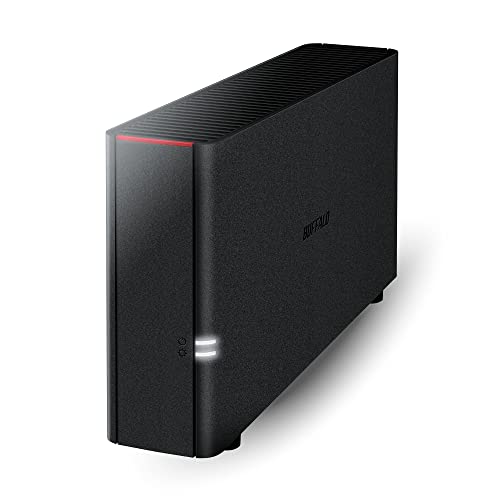
BUFFALO LinkStation 210 2TB 1-Bay NAS Network Attached Storage with HDD Hard Drives Included NAS Storage that Works as Home Cloud or Network Storage Device for Home
Value NAS with RAID for centralized storage and backup for all your devices. Check out the LS 700…
As an affiliate, we earn on qualifying purchases.
As an affiliate, we earn on qualifying purchases.
Conclusion
Ultimately, choosing between cloud and local storage comes down to your needs. If you want accessibility, flexibility, and automatic updates, cloud storage simplifies your workflow. If you prefer control, security, and quick access without internet dependency, local storage keeps things straightforward. Both options aim to streamline your tasks. Decide what aligns with your priorities. Simplify your workflow by weighing the benefits. Simplify your process with the right storage, and watch your productivity soar.

QR Code Cloud Tag Labels | No App or Subscription | Programmable QR Codes to Store Information, Storage, Instructions, Lost & Found, Service Histories & Etc| Waterproof | Pack of 36 (1.2 in x 1.2 in)
CLOUD TAGS: Cloud Tags are multipurpose programmable QR code stickers that you can use to store and update…
As an affiliate, we earn on qualifying purchases.
As an affiliate, we earn on qualifying purchases.

Vansuny 500GB Portable External SSD, USB 3.1 Gen2 450MB/s High-Speed Data Transfer, Metal USB C Mini Portable External Solid State Drive for PC, Laptop, Phones and More
Ultra-Fast Transfer Speed – Read and write speed can respectively reach up to 450MB/s and 400MB/s, which enables…
As an affiliate, we earn on qualifying purchases.
As an affiliate, we earn on qualifying purchases.