
If your inbox is overflowing, social media feels more like a chore than fun, or your devices are cluttered with misplaced files, it’s time for a digital declutter. Constant notifications and distractions can drain your focus and increase stress. Recognizing these signs means you’re ready to regain control and boost productivity. Keep going, and you’ll discover effective steps to clear the clutter and create a calmer, more organized digital space.
Key Takeaways
- Your inbox is overflowing with unread and spam messages, making it hard to find important emails.
- You feel exhausted or overwhelmed after scrolling through social media feeds.
- Your device storage is cluttered with duplicated or forgotten files, slowing down performance.
- Constant notifications and alerts interrupt your focus and daily activities.
- You notice increased stress, difficulty concentrating, or missed deadlines due to digital disorganization.
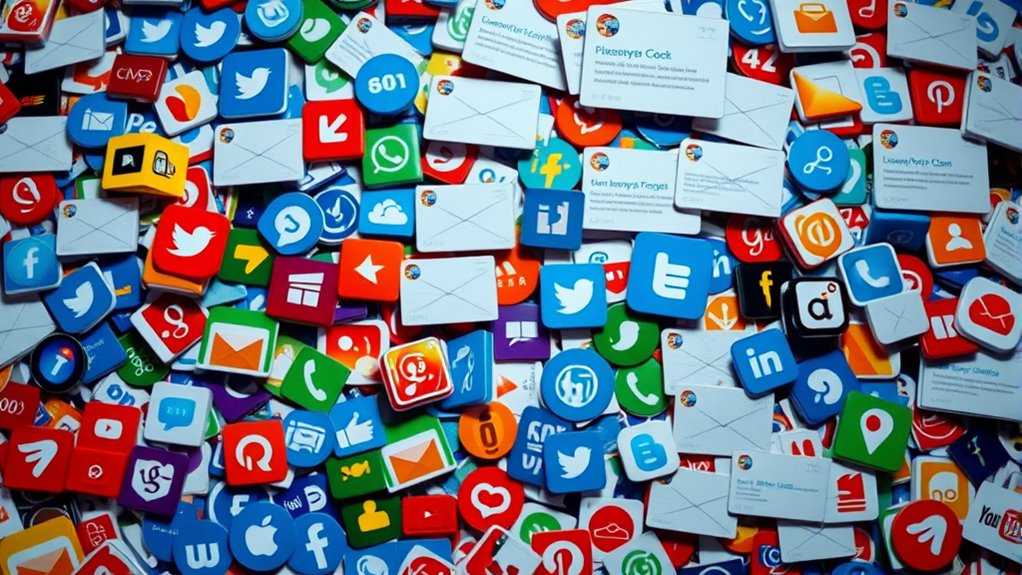
In today’s fast-paced digital world, it’s easy to feel overwhelmed by the constant influx of emails, notifications, and files. If you find yourself struggling to keep up, chances are you’re experiencing signs that a digital declutter is overdue. One of the clearest indicators is email overload. When your inbox is bursting at the seams, and you spend more time sorting through spam, promotions, and unread messages than actually focusing on important tasks, it’s a sign you need to reset. An overflowing inbox can drain your energy and create a sense of chaos, making it harder to prioritize effectively. Social media fatigue is another red flag. If scrolling through feeds feels more like a chore than an enjoyable activity, or if you’re constantly checking notifications and still feeling unfulfilled, your digital consumption might be out of control. These platforms are designed to keep you hooked, but they can also drain your mental bandwidth and leave you feeling drained or anxious.
When your devices start to feel like cluttered spaces rather than tools for productivity, it’s time to take action. Cluttered digital spaces—be they your email, social media accounts, or files—can impair focus and increase stress. You might notice that you’re wasting precious minutes searching for files or trying to remember which app you last used. This disorganization can lead to missed deadlines or forgotten appointments, compounding your frustration. Additionally, when notifications become relentless, it’s difficult to maintain concentration or enjoy moments of downtime. If you’re constantly distracted by pings and alerts, your mental clarity suffers, and you may find yourself less engaged with tasks or loved ones. Recognizing that digital decluttering can improve your overall productivity and mental health motivates you to take the first step toward better digital organization.
Starting a digital declutter doesn’t have to feel overwhelming. Begin by setting aside a specific time to clear out your email inbox—unsubscribe from unnecessary lists, delete old messages, and create folders for important correspondence. Next, evaluate your social media habits; unfollow accounts that no longer serve you or bring joy, and consider limiting your daily usage. Organize your files and delete duplicates or outdated documents to free up space. Turning off non-essential notifications can also help you regain control over your attention span. As you tidy up these digital spaces, you’ll notice increased focus, reduced stress, and a renewed sense of calm. Recognizing these signs early and taking deliberate steps to declutter can profoundly improve your digital well-being and help you regain control of your digital environment.

XPPen Drawing Tablet with Screen Full-Laminated Graphics Drawing Monitor Artist13.3 Pro Graphics Tablet with Adjustable Stand and 8 Shortcut Keys (8192 Levels Pen Pressure, 123% sRGB)
PLEASE NOTE:XPPen Artist13.3 Pro drawing tablet Need to connect with computer,you need to use it with your computer...
As an affiliate, we earn on qualifying purchases.
Frequently Asked Questions
How Often Should I Perform a Digital Declutter?
You should perform a digital declutter every few months to keep your email organization and photo management on point. Regularly deleting unnecessary emails and duplicates, organizing important files, and clearing out unused apps prevents clutter from piling up. Setting a routine helps you stay proactive and efficient. If your inbox feels overwhelming or your photo library is overflowing, it’s a clear sign it’s time for another declutter session.
Can Digital Decluttering Improve My Mental Health?
A digital declutter can be a game-changer for your mental health, reducing stress levels that feel like they could explode the universe. By doing a digital detox and practicing mindfulness techniques, you clear your mind and reduce anxiety caused by constant notifications and information overload. It helps you focus on the present, boosts your mood, and creates a calmer, more balanced mindset. Start small, and feel the mental weight lift off your shoulders.
What Tools Can Help Automate Decluttering?
You can use file management and automation tools like CleanMyMac, CCleaner, or Hazel to simplify decluttering. These tools automatically organize files, delete duplicates, and clear cache, saving you time and effort. By setting up automation rules, you keep your digital space tidy without manual work. This way, your device stays optimized, and your mental space feels less cluttered, making your digital environment more efficient and stress-free.
How Do I Handle Sentimental Files During Decluttering?
Did you know that the average person has over 300 sentimental files? When decluttering, handle sentimental files by creating a dedicated folder for meaningful items. Use clear file naming to organize photos and keepsakes, making them easy to find later. Keep only the most special memories, and consider digitizing physical items for long-term storage. This approach helps you preserve important moments without cluttering your digital space.
Is Digital Decluttering Necessary if I Use Cloud Storage?
Yes, digital decluttering is still necessary even if you use cloud storage. Cloud storage management can become overwhelming without proper digital organization strategies, leading to difficulty finding files and potential security risks. Regularly reviewing and deleting unnecessary files helps keep your cloud organized, improves efficiency, and ensures you’re not paying for storage you don’t need. A digital declutter streamlines your digital life, making it easier to access what matters most.

XPPen Updated Deco 01 V3 Drawing Tablet-16384 Levels of Pressure Battery-Free Stylus, 10x6 Inch OSU Graphic Tablet, 8 Hotkeys for Digital Art, Teaching, Gaming Drawing Pad for Chrome, PC, Mac, Android
Word-first 16K Pressure Levels: The upgraded stylus features 16,384 levels of pressure sensitivity and supports up to 60...
As an affiliate, we earn on qualifying purchases.
Conclusion
If you find yourself overwhelmed by notifications, lost files, or endless tabs, it’s time for a digital declutter. Did you know the average person spends over 2 hours daily juggling digital clutter? Taking small steps now can boost your productivity and reduce stress. Start by prioritizing what matters most, deleting unnecessary files, and organizing your space. A cleaner digital life isn’t just invigorating—it’s essential for your overall well-being.
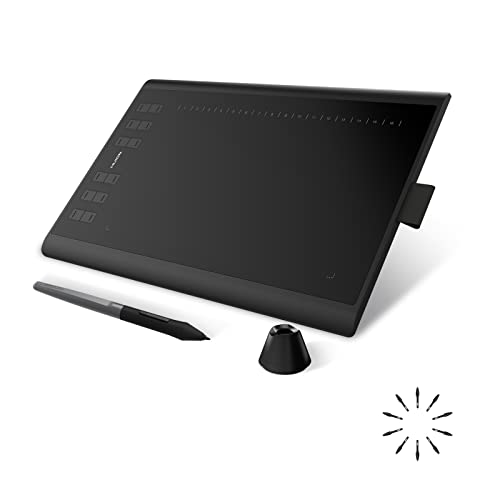
HUION Inspiroy H1060P Graphics Drawing Tablet with 8192 Pressure Sensitivity Battery-Free Stylus and 12 Customized Hot Keys, 10 x 6.25 inches Digital Art Tablet for Mac, Windows PC and Android
Working Area Configuration - HUION art tablet equips with a 10 x 6.25 inches working area, providing the...
As an affiliate, we earn on qualifying purchases.

reMarkable Essentials Bundle – Gray | reMarkable 2 Paper Tablet | Includes Black and White 10.3” Writing Tablet, Marker Plus Pen with Eraser, Book Folio Cover in Gray Weave
THE ONLY TABLET THAT FEELS LIKE PAPER – With a paper feel never before experienced on a digital...
As an affiliate, we earn on qualifying purchases.