To prevent RSI, guarantee your keyboard and mouse support natural hand and wrist positions by using ergonomic designs like split keyboards and shape-fit mice. Keep your wrists straight and relaxed, with elbows close to your sides at a 90-110° angle. Adjust your chair and monitor height to maintain good posture and minimize strain. Small posture shifts and ergonomic cues can make a big difference, so explore how to optimize your workspace for pain-free work.
Key Takeaways
- Use ergonomic keyboards with split design to keep wrists in a neutral, relaxed position.
- Choose ergonomic mice shaped for a comfortable fit to reduce effort and wrist strain.
- Maintain wrists straight and relaxed, avoiding bending or sharp angles during typing and mouse use.
- Keep elbows close to your sides at 90-110°, with forearms parallel to the ground for optimal posture.
- Adjust your workspace so monitors are at eye level and chairs support proper foot placement and back alignment.

Repetitive Strain Injury (RSI) can develop quickly if you’re not careful, but you can reduce your risk with simple adjustments. One of the most effective ways to do this is by investing in ergonomic accessories. These tools are designed to support your body’s natural alignment, helping to minimize strain on your wrists, hands, and shoulders. For example, ergonomic keyboards often feature a split design that encourages a more neutral wrist position, reducing pressure on tendons and nerves. Similarly, ergonomic mice are shaped to fit your hand comfortably, allowing you to move with less effort and strain. When you incorporate these accessories into your workspace, you’re actively promoting better posture awareness, which is essential for preventing RSI. Additionally, using ergonomic accessories can help establish good habits and serve as gentle reminders to maintain proper positioning throughout your workday. Being mindful of your posture is just as important as choosing the right equipment. You should aim to keep your wrists straight and relaxed, rather than bent or angled sharply. Your elbows should be close to your sides at roughly a 90 to 110-degree angle, with your forearms parallel to the ground. Avoid hunching your shoulders or leaning forward, as these habits can contribute to muscle fatigue and tension. Adjust your chair height so your feet are flat on the floor, and your monitor is at eye level to prevent neck strain. Maintaining proper posture awareness means regularly checking in with how you’re sitting and making small corrections as needed. Even minor shifts in your position can considerably reduce the risk of developing RSI over time.

Logitech G413 SE Full-Size Mechanical Gaming Keyboard - Backlit Keyboard with Tactile Mechanical Switches, Anti-Ghosting, Compatible with Windows, macOS - Black Aluminum
Take your gaming skills to the next level: The Logitech G413 SE is a full-size keyboard with gaming-first...
As an affiliate, we earn on qualifying purchases.
Frequently Asked Questions
How Often Should I Take Breaks During Prolonged Computer Use?
You should take breaks every 30 to 60 minutes during prolonged computer use. During these breaks, incorporate stretching routines to relieve tension and improve circulation. Adjust your desk height if needed to maintain proper posture, reducing strain on your wrists and shoulders. Short, frequent breaks help prevent RSI and keep you comfortable. Remember, staying mindful of your ergonomics and taking regular pauses makes a significant difference in pain-free work.
Are Ergonomic Keyboards Better for Preventing RSI?
Yes, ergonomic keyboards are better for preventing RSI because they feature ergonomic design and a more natural keyboard layout. This reduces strain on your wrists and hands by promoting a comfortable, neutral position. An ergonomic keyboard helps you maintain proper posture, decreases repetitive movements, and minimizes discomfort during extended use. Investing in one can markedly improve your overall comfort and reduce the risk of developing repetitive strain injuries.
Can Specific Mouse Types Reduce Strain Effectively?
Did you know that using an ergonomic mouse can reduce wrist strain by up to 30%? Yes, specific mouse types like vertical or trackball designs, with ergonomic features, can notably lower strain. Alternative mouse designs promote a more natural hand position, minimizing repetitive stress. Switching to these options helps you work comfortably longer, preventing RSI and maintaining overall hand health. Give them a try for a pain-free workday.
What Are Signs I Should Stop Working to Prevent RSI?
If you notice persistent pain, tingling, numbness, or stiffness, it’s time to stop working and focus on posture correction and stretching routines. These signs indicate your body needs a break to prevent RSI. Pay attention to discomfort in your hands, wrists, shoulders, or neck, and take regular breaks. Incorporate stretching and adjust your workstation to maintain proper ergonomics, reducing strain and promoting long-term comfort.
Do Wrist Supports Really Help in Reducing Strain?
Wrist supports can really help in reducing strain when you’re working at your desk. They provide extra stability and keep your wrists in a neutral position, which minimizes unnecessary stress. By wearing wrist supports, you can prevent discomfort and reduce the risk of RSI. Just make sure they fit well and are used in combination with good ergonomic practices for the best strain reduction results.
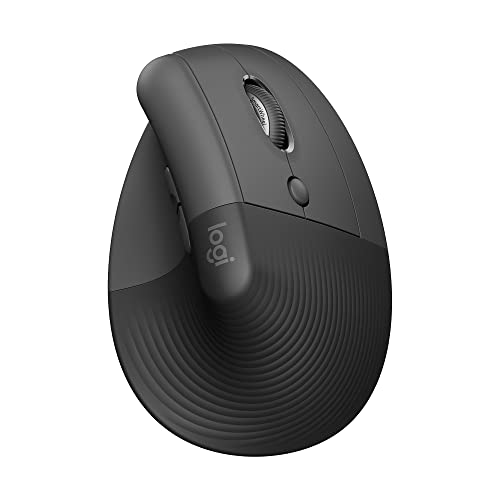
Logitech Lift Vertical Ergonomic Mouse, Wireless, Bluetooth or Logi Bolt USB Receiver, Quiet clicks, 4 Buttons, Compatible with Windows/macOS/iPadOS, Laptop, PC - Graphite
Lift yourself up: When the desk life gets you down, lift yourself up with Logitech Lift Vertical Ergonomic...
As an affiliate, we earn on qualifying purchases.
Conclusion
By practicing proper posture, taking timely tips, and tweaking your techniques, you’ll keep discomfort at bay. Remember, preventing pain is about persistence, posture, and patience. Prioritize your health with simple, smart strategies to stay steady, steady, and stress-free. Stay mindful, move more, and make small adjustments daily—your body will thank you! With consistent care and clever corrections, you can confidently conquer discomfort and enjoy a pain-free, productive workday.

acer Ergonomic Mouse Wireless, Adjustable DPI Vertical Mouse 1000/1200/1600 with 6 Buttons, Rechargeable Ergo Mice, Medium to Large Sized Hands, 2.4GHz USB Receiver for Computer, Laptop, PC
[57° Ergonomic Vertical Design] This mouse ergonomic features a vertical design that naturally contours to your medium to...
As an affiliate, we earn on qualifying purchases.

acer Ergonomic Mouse Wireless, Vertical Computer Mouse for Office, Ergo Mice Rechargeable for Medium to Large Sized Hands, 2.4GHz USB Receiver, 800/1200/1600 DPI, 6 Buttons for Laptop, PC and Desktop
【58° Ergonomic Vertical Design】The ergonomic mouse Features a vertical structure that naturally contours to your medium to large...
As an affiliate, we earn on qualifying purchases.