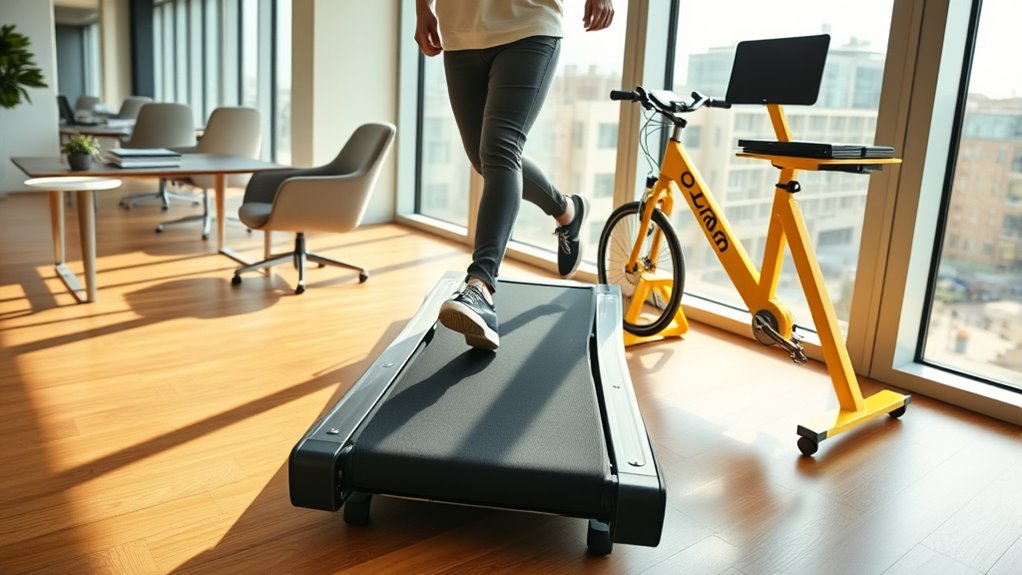

Yes, treadmill and bike desks let you combine physical activity with work, boosting your health without sacrificing productivity. Moving while working can improve posture, reduce discomfort, and keep you more engaged, helping you stay focused and alert. They’re well-suited for tasks like reading emails or casual brainstorming, though some tasks may need slower speeds or adjustments. To discover how these setups can fit into your routine, keep exploring the benefits they offer.
Key Takeaways
- Treadmill and bike desks allow simultaneous movement and work, promoting physical activity without sacrificing productivity.
- Movement during work enhances mental focus, concentration, and reduces fatigue, supporting effective multitasking.
- Suitable for routine tasks like emails and data entry, but may require adjustment for tasks needing intense focus.
- Adjustable and ergonomic models enable seamless switching between sitting, standing, and walking, optimizing comfort.
- Incorporating active desks fosters a healthier, more engaged work environment, blending exercise with daily tasks effectively.

If you spend long hours at a desk, incorporating treadmill or bike desks can boost your activity levels without sacrificing productivity. These setups allow you to stay active while working, helping to combat the sedentary nature of desk jobs. One of the key advantages is the ergonomic benefits they offer. When properly adjusted, treadmill and bike desks can promote better posture, reduce the risk of musculoskeletal issues, and alleviate common discomforts like back pain and stiff necks. Since you can move naturally while working, your body stays engaged, which may prevent the fatigue and tension that often result from sitting for extended periods.
Many people worry about how working out at a desk might impact their productivity, but the reality is quite the opposite for some. In fact, integrating movement into your routine can enhance focus and mental clarity. When you walk or pedal slowly, your blood circulation improves, delivering more oxygen to your brain. This increased circulation can lead to sharper concentration, quicker thinking, and a more sustained attention span. The subtle physical activity also helps reduce stress and mental fatigue, making it easier to tackle complex tasks or maintain high levels of efficiency throughout the day.
However, it’s important to recognize that not all tasks are equally suited for treadmill or bike desks. Tasks requiring intense concentration or fine motor skills might initially be disrupted by the movement. But for routine activities like reading emails, data entry, or brainstorming, these desks can seamlessly blend movement with work, providing a dynamic environment that keeps you alert. The key is to start slow, gradually increasing your walking or pedaling speed as you become comfortable. Over time, this can become a natural part of your workflow, helping you stay active without feeling like you’re sacrificing your work performance.
In addition, many models come with adjustable features, so you can customize the height and speed to match your comfort level. This customization ensures ergonomic benefits are maximized, and the impact on your productivity remains positive. Plus, with the ability to switch between sitting and standing or walking, you can vary your posture throughout the day, reducing the likelihood of strain or fatigue. Overall, treadmill and bike desks aren’t just about staying active—they can be strategic tools to improve your well-being, enhance focus, and sustain productivity over long work hours. Recognizing the ergonomic benefits of these desks can help motivate more people to adopt active work environments.

Logitech G413 SE Full-Size Mechanical Gaming Keyboard - Backlit Keyboard with Tactile Mechanical Switches, Anti-Ghosting, Compatible with Windows, macOS - Black Aluminum
Take your gaming skills to the next level: The Logitech G413 SE is a full-size keyboard with gaming-first...
As an affiliate, we earn on qualifying purchases.
Frequently Asked Questions
Are Treadmill Desks Suitable for All Types of Work?
Treadmill desks aren’t suitable for all types of work, especially tasks requiring intense concentration or detailed precision. You can adapt them with ergonomic adjustments like speed control and monitor height, ensuring comfort. Aesthetic integration helps them blend into your workspace seamlessly. However, for activities like writing or design work, they may be less effective. Consider your specific needs and work style before choosing a treadmill desk to avoid discomfort or distraction.
How Do Bike Desks Affect Concentration and Productivity?
Bike desks can boost your concentration and productivity by providing ergonomic benefits that promote better posture and movement. As you pedal gently, you stay alert, which enhances your mental focus throughout the day. Plus, the physical activity helps reduce fatigue and stress, allowing you to work more efficiently. You might find yourself more energized and engaged, making it easier to stay on task while enjoying the health perks of active working.
Can Using a Treadmill Desk Improve Long-Term Health Benefits?
Using a treadmill desk boosts long-term health benefits by blending beneficial exercise with ergonomic design. Regular movement helps reduce risks of chronic conditions like heart disease, diabetes, and obesity. It also improves posture and promotes circulation. By making movement part of your work routine, you support sustained strength, stamina, and overall well-being, turning your workspace into a wellness zone and making health habits easier to maintain every day.
What Are the Safety Considerations When Using Bike Desks?
When using a bike desk, you should prioritize safety by maintaining proper posture alignment to avoid strain, especially in your back and neck. Keep your equipment well-maintained, checking for loose parts or wear regularly to prevent accidents. Adjust the bike to fit your height comfortably, and take breaks to stretch. Staying attentive to these safety considerations helps you enjoy the benefits of active working without risking injury.
How Do These Desks Impact Social Interactions in the Workplace?
A picture is worth a thousand words, and using bike desks can both boost and hinder office camaraderie. You might find your workplace communication improves as movement sparks conversations and energizes interactions. However, some may feel isolated or distracted, reducing social bonds. To maintain positive social dynamics, encourage inclusive activities and guarantee bike desks complement, rather than replace, face-to-face interactions. Balance is key to fostering a connected work environment.

XPPen Updated Deco 01 V3 Drawing Tablet-16384 Levels of Pressure Battery-Free Stylus, 10x6 Inch OSU Graphic Tablet, 8 Hotkeys for Digital Art, Teaching, Gaming Drawing Pad for Chrome, PC, Mac, Android
Word-first 16K Pressure Levels: The upgraded stylus features 16,384 levels of pressure sensitivity and supports up to 60...
As an affiliate, we earn on qualifying purchases.
Conclusion
So, you get to burn calories while you work, turning your desk into a mini gym. But remember, mixing movement with focus isn’t always seamless—distractions can creep in. It’s a balancing act: you’re both active and productive, yet the two can sometimes clash. Embrace the novelty, but don’t forget to find your rhythm. After all, blending work and workout is a journey—one that requires patience and a little flexibility.
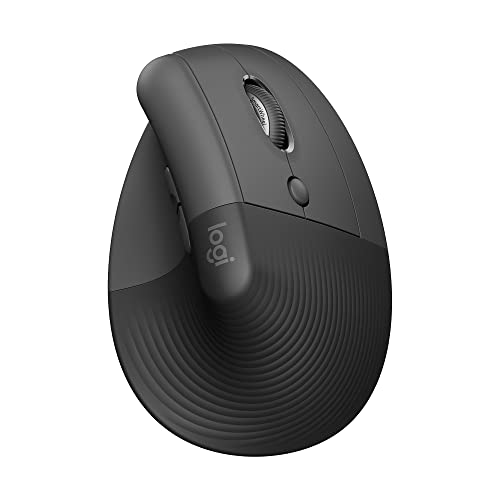
Logitech Lift Vertical Ergonomic Mouse, Wireless, Bluetooth or Logi Bolt USB Receiver, Quiet clicks, 4 Buttons, Compatible with Windows/macOS/iPadOS, Laptop, PC - Graphite
Lift yourself up: When the desk life gets you down, lift yourself up with Logitech Lift Vertical Ergonomic...
As an affiliate, we earn on qualifying purchases.

acer Ergonomic Mouse Wireless, Adjustable DPI Vertical Mouse 1000/1200/1600 with 6 Buttons, Rechargeable Ergo Mice, Medium to Large Sized Hands, 2.4GHz USB Receiver for Computer, Laptop, PC
[57° Ergonomic Vertical Design] This mouse ergonomic features a vertical design that naturally contours to your medium to...
As an affiliate, we earn on qualifying purchases.