To handle sentimental clutter creatively, start by recognizing objects with true emotional value and setting gentle boundaries to keep only what truly resonates. Create meaningful rituals, like personalized ceremonies, to honor memories and facilitate letting go. Find innovative ways to preserve memories digitally or through craft projects, reimagining items as inspiration. Embrace the emotional process and seek support when needed. If you continue exploring, you’ll discover inspiring strategies to turn preservation into a soulful art.
Key Takeaways
- Transform sentimental items into personalized art projects or crafts to preserve memories creatively.
- Digitize photos, letters, and keepsakes to reduce physical clutter while maintaining emotional connections.
- Establish clear boundaries and limits for collection size to prevent overwhelm and manage emotional attachment.
- Create meaningful rituals or ceremonies to emotionally release items, honoring memories with mindfulness.
- Reimagine items by repurposing jewelry, fabrics, or mementos into new, functional, or decorative objects that celebrate their significance.
Recognizing the Value of Sentimental Items

Recognizing the value of sentimental items is an essential first step in managing clutter. You might feel a strong sentimental attachment to certain objects, but it’s important to contemplate their true emotional value. Ask yourself why this item matters—does it remind you of a special person, moment, or achievement? Sometimes, keeping everything because of a fleeting emotional connection can lead to unnecessary clutter. Instead, focus on the stories and feelings behind each item. If an object sparks genuine memories and brings you joy, it deserves a place in your space. However, if its emotional value has faded or it’s become more of a burden, it might be time to let it go. Recognizing what truly holds significance helps you make mindful decisions about your sentimental possessions. Incorporating targeted skincare routines, like using pimple patches for blemish treatment, can also serve as a metaphor for addressing clutter—focusing on what’s truly needed and beneficial. Additionally, understanding the importance of color accuracy can guide you in creating a more harmonious environment, where only meaningful items are kept to enhance your space’s overall aesthetic. Being aware of the dream symbols associated with emotional attachments can offer insights into what your subconscious values most, aiding in your decision-making process. Exploring the compatibility of your possessions with your personal or emotional needs can further clarify what to retain. Moreover, considering conversion kits for electric bikes can inspire thinking about upgrading or repurposing items rather than holding onto outdated or unused possessions.
Setting Gentle Boundaries for Your Collection
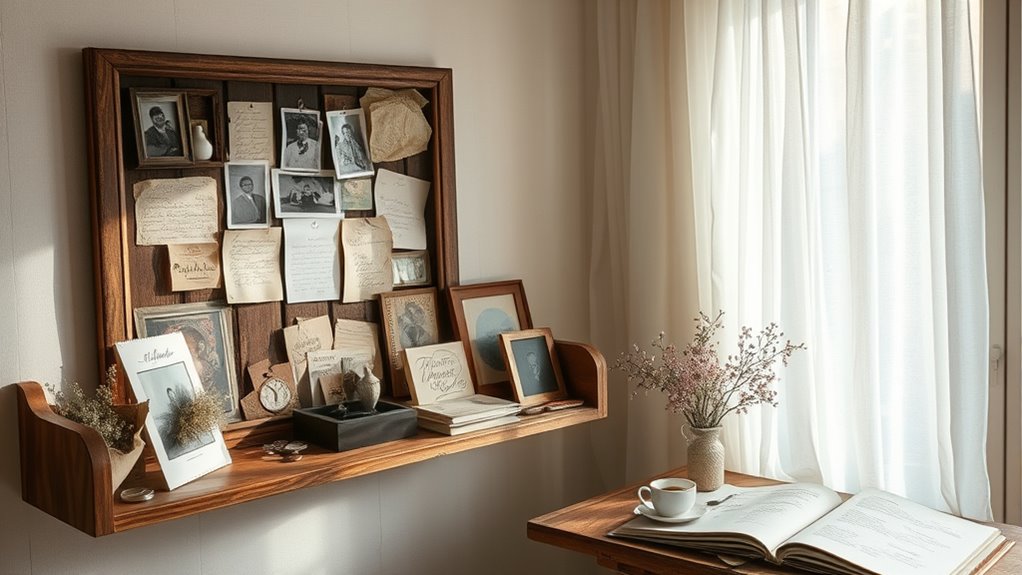
Setting gentle boundaries helps you manage your sentimental collection without feeling overwhelmed. Decide on clear limits for how much space or items you’ll keep, so it feels manageable. Focus on keeping the most meaningful items that truly resonate with you. Knowing how to create a comfortable environment can make the process more enjoyable and less stressful. Additionally, understanding the trustworthiness of your sources can help ensure your collection remains authentic and valuable. Recognizing emotional triggers related to sentimental items can further support healthy boundaries and reduce attachment. Being aware of archives and tracking your collection over time can also help you maintain perspective and avoid clutter buildup. Embracing the role of attention in your creative practice can also help you stay present and intentional with your collection management.
Establish Clear Limits
Have you ever wondered how to keep your sentimental collection from taking over your space? Establishing clear limits is key. Boundary setting helps you control the amount of items you hold onto, ensuring your collection remains manageable. Set emotional boundaries by deciding what items truly hold meaning and what can be let go. Decide on a specific space or container for your keepsakes, and stick to it. When new items come in, evaluate whether they serve a purpose or evoke genuine connection. By defining these limits, you prevent clutter from overwhelming your environment and maintain a balanced relationship with your sentimental items. Remember, setting gentle, consistent boundaries allows you to honor your memories without sacrificing your space or peace of mind. Incorporating goal setting techniques can also help clarify what items are most aligned with your personal growth and well-being.
Prioritize Meaningful Items
To effectively manage your sentimental collection, focus on identifying and prioritizing items that truly hold meaning. By doing so, you set gentle boundaries that protect your emotional well-being. Consider these three types of items:
- Photos that capture cherished memories with loved ones
- Handwritten letters or cards with heartfelt sentiments
- Digital storage of significant moments, like scanned keepsakes or videos
These items hold high sentimental value and deserve a special place in your collection. Be selective, and don’t feel pressured to keep everything. Digitally storing some items can help preserve memories without cluttering your physical space. Remember, prioritizing meaningful items allows you to honor your feelings while maintaining a manageable collection. For example, you might consider resale value of certain items or how they relate to your collection’s overall significance. Incorporating emotional well-being considerations can further guide your decisions and ensure your collection remains a source of comfort. Additionally, understanding the importance of vintage decor and how it can enhance your space may help you make more intentional choices about what to keep or display. Recognizing legislative changes related to debt forgiveness can also influence your financial decisions, providing peace of mind as you declutter your emotional and physical space.
Creating a Personal Ritual for Letting Go

Creating a personal ritual can make letting go of sentimental items more meaningful. You’ll want to establish a special space, choose items that truly matter, and personalize your ceremony to reflect your feelings. This approach helps you honor your memories while gently releasing what no longer serves you. Incorporating sound design techniques, such as capturing ambient sounds or creating meaningful audio cues, can further enhance this process. Using home environment elements can also help create a calming atmosphere for your ritual, making the experience more memorable and comforting. Incorporating mindfulness practices during your ritual can deepen your sense of presence and emotional regulation as you let go. Additionally, understanding the importance of support networks can provide emotional reassurance throughout this journey, especially when dealing with sentimental clutter that holds deep emotional significance.
Establish a Ritual Space
Establishing a ritual space provides a sacred environment where you can process and release sentimental clutter. This space helps you practice mindful reflection and set emotional boundaries, making the letting-go process intentional. To create your space, consider these elements:
- A quiet corner with comfortable seating, free from distractions.
- Personal touches like candles, meaningful objects, or calming visuals.
- A journal or notebook for journaling your thoughts and feelings.
- Incorporating home decor that inspires serenity and encourages mindfulness during your reflection. Creating a calming environment can further enhance your ability to connect with your emotions and facilitate the release process. Using mindfulness practices within this space can deepen your emotional awareness and support healing. This space becomes a dedicated sanctuary for reflection, allowing you to honor your emotions without overwhelm. It’s where you can gently confront memories, recognize their significance, and gradually release attachment. Cultivating this ritual environment encourages emotional regulation and compassion, supporting your journey toward emotional freedom. Engaging in mental clarity techniques can also help you gain perspective and foster acceptance during your letting-go process.
Select Meaningful Items
Once you’ve set up your ritual space, the next step is to thoughtfully select the items that will anchor your letting-go process. Focus on choosing pieces that truly represent meaningful memories, helping you preserve those moments without cluttering your life. Set sentimental boundaries by limiting yourself to a manageable number of items, ensuring you don’t get overwhelmed. Think about what each object symbolizes and how it contributes to your memory preservation. Avoid keeping everything out of guilt or habit—be intentional. Select items that evoke genuine emotion or serve as symbols of your growth. This process transforms your sentimental clutter into a curated collection of meaningful mementos, making it easier to release the rest with clarity and purpose.
Personalize Your Ceremony
Personalizing your ceremony transforms the act of letting go into a meaningful experience tailored to you. It helps with memory preservation while establishing emotional boundaries. To create your ritual, consider these steps:
- Light a candle or play a favorite song to evoke positive memories, honoring the sentimental value of your items.
- Write a letter or a few words about what the keepsake meant to you, then safely let it go or keep it as a memory.
- Practice a mindful activity, like a deep breath or meditation, to solidify your intent and set emotional boundaries, signaling a respectful farewell.
This personalization makes the process authentic, ensuring you honor your past without being overwhelmed by it.
Choosing Meaningful Ways to Preserve Memories

When choosing meaningful ways to preserve your memories, it’s important to select methods that truly resonate with you and reflect your personal story. Digital preservation offers a lasting way to keep photos, videos, and writings accessible. Use storytelling techniques to craft narratives around your keepsakes, making them more engaging and memorable. Consider creating a digital scrapbook or an online album that combines visuals and captions to tell your story authentically. To deepen your understanding, reflect on this table:
| Method | Emotional Impact | Longevity |
|---|---|---|
| Digital preservation | Keeps memories alive digitally | Lasts indefinitely |
| Physical items | Tangible connection | Limited but meaningful |
| Creative projects | Personal expression | Unique and lasting |
| Audio recordings | Personal voice and tone | Long-term |
| Written stories | Deepens understanding | Can be preserved forever |
Reimagining Items as Creative Inspiration

Have you ever considered turning sentimental items into sources of creative inspiration? By doing so, you preserve memories while engaging in creative repurposing. Imagine these possibilities:
- Turning old jewelry into unique art pieces or keychains, transforming cherished tokens into everyday accessories.
- Repurposing vintage fabrics into embroidered wall hangings that evoke personal stories.
- Using photographs to create collage art or personalized greeting cards, blending memory preservation with artistic expression.
These approaches allow you to honor your sentimental items without keeping clutter, fueling your creativity while maintaining emotional connections. Creative repurposing not only offers a new perspective on treasured objects but also keeps their memories alive in inspiring ways. It’s a meaningful way to reimagine your keepsakes as creative tools rather than clutter.
Navigating Emotional Challenges During Decluttering

Turning sentimental items into creative projects can make decluttering feel more meaningful, but it often brings up complex emotions. You might feel sadness, guilt, or nostalgia, which can challenge your emotional resilience. To navigate these feelings, practice mindfulness to stay present and observe your emotions without judgment. Take deep breaths or pause to reflect on why you’re decluttering, reminding yourself of your goals. Recognize that letting go is a process, not a failure. By cultivating emotional resilience, you build strength to face difficult emotions. Remember, it’s natural to feel conflicted—acknowledging these feelings helps you move forward intentionally. With mindful awareness, you can handle emotional challenges more effectively, transforming a potentially overwhelming experience into an empowering act of self-care.
Finding Support and Encouragement in the Process
Finding support and encouragement can make the decluttering journey feel less overwhelming and more achievable. Connecting with others provides motivation and accountability. Consider joining support groups where you can share experiences and gain insights. Surround yourself with motivational quotes that inspire you to keep going. These small boosts can make a big difference. To visualize this support, think of:
- A local or online community sharing tips and encouragement
- Daily motivational quotes posted on your mirror or phone
- Friends or family offering a listening ear during tough moments
Having these sources of support helps you stay focused and positive. Remember, you don’t have to do it alone—lean on your network to stay motivated and celebrate progress along the way.
Embracing Growth Through the Art of Release

Embracing growth through the art of release requires you to let go of what no longer serves you, making space for new opportunities and insights. By consciously choosing to release sentimental clutter, you preserve your most meaningful memories without holding onto physical items. This process strengthens your emotional resilience, helping you face change with confidence. When you detach from objects tied to the past, you create room for personal growth and fresh perspectives. Remember, memory preservation isn’t about keeping everything; it’s about honoring your experiences in a way that supports your present and future. Releasing clutter becomes an act of self-care, empowering you to grow emotionally while cherishing what truly matters. Growth comes from letting go, not holding on to everything.
Frequently Asked Questions
How Do I Start Decluttering Sentimental Items Effectively?
Start by sorting your sentimental items into categories, focusing on what truly preserves your memories. Set emotional boundaries to avoid feeling overwhelmed, and ask yourself which items genuinely bring joy or meaning. Take photos of items before letting them go, so you preserve the memory without the clutter. This approach helps you declutter effectively while honoring your feelings and maintaining a sense of emotional balance.
What Are Some Quick Tips to Overcome Emotional Attachment?
Think of emotional triggers as stormy clouds—you can’t control them, but you can prepare. When attachment triggers surface, take a deep breath and remind yourself the memories live in your heart, not in objects. Focus on gratitude for the experience rather than the item itself. Visualize letting go as freeing a balloon—lightening your load, making space for new joys, and easing the emotional weight of sentimental clutter.
Can I Involve Children or Family Members in the Process?
Yes, involving family members and children can make the process easier and more meaningful. You can encourage child participation by turning decluttering into a game or storytelling activity, helping them feel involved. Family involvement fosters shared understanding and respect for sentimental items, making it less emotional for everyone. Just guarantee you set clear boundaries and keep the activity positive to maintain cooperation and make the experience enjoyable for all.
How Do I Handle Guilt When Letting Go of Certain Items?
You can handle guilt by practicing guilt management techniques like reminding yourself that letting go creates space for new memories. Focus on the emotional healing that comes from releasing clutter, understanding that items don’t define your love or memories. Trust your decision process, and be kind to yourself. Remember, letting go is a step toward a more peaceful, organized space, and it’s okay to prioritize your well-being over keeping everything.
What Are Creative Ways to Repurpose Sentimental Belongings?
You can get creative by transforming keepsakes into unique items or crafting memory displays. For example, turn old jewelry into jewelry art or incorporate fabric scraps into quilts. You might also frame meaningful photos or create shadow boxes with sentimental objects. These ideas help you honor your memories while giving those belongings a new purpose, making them part of your everyday life rather than stored away.
Conclusion
Remember, letting go of sentimental clutter can boost your well-being—studies show it reduces stress and fosters growth. By setting boundaries and honoring your feelings, you create space for new memories and creative inspiration. Embrace the process as a form of self-care, knowing that each item released is a step toward clarity and personal growth. Trust in your journey, and you’ll find that releasing the old opens doors to exciting new possibilities.